How To Use Kobalt 8 Gallon Air Compressor?
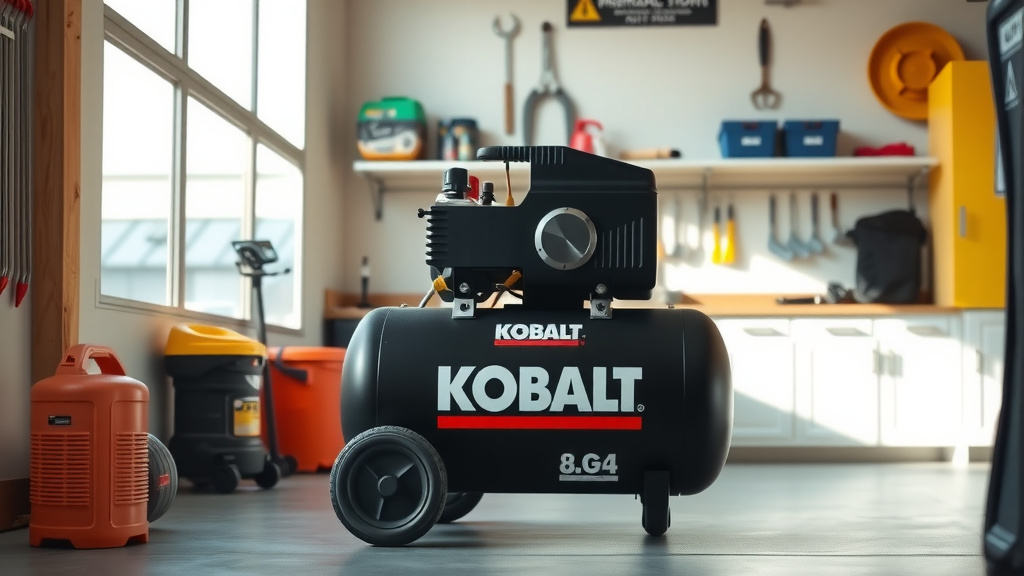
To effectively use your Kobalt 8 Gallon Air Compressor, begin by connecting your air hose and tool, then carefully adjust the pressure regulator to match the tool’s requirements.
Always prioritize safety by wearing appropriate personal protective equipment and ensuring all connections are secure before powering on the Kobalt 8-gallon air compressor.
Here’s the quick rundown for getting started with your Kobalt 8-gallon compressor:
- Set it up safely in a clear, level area.
- Connect your air tool, then adjust the pressure to its specific needs.
- Always check for air leaks and wear safety gear like eye protection.
- Remember to drain moisture from the tank after each use for longer compressor life.
How To Use Kobalt 8 Gallon Air Compressor?
Using your Kobalt 8 Gallon Air Compressor involves a few straightforward steps: prepare the unit, connect your air tools, set the correct pressure, and maintain it properly. It’s really about getting you ready to tackle various projects around your home or workshop with confidence.
Unboxing and Initial Setup
When you first get your Kobalt 8-gallon compressor, take a moment to unbox it carefully. You’ll want to remove all packing materials and inspect the unit for any shipping damage. It’s a bit like unwrapping a new gadget, but with more power!
Choosing the Right Location
Find a flat, stable surface for your compressor. Experts often suggest a well-ventilated area, away from walls, to ensure proper airflow and cooling (Manufacturer’s Guidelines). This also keeps the noise level from echoing too much.
Connecting Wheels and Handle (If Applicable)
Your model might require you to attach the wheels and handle. We found that following the user manual’s diagrams makes this quick work. Think of it as assembling a small, robust cart for your power source.
Powering Up Your Compressor
Before plugging it in, ensure the power switch is in the “off” position. Then, connect it to a properly grounded electrical outlet. Many safety guidelines emphasize using a dedicated circuit if possible, especially for larger motors (Electrical Safety Foundation International).
Checking the Oil Level
If your Kobalt compressor is an oil-lubricated model, always check the oil level before the first use and periodically thereafter. There’s usually a dipstick or sight glass to guide you. Keeping the oil topped up is like giving your engine its daily vitamins.
Connecting Your Air Hose and Tools
This is where the magic starts! Attach your air hose to the compressor’s quick-connect coupler. Give it a gentle tug to ensure it’s secure. A loose connection means a loss of power and efficiency.
Selecting the Right Air Tool
Different tasks need different tools. Are you inflating tires, running a nail gun, or spray painting? Each tool has specific air requirements. It’s like choosing the right spoon for your soup.
Attaching the Air Tool
With the hose connected, attach your chosen air tool to the other end of the hose. Again, make sure it’s a snug, secure fit. You don’t want your wrench flying off mid-task, do you?
Setting the Correct Air Pressure (PSI)
This is a critical step for both safety and performance. Your compressor has a regulator knob, usually near the pressure gauges. Turn it to adjust the output air pressure.
Reading the Gauges
Your Kobalt 8-gallon compressor typically has two gauges: one for tank pressure and one for regulated output pressure. The regulated gauge is the one you’ll adjust to match your tool’s recommended PSI. We found that keeping an eye on both helps understand what’s happening inside.
Here’s a quick guide to common air tools and their typical PSI needs:
| Air Tool | Typical PSI Range | Common Use |
|---|---|---|
| Tire Inflator | 20-100 PSI | Car, bike, sports balls |
| Nail Gun | 70-120 PSI | Framing, finishing, brad work |
| Impact Wrench | 90-100 PSI | Loosening stubborn bolts |
| Air Blower | 40-70 PSI | Cleaning dust, debris |
Operating Your Kobalt Compressor Safely
Safety is not just a suggestion; it’s your best friend when using power tools. Many organizations, like the Occupational Safety and Health Administration (OSHA), strongly recommend a few key practices when operating air compressors.
- Wear safety glasses or goggles to protect your eyes from debris.
- Use hearing protection, as compressors can be noisy.
- Keep children and pets away from the work area.
- Always check hoses and connections for leaks or damage.
- Never point an air nozzle at yourself or others.
Troubleshooting Common Issues
Sometimes, things don’t go exactly as planned. Don’t worry, it’s often a simple fix. Is your compressor not building pressure? Check the tank drain valve; sometimes it’s left open. Is it cycling on and off too frequently? You might have an air leak in your system, often at a connection point.
Maintenance for Longevity
Think of maintenance as extending the life of your air compressor. A little care goes a long way, ensuring your unit is ready whenever you need it.
Draining the Tank
After every use, or at least weekly, drain the moisture from the tank. This prevents rust buildup, which can damage the tank. We found this step to be crucial for preventing internal corrosion (Industry Best Practices).
Cleaning the Air Filter
Periodically, clean or replace the air filter. A clogged filter makes the compressor work harder, reducing its efficiency. It’s like making sure your car has a clean air filter for better gas mileage.
Storing Your Air Compressor
When you’re done for the day, disconnect the air hose and power cord. Store your compressor in a dry, clean area. Protecting it from dust and moisture will help it last longer and perform better next time.
Before putting it away, quickly run through this checklist:
- Power off the compressor.
- Unplug from the power source.
- Drain all moisture from the tank.
- Release any remaining air pressure.
- Neatly coil the power cord and air hose.
- Store in a clean, dry, protected location.
Conclusion
Using your Kobalt 8 Gallon Air Compressor is a rewarding experience once you understand the basic steps and prioritize safety. From the initial setup to proper maintenance, each action contributes to efficient operation and the longevity of your machine. By following these guidelines, you’ll be well-equipped to tackle a wide range of tasks, enjoying the power and convenience an air compressor brings to your projects. Happy compressing!
What kind of projects can I do with a Kobalt 8-gallon air compressor?
A Kobalt 8-gallon air compressor is versatile for many home and workshop tasks. You can inflate tires, sports equipment, and air mattresses. It’s also suitable for light to medium-duty air tools like nail guns, staplers, air blow guns for cleaning, and even some smaller spray painting jobs. Many people use it for trim carpentry and automotive tasks.
How do I know what PSI to set for my air tool?
Each air tool has a recommended operating pressure, usually found in its user manual or stamped directly on the tool itself. Always refer to these specifications. Generally, smaller tools might require 40-70 PSI, while larger tools like impact wrenches or framing nailers often need 90-120 PSI. Setting the correct PSI ensures optimal performance and prevents damage to the tool or your project.
Is it normal for the compressor to cycle on and off frequently?
A compressor cycling on and off is normal when it’s building and maintaining pressure within the tank. However, if it cycles very frequently, even when you’re not actively using an air tool, it might indicate an air leak in your hose, connections, or the compressor itself. Check all fittings for tightness and inspect the hose for any visible damage.
How often should I drain the air tank on my Kobalt compressor?
We found that draining the air tank after every use is the best practice to prevent rust and corrosion buildup inside the tank. If you use it less frequently, at least drain it weekly or after significant use. Accumulated moisture can degrade the tank’s integrity over time, making this a critical maintenance step for the longevity of your compressor.
What safety gear should I always use when operating an air compressor?
Always use appropriate personal protective equipment (PPE) when operating an air compressor. This typically includes safety glasses or goggles to protect your eyes from airborne debris and hearing protection like earmuffs or earplugs, as compressors can be quite loud. Gloves are also recommended for handling tools and hoses, and sturdy footwear is a good idea to protect your feet.