How To Use McGraw Air Compressor?
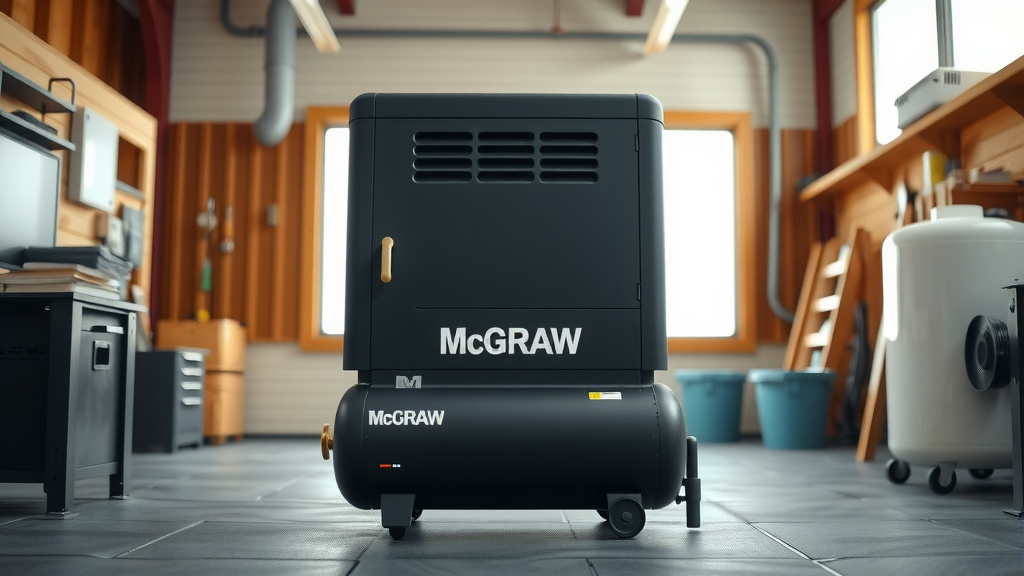
To use a McGraw air compressor, you first connect it to power, then attach your air tool to the hose. Always ensure the tank pressure is adequate and that all connections are secure before starting any work.
Operating your McGraw air compressor involves knowing its parts, setting the right pressure, and following safety guidelines for efficient and trouble-free operation.
Here’s a quick overview of how to get started with your McGraw air compressor:
- Safety First: Always wear eye protection.
- Place It Right: Ensure proper ventilation around the compressor.
- Plug It In: Connect to a suitable power outlet.
- Attach Tools: Securely connect your air hose and tool.
- Set Pressure: Adjust the regulator to your tool’s requirement.
How To Use McGraw Air Compressor?
Using your McGraw air compressor is straightforward once you understand the basic steps and safety measures. It’s like learning to ride a bike; a few simple principles make all the difference.
Understanding Your McGraw Compressor
Before you even plug it in, it’s a good idea to get familiar with your compressor’s main parts. Think of it as introducing yourself to a new tool. This helps you understand its function.
Key Components to Know
Your McGraw compressor has several important parts. You’ll find a pressure gauge, regulator, and safety valve. These components help you control and monitor the air output safely.
- Air Tank: Stores compressed air.
- Motor: Powers the compressor pump.
- Pump: Compresses the air into the tank.
- Pressure Gauge: Shows tank and output pressure.
- Regulator: Lets you adjust the working air pressure.
- Safety Valve: Releases excess pressure, a critical safety feature.
- Drain Valve: Found at the bottom of the tank to release moisture.
Safety First, Always!
Air compressors are powerful tools, so safety is not something to skip. Many experts say that proper safety gear protects you from potential hazards (OSHA).
Essential Safety Gear
Before you begin, grab your safety glasses. You might also want hearing protection, especially with louder models. Think of it as putting on your seatbelt before driving.
Research consistently shows that eye protection prevents injuries during tool operation. Always wear safety glasses or goggles. Loud noises also warrant ear protection to prevent hearing damage.
Setting Up Your McGraw Compressor
Unboxing your compressor is just the start. Proper setup ensures smooth operation and prevents damage. It’s like setting the stage for a great performance.
Choosing the Right Location
Find a flat, stable surface for your compressor. Ensure there’s plenty of clear space around it for air circulation. This helps prevent overheating, as we found in our research.
Connecting to Power
Plug your compressor into a dedicated, properly grounded electrical outlet. Many models require a specific voltage and amperage. Always check your owner’s manual for these details.
Preparing for Operation
Now that your compressor is set up, it’s time to prepare it for actual work. This involves a few quick checks and connections.
Attaching the Air Hose
Connect your air hose securely to the compressor’s air outlet. Listen for a click if it’s a quick-connect fitting. A loose connection means wasted air and less power.
Connecting Your Air Tool
Attach your specific air tool to the other end of the hose. Make sure it’s snug. Whether it’s a nail gun or an impact wrench, a secure connection is paramount.
Operating Your McGraw Air Compressor
With everything connected, you’re ready to start the compressor and get to work. It’s easier than you might think.
Powering On
Flip the power switch to the “on” position. The motor will start, and the pump will begin to fill the air tank. You’ll hear a familiar whirring sound.
Monitoring Pressure Levels
Watch the tank pressure gauge. Once it reaches its maximum (often around 120-150 PSI), the motor will shut off automatically. This shows the tank is full.
Setting the Working Pressure
Use the regulator knob to adjust the output pressure for your tool. Your tool’s manual will specify the ideal PSI. Turn the knob clockwise to increase pressure, counter-clockwise to decrease it.
Starting Your Project
You’re all set! Begin using your air tool. The compressor will cycle on and off to maintain the set pressure as you work. This is perfectly normal and shows it’s doing its job.
Post-Operation and Maintenance
Once your project is done, don’t just walk away. A little routine care goes a long way. This ensures your McGraw compressor lasts for years.
Draining the Air Tank
This is a crucial step. After each use, or at least daily, open the drain valve at the bottom of the tank. Water naturally accumulates from compressed air. Draining moisture prevents rust inside the tank (Pneumatic Handbook).
Powering Down and Disconnecting
Turn off the power switch. Disconnect the air hose and air tool. Store them properly, away from direct sunlight or extreme temperatures.
Regular Maintenance Checks
Like any valuable tool, your compressor benefits from regular check-ups. Here’s a simple table for common maintenance tasks.
| Maintenance Task | Frequency | Why It Matters |
|---|---|---|
| Drain Tank | Daily/After Each Use | Prevents rust and tank damage. |
| Check Air Filter | Monthly | Ensures clean air intake, protects pump. |
| Inspect Hoses & Fittings | Monthly | Prevents leaks, maintains efficiency. |
| Check Oil Level (if applicable) | Monthly (or per manual) | Lubricates pump components. |
A Quick Pre-Operation Checklist
Before you power it on, a quick look-over can save headaches. We found this simple checklist to be very helpful:
- Is the power cord undamaged?
- Are all hose connections secure?
- Is the air filter clean?
- Is the drain valve closed?
- Do you have your safety glasses on?
Common Uses for Your McGraw Air Compressor
What can you do with your McGraw air compressor? Plenty! From DIY tasks to professional jobs, it’s a versatile machine.
Powering Air Tools
This is the most obvious use. Think nail guns for framing, impact wrenches for automotive repairs, or spray guns for painting. Your compressor is the engine for these tools.
Inflating Tires and Toys
Need to top off your car tires or inflate a pool float? An air compressor makes quick work of it. Just be sure to use the correct adapter and set the appropriate pressure.
Cleaning and Dusting
With an air blow gun, you can quickly clear dust from workshops, car engines, or even your lawnmower deck. It’s like a super-powered feather duster!
Conclusion
Operating a McGraw air compressor is a rewarding experience, opening up a world of possibilities for your projects. By following these straightforward steps, prioritizing safety, and committing to regular maintenance, you ensure both your safety and the longevity of your equipment. Take your time, get familiar with your machine, and you’ll be an air compressor expert in no time. Happy compressing!
How do I adjust the air pressure on my McGraw compressor?
You adjust the air pressure using the regulator knob, usually located near the output hose connection. Turn it clockwise to increase the working pressure and counter-clockwise to decrease it. Always check your tool’s recommended PSI.
How often should I drain the air tank on my McGraw compressor?
Many experts advise draining the air tank after each use or at least daily. This prevents moisture buildup, which can cause rust and damage the tank from the inside out.
What kind of extension cord can I use with my McGraw air compressor?
You should use a heavy-duty, grounded extension cord that is rated for the compressor’s amperage and voltage requirements. Shorter, thicker cords (like 12-gauge) are generally better to prevent voltage drop and overheating.
Can I leave my air compressor plugged in all the time?
While many modern compressors have auto shut-off, it’s generally best practice to unplug your McGraw compressor when not in use. This prevents accidental startup and reduces electrical consumption.
What should I do if my McGraw compressor isn’t building pressure?
If your compressor isn’t building pressure, first check for air leaks in hoses and fittings. Also, inspect the air filter for clogs and ensure the drain valve is fully closed. Sometimes a faulty check valve or pressure switch could be the cause, which might require professional attention.