How To Use Pancake Air Compressor For Tires?
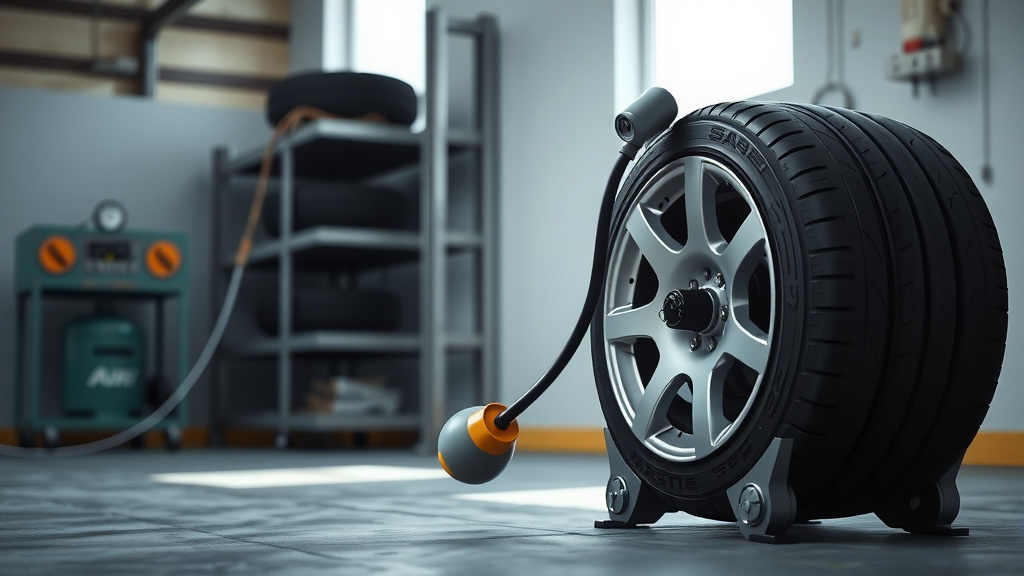
Using a pancake air compressor for tires involves connecting an air hose with a suitable chuck to the tire valve, turning on the compressor, and adding air in short bursts while frequently checking the pressure with a reliable gauge.
This portable compressor type is ideal for tire inflation due to its compact size and sufficient pressure output for automotive and bicycle tires.
TL;DR: Here’s the quick guide to inflating your tires with a pancake air compressor:
- Gather your compressor, hose, air chuck, and a reliable tire gauge.
- Check your vehicle’s recommended tire pressure, usually found on the driver’s side door jamb.
- Connect the air chuck to the tire valve, ensuring a snug fit to prevent leaks.
- Inflate tires in short bursts, pausing to check the pressure frequently with your gauge.
- Always aim for the recommended pressure and avoid over-inflating for safety.
How To Use Pancake Air Compressor For Tires?
Inflating tires with a pancake air compressor is a straightforward task when you know the steps. This process helps maintain tire health and ensures your vehicle’s safety on the road.
Understanding Your Pancake Compressor
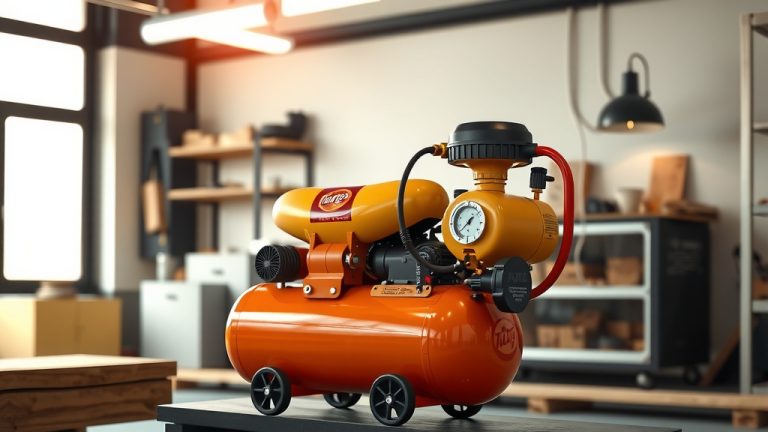
Pancake air compressors are loved for their compact size and portability. They are perfect for small jobs around the house, and tire inflation is one of their best uses. You will find them easy to move and store.
What Makes a Pancake Compressor Special?
These compressors get their name from their flat, round tank shape. We found that their design makes them stable and less prone to tipping over. Many people choose them for convenient air power without taking up much space.
Essential Tools You’ll Need
Before you begin, gather a few important items. You’ll need your pancake air compressor, an air hose, and an air chuck. A reliable tire pressure gauge is also a must-have tool for accuracy.
Prepping for Tire Inflation
A little preparation goes a long way. This ensures both your safety and the accuracy of your tire pressure readings. You want to be ready before you start adding air.
Safety First, Always!
Working with compressed air requires some precautions. We always suggest wearing eye protection to shield your eyes from any debris. Gloves can also protect your hands from grime or sharp edges.
Locating Your Tire’s Recommended Pressure
Each vehicle has a specific recommended tire pressure. You can usually find this information on a sticker inside your driver’s side door jamb. If not there, check your owner’s manual for guidance.
Checking Your Tire’s Current Pressure
Use your tire pressure gauge to get a starting point. Simply remove the valve cap and press the gauge firmly onto the valve stem. Note this reading to see how much air is needed.
Connecting and Inflating
Now that you’re prepared, it’s time to connect your equipment. This part of the process is quick and simple once you get the hang of it. You will see your tires begin to fill up.
Setting Up Your Compressor
Plug in your pancake air compressor and turn it on. It will start to build pressure, often making a distinct sound. Wait for it to reach its maximum pressure capacity before you start. Many models have an auto-shutoff when full.
Attaching the Air Chuck Correctly
Connect your air hose to the compressor, then attach the air chuck to the other end. Push the air chuck firmly onto the tire’s valve stem. You might hear a small hiss, but it should form a tight seal.
Inflating Tires with Precision
Once the chuck is connected, press the lever on the chuck to release air into the tire. Do this in short, controlled bursts. Release the lever and use your gauge frequently to check the pressure. Stop when you reach the recommended PSI.
Tips for Best Results
To get the most out of your compressor and ensure tire longevity, follow these extra tips. They make a big difference in the long run. You want your efforts to be effective.
Don’t Over-Inflate!
Over-inflating tires can be dangerous, leading to poor handling and premature tire wear. It can even cause a tire to burst under extreme pressure. Always stick to the manufacturer’s recommended PSI for safety (NHTSA).
Regular Maintenance for Your Compressor
Your pancake compressor needs a little care too. We found that draining the air tank after each use helps prevent rust and extends the life of your compressor. This simple step keeps it running smoothly for years.
Cold Tire Pressure is Key
Always check and adjust tire pressure when your tires are “cold.” This means they haven’t been driven on for at least three hours. Driving heats tires, which can artificially raise their pressure readings.
Troubleshooting Common Issues
Sometimes, things don’t go exactly as planned. Don’t worry, many common issues have simple fixes. You can often resolve these problems yourself.
Compressor Not Building Pressure?
Check if the power cord is securely plugged in and if the switch is “on.” Also, ensure the drain valve on the bottom of the tank is fully closed. A partially open drain valve will prevent pressure from building up.
Air Leaks from the Hose or Chuck?
A hissing sound usually indicates an air leak. Inspect your hose for cracks or loose connections. Make sure the air chuck is pushed on tightly and correctly onto the tire valve stem. Sometimes, replacing a worn O-ring can fix a leaky chuck.
Tire Still Looks Flat?
If the tire still appears flat after inflation, it might have a puncture or a slow leak. A compressor can’t fix a hole. You might need to add more air, but if it quickly deflates again, it’s time for a professional inspection.
When to Call a Professional
While a pancake compressor is great for topping off tires, some situations require expert help. Knowing when to get professional assistance is smart. You want to prioritize your safety.
Recognizing When DIY Isn’t Enough
If you find a large puncture, a tire that consistently loses air, or if you’re uncomfortable changing a flat, don’t hesitate. A tire shop can perform repairs or replacements safely. They have the right tools for more complex problems.
Maintaining Proper Tire Pressure: Benefits at a Glance
Keeping your tires at the correct pressure offers many advantages. We found that it affects everything from fuel economy to vehicle handling. You will appreciate these positive impacts.
| Benefit Category | Why It Matters For You |
|---|---|
| Fuel Efficiency | Correct pressure reduces rolling resistance, saving gas money. |
| Tire Lifespan | Even wear means your tires last longer, delaying replacement costs. |
| Vehicle Safety | Better traction and handling improve braking and stability. |
| Driving Comfort | Properly inflated tires absorb bumps better for a smoother ride. |
Your Pre-Inflation Checklist
Here’s a quick list to make sure you have everything ready before you start. This helps keep you organized and efficient. You’ll be a pro in no time.
- Compressor is plugged in and running.
- Air hose securely connected to compressor and chuck.
- Tire valve caps removed.
- Tire gauge readily available.
- Vehicle’s recommended PSI confirmed.
- Eye protection in place.
Conclusion
Using a pancake air compressor to inflate your tires is a simple, effective way to maintain your vehicle. By following these steps, you can ensure your tires are always at the correct pressure. This contributes to better fuel efficiency, extended tire life, and most importantly, a safer driving experience. You’ve got this!
Frequently Asked Questions
Can a pancake air compressor inflate truck tires?
Yes, most pancake air compressors can inflate light truck tires, especially those found on SUVs or smaller pickups. However, for large commercial truck tires, you might need a compressor with a higher CFM (cubic feet per minute) output and a larger tank for quicker inflation.
How long does it take for a pancake compressor to fill a flat car tire?
The time varies based on the tire size and how flat it is, plus the compressor’s specific output. Generally, it can take anywhere from 5 to 10 minutes to bring a completely flat car tire up to full pressure with a standard pancake compressor.
Is it safe to leave air in my pancake compressor tank?
Many experts advise against leaving air in the tank for extended periods. We found that moisture can accumulate and cause rust inside the tank, weakening it over time. Always drain the tank after each use and release any remaining pressure.
What kind of air chuck is best for tires?
For tire inflation, a dual-head straight chuck is very common and effective for reaching both inner and outer valve stems. A locking air chuck is also popular because it frees up your hands during inflation, making the process easier to manage.
Can I use my pancake compressor to fill other items besides tires?
Absolutely! Pancake air compressors are versatile. You can use them to inflate sports balls, air mattresses, and even use them with certain air tools for tasks like stapling or brad nailing, provided the tool’s CFM requirements are met.