How To Use Portable Air Compressor For Car?
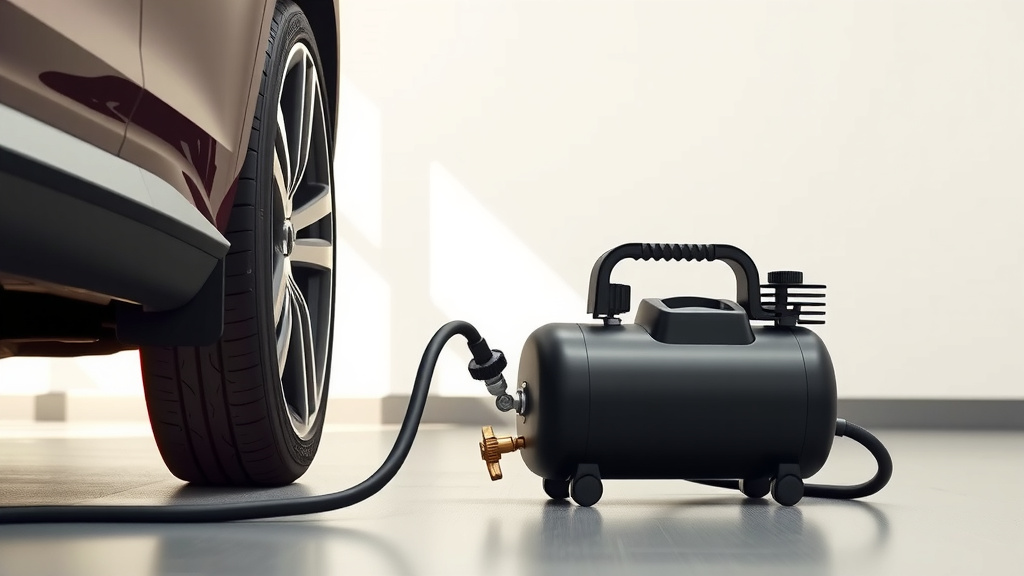
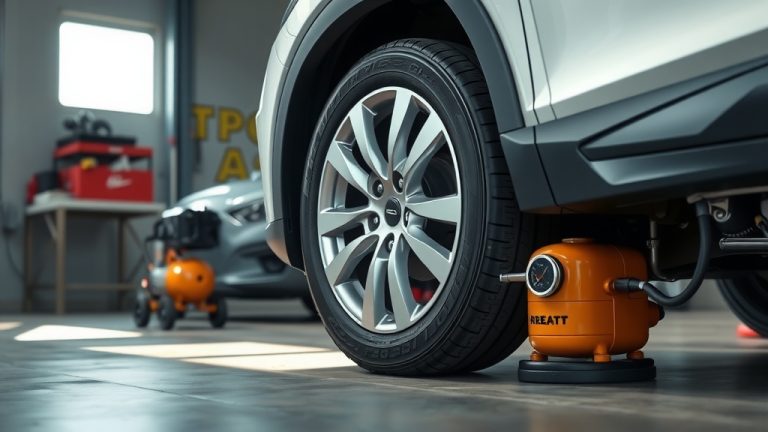
Using a portable air compressor for your car is simple: attach the hose to your tire’s valve stem, set the desired PSI, and let it inflate.
This handy device helps maintain optimal tire pressure, improving safety, fuel efficiency, and tire longevity.
Here’s a quick overview of what you’ll find in this guide:
- Learn the easy steps to inflate car tires with your portable compressor.
- Understand why proper tire pressure is so important for your driving.
- Discover helpful tips for choosing and maintaining your compressor.
- Find practical solutions for roadside emergencies and routine checks.
- Get answers to common questions about tire inflation and safety.
How To Use Portable Air Compressor For Car?
You use a portable air compressor for your car by connecting its hose to your tire’s valve stem, selecting the correct tire pressure, and turning it on to fill your tire to the recommended PSI.
It is a straightforward process that helps you keep your tires properly inflated for safer travels and better car performance. It also helps with fuel efficiency.
Why Tire Pressure Matters So Much
Proper tire pressure is like the perfect diet for your car. It helps your tires wear evenly, giving them a longer life. Under-inflated tires drag more, forcing your engine to work harder.
This increased effort burns more fuel and can even cause a tire blowout. Many experts say maintaining correct pressure is a key safety measure for any driver (National Highway Traffic Safety Administration).
Understanding PSI: Your Tire’s Secret Number
PSI stands for Pounds per Square Inch. This number tells you the ideal air pressure for your tires. You can find your car’s recommended PSI on a sticker inside your driver’s side door jamb or in your owner’s manual.
Do not use the maximum pressure listed on the tire sidewall itself. That number is the highest pressure the tire can hold, not what your car needs for daily driving. It’s a common mistake, but an easy one to avoid.
Picking the Right Portable Air Compressor
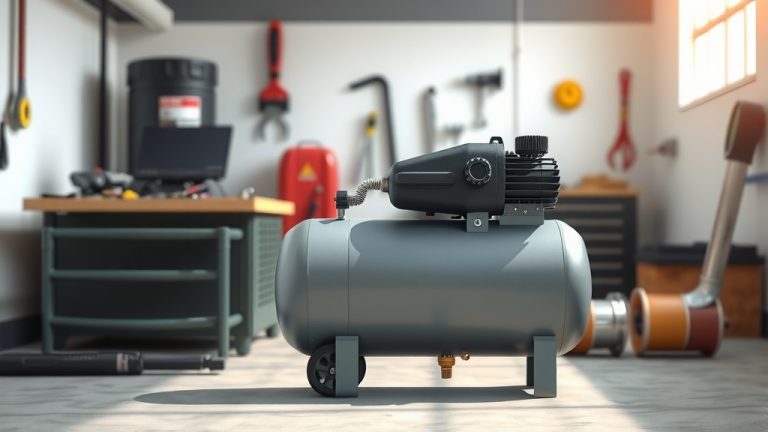
Choosing a portable air compressor is like picking a good travel buddy. You want one that is reliable and easy to use. Look for models with a built-in pressure gauge and a long power cord.
Some compressors have an auto-shutoff feature, which is really handy. This prevents over-inflation, protecting your tires from damage. We found that digital gauges offer better accuracy.
Key Features to Look For
When you are shopping, consider the compressor’s power source. Some plug into your car’s 12V outlet (cigarette lighter), while others have a rechargeable battery. For most car uses, a 12V model works great.
Also, check the inflation speed. A faster compressor saves you time, especially if you have a completely flat tire. A compact design helps with storage in your trunk.
Your Step-by-Step Guide to Tire Inflation
Ready to inflate? It’s simpler than you might think. Follow these steps, and you will be a pro in no time.
Pre-Inflation Checklist
Before you begin, a quick check can make all the difference. Think of it as preparing for a friendly road trip.
- Park on a level surface and engage the parking brake.
- Gather your portable air compressor and car owner’s manual.
- Locate the recommended PSI for your vehicle (driver’s door jamb).
- Ensure your tires are “cold” – meaning not driven for at least three hours.
- Remove the valve stem cap from the tire you will be filling.
Connecting the Compressor to Your Tire
First, plug your compressor into its power source, whether it’s your car’s 12V outlet or a wall socket if it’s an AC model. Then, attach the compressor hose to your tire’s valve stem.
Some hoses screw on, while others use a lever lock. Make sure it forms a tight, secure seal to prevent air leaks during inflation. You might hear a hiss at first, which is normal.
Setting the Desired Pressure
If your compressor has a digital display, input your car’s recommended PSI. If it’s an analog gauge, you will monitor the needle as it climbs. You are now ready for the magic!
Remember that PSI number from your door jamb? That is your target. Don’t go above it, and if you accidentally do, just release a little air by pressing the small pin inside the valve stem.
Inflating Your Tire
Turn on your portable air compressor. It will make some noise, which is perfectly normal. Watch the gauge as the tire fills.
If your compressor has an auto-shutoff, it will stop once the target PSI is reached. If not, turn it off manually when you hit the right pressure. Double-check the reading with a separate tire gauge if you want extra assurance.
Finishing Up
Once the tire is properly inflated, disconnect the hose from the valve stem. Quickly replace the valve cap. Repeat the process for any other tires that need air.
Store your compressor safely in your trunk or garage. Now you are good to go, driving with newfound confidence!
Beyond Basic Inflation: More Uses for Your Compressor
A portable air compressor is not just for flat tires. It is a versatile tool that can help with various tasks around the home and on the go.
Emergency Roadside Assistance
Imagine a slow leak on a long trip. A portable compressor can provide enough air to get you to the nearest service station safely. It is a peace of mind device for any journey.
Many drivers keep one in their car for this exact reason. We found that a compact, powerful compressor is a smart investment for roadside preparedness.
Maintaining Other Inflatables
Think beyond your car tires. Your compressor can inflate bicycle tires, sports balls, air mattresses, and even pool toys. It is like having a little helper for all your inflation needs.
Just remember to use the correct adapter nozzles, which usually come included with the compressor. This expands its utility far beyond just automotive tasks.
Benefits of Proper Tire Pressure (Why It Matters)
Maintaining correct tire pressure is one of the easiest ways to keep your car running well. It impacts many aspects of your driving experience. The difference can be surprising.
| Benefit Category | Positive Impact |
|---|---|
| Safety | Better vehicle handling and shorter stopping distances. Reduced risk of tire blowouts. |
| Fuel Efficiency | Lower rolling resistance, meaning less fuel burned per mile. Saves money at the pump. |
| Tire Longevity | Even tread wear, extending the life of your tires. Delays costly replacements. |
| Ride Comfort | Smoother driving experience and better absorption of road bumps. |
Common Mistakes to Avoid
Even with simple tasks, a few slip-ups can happen. Being aware of them can save you time and potential issues. Don’t worry, they are easy to avoid once you know.
Over-inflating Your Tires
More air is not always better. Over-inflated tires have less contact with the road, reducing traction and making your ride bumpier. They are also more susceptible to damage from potholes.
Always stick to the recommended PSI. If you inflate too much, just release some air carefully until you hit the correct number. It’s a quick fix.
Checking Hot Tires
Remember that “cold” tire rule? Driving heats up your tires, which increases the air pressure inside. If you check hot tires, the reading will be higher than accurate.
Always check your tires before driving or after the car has been parked for a few hours. This ensures you get an accurate pressure reading.
Conclusion
Using a portable air compressor for your car is a simple yet incredibly important skill for any driver. It helps keep you safe on the road, saves you money on fuel, and extends the life of your tires.
By following these easy steps, you can confidently maintain your tire pressure and handle minor emergencies. Think of your portable air compressor as a small tool with big benefits, always ready to lend a helping hand.
FAQs
How often should I check my car’s tire pressure?
We recommend checking your tire pressure at least once a month, or before long road trips. Temperature changes can also affect tire pressure, so more frequent checks in changing seasons are a good idea.
Can a portable air compressor inflate a completely flat tire?
Yes, most portable air compressors are designed to inflate a completely flat tire. It might take a bit longer than topping off a low tire, but they certainly have the capability to get you back on the road temporarily.
What kind of power source do portable air compressors use?
Many portable air compressors for cars plug into your vehicle’s 12-volt accessory outlet, sometimes called the cigarette lighter socket. Other models might have built-in rechargeable batteries or AC plugs for home outlets.
Is it better to have a digital or analog tire pressure gauge?
Digital gauges generally offer more precise readings and are easier to read quickly. Analog gauges are reliable but require you to carefully observe the needle. Both work well, but many prefer the ease of a digital display.
Can I use a portable air compressor for things other than car tires?
Absolutely! Portable air compressors are great for inflating bicycle tires, sports equipment like footballs or basketballs, air mattresses, and even small inflatable boats. Just make sure you have the right nozzle adapter for the item you are inflating.