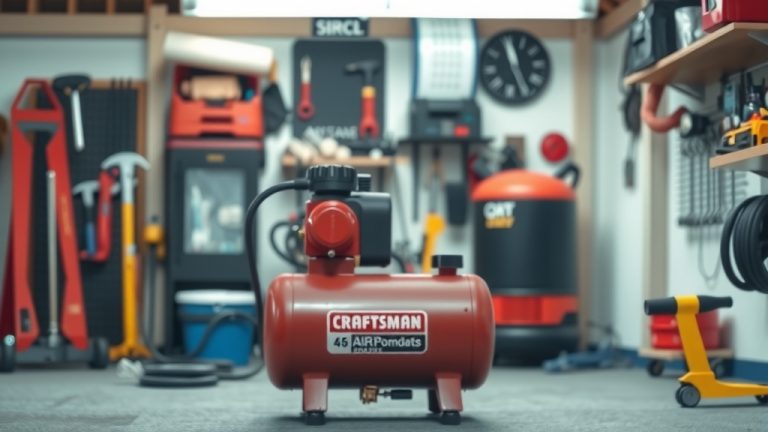
How To Use Porter Cable Air Compressor?
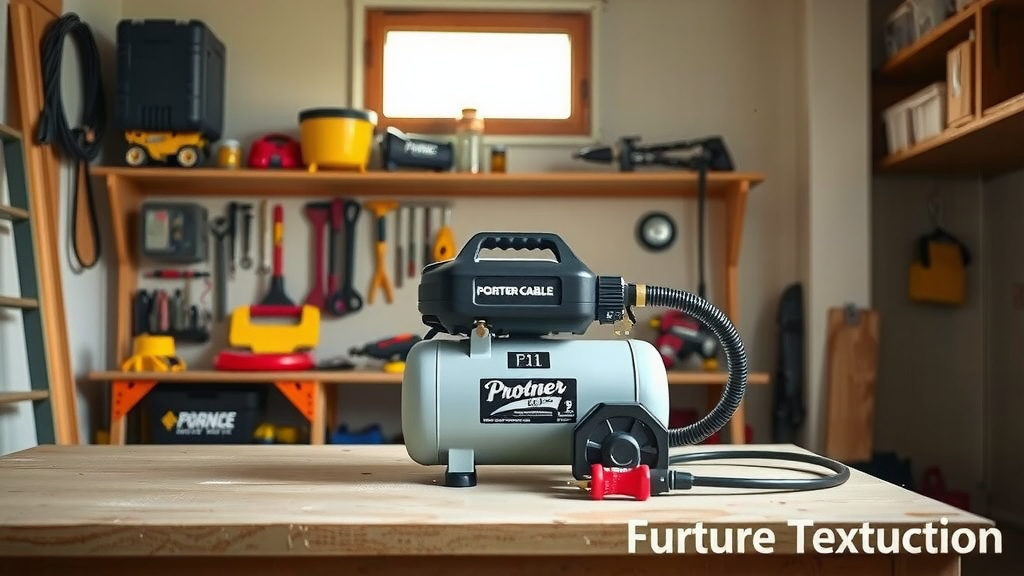
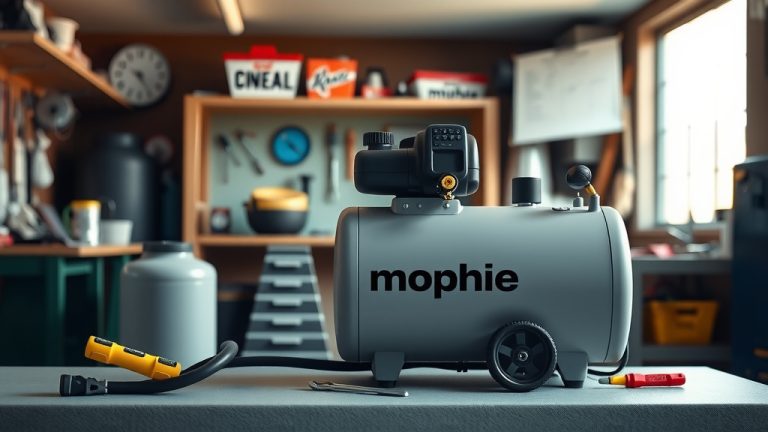
To use a Porter Cable air compressor, first place it on a stable, level surface, then connect it to a power source. You will then attach your air tool to the compressor’s hose and adjust the pressure for your specific task.
Always remember to drain the air tank after each use to prevent rust and maintain the life of your Porter Cable air compressor. This simple step keeps your equipment in top condition.
- Get started by placing your compressor on a flat, steady spot.
- Connect to a power outlet and ensure the air filter is clean and secure.
- Attach your chosen air tool with the correct hose and adjust the PSI setting.
- Always check for leaks and wear appropriate safety equipment.
- Remember to drain the tank regularly for lasting performance.
How To Use Porter Cable Air Compressor?
Using your Porter Cable air compressor opens up many DIY possibilities. It is a straightforward process once you understand a few basic steps and safety measures. We are here to guide you through each part of the journey.
Unboxing and Initial Setup
When your new compressor arrives, the first step is always to unbox it carefully. Remove all packaging materials. Then, take a moment to read your owner’s manual; it holds specific details for your model.
Finding the Perfect Spot
Place your compressor on a flat, solid, and level surface. This helps prevent tipping and ensures stable operation. Make sure there is good airflow around the unit to prevent overheating, we found.
Powering It Up
Connect your compressor to an appropriate electrical outlet. Always use a grounded extension cord if one is needed, checking it meets the compressor’s power requirements. We want to avoid any power issues.
Getting Familiar with Components
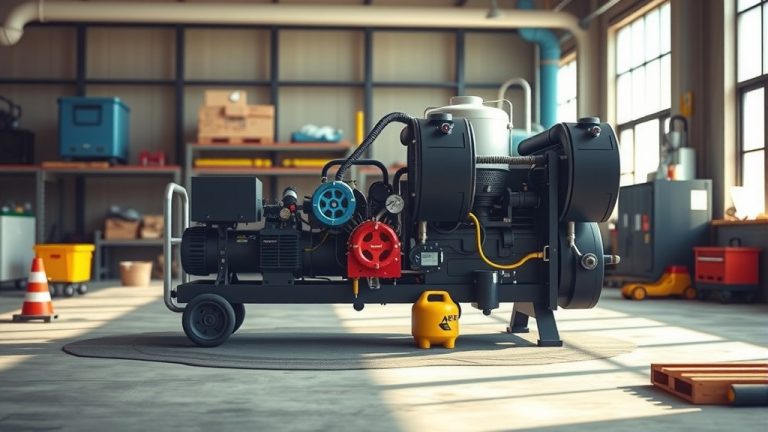
Before you begin, it is good to know the main parts of your Porter Cable air compressor. This knowledge will help you operate it safely and efficiently every time. Don’t worry, it is not too complex.
Pressure Gauge Insights
The pressure gauge shows the current air pressure inside the tank. You will see another gauge for the regulated output pressure. Understanding these numbers is key for proper tool operation.
The Regulator Dial
The regulator allows you to adjust the air pressure sent to your tools. This is where you can fine-tune the PSI for different applications. Many experts say matching PSI to the tool is vital (Tool Manufacturers Association).
Air Tank and Drain Valve
The air tank stores compressed air. A drain valve is at the bottom of the tank. This valve is important for releasing moisture, preventing rust buildup inside the tank.
First Time Compressor Operation
Ready to power it on? There are a few steps for the initial startup, especially for a new unit. This ensures everything runs smoothly and lasts a long time. Is it a new machine? Let’s check.
The Break-in Period (If Applicable)
Some compressors need a break-in period. This usually involves running the compressor with the tank drain valve open for a set time. Check your manual for specific instructions on this process.
Compressor Startup
With the drain valve closed, turn on the power switch. The compressor will start to build pressure. It will shut off automatically once it reaches maximum tank pressure. This is a normal operation.
Connecting Your Air Tools
Now for the fun part: connecting your tools! This process is quick and simple once you have the right accessories. You are almost ready to start your next project with confidence.
Here’s a simple checklist to get your tools connected:
- Attach the air hose to the compressor’s air outlet.
- Ensure all fittings are secure and leak-free.
- Connect your chosen air tool to the other end of the hose.
- Set the regulator to the recommended PSI for your tool.
- Test the tool briefly in a safe, open area.
Hoses and Fittings
Choose an air hose that is suitable for your tool’s air requirements. Connect the hose securely to the compressor’s quick coupler. Make sure all fittings are tight to avoid air leaks.
Attaching Air Tools
Most air tools connect using quick-connect couplers. Simply pull back the collar on the coupler, insert the tool’s plug, and release the collar. A firm tug confirms it’s securely attached.
Operating Your Compressor Safely
Safety is not just a buzzword; it is how we protect ourselves and our equipment. Always follow safety guidelines for a worry-free experience. We want you to be safe above all else.
| Task Type | Example Tool | Typical PSI Range |
|---|---|---|
| Light Duty Inflation | Tire Inflator | 20-35 PSI |
| Brad Nailing | Brad Nailer | 70-90 PSI |
| Small Painting | Touch-up Gun | 30-50 PSI |
| Air Blowgun | Blowgun | 30-50 PSI |
Adjusting Air Pressure (PSI)
Use the regulator dial to set the PSI (pounds per square inch) needed for your specific air tool. You will find the recommended PSI in your tool’s manual. Too much pressure can damage tools or workpieces.
Personal Protective Equipment
Always wear safety glasses or goggles when using an air compressor and air tools. Hearing protection is also a good idea, as compressors can be loud. Gloves offer hand protection, we found (OSHA guidelines).
Essential Compressor Maintenance
Good maintenance habits keep your Porter Cable compressor running at its best. These simple tasks help extend its lifespan and ensure consistent performance. Think of it as caring for a trusty friend.
Draining the Air Tank
This is perhaps the most important routine maintenance task. Water condenses inside the tank during operation. You must drain this moisture after each use by opening the drain valve. This prevents internal rust and corrosion.
Checking the Air Filter
Periodically inspect the air filter. A dirty filter can reduce efficiency and put strain on the motor. Clean or replace it according to your manual’s recommendations. A clean filter breathes life into your compressor.
Oil Level (for Oil-Lubricated Models)
If you have an oil-lubricated Porter Cable model, check the oil level before each use. Add oil if it is low, using only the type specified in your manual. Proper lubrication keeps internal parts running smoothly.
Troubleshooting Common Issues
Even the most dependable machines can sometimes have minor hiccups. Don’t worry, many common air compressor issues have simple solutions. A little patience goes a long way here.
Compressor Not Starting
Check the power cord connection and the circuit breaker. Sometimes, a motor overload protection switch might have tripped. Let the motor cool, then reset the switch if present.
Air Leaks
Listen for hissing sounds around connections and fittings. A soapy water solution sprayed on suspected areas will bubble if there is a leak. Tighten connections or replace old O-rings to seal them.
Conclusion
Using your Porter Cable air compressor is a rewarding experience, whether you are a DIY enthusiast or a professional. By following these straightforward steps for setup, operation, and maintenance, you ensure your equipment remains reliable and safe. Remember, taking good care of your compressor means it will serve you well for many projects to come. So, power up, connect your tools, and create something amazing!
How often should I drain the air tank on my Porter Cable compressor?
You should drain the air tank after every single use. This prevents moisture buildup, which can cause rust inside the tank and shorten your compressor’s lifespan.
Can I use any extension cord with my air compressor?
No, you should only use a heavy-duty, grounded extension cord that is rated for the compressor’s power requirements. Using an inadequate cord can cause voltage drop, overheating, or damage.
What is the typical PSI for common air tools?
The typical PSI varies greatly by tool and task. For example, nail guns often operate between 70-90 PSI, while inflating tires might require 20-35 PSI. Always consult your tool’s manual for its specific recommendations.
My compressor is constantly running. Is this normal?
If your compressor runs constantly without building pressure or cycling off, it could indicate an air leak or a faulty pressure switch. Check all connections for leaks first, then consult your manual or a technician.
Do all Porter Cable air compressors require oil?
No, Porter Cable offers both oil-lubricated and oil-free air compressors. Oil-free models require less maintenance as you don’t need to check or change the oil. Always refer to your specific model’s manual.