How To Use Presta Valve Adapter With Air Compressor?
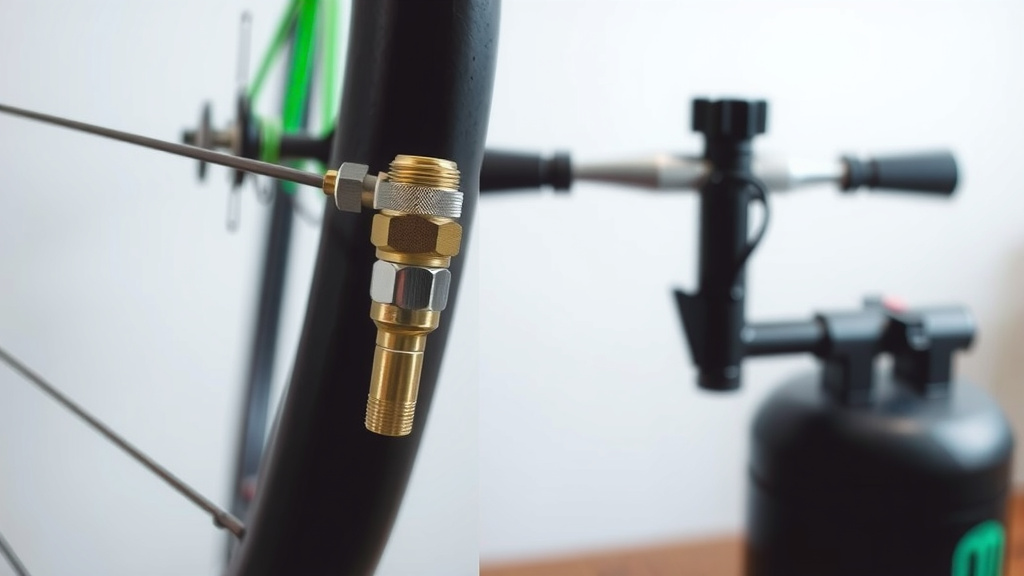
The Presta valve adapter helps you inflate bicycle tires with a standard air compressor by converting the Presta valve to a Schrader valve. You simply thread the adapter onto your bike’s Presta valve, then attach your air compressor’s Schrader chuck to the adapter to add air.
Here’s a quick summary for getting air into your bike tires:
- Get a small Presta valve adapter.
- Unscrew the Presta valve’s locknut.
- Thread the adapter onto the valve stem.
- Attach your air compressor’s chuck firmly.
- Inflate your tire to the correct pressure.
- Remove the adapter, then re-lock your Presta valve.
How To Use Presta Valve Adapter With Air Compressor?
You use a Presta valve adapter with an air compressor by first screwing the adapter onto the exposed Presta valve stem, which effectively converts it into a Schrader-type valve. Then, you can attach your standard air compressor’s chuck to the adapter and inflate your bicycle tire.
What Exactly is a Presta Valve Adapter?
Think of a Presta valve adapter as a tiny, yet powerful, translator for your bike tire. It’s a small brass or plastic cap that has Schrader threads on the outside and a Presta-compatible opening on the inside. This clever design allows your standard air compressor to connect to your specialized bike valve.
Many cyclists find these adapters to be a true lifesaver when they need to inflate tires quickly away from home. We’ve seen them used in garages, at gas stations, and even on the side of a trail for a quick top-off.
Why Can’t I Just Use My Air Compressor?
You know how a square peg doesn’t fit into a round hole? It’s much the same with a Presta valve and a standard air compressor chuck. Most air compressors come with a chuck designed for Schrader valves, which are common on car tires and some mountain bikes. Presta valves, found on many road bikes and higher-end bicycles, are narrower and have a different mechanism.
Without an adapter, your compressor’s chuck simply won’t form a seal, and you’ll get no air into your tire. It’s a common frustration for new cyclists, but an easy fix.
Understanding Your Bike’s Presta Valve
Your bike’s Presta valve is easily identifiable by its slender metal stem and the small locknut at the very tip. Before you can add any air, you need to unscrew this tiny locknut a few turns until it’s loose. This opens the valve for air to pass through.
Research suggests that many people forget this crucial step, leading to confusion when air doesn’t flow (Bicycle Mechanic Handbook).
Understanding Your Air Compressor Chuck
Your air compressor’s chuck is the part that connects to the tire valve. Most home compressors use a Schrader-style chuck, often a clip-on or thread-on design. This chuck is designed to depress the pin inside a Schrader valve, allowing air in. With a Presta valve adapter, you’re essentially providing that same pin for your compressor to engage.
We found that having a reliable chuck is key for efficient inflation.
Gathering Your Tools: The Essentials
Before you begin, it’s good to have everything ready. It makes the process much smoother and faster. Think of it like cooking; you’d never start without all your ingredients.
Here’s a quick checklist:
- Your bicycle with Presta valves
- A Presta valve adapter
- An air compressor with a Schrader chuck
- A reliable tire pressure gauge
- Your bike’s recommended PSI information (usually on the tire sidewall)
Step-by-Step Guide: Attaching the Adapter
Ready to get some air into those tires? Here’s how you’ll attach your Presta valve adapter to get started. It’s simpler than it sounds, really.
| Step | Action |
|---|---|
| 1 | Prepare the Presta Valve: Unscrew the tiny locknut on the Presta valve counter-clockwise until it’s loose, but don’t remove it. |
| 2 | Thread the Adapter: Screw the Presta valve adapter clockwise onto the exposed Presta valve stem until it feels snug. No need to overtighten. |
| 3 | Attach Compressor Chuck: Connect your air compressor’s Schrader chuck onto the adapter. Make sure it’s a tight seal. |
Inflating Your Tire Safely with the Compressor
Now that everything is connected, it’s time to inflate. Pay close attention to your tire’s recommended pressure, often printed on the sidewall in PSI (pounds per square inch). Over-inflation can be dangerous, while under-inflation can cause flats or damage.
Turn on your air compressor. Begin inflating in short bursts, checking the pressure frequently with a reliable gauge. Many experts say that small, controlled bursts are safer than a continuous stream of air (Cycling Weekly).
Removing the Adapter: A Gentle Approach
Once you reach the desired pressure, it’s time to disconnect. First, remove your compressor’s chuck from the adapter. You might hear a little hiss of air; that’s normal. Next, carefully unscrew the Presta valve adapter from the valve stem. Do this slowly to avoid bending the delicate Presta valve.
Finally, remember to tighten the small locknut on your Presta valve. This secures the valve and prevents air from escaping, keeping your tire firm.
Common Mistakes to Avoid
We’ve all made mistakes, especially when learning something new. Here are a few common pitfalls to steer clear of when using your Presta valve adapter:
Not Loosening the Presta Locknut
This is probably the most common error. If you don’t loosen the small nut on top of the Presta valve, the adapter can’t depress the valve stem to allow air in. Your compressor will just blow air around the connection.
Overtightening the Adapter
While you want the adapter snug, twisting it on too hard can damage the Presta valve or even strip the threads. A gentle, finger-tight fit is all you need.
Ignoring Tire Pressure Limits
Always check your tire’s maximum and recommended PSI. Over-inflating can lead to blowouts, which are not only loud but also dangerous. A little caution here goes a long way.
Maintaining Your Presta Valve Adapter
Your Presta valve adapter is a small but important tool. Keeping it in good shape ensures it’s ready when you need it. After all, you don’t want to find it’s missing or damaged when you’re in a pinch.
Store your adapter in a clean, dry place. Many people keep it in their bike repair kit or even taped to their air compressor hose. Check it occasionally for any signs of wear, like cracked threads or corrosion, especially if it’s made of plastic. A quick glance can save you frustration later on.
Conclusion
Using a Presta valve adapter with your air compressor is a straightforward process that grants you incredible convenience and flexibility. By understanding your valves, properly attaching the adapter, and following safe inflation practices, you can quickly and efficiently keep your bicycle tires perfectly pressurized. It’s a small tool, but it makes a big difference in your riding experience, keeping you on the road or trail with properly inflated tires. Happy cycling!
Can I leave the Presta valve adapter on my tire permanently?
No, it’s not recommended to leave the Presta valve adapter on your tire permanently. It can potentially rattle loose, get damaged, or even fall off during a ride. Always remove it after inflation and secure your Presta valve’s locknut.
What if air leaks when I attach the compressor?
If air leaks, first ensure the Presta valve’s locknut is sufficiently loosened. Then, check that the adapter is screwed on snugly (but not overtightened) and that your compressor’s chuck forms a tight seal on the adapter. Sometimes, a slightly worn chuck can cause minor leaks.
Are all Presta valve adapters the same?
Most Presta valve adapters are very similar in function, converting the Presta valve to a Schrader-compatible one. They are typically made of brass, but some cheaper plastic versions exist. While the design is standard, the material quality can vary. We’ve found brass adapters tend to be more durable.
Can I use an air compressor without a pressure gauge?
It’s generally not advisable to inflate tires with an air compressor if you don’t have a separate, accurate pressure gauge. Most air compressors have a built-in gauge, but these can sometimes be inaccurate. A dedicated gauge helps you avoid over-inflating or under-inflating, protecting your tires and ensuring a safe ride.
How tight should I tighten the Presta valve locknut after inflation?
You should tighten the Presta valve locknut just enough to prevent air leakage and to secure the valve stem. Finger-tight is usually sufficient; there’s no need to use tools or exert excessive force, as this could damage the delicate valve stem.