What Is 100 Duty Cycle Air Compressor?
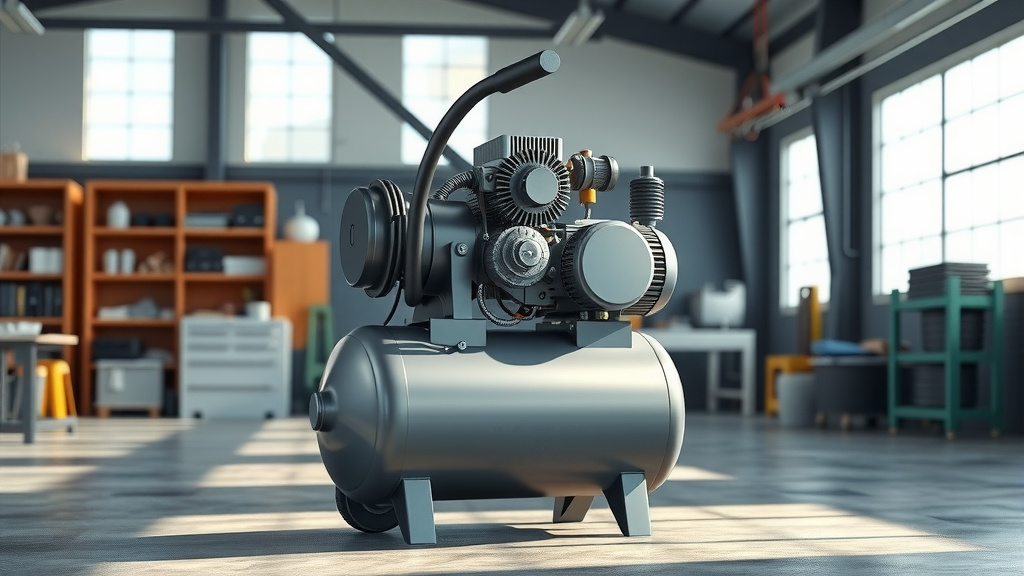
A 100 duty cycle air compressor is engineered to operate continuously without ever needing a rest period to cool down. This means the unit can run non-stop, delivering consistent compressed air for as long as your application demands.
This type of air compressor is designed for the most demanding applications where constant airflow is not just preferred, but absolutely essential for daily operations.
- A 100 duty cycle air compressor is a workhorse designed for non-stop operation, running indefinitely without pauses.
- This robust rating means it can deliver compressed air continuously, making it perfect for demanding industrial and professional tasks.
- Understanding duty cycle helps prevent compressor damage and ensures you select the most suitable tool for your specific job.
- Look for specific design features like oversized components and advanced cooling systems when considering a continuous-run unit.
What Is 100 Duty Cycle Air Compressor?
A 100 duty cycle air compressor is a machine built to perform its job without any interruptions. It means you can run it for the entire shift, all day, every day, if needed, and it will keep producing air.
These units are fundamentally different from standard compressors, which require frequent cooldown periods to prevent overheating and premature wear.
What Does “Duty Cycle” Really Mean?
Think of duty cycle as a compressor’s work-rest ratio, measured in percentages over a standard time, typically 10 minutes. For example, a 50% duty cycle means it can run for 5 minutes and then needs 5 minutes to cool.
A 100% duty cycle rating tells you the compressor is built for constant, ongoing performance. There’s no “rest” period in its operational design, which is quite impressive when you think about it.
Why is Duty Cycle Important for Your Compressor?
Knowing your compressor’s duty cycle is vital for its health and your productivity. Using a compressor beyond its rated duty cycle can lead to overheating, premature component failure, and costly downtime.
It’s like asking a marathon runner to sprint for an hour; they simply aren’t designed for that sustained, high-intensity effort. A 100% duty cycle compressor, however, is your marathon runner ready for anything.
How a 100 Duty Cycle Compressor Works
These compressors are engineered from the ground up for endurance. They incorporate design elements that allow them to handle the constant thermal and mechanical stresses of continuous operation.
This often includes more robust motors, oversized pumps, and superior cooling systems. These features work together to keep temperatures within safe limits, even during extended use.
Key Components for Continuous Operation
When you see a 100% duty cycle rating, you can bet it has some serious upgrades. The motor, for example, is typically larger and more efficient, designed to dissipate heat effectively.
Cooling systems are also top-notch, often featuring larger fans, intercoolers, and aftercoolers. These components ensure that air entering the pump and leaving the compressor stays at optimal temperatures, protecting internal parts (Industry engineering reports).
Who Needs a 100 Duty Cycle Air Compressor?
If your operation relies heavily on compressed air, often for hours on end, then a 100 duty cycle unit might be your best friend. These compressors shine in environments where air tools run constantly or air supply is critical.
They are not usually found in home garages where you might run an impact wrench for a few minutes here and there. Instead, they serve as the heart of serious operations.
Industrial Powerhouses
Think manufacturing plants, large automotive service centers, and fabrication shops. These environments use air-powered machinery like grinders, sanders, and paint sprayers for most of the workday.
In these settings, a compressor that needs to stop and cool down would bring production to a grinding halt, costing significant time and money. Continuous air supply is non-negotiable here.
Professional Workshops
Even smaller, but busy, professional workshops can benefit greatly. If you’re a custom cabinet maker running air nailers and sanders all day, or a heavy-duty mechanic with constant air tool usage, you’ll appreciate the reliability.
Downtime due to an overheating compressor isn’t just an annoyance; it directly impacts your ability to meet deadlines and satisfy customers. That’s why many professionals invest in these robust units.
Benefits of Choosing a 100 Duty Cycle Unit
Beyond simply running without stopping, these compressors offer several advantages. They are built for the long haul, designed to provide consistent performance day in and day out, year after year.
Investing in such a compressor means you’re investing in reliability and the peace of mind that your operations won’t be interrupted by equipment limitations.
Uninterrupted Workflow
The most obvious benefit is the ability to maintain a continuous workflow. Your team won’t need to pause projects or wait for the compressor to recover, which means higher productivity and efficiency.
Imagine a busy assembly line; every minute lost waiting for air means fewer products rolling off the line. A 100% duty cycle compressor keeps things moving without a hitch.
Longer Lifespan and Reliability
Because they are engineered for constant use, these compressors typically have a longer operational lifespan than lower duty cycle models under heavy load. The robust components and advanced cooling reduce wear and tear.
This means fewer breakdowns and less maintenance over time, saving you money and headaches in the long run (Leading manufacturers’ specifications).
Consistent Airflow for Critical Tasks
Some tasks, like continuous blasting or operating sensitive pneumatic controls, require a perfectly stable air supply. A 100% duty cycle compressor delivers this consistency without fluctuations caused by start-stop cycles.
This ensures the quality of your work remains high and your precision tools operate as intended, which is crucial for many industrial applications.
Is a 100 Duty Cycle Compressor Right for YOU?
Deciding if you need a 100% duty cycle air compressor comes down to your usage patterns. Are you an occasional user, or do you run air tools for most of your workday?
Consider the total time your air tools are active each day, not just the compressor’s running time. If that active tool time adds up to hours, you’re likely in the market for a continuous duty unit.
How to Know You Need a 100 Duty Cycle Compressor Checklist:
- You use air tools for more than 30 minutes in any hour.
- Your operation cannot tolerate any downtime for compressor cooldown.
- You operate multiple air tools simultaneously for long periods.
- Your compressed air demands are consistently high throughout the workday.
- You are running equipment that requires a constant, stable air pressure.
Choosing Your Continuous Powerhouse
When you’re ready to select a 100% duty cycle compressor, look beyond just the duty cycle. Consider the CFM (Cubic Feet per Minute) output, the tank size, and the power source (electric or gas).
Ensure the CFM rating meets or exceeds the combined air consumption of your most demanding tools. Many experts advise adding a 20-30% buffer to your CFM needs for future growth or unexpected demands.
| Duty Cycle % | Typical Use Case | Best For |
|---|---|---|
| 50% or Less | Intermittent tasks (e.g., tire inflation) | Home garages, hobbyists, light DIY |
| 50% – 75% | Regular, moderate usage (e.g., small workshops) | Small workshops, occasional painting |
| 75% – 90% | Frequent, sustained use (e.g., busy shops) | Professional automotive, light manufacturing |
| 100% | Continuous, non-stop operation | Industrial plants, heavy fabrication, assembly lines |
Common Misconceptions About Duty Cycle
One common myth is that a larger tank automatically means a higher duty cycle. While a larger tank provides more reserve air, it doesn’t change how long the compressor’s pump or motor can run without overheating.
Another misconception is that all industrial compressors are 100% duty cycle. While many are, always check the specifications. Even heavy-duty units can have lower duty cycle ratings if not specifically designed for continuous use.
Conclusion
A 100 duty cycle air compressor is a true champion of endurance, built for environments where constant, uninterrupted airflow is absolutely critical. Understanding this rating helps you avoid premature equipment failure and ensures your operations run smoothly.
By investing in a compressor designed for continuous performance, you’re choosing reliability, efficiency, and the peace of mind that comes with a system that won’t quit when you need it most. It’s about matching the tool to the task, ensuring your air supply is as robust as your ambition.
What happens if I run a compressor beyond its rated duty cycle?
Running a compressor beyond its rated duty cycle will cause its components, especially the pump and motor, to overheat. This leads to accelerated wear and tear, potential mechanical failure, and significantly shortens the compressor’s lifespan, often voiding warranties.
Are all continuous-run compressors electric, or are there gas-powered 100% duty cycle options?
While most industrial 100% duty cycle compressors are electrically powered for stable indoor operation, gas-powered models with continuous duty ratings do exist. These are typically heavy-duty, commercial-grade units designed for outdoor construction or mobile applications where electricity isn’t readily available.
Does a higher CFM rating automatically mean a higher duty cycle?
No, CFM (Cubic Feet per Minute) refers to the volume of air a compressor can produce, while duty cycle refers to how long it can run. A compressor can have a high CFM but a low duty cycle if it’s not built for continuous operation. Both metrics are important but measure different aspects of performance.
Can I upgrade a standard air compressor to a 100% duty cycle?
Generally, you cannot simply upgrade a standard air compressor to a 100% duty cycle. The continuous duty rating requires fundamental design elements like larger, more robust motors and pumps, and advanced cooling systems that are integrated into the initial manufacturing process. It’s more cost-effective to purchase a unit specifically designed for continuous use.
How do I know if a compressor is genuinely 100% duty cycle?
Always check the manufacturer’s specifications and product manual. Reputable brands will clearly state the duty cycle percentage. If it’s not explicitly listed as 100%, assume it has a lower rating. Don’t rely solely on advertising jargon; look for concrete numbers.