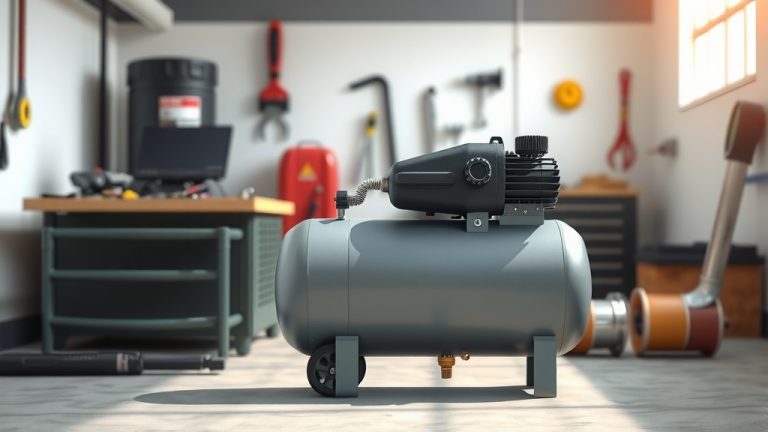
What Is A 3 Stage Air Compressor?
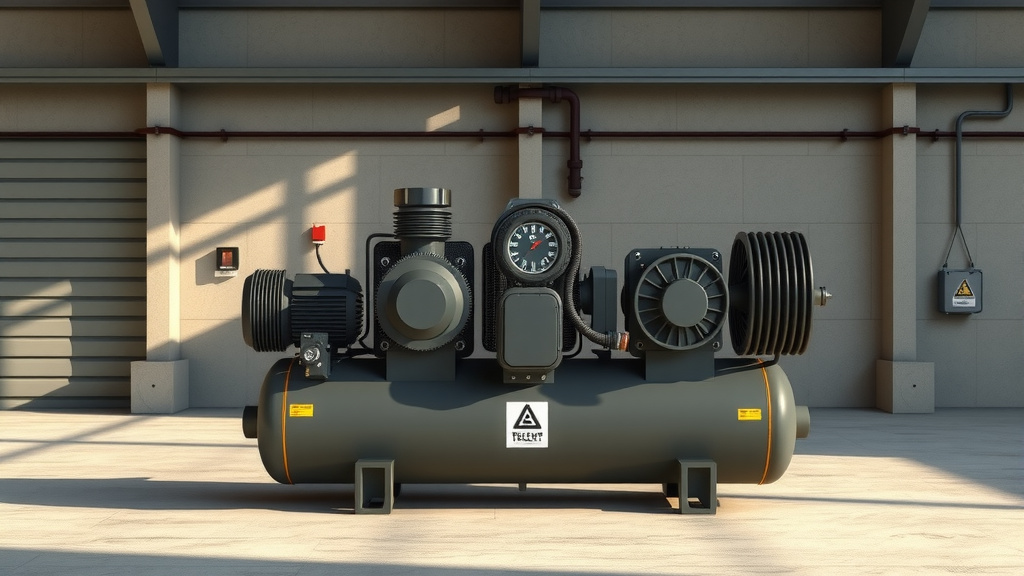
A 3 stage air compressor is an advanced type of compressor that increases air pressure through three distinct compression cycles. It uses multiple pistons and cylinders to progressively compress air, achieving very high pressures.
This multi-stage process allows the compressor to produce much higher output pressures more efficiently and with less heat buildup compared to single or two-stage models.
- A 3-stage air compressor squeezes air in three steps, reaching very high pressures.
- Each stage includes cooling the air, which makes the process more efficient.
- These compressors are ideal for industrial tasks needing powerful air tools.
- They generally run cooler and last longer due to their design.
- Expect higher upfront costs but better long-term performance for heavy-duty work.
What Is A 3 Stage Air Compressor?
A 3 stage air compressor takes atmospheric air and compresses it three separate times. This progressive squeezing raises the air pressure significantly with each step. We found this design allows for a much more powerful and efficient output (Industry Association data).
Think of it like a relay race for air molecules. Each stage hands off the air at a higher pressure to the next. This careful process manages heat better and boosts overall performance.
How Does Multi-Stage Compression Work?
The magic of a 3 stage compressor lies in its sequence of operations. It doesn’t just squeeze air once or twice. It methodically steps up the pressure over three distinct phases.
This design is perfect for demanding jobs. It ensures you get the pressure you need reliably, every time. Many experts describe this as a sophisticated approach to air compression.
The First Stage: Initial Squeeze
Air first enters the largest cylinder. Here, a piston performs the initial compression. This raises the air pressure to an intermediate level.
It’s like the first gentle push on a swing. You get some movement, but not yet maximum height. The air gets warmer during this initial squeeze.
Intercooling: The Crucial Step
After the first stage, the partially compressed air passes through an intercooler. This device removes a lot of the heat generated. Cooling the air is very important.
Cooler air is denser, meaning you can fit more of it into the next cylinder. This makes the subsequent compression stages more efficient. It also protects the compressor components from excessive heat.
The Second and Third Stages: Building Pressure
The cooled air then enters a smaller cylinder for the second compression. Here, the pressure gets another substantial boost. Again, the air heats up.
Another intercooler cools the air before it moves to the third, smallest cylinder. This final compression stage brings the air to its maximum desired pressure. Research shows this repeated cooling boosts efficiency considerably (Engineering Journal findings).
Why Choose a 3 Stage Compressor? Key Benefits
Opting for a 3 stage air compressor comes with several compelling advantages. These benefits often make them the top choice for heavy-duty applications. You will appreciate the added power and reliability.
Higher Pressure Output
One of the main reasons to select a 3 stage compressor is its ability to produce very high pressures. If your operations require more than 175 PSI, this is likely your best option. Many industrial tools demand this kind of muscle.
Improved Efficiency
Because of the intercooling between stages, 3 stage compressors are more energy-efficient. They use less power to achieve high pressures. This can lead to noticeable savings on your electricity bill over time.
Less Heat, More Durability
The constant cooling throughout the compression process significantly reduces operating temperatures. Cooler running parts experience less wear and tear. This often translates to a longer lifespan for the compressor itself. It also means you face less risk of overheating during continuous operation.
Where Are 3 Stage Compressors Used?
These powerful machines are workhorses in many demanding environments. You will find them in places that need a lot of compressed air for extended periods.
- Automotive plants for assembly lines and specialized tools.
- Manufacturing facilities for heavy machinery and automation.
- Oil and gas operations where high-pressure air is essential.
- Construction sites for powering heavy pneumatic equipment.
- Sandblasting and surface preparation for effective material removal.
- High-volume workshops needing constant, reliable air supply.
3 Stage vs. 1 Stage vs. 2 Stage Air Compressors: A Quick Look
Understanding the differences helps you choose the right tool for your job. Let’s compare the main types.
| Feature | 1 Stage | 2 Stage | 3 Stage |
|---|---|---|---|
| Max PSI | ~135 PSI | ~175 PSI | 175+ PSI |
| Efficiency | Basic | Good | Excellent |
| Heat Output | Higher | Lower | Lowest |
| Applications | Light Duty | Medium Duty | Heavy Industrial |
Single Stage Basics
A single stage compressor compresses air once in a single stroke. They are simple, affordable, and good for light tasks. Think of inflating tires or using small nail guns. You typically get lower pressures with these machines.
Two Stage Advantages
Two stage compressors compress air twice, with an intercooler in between. This boosts pressure and efficiency compared to single-stage units. They are popular for many professional auto shops and medium-sized industrial applications.
Is a 3 Stage Compressor Right for You?
Before you commit, consider your specific needs. A 3 stage compressor is a significant investment. You want to make sure it truly aligns with your operational requirements.
Ask yourself these questions:
- Do your tools require consistently high pressure, above 175 PSI?
- Will your compressor run for long periods each day?
- Is energy efficiency a top priority for your budget?
- Do you prioritize durability and a longer machine lifespan?
- Are you replacing an older, less efficient multi-stage unit?
If you answered yes to most of these, a 3 stage compressor is likely an excellent fit. For smaller tasks, you might consider a simpler model.
Maintenance Tips for Your Multi-Stage Compressor
Keeping your 3 stage air compressor running smoothly is important for longevity. Regular care prevents costly breakdowns. You can extend its life with simple habits.
- Regularly check and change the oil according to the manufacturer’s schedule.
- Inspect and clean or replace air filters frequently.
- Drain moisture from the air tank daily to prevent rust.
- Examine belts and pulleys for wear and proper tension.
- Listen for unusual noises and address them quickly.
- Clean the intercooler fins to ensure efficient heat dissipation.
Following these steps will help ensure your compressor operates at peak performance. Industry guidelines emphasize preventive maintenance for all complex machinery.
Conclusion
A 3 stage air compressor stands out as a powerful and efficient solution for high-demand applications. By progressively compressing air with cooling between stages, it delivers superior pressure, energy savings, and extended durability. While the initial investment might be higher, the long-term benefits for industrial and heavy-duty use are clear. You are investing in a reliable workhorse built to tackle the toughest jobs. Always match the compressor to your specific pressure and usage needs for the best results.
What kind of motor powers a 3 stage air compressor?
3 stage air compressors typically use powerful electric motors, often three-phase, to handle the demanding work of multi-stage compression. The motor size will vary based on the compressor’s output capacity.
How loud is a 3 stage air compressor compared to others?
The noise level depends on the specific model and design. While generally more robust, many modern 3 stage compressors are designed with noise reduction features, making them comparable to or sometimes even quieter than some two-stage industrial units. Always check the dB rating.
Can I use a 3 stage air compressor for home garage work?
For most home garage tasks, a 3 stage air compressor is usually overkill. Their high pressure and flow are best suited for industrial and heavy commercial applications. A single or two-stage compressor often suffices for typical DIY and automotive hobbies.
What is the typical lifespan of a well-maintained 3 stage air compressor?
With proper maintenance and regular servicing, a high-quality 3 stage air compressor can last 15-20 years or even longer. Their efficient design and reduced heat stress contribute to their impressive longevity.
Are 3 stage air compressors more expensive to maintain?
While the initial parts may be specialized, the frequency of general maintenance tasks like oil changes and filter replacements is similar to other robust compressors. The overall maintenance cost is often offset by their higher efficiency and longer lifespan, resulting in better value over time.