What Is A Blow Out Plug For Air Compressor?
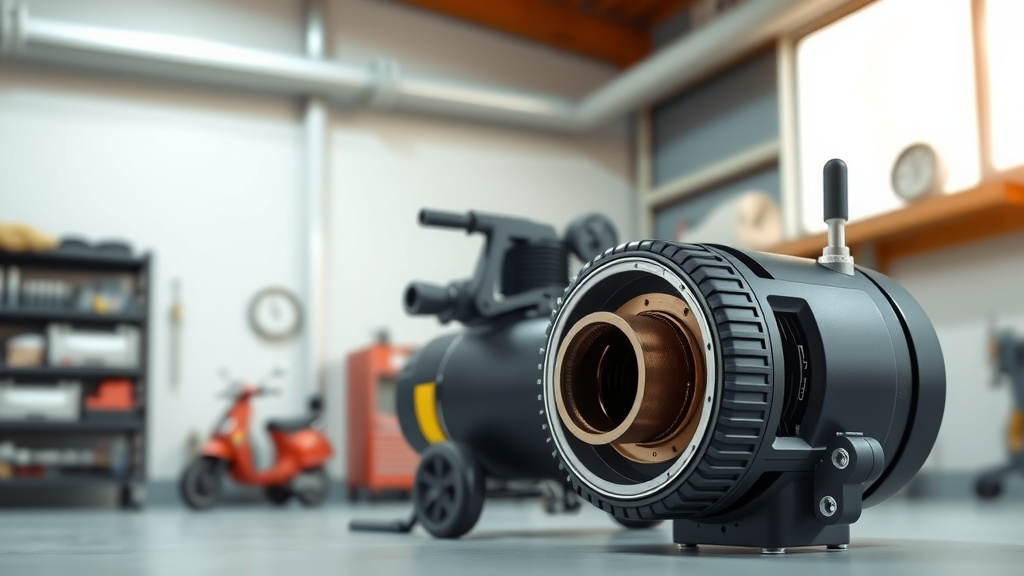
A blow out plug for an air compressor is a simple, yet incredibly effective, device that helps you clear water and debris from your RV or home plumbing lines using compressed air. Think of it as a specialized adapter, connecting your air compressor directly to your water system’s inlet.
This essential tool is primarily used to winterize plumbing, pushing out all remaining water to prevent freezing damage in pipes, which can save you a significant amount of money and hassle.
- You need a blow out plug to easily remove water from your plumbing lines.
- It connects your air compressor to your water inlet for winterization.
- The plug prevents costly freeze damage by clearing all water.
- Using it is a simple, quick, and highly effective preventative measure.
What Is A Blow Out Plug For Air Compressor?
A blow out plug for an air compressor is a clever little gadget. It’s essentially an adapter that connects your air compressor directly to your RV or home’s fresh water inlet. This allows you to introduce compressed air into your plumbing system.
Its main purpose is to push all the water out of your pipes. This is especially vital for winterization, stopping any water from freezing and cracking your lines.
Why Do You Even Need a Blow Out Plug?
You might wonder, “Is this really necessary?” The short answer is a resounding yes. If you live anywhere that experiences freezing temperatures, water left in your pipes will expand when it turns to ice. This expansion can cause pipes to burst.
Repairing burst pipes is a major headache. It often leads to expensive plumbing repairs and water damage. A blow out plug offers a simple, proactive solution to avoid these problems.
Protecting Your Lines from Freezing
Imagine the frustration of finding a flooded basement or a damaged RV interior. Many experts say that preventative winterization is key (EPA). A blow out plug is your first line of defense against such scenarios. It ensures your water system is completely dry.
This protection extends to all your fixtures. Think about your faucets, showerheads, and toilet valves. These components also contain water that can freeze and cause damage.
How Does a Blow Out Plug Work?
The concept behind a blow out plug is quite straightforward. You simply attach one end to your air compressor’s hose. The other end, typically a male quick-connect fitting or a threaded fitting, screws into your water inlet.
Once connected, you slowly introduce a low amount of compressed air into your system. This gentle push of air then forces all the water through your faucets and drains. You open each faucet one by one until only air comes out.
Simple Connection, Effective Clearing
Using the plug usually takes just a few minutes of your time. This small investment in time saves you potential hours of repair work. We found that most plugs are designed for universal compatibility with standard compressor fittings.
The goal is to clear every drop of water. This means even the tiny amounts trapped in P-traps and shower hoses are pushed out. It’s a surprisingly effective method for thorough drying.
When Should You Use a Blow Out Plug?
The most common time to use a blow out plug is before the first freeze of the season. If you own an RV, you will definitely want to winterize it. This applies to vacation homes or any property that might be vacant during cold months.
You can also use it after a period of non-use. This helps to ensure fresh, clean water is flowing through your system. It is also useful for clearing lines before performing maintenance.
Before Winter Sets In
Timing is everything when it comes to winterization. Many seasoned RV owners suggest that you should use your blow out plug well before temperatures drop below freezing consistently (RVIA). Don’t wait until the last minute.
Even a single overnight freeze can cause significant damage. Being prepared saves you from costly surprises. Make it an annual ritual for peace of mind.
Choosing the Right Blow Out Plug
There are a few types of blow out plugs available. Some feature a quick-connect fitting, making them super easy to attach and detach. Others come with threaded connections that screw directly into your water inlet.
When choosing, consider the type of fitting your air compressor uses. Also, look at the material of the plug itself. You want something durable that will last season after season.
- Quick-Connect Plugs: These offer convenience and speed.
- Threaded Plugs: They provide a secure, tight seal.
- Built-in Regulators: Some plugs include a pressure regulator.
- Durable Materials: Look for brass or high-quality plastic.
Steps to Using Your Blow Out Plug
Using a blow out plug correctly ensures maximum protection. Here’s a general guide:
| Step | Action |
|---|---|
| 1 | Drain your water heater first. |
| 2 | Connect the blow out plug to your water inlet. |
| 3 | Attach your air compressor to the plug. |
| 4 | Set compressor pressure to 20-30 PSI. |
| 5 | Open farthest faucet until only air blows out. |
| 6 | Repeat for all other faucets, shower, and toilet. |
Safety First!
Always remember to keep the air pressure low. Too much pressure can damage your plumbing system. We found that 20 to 30 PSI is ideal for most residential and RV systems (RV Care). Never exceed 50 PSI.
Wear safety glasses when working with compressed air. It’s a simple precaution that protects your eyes. Also, ensure all connections are secure to avoid unexpected disconnections.
Common Mistakes to Avoid
Even with a simple tool, mistakes can happen. One common error is using too much air pressure. This puts undue stress on your pipes and seals. Always monitor your compressor’s gauge carefully.
Another mistake is forgetting to open all the faucets. Water can remain trapped in specific lines if not fully flushed. You need to open both hot and cold sides of each faucet.
Not Enough Pressure?
Sometimes, you might not be getting enough air pressure. This could mean a leak in your connections or a compressor that is too small. Ensure your compressor can hold steady pressure.
Check the seals on your blow out plug. A worn O-ring can cause air to escape. Replace any damaged components for an efficient process. We found that regular inspection prevents issues (National Air Compressor Council).
Here’s a quick checklist:
- Check your compressor’s PSI setting.
- Confirm all water heaters are drained.
- Ensure all drain valves are open and then closed.
- Verify all faucets are opened and closed one by one.
- Listen for any air leaks during the process.
What If You Don’t Use One?
Ignoring winterization can be a costly gamble. If you don’t use a blow out plug, you risk water remaining in your lines. This water will freeze when temperatures drop. Frozen water expands, causing pipes to burst.
The aftermath includes water leaks, extensive damage to walls and floors, and the headache of contacting plumbers. These repairs are often more expensive than the simple preventative step. It’s a small investment to avoid a huge problem.
Conclusion
A blow out plug for an air compressor is a remarkably practical tool for anyone with an RV, a cabin, or even an outdoor spigot that needs winterization. It simplifies the process of clearing your plumbing lines of water, acting as a powerful safeguard against the costly damage caused by freezing temperatures. By using this inexpensive device, you can protect your investment and avoid significant repair expenses, ensuring your water system is ready for the next season. It truly is a small item that delivers big peace of mind.
How often should I use a blow out plug for winterization?
You should use a blow out plug annually, typically just before the first expected hard freeze of the season. This ensures all water is cleared from your pipes before temperatures drop low enough to cause freezing and potential damage.
Can I use any air compressor with a blow out plug?
Most standard air compressors designed for home or garage use will work with a blow out plug. The important thing is to ensure your compressor can maintain a low, steady pressure (20-30 PSI) and has the correct fitting to connect to the plug.
What pressure should my air compressor be set to when using a blow out plug?
It’s crucial to set your air compressor to a low pressure, ideally between 20 to 30 PSI. Exceeding 50 PSI can potentially damage your plumbing system, so always monitor your gauge carefully and adjust as needed.
Do I still need antifreeze after using a blow out plug?
For most RV and home plumbing systems, using a blow out plug to clear the lines of water is a primary step. However, many experts suggest following up with non-toxic RV antifreeze in drain traps (like sinks and showers) and the toilet bowl, as the air pressure may not completely clear these areas.
Where can I buy a blow out plug?
You can typically find blow out plugs at hardware stores, RV supply stores, or online retailers that specialize in plumbing or RV accessories. They are a common and readily available item for winterization purposes.