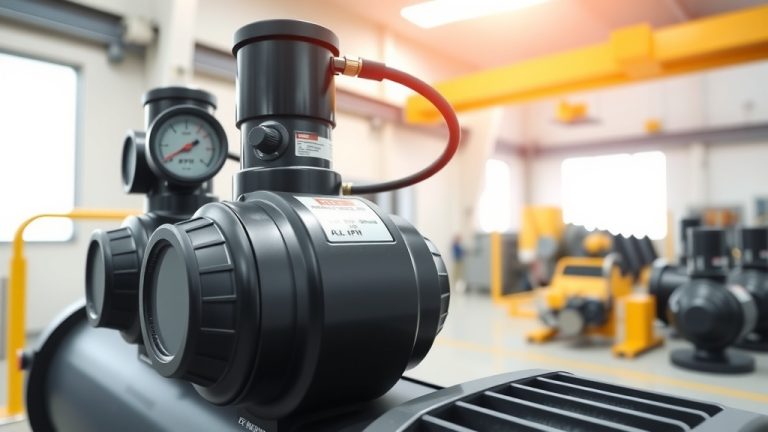
What Is A Dual Stage Air Compressor?
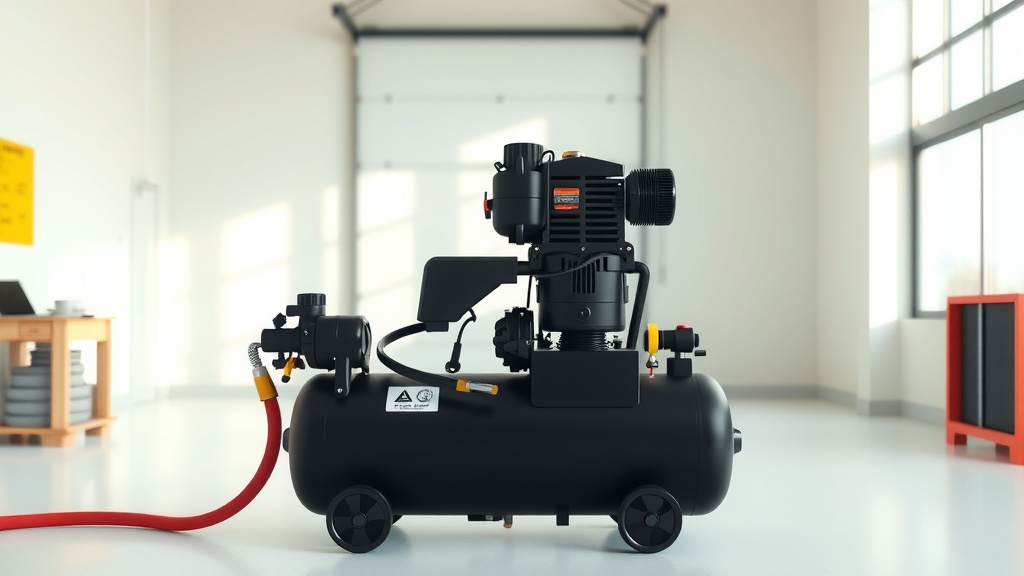
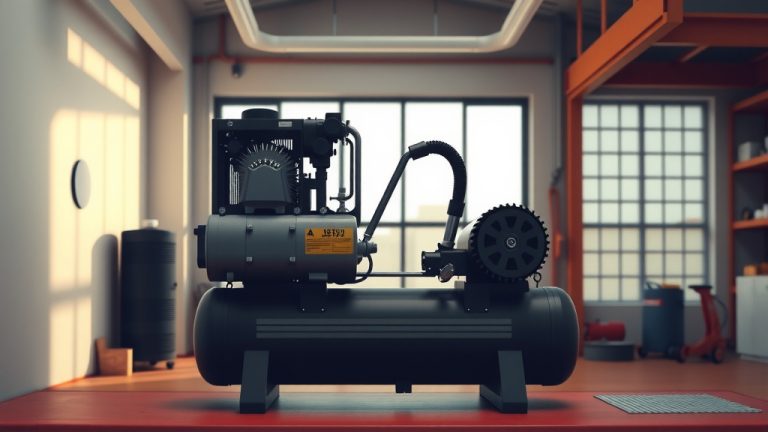
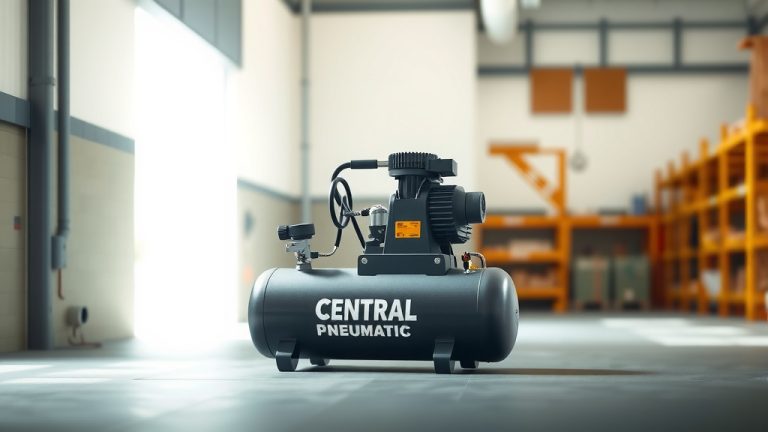
A dual stage air compressor uses two cylinders to compress air in two distinct steps, achieving higher pressures and greater efficiency than single-stage models.
This type of compressor is ideal for demanding applications that require a steady, powerful air supply, like automotive shops or heavy industrial settings.
Here’s a quick overview of what a dual stage air compressor offers:
- Compresses air twice for significantly higher pressure output.
- More efficient and powerful than standard single-stage models.
- Perfect for heavy-duty tools and continuous, professional use.
- Often found in auto repair shops, manufacturing plants, and serious workshops.
- Offers enhanced durability and performance for the toughest jobs.
What Is A Dual Stage Air Compressor?
A dual stage air compressor compresses air through two distinct cylinders in a sequence, delivering significantly higher pressure and greater efficiency for demanding tasks.
Imagine your air compressor as a strong heart for your tools. A standard, single-stage heart beats once to push air out. A dual stage compressor, however, takes two powerful beats. This extra step is where the magic happens, giving you more pressure and a smoother operation.
How Does a Dual Stage Air Compressor Work?
Understanding how a dual stage compressor works isn’t as complex as it sounds. It simply means the air goes through two separate compression cycles, each one boosting the pressure further.
The First Stage: Initial Compression
When the compressor starts, ambient air enters the first, larger cylinder. Here, a piston moves to compress the air to an intermediate pressure level. Think of it as a warm-up phase, getting the air ready for its main event.
This initial compression isn’t the final pressure you need for your tools. We found that the air gets moderately squished in this first step (research often points to this initial pressure as around 30-70 PSI, depending on the model).
The Second Stage: Boosting Pressure
After the first stage, this partially compressed air then travels to a smaller, second cylinder. In this cylinder, another piston compresses the air even further, reaching a much higher final pressure. This two-step process is crucial for its performance.
This second compression heats the air, but the benefit is a significantly higher output pressure, often 175 PSI or more. This higher pressure is what allows you to tackle the really tough jobs effectively.
Why Two Stages Matter for Pressure
Why bother with two stages? It’s all about efficiency and reaching higher pressures safely. Compressing air in two steps helps reduce the strain on the compressor’s motor and components. Many experts say this process also helps to dissipate heat better than trying to achieve maximum pressure in one go (Purdue University research confirms this principle).
Comparing Dual Stage vs. Single Stage Air Compressors
You might be wondering if a single stage unit could do the trick. While single stage compressors are great for many tasks, a dual stage offers some clear advantages when your work demands more.
Efficiency and Power Output
Dual stage compressors are generally more efficient at producing high pressure air. They run cooler and can maintain a consistent pressure for longer periods. This means your tools get a steady supply of power without the compressor constantly struggling or cycling rapidly.
With a dual stage unit, you’ll notice a significant difference in how effortlessly it powers tools like impact wrenches, grinders, and sandblasters. We found that the consistent high PSI delivery is a game-changer for these demanding applications.
Durability and Lifespan
Because the work is split between two cylinders, the components of a dual stage compressor experience less stress. This often translates to a longer lifespan and greater reliability. It’s like having two runners share a marathon instead of one trying to sprint the whole way.
Many manufacturers design these compressors for continuous duty cycles, which means they can run for longer periods without overheating or wearing out prematurely. This makes them a smart investment for businesses.
Heat Management and Cooling
Compressing air generates heat. In a single stage compressor, all that heat builds up in one area. Dual stage units typically include an intercooler between the first and second stages, which cools the air. This makes the second compression even more efficient.
Cooler running means less wear and tear on the internal parts and less moisture in the compressed air. This is a big plus for both the compressor’s longevity and the performance of your air tools.
| Feature | Single Stage Compressor | Dual Stage Compressor |
|---|---|---|
| Pressure (PSI) | Lower (typically 90-125 PSI) | Higher (often 175+ PSI) |
| Efficiency | Less efficient for continuous high PSI | More efficient, runs cooler |
| Applications | Light tasks (nail guns, small tools) | Heavy-duty (impact wrenches, sandblasting) |
| Cost | Generally lower initial cost | Higher initial cost, better long-term value |
| Lifespan | Shorter under heavy use | Longer, more durable design |
Who Needs a Dual Stage Air Compressor?
So, is a dual stage compressor overkill for your garage? Not necessarily. It truly depends on the kind of work you do and the tools you use most often.
Professional Workshops and Garages
If you run an automotive repair shop, a fabrication business, or any workshop where air tools are constantly in use, a dual stage compressor is almost a necessity. They provide the consistent, high-pressure air needed for everything from tire inflation to painting and cutting metal.
The ability to run multiple air tools at once without a dip in performance is why professionals choose these robust machines. We found that most commercial operations rely heavily on their durability and output.
Industrial Applications
Manufacturing plants, assembly lines, and large construction sites often feature dual stage air compressors. They power heavy machinery, pneumatic systems, and can even be part of complex industrial processes. Their reliability in harsh conditions is unmatched.
In these environments, downtime due to compressor failure is costly. Investing in a durable dual stage unit saves time and money over the long haul (Industrial Safety & Hygiene News often highlights this).
Heavy-Duty DIY Projects
Are you a serious DIY enthusiast who tackles everything from car restoration to extensive woodworking? If your projects demand continuous use of high-CFM tools like grinders, spray guns, or sandblasters, a dual stage compressor might be your best friend. It gives you the power to work without waiting.
While the initial cost is higher, the frustration saved from underpowered tools and constant recovery times is well worth it for dedicated hobbyists. It truly makes a difference in project completion.
What to Look for When Buying a Dual Stage Compressor
Choosing the right dual stage air compressor can feel like a big decision. Here are some key factors to keep in mind to help you find your perfect match:
Horsepower (HP) and Cubic Feet per Minute (CFM)
Don’t just chase the highest HP number. CFM, which measures how much air the compressor delivers at a given PSI, is often more important for powering your tools effectively. Always check the CFM rating at the PSI your tools require (usually 90 PSI).
If your tools need 10 CFM at 90 PSI, make sure your compressor delivers at least 12-15 CFM to allow for continuous operation and some reserve capacity. More CFM means less waiting for pressure to build.
Tank Size and Recovery Time
A larger tank allows you to store more compressed air, meaning the compressor doesn’t have to cycle on as often. This is great for intermittent use or when you need a burst of high-pressure air. However, a larger tank also takes longer to fill initially.
Consider the balance between tank size and the compressor’s recovery time – how quickly it refills the tank after use. A good balance keeps your workflow smooth and uninterrupted.
Pump Material and Build Quality
Look for pumps made from durable materials like cast iron, which are known for their longevity and heat dissipation. The overall construction of the compressor, including the motor and electrical components, speaks volumes about its reliability.
A well-built unit might cost more upfront, but it often saves you money on maintenance and replacement in the long run. Quality construction helps ensure your investment lasts for years to come.
Is a Dual Stage Compressor Right for Your Needs?
Deciding if a dual stage air compressor is right for you boils down to your specific needs. Are you constantly battling low pressure with your current setup? Do your projects demand continuous, heavy-duty air tool usage?
Here’s a quick checklist to help you decide:
- Do your tools require high PSI (100+ PSI) for optimal performance?
- Do you use air tools for extended periods, almost continuously?
- Are you looking for a compressor with a longer lifespan and greater durability?
- Will you be powering multiple air tools at the same time?
- Is consistent and reliable airflow critical for your work or business?
If you answered “yes” to most of these questions, then a dual stage air compressor is likely a wise investment. It will provide the power, efficiency, and reliability you need to get the job done right.
Conclusion
A dual stage air compressor truly steps up your air power game. By compressing air in two distinct steps, it delivers higher pressure, greater efficiency, and impressive durability compared to its single-stage counterparts. While the initial investment might be higher, the benefits in performance, longevity, and consistent power for demanding tasks make it an excellent choice for serious professionals and dedicated enthusiasts alike.
Choosing a dual stage compressor means investing in reliable, uninterrupted power for your most challenging projects, giving you the confidence that your tools will always perform at their best. It’s about empowering your work with the right kind of muscle.
What are the main advantages of a dual stage air compressor over a single stage?
The primary advantages include significantly higher pressure output (often 175+ PSI), greater energy efficiency for continuous use, reduced heat buildup due to the two-step compression and intercooling, and a longer overall lifespan because components experience less stress.
Can a dual stage air compressor run all standard air tools?
Yes, a dual stage air compressor can run all standard air tools, and it will often do so with greater efficiency and less recovery time than a single stage unit. It excels with high-CFM tools like grinders, sandblasters, and paint sprayers that demand consistent high pressure.
Are dual stage air compressors louder than single stage models?
Not necessarily. While they are more powerful, the noise level depends heavily on the specific model, motor type, and enclosure. Many modern dual stage compressors are designed with noise reduction features, and some can even be quieter than budget single stage units.
How much maintenance does a dual stage air compressor require?
Like all air compressors, dual stage units require regular maintenance, including checking and changing the oil (if it’s an oil-lubricated model), draining the air tank to prevent rust, inspecting air filters, and checking belts. Due to their robust design, some components might last longer, but routine checks are still crucial for optimal performance and longevity.
Is a dual stage air compressor suitable for home garage use?
It depends on your usage. If you only use air tools occasionally for light tasks, a single stage might be sufficient. However, if your home garage projects are heavy-duty, involve continuous use of high-demand tools, or you simply want the best performance and durability, a dual stage compressor is an excellent and worthwhile investment.