What Is A Duplex Air Compressor?
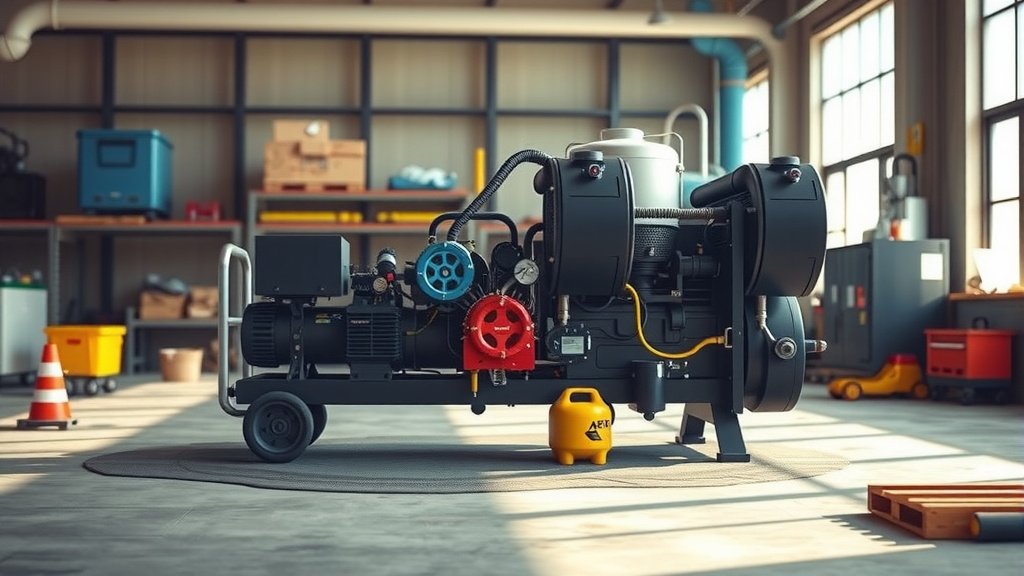
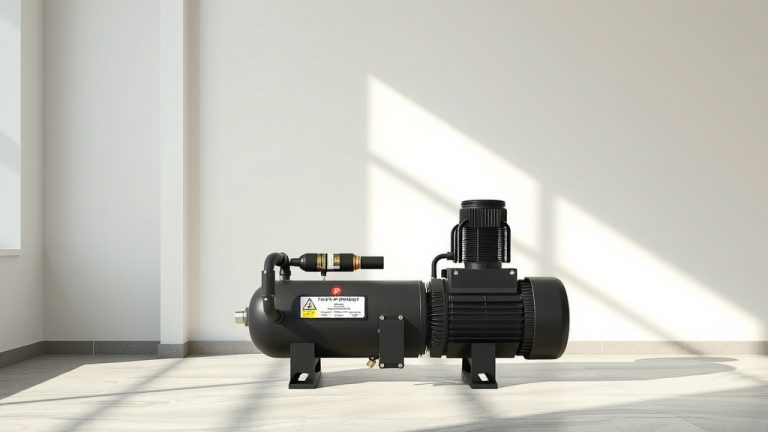
A duplex air compressor features two separate compressor pumps and motors sharing a single air receiver tank, working in tandem or alternating roles.
This setup provides increased reliability and efficiency by allowing the system to handle varying air demands or offer redundancy if one unit requires service.
- A duplex air compressor means two pumps work with one tank.
- It offers better reliability, as one can run if the other stops.
- You get improved efficiency for different air needs throughout the day.
- It helps extend the overall lifespan of your compressor system.
- This setup is perfect for businesses that need constant, reliable air.
What Is A Duplex Air Compressor?
A duplex air compressor combines two distinct air pump units and motors that share one large air storage tank. This clever design allows them to operate together for high demand or individually to optimize performance.
Understanding Compressor Basics
Imagine a regular air compressor; it has one pump that pushes air into a tank. When the pressure drops, the single pump turns on, fills the tank, and then shuts off. It is a straightforward system.
This works well for many small tasks. But what happens if you need more air, or if your single pump suddenly breaks down? That is where the limitations appear.
The Duplex Advantage: Two Heads Are Better
Now, picture a duplex system. Instead of one pump, you have two, like having a backup or a helping hand. They work together or take turns to keep your air supply steady and strong.
This setup brings a lot more flexibility. You get peace of mind knowing your operation will not stop just because one component needs a break.
How Duplex Systems Operate
A smart control system manages both compressor pumps. When air demand is low, only one pump might run to maintain pressure. As your air needs grow, the second pump kicks in automatically.
Many systems also alternate which compressor starts first, ensuring even wear. This intelligent management helps conserve energy and reduces stress on either unit.
Why Choose a Duplex Air Compressor?
You might be asking, “Why go through the trouble of two compressors?” The reasons often boil down to performance, peace of mind, and long-term savings. It is about keeping your operations smooth and predictable.
Increased Reliability and Uptime
Think of it like having two engines in a boat. If one engine has an issue, the other can still get you where you need to go. With a duplex compressor, if one pump needs maintenance or fails, the other takes over.
This means your production line or workshop can keep running. We found that this redundancy is **critically important for businesses** where downtime is very costly (NIOSH).
Better Efficiency for Varying Demands
Do your air tools run all day, every day, at full capacity? Probably not. Air demands often fluctuate. A duplex system can run just one pump during light use, using less electricity.
When demand spikes, the second pump engages. This avoids overworking a single unit and ensures you are only using the power you need, which can **reduce your energy bills** over time.
Extending Compressor Lifespan
When you have two units sharing the workload, neither one works as hard as a single unit would. This reduces wear and tear on each compressor’s internal parts. Less stress often means a longer life for the equipment.
By alternating their use, both pumps get a rest, leading to **fewer breakdowns and longer service intervals**. This approach helps spread the workload evenly.
Common Applications for Duplex Air Compressors
Where do these reliable air powerhouses shine? Duplex compressors are often found in places where a consistent, uninterrupted air supply is essential. They are the silent heroes behind many critical operations.
- Hospitals and Medical Clinics: For dental tools, laboratory equipment, and other vital pneumatic systems.
- Automotive Service Shops: Powering lifts, impact wrenches, paint guns, and tire changers without interruption.
- Manufacturing Facilities: Supplying air for assembly lines, packaging machinery, and automated tools.
- Food and Beverage Processing: Ensuring clean, consistent air for processing and packaging where purity is key.
- Woodworking Shops: Powering pneumatic nailers, sanders, and other tools for continuous work.
Duplex vs. Single Compressor: A Quick Comparison
Let us look at how a duplex system stacks up against a traditional single compressor. This table highlights some key differences to help you see the bigger picture.
| Feature | Single Air Compressor | Duplex Air Compressor |
|---|---|---|
| Reliability | Lower; single point of failure. | Higher; built-in redundancy. |
| Efficiency for Varying Loads | Less optimal; runs full or off. | Better; runs one or two units as needed. |
| Initial Cost | Generally lower. | Typically higher. |
| Maintenance Needs | Can be higher per unit due to more constant stress. | Distributed, potentially lower per unit over time. |
| Footprint | Smaller. | Larger due to two pumps. |
Are Duplex Compressors Right for Your Needs?
Deciding if a duplex system is ideal for you means looking at your specific situation. Consider these points to guide your choice:
- Do you require an absolutely constant air supply? If downtime means lost money or critical service interruption, duplex is often a strong choice.
- Are your air demands unpredictable or highly varied? A duplex system adjusts well to both light and heavy use.
- Is energy efficiency a major concern for your operation? The ability to run only one pump when possible can lead to savings.
- Do you plan for future growth that might increase air demand? A duplex system offers more room to grow without completely replacing equipment.
- Is the initial investment manageable within your budget? While higher upfront, long-term operational savings often offset this.
Important Considerations Before Buying
Before you commit, think about the size of the air tank and the combined horsepower of the pumps. You need to match the compressor’s output to your actual air demand (CFM requirements).
Also, consider the noise level; two pumps can be louder than one. Installation space is important as well, as duplex units tend to be larger.
Conclusion
A duplex air compressor offers a robust and flexible solution for many businesses and demanding applications. You gain significant advantages in reliability, efficiency, and equipment longevity.
By providing a consistent air supply and a built-in backup, these systems help you avoid costly interruptions. Understanding your specific air needs will guide you toward making the best decision for your operation.
How do duplex compressors manage pressure?
Duplex compressors use pressure switches and a control system to monitor the air tank’s pressure. When it drops to a set minimum, one compressor starts. If demand is high and pressure continues to fall, the second compressor will also engage. They shut off sequentially as the pressure reaches its maximum set point.
Can I convert a single compressor to a duplex system?
Converting a single compressor to a duplex system is generally not practical or recommended. It would involve adding a second compressor pump, motor, and complex control system to an existing tank, which is usually not designed for it. Buying a purpose-built duplex unit is almost always more efficient and safer.
What maintenance is needed for a duplex compressor?
Maintenance for a duplex compressor involves regular oil changes, air filter replacements, checking belt tension (if applicable), and draining moisture from the tank. Since there are two pumps, you will need to perform these tasks for both units, often on an alternating schedule to spread the work and ensure continuous operation.
Are duplex air compressors louder than single units?
Yes, duplex air compressors can be louder than single units, especially when both pumps are running simultaneously. While individual pumps might be similar in noise level to a single compressor, having two operating at once can increase the overall sound. Some modern designs focus on noise reduction, but it is a factor to consider for installation location.
What’s the typical cost difference for a duplex system?
A duplex air compressor system typically costs more upfront than a single compressor of comparable tank size or CFM output. You are essentially buying two compressor heads, two motors, and a more sophisticated control system. However, the long-term savings from improved efficiency, reduced downtime, and extended equipment life often offset the initial higher price.