What Is A Good Air Compressor For Home Use?
A good air compressor for home use is typically a smaller, quieter model that offers sufficient CFM and PSI for common DIY tasks, without needing a huge tank. You’ll generally want a unit that balances power for your projects with manageable size and noise levels, making it a versatile tool for your garage or workshop.
For most homeowners, a portable electric air compressor in the 2-6 gallon range, delivering around 2-4 CFM at 90 PSI, offers an excellent balance of power and convenience for various household jobs.
- Your ideal home air compressor needs a balanced CFM and PSI for tasks.
- Look for a tank size of 2-6 gallons for general home use.
- Electric models are often the best choice for indoor convenience.
- Prioritize models with a lower decibel rating for quieter operation.
- Consider a portable unit with wheels or a handle for easy movement.
What Is A Good Air Compressor For Home Use?
A good air compressor for home use helps you tackle many projects with ease. It saves you time and effort on various household repairs and hobby work.
Why Do You Even Need One?
Imagine quickly inflating tires, cleaning your workbench, or using power tools. An air compressor makes these jobs simple. It brings a new level of utility to your home.
Key Factors to Consider
Choosing the right compressor involves looking at a few key features. Understanding these will help you pick the perfect match. Think about your projects and what power they require.
CFM and PSI: Your Power Duo
These two terms are important for compressor performance. They tell you how much air the compressor can deliver and at what pressure. Matching them to your tools is key.
CFM Explained
CFM means Cubic Feet per Minute. This tells you the volume of air your compressor produces. Tools like paint sprayers or grinders need higher CFM to work continuously (Occupational Safety and Health Administration).
PSI Explained
PSI stands for Pounds per Square Inch. This is the air pressure level. Most air tools require a specific PSI. You need enough pressure to operate your tools effectively.
Tank Size: Small or Mighty?
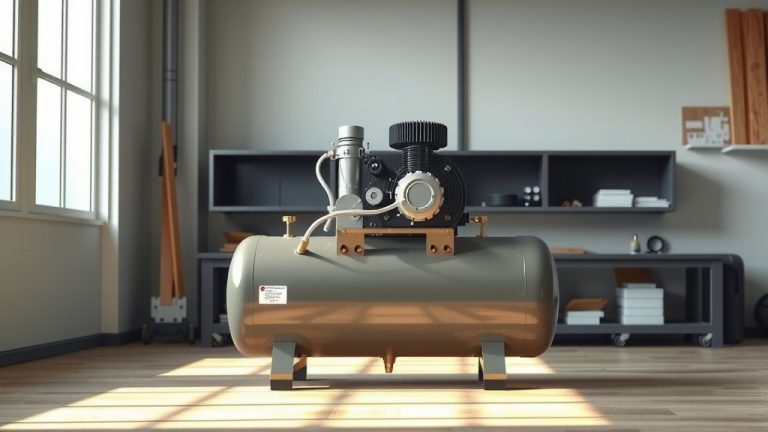
The tank stores compressed air. A bigger tank holds more air, letting the compressor run less often. For home tasks, a smaller tank often works best.
For intermittent tasks, a 2-6 gallon tank is great. If you use air tools for longer, a 10-20 gallon tank offers more reserve. We found that most home users are happy with mid-range tanks.
Power Source: Electric or Gas?
Most home users choose electric air compressors. They are cleaner and quieter. Gas models offer more power and portability but produce fumes. Many experts suggest electric for indoor work.
Noise Level: Keep the Peace
Compressors can be noisy, which is a common complaint. Look for models labeled as “quiet” or with a lower decibel (dB) rating. Anything below 70 dB is considered good for home use.
Portability: Move It Around
Will you move your compressor often? A unit with wheels and a handle is a wise choice. Small, lightweight pancake or hot dog models are easy to transport. Heavy-duty units are usually stationary.
Types of Air Compressors for Home
There are a few common designs you’ll see. Each has benefits for different home setups. Knowing the types helps you narrow down your search.
Pancake Compressors
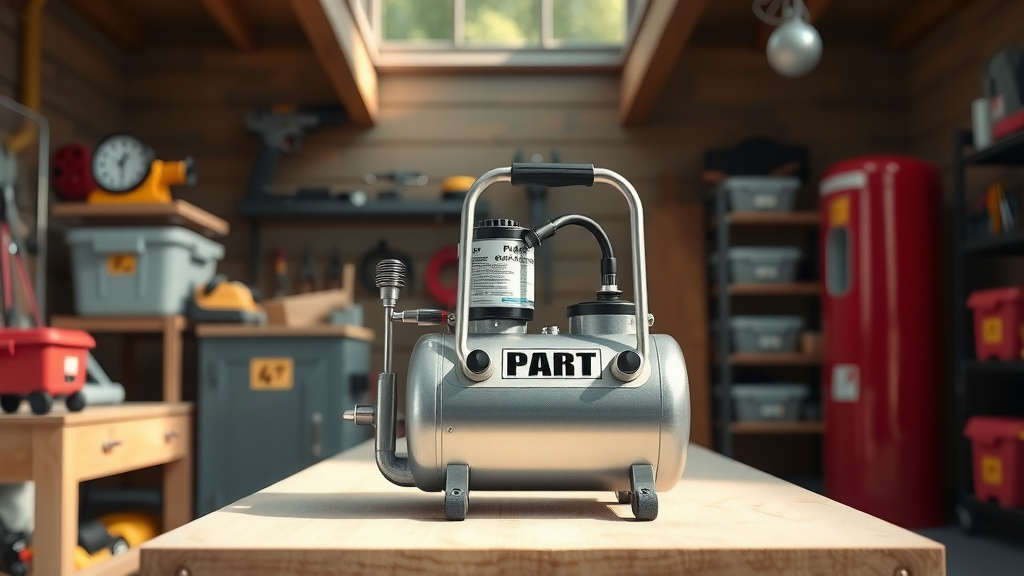
These are popular for their compact design and stability. They are great for light tasks like brad nailing or inflating. Their shape makes them resistant to tipping over.
Hot Dog Compressors
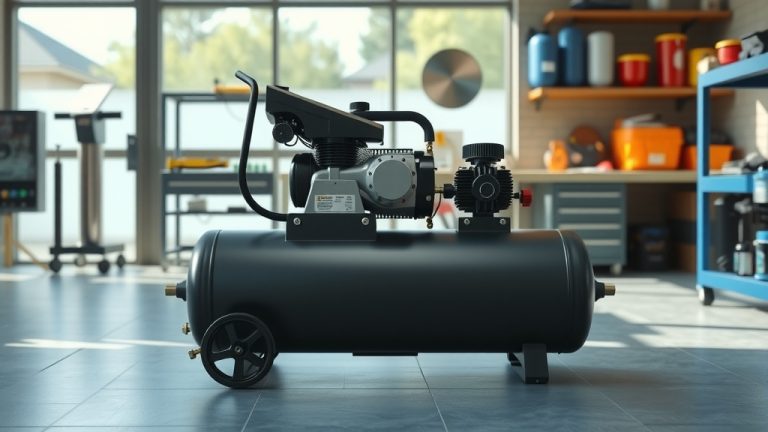
Shaped like a hot dog, these compressors are also very portable. They usually have a slightly larger tank than pancake models. You might find them useful for medium-duty tasks.
Twin-Stack Compressors
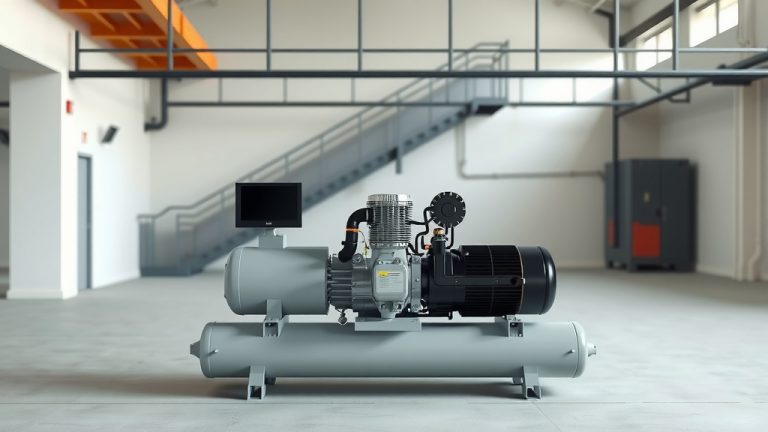
Twin-stack units have two horizontal tanks. They offer more air storage and faster recovery. This makes them suitable for tools that need a consistent air supply. Many researchers find these versatile for workshops.
Quiet Compressors
Some brands specialize in making compressors much quieter. They use different pump designs to reduce noise. These are a dream for anyone working in a garage near neighbors or indoors.
Matching the Compressor to Your Projects
Your list of projects helps determine the best compressor. Are you inflating balloons, building furniture, or painting a fence? Let’s consider common scenarios.
Light DIY Tasks
For inflating car tires, sports equipment, or blowing dust, a small pancake or hot dog compressor is perfect. They are affordable and easy to store. You will not need a lot of CFM or tank capacity.
Medium Projects
If you’re using nail guns, staplers, or smaller air wrenches, you’ll need more power. A 6-gallon or 10-gallon unit with around 2-4 CFM at 90 PSI should fit the bill. Many users find this size ideal for home renovations.
Heavy-Duty Jobs
For prolonged use of impact wrenches, sanders, or paint sprayers, consider a larger twin-stack or vertical tank compressor. Look for higher CFM (4+ at 90 PSI) and bigger tanks. Research often connects higher CFM with demanding tasks (Industrial Equipment News).
Checklist for Buying Your Home Compressor
- Match CFM and PSI to your most demanding tool.
- Choose a tank size that fits your typical project duration.
- Opt for an electric model for indoor, cleaner use.
- Prioritize a low dB rating for comfortable operation.
- Ensure it has good portability for your space.
- Read reviews about reliability and warranty.
Maintaining Your Air Compressor
Keeping your compressor in good shape ensures a longer life. Regularly drain condensed water from the tank. This prevents rust inside. Check the air filter and replace it when needed.
Many guidelines point to oil changes for oil-lubricated models. Always follow your manufacturer’s specific maintenance instructions (Consumer Reports).
| Home Task | Recommended CFM (at 90 PSI) | Ideal Tank Size |
|---|---|---|
| Inflating Tires, Sports Balls | 1-2 CFM | 2-4 Gallons |
| Brad Nailing, Stapling | 2-3 CFM | 4-6 Gallons |
| Impact Wrench (Light Use) | 3-5 CFM | 6-10 Gallons |
| General Cleaning, Air Blasting | 2-4 CFM | 4-8 Gallons |
| Paint Spraying (HVLP) | 5-8 CFM | 20+ Gallons |
Conclusion
Finding a good air compressor for home use means thinking about your specific needs. You want a tool that matches your tasks. Consider CFM, PSI, tank size, and noise level for the best fit.
Whether it’s a small, quiet unit for quick fixes or a larger model for serious DIY, the right compressor can become a true helper. Choose wisely, and enjoy the convenience it brings to your home projects.
Is an oil-free or oil-lubricated compressor better for home use?
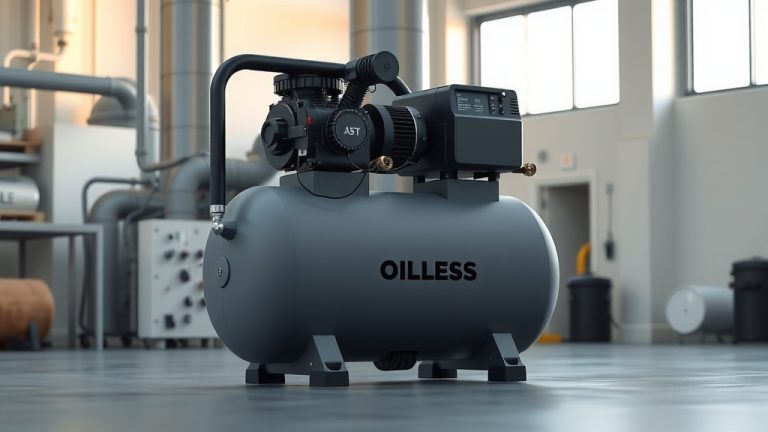
For most home users, an oil-free compressor is often better. They require less maintenance because you do not need to check or change the oil. They are also typically lighter and create less messy air, which is a plus for painting. Oil-lubricated models tend to be more durable and quieter but need regular oil changes.
How important is the motor horsepower (HP) for a home air compressor?
While horsepower is a factor, it is less important than CFM for most air tool performance. A higher HP motor usually means more CFM, but focus on the CFM rating first. This tells you how much air volume the compressor can actually deliver to your tools, which is what truly powers them.
Can I use a small air compressor to run an impact wrench?
You can use a small air compressor for an impact wrench, but typically only for light, intermittent tasks like changing a single tire. Impact wrenches are air-hungry. For sustained use, you need a compressor with a higher CFM rating (around 4-5 CFM at 90 PSI) and a larger tank to keep up with the demand.
What safety precautions should I take when using a home air compressor?
Always wear safety glasses to protect your eyes from flying debris. Never point the air nozzle at yourself or others. Ensure you have proper ventilation, especially when using gas compressors. Also, always drain the tank after each use to prevent rust and maintain tank integrity (Consumer Product Safety Commission).
Do all air compressors come with air hoses and attachments?
Not all air compressors come with hoses and attachments. While many entry-level or kit compressors might include a basic hose and a few nozzles, higher-end units often sell these separately. It is wise to check the product description carefully to see what is included. This lets you choose specialized accessories if needed.