What Is A Rotary Screw Air Compressor?
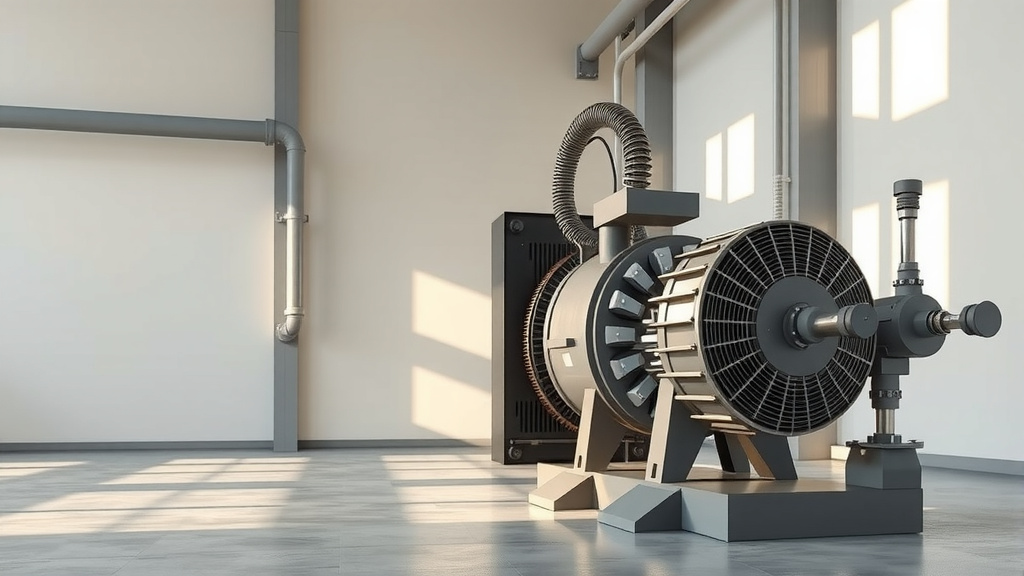
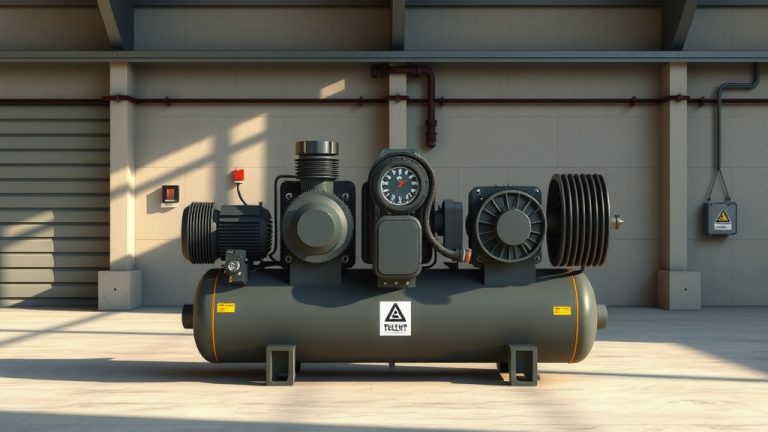
A rotary screw air compressor is a type of positive displacement compressor that uses two meshing helical screws to trap and compress air continuously. This design makes them highly efficient for applications needing a constant, reliable supply of compressed air.
You’ll often find these compressors powering tools and processes in industrial settings, known for their durable operation and significant energy savings compared to other compressor types.
Here’s a quick summary of what we’ll cover:
- Rotary screw compressors use rotating screws for constant air power.
- They are highly efficient, saving you money on electricity.
- Perfect for businesses needing a steady flow of compressed air.
- Available in different types, like fixed or variable speed, to match your needs.
- They offer quieter operation and longer lifespans than many alternatives.
What Is A Rotary Screw Air Compressor?
A rotary screw air compressor is a powerhouse for businesses that demand a steady and reliable supply of compressed air. Unlike older piston models, it compresses air continuously, making it a workhorse for many industries.
We found that this continuous action means less wear and tear, leading to longer service life and more consistent performance for your operations.
How Does A Rotary Screw Compressor Work?
Imagine two large, helical screws, like giant corkscrews, turning inside a chamber. As these rotors rotate, they draw in air at one end. This process traps the air between the screws, progressively reducing its volume and thus increasing its pressure significantly.
This simple yet clever design provides a smooth, pulsation-free flow of air, which is ideal for sensitive equipment and precise industrial processes.
The Role of Rotors
The core of a rotary screw compressor lies in its rotors – a male rotor and a female rotor. They are precisely engineered to mesh together, creating sealed pockets where air becomes trapped. This exact fitting is what allows for effective air compression.
Many experts emphasize that the careful design of these rotors directly impacts the compressor’s efficiency and how much air it can move, making them a critical piece of technology.
Key Components You’ll Find
Beyond the rotors, several other parts work together to make the system hum. You’ll typically see an air intake filter, a motor that drives the screws, and an oil separator for oil-injected models. Each part plays a vital role in delivering clean, compressed air.
We found that components like the air cooler and aftercooler also help regulate temperature, ensuring the air is at the right condition before it reaches your tools, protecting your equipment from excessive heat.
Why Choose A Rotary Screw Compressor?
So, why might a rotary screw compressor be the best fit for your business? Simply put, they are built for continuous use and high demand. If your operations run all day, every day, you need a compressor that can keep up without failing.
Many industrial guidelines point to these compressors for their ability to handle tough jobs, offering both durability and consistent output (Compressed Air and Gas Institute).
Fixed Speed vs. Variable Speed Drive (VSD)
When you’re looking at rotary screw compressors, you’ll encounter two main types: fixed speed and variable speed drive (VSD). Each has its own strengths, depending on your specific needs and usage patterns.
Understanding the difference can help you make a smart investment and save on energy costs over time.
When Fixed Speed Makes Sense
A fixed speed compressor runs at a constant motor speed, always producing its maximum air output. This is a great choice if your demand for compressed air is consistently high, near 100% capacity. It’s often a more straightforward and less expensive initial purchase.
However, if your air demand fluctuates, a fixed speed unit will cycle on and off, or vent excess air, potentially leading to wasted energy and higher bills.
The Power of VSD Technology
Variable Speed Drive (VSD) compressors are incredibly smart. They adjust their motor speed to match your exact air demand at any given moment. This means they only use the energy needed, which can lead to significant energy savings.
Research often connects VSD technology with reduced operating costs, especially for businesses with varying air needs throughout the day, making them a popular choice for efficiency (U.S. Department of Energy).
Oil-Injected vs. Oil-Free Options
Another important distinction is between oil-injected and oil-free rotary screw compressors. The choice here largely depends on the purity requirements for your compressed air. Both offer distinct benefits for different industrial applications.
Consider your industry and the final use of the compressed air to determine which type will best suit your operations.
Let’s look at how they stack up:
| Feature | Oil-Injected Rotary Screw | Oil-Free Rotary Screw |
|---|---|---|
| Operation | Oil lubricates rotors, seals, and cools the air. | No oil in the compression chamber; often uses coated rotors. |
| Air Quality | Requires filtration to remove oil aerosols. | Provides 100% oil-free air, highest purity. |
| Cost (Initial) | Generally lower initial investment. | Higher initial investment due to specialized design. |
| Maintenance | Regular oil and filter changes needed. | Less frequent oil changes (only in gearbox if present). |
| Applications | General manufacturing, automotive, workshops. | Food & beverage, pharmaceuticals, medical, electronics. |
Where Are Rotary Screw Compressors Used?
Walk into almost any large industrial facility, and you’re likely to see a rotary screw compressor doing its job. Their reliability and continuous air supply make them indispensable across a wide range of applications. They are truly the backbone of many operations.
From powering assembly lines to operating sophisticated machinery, these compressors are designed to meet diverse and often demanding compressed air requirements. We found they offer flexible solutions for businesses big and small.
Industries That Rely on Them
Think about the automotive industry, where paint shops and assembly tools need constant, clean air. Or the food and beverage sector, where hygienic, oil-free air is critical for processing and packaging. These are just a couple of examples where rotary screw compressors shine, providing dependable air power.
Other heavy users include textiles, general manufacturing, petrochemicals, and even large construction sites. Their adaptability makes them a go-to choice for various sectors.
What Are The Main Benefits?
Choosing a rotary screw air compressor brings a host of advantages that can directly impact your bottom line and operational efficiency. You’re not just buying a machine; you’re investing in a solution for continuous productivity.
Let’s explore some of the key reasons why these compressors are so highly valued by businesses worldwide. We believe these benefits speak for themselves, offering real value to users.
Continuous, Reliable Airflow
One of the biggest advantages is the constant supply of air. Unlike reciprocating compressors that can sometimes have pulsating air, rotary screws deliver a smooth, steady stream. This is perfect for tools and processes that require an uninterrupted air supply.
This consistent flow helps to maintain peak performance for your pneumatic tools and machinery, preventing dips in pressure that could affect your productivity. It helps you keep things running without a hitch.
Energy Efficiency You Can Trust
Especially with VSD models, rotary screw compressors are incredibly energy efficient. They are designed to operate effectively under full load and adjust to varying demands, minimizing wasted electricity. This means lower utility bills and a greener footprint for your business.
Many experts say that investing in an efficient air compressor is one of the quickest ways to realize significant long-term savings on operational costs. It’s a smart move for sustainable business practices.
Quieter Operation for Your Space
Nobody likes a noisy workspace, right? Rotary screw compressors are generally much quieter than piston compressors, making them more comfortable for employees and potentially allowing for installation closer to the point of use. This can lead to a better working environment.
The smooth rotational motion, compared to the stop-start of a piston, significantly reduces noise levels. Your team will appreciate the difference, leading to improved comfort and focus.
Maintaining Your Rotary Screw Compressor
Like any valuable piece of machinery, a rotary screw compressor benefits from regular care. Proper maintenance ensures its longevity and keeps it running at peak efficiency, protecting your investment. A little attention now can save you big headaches later.
Ignoring maintenance can lead to costly breakdowns and reduced lifespan, so consider it a vital part of your operational routine. It’s all about keeping your air supply reliable and ready.
Essential Maintenance Tips
- Regularly check and replace air filters to ensure clean air intake.
- Monitor oil levels and schedule timely oil changes for lubrication (oil-injected models).
- Inspect drive belts for wear and proper tension.
- Clean external surfaces and coolers to prevent overheating.
- Schedule professional service for internal checks and adjustments.
Choosing The Right Rotary Screw Compressor
Selecting the perfect rotary screw compressor might feel daunting with all the options available. But by considering your specific needs, you can narrow down the choices and find a machine that truly fits. It’s about finding the best match for your application.
We found that thinking about your air demand, purity requirements, and budget will guide you towards a compressor that provides reliable service for years to come. Don’t rush the decision; take your time to evaluate all the factors.
Checklist for Your Purchase
- What is your peak compressed air demand (CFM/m³/hr)?
- Is your air demand constant, or does it fluctuate? (Fixed vs. VSD)
- Do you need oil-free air for your application?
- What is your budget for initial purchase and long-term operating costs?
- What are the available power supply and space requirements?
- How important is noise level in your operating environment?
Conclusion
Rotary screw air compressors are a cornerstone of modern industrial operations, offering a blend of efficiency, reliability, and continuous air supply. They represent a smart investment for businesses that depend on consistent pneumatic power. By understanding their workings and types, you can choose a compressor that perfectly aligns with your operational demands, ensuring your tools and processes run smoothly.
Remember, the right compressor can significantly impact your productivity and bottom line. Choose wisely, maintain diligently, and enjoy the robust performance these machines deliver.
What is the typical lifespan of a rotary screw air compressor?
With proper maintenance and regular servicing, a well-built rotary screw air compressor can easily last 10 to 15 years, and sometimes even longer. Factors like operating conditions and usage intensity also play a role in its overall lifespan.
Are rotary screw compressors more expensive to run than piston compressors?
While the initial purchase cost of a rotary screw compressor might be higher than a piston model, their superior energy efficiency, especially VSD versions, often leads to lower operating costs over the long term. They use electricity more effectively for continuous operation.
Can a rotary screw compressor be used for home workshops?
Generally, rotary screw compressors are overkill and too expensive for typical home workshop use. They are designed for continuous, high-volume industrial applications. Smaller, less powerful piston compressors are usually more suitable and cost-effective for home garages.
What is the difference between air-cooled and water-cooled rotary screw compressors?
Air-cooled compressors use ambient air to dissipate heat from the compression process, typically with fans. Water-cooled compressors use a continuous flow of water through a heat exchanger for cooling. Water-cooled units are often more efficient for very large compressors or in hot, dusty environments.
How important is the air quality for my compressed air application?
Air quality is extremely important and depends entirely on your application. For sensitive uses like food processing, pharmaceuticals, or medical devices, 100% oil-free and dry air is critical. For general workshops, less stringent air quality might be acceptable, but proper filtration is always recommended to protect tools and products.