What Is A Single Phase Air Compressor?
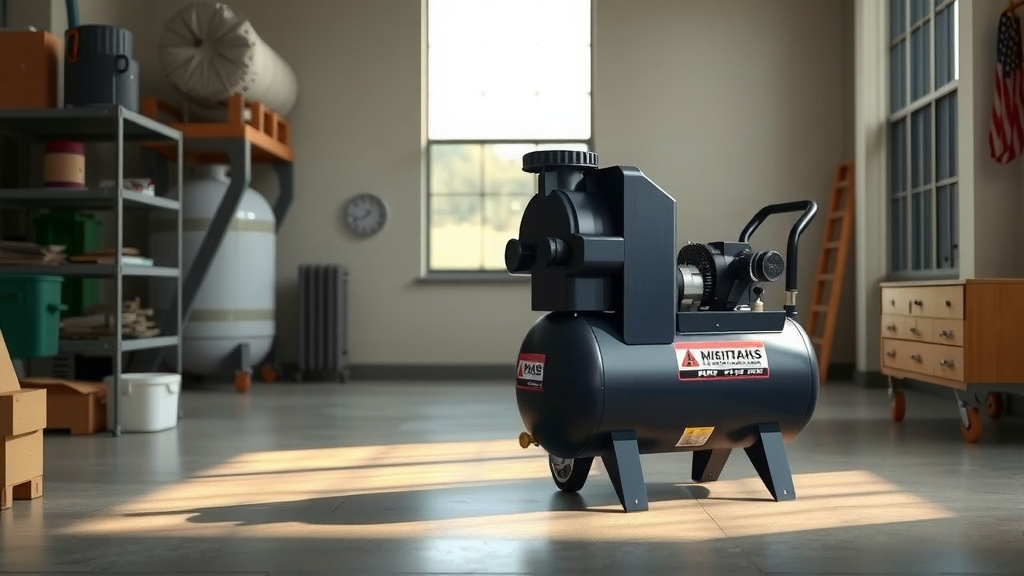
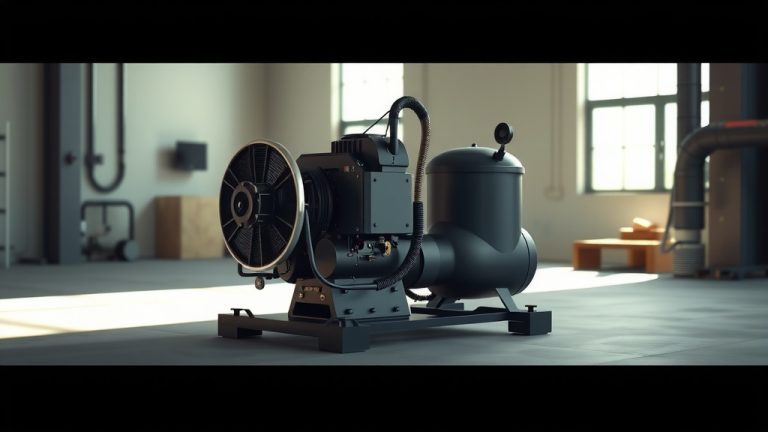
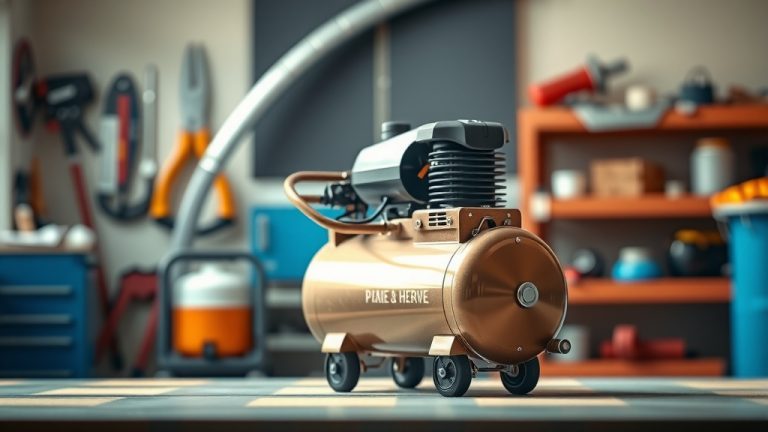
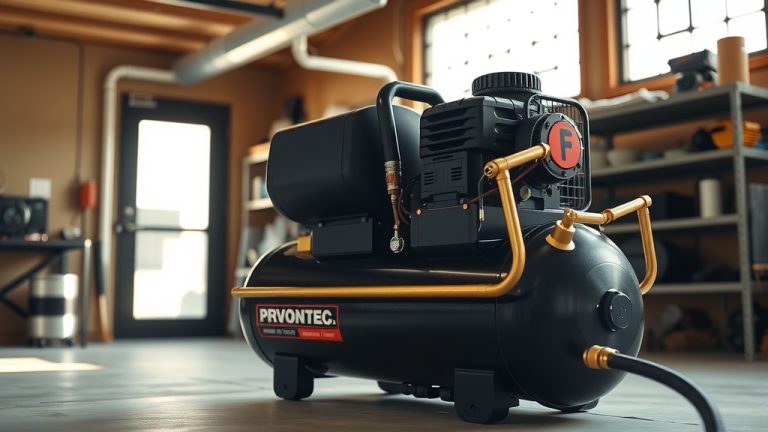
A single phase air compressor is a type of air compressor that operates using standard household electrical power, typically 120V or 240V, making it ideal for residential and light commercial applications. These compressors convert electrical energy into potential energy stored as compressed air in a tank.
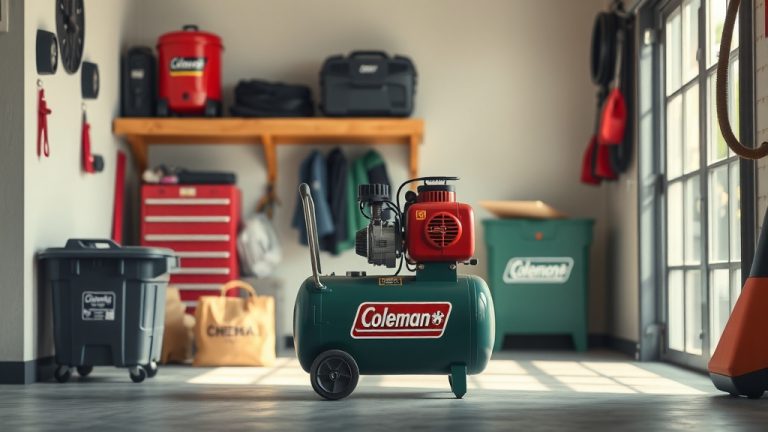
You’ll often find a single phase air compressor in garages, small workshops, or on DIY project sites, providing the necessary air power for common pneumatic tools. They are generally simpler to install and more accessible than their three-phase counterparts.
- A single phase air compressor runs on common household electricity (120V or 240V).
- It’s perfect for home use, small workshops, and DIY projects.
- These compressors power tools like nail guns, impact wrenches, and paint sprayers.
- They are generally more affordable and portable compared to larger industrial models.
- You’ll appreciate their easy plug-and-play setup without special wiring.
What Is A Single Phase Air Compressor?
A single phase air compressor is an essential tool for many households and small businesses. It uses a motor designed to run on a single alternating current (AC) power wave, the same kind of electricity that powers your lights and appliances. This makes them incredibly convenient and user-friendly for everyday tasks.
How Does Single Phase Power Work?
Think of single phase power like a single lane on a highway carrying electricity. In North America, this typically means a 120V or 240V connection from your standard wall outlets. A single phase air compressor is engineered to tap directly into this readily available power source.
The motor inside these compressors converts this electrical energy. It drives a pump that pulls in ambient air. This air is then compressed and stored under pressure.
The Heart of the Machine: Motor and Pump
Every air compressor has a motor and a pump working together. On a single phase unit, the electric motor is typically designed for less strenuous, intermittent use. The pump then takes that mechanical power to squeeze air into a smaller volume.
The pump’s job is crucial. It compresses the air efficiently. This compressed air then becomes a versatile energy source for various tools you might use. Industry experts often point to the motor and pump as the key components for compressor performance (Compressed Air & Gas Institute).
Air Tank: Storage for Your Power
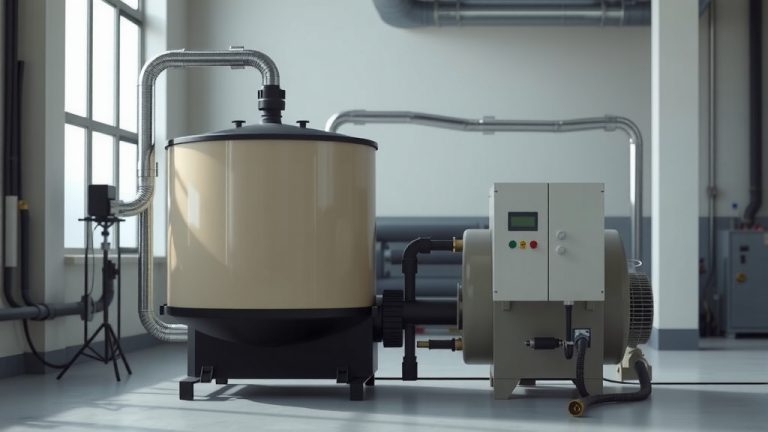
After the air is compressed, it needs somewhere to go. That’s where the air tank comes in. The tank stores this pressurized air until you need it. It acts like a battery for your air tools, providing a consistent supply of power.
A larger tank means you can use your air tools for longer periods without the compressor kicking on. This is especially helpful for tasks requiring a steady airflow. Smaller tanks are more portable but require the compressor to cycle more often.
Who Needs a Single Phase Air Compressor?
You might be surprised how many people can benefit from a single phase air compressor. If you’re tackling projects around the house or running a small business, chances are one of these units could be your next best friend. They are designed for accessibility and everyday utility.
Perfect for Weekend Warriors
Are you a DIY enthusiast? Do you enjoy home improvement projects? Then a single phase compressor is likely right up your alley. We found that these units excel at powering tools for things like framing, trim work, or even inflating tires.
Imagine effortlessly powering a nail gun for that deck project. Or using an air wrench for a quick car repair. A single phase unit gives you convenient power at your fingertips without complex electrical setup.
Small Business, Big Power
For many small businesses, a single phase air compressor is a workhorse. Auto repair shops often use them for impact wrenches or tire inflation. Woodworking shops rely on them for nailers and sanders. Even dentists use them for various pneumatic instruments.
We found that for operations not requiring constant, heavy industrial use, a single phase compressor often provides the perfect balance of power and practicality. It’s a smart investment for many commercial ventures.
Benefits of Choosing Single Phase
Choosing a single phase air compressor comes with several advantages that make it a popular choice. These benefits often boil down to convenience, cost, and ease of use. You’ll appreciate how seamlessly they fit into your existing setup.
Easy Plug-and-Play Power
One of the biggest perks is the simple electrical connection. You can typically plug a single phase compressor directly into a standard wall outlet. There’s no need for special wiring or a dedicated industrial power supply.
This “plug-and-play” aspect saves you time and money on installation. It means you can often get your compressor up and running almost immediately after unboxing. We found this to be a huge draw for many users.
More Budget-Friendly Options
When you’re comparing costs, single phase air compressors generally have a lower upfront price tag. This makes them a more accessible option for homeowners and small businesses working with tighter budgets. You get reliable power without breaking the bank.
Many experts say that while operating costs can vary, the initial investment is a key factor. A single phase unit often represents a more affordable entry point into the world of pneumatic tools. This makes them highly attractive.
Size and Portability Matters
Most single phase compressors are designed to be relatively compact. This makes them easier to store in a garage corner or move around a workshop. Some models even come with wheels and handles for maximum portability.
Do you need to take your compressor to different job sites? Or perhaps move it between different areas of your home? Their smaller footprint and lighter weight make single phase units a fantastic choice for those on the go. This flexibility is a true asset.
Limitations You Should Consider
While single phase air compressors offer many benefits, it’s also important to understand their limitations. Being aware of these helps you make the best choice for your specific needs. They aren’t designed for every type of task.
Not for Heavy-Duty Operations
If you’re running a large industrial factory or a massive construction site, a single phase compressor simply won’t cut it. They are not built for the constant, heavy workload required by large-scale pneumatic machinery. You might find them struggling to keep up.
For continuous use with power-hungry tools or multiple tools running simultaneously, you’ll need something more robust. Single phase units are geared toward intermittent and lighter-duty applications, not round-the-clock operation.
Duty Cycle: The Rest Factor
Every compressor has a “duty cycle,” which refers to how long it can run before needing a rest. Single phase compressors generally have a lower duty cycle. This means they need to cool down more frequently.
If you push a single phase compressor beyond its recommended duty cycle, you risk overheating the motor. This can shorten its lifespan significantly. You might hear the motor running often, indicating it’s working hard to keep up.
Single Phase vs. Three Phase: A Quick Look
Understanding the difference between single phase and three phase can help you choose. Here’s a brief comparison to highlight their key distinctions:
| Feature | Single Phase Compressor | Three Phase Compressor |
|---|---|---|
| Power Supply | Standard 120V/240V AC | Industrial 208V/230V/460V AC |
| Typical Use | Home, small shop, DIY, light commercial | Industrial, heavy manufacturing, large commercial |
| Continuous Run Time | Intermittent, lower duty cycle | Continuous, high duty cycle |
| Motor Size | Typically smaller (up to 5-7 HP) | Often larger (5 HP and up) |
| Installation | Easier, plug-and-play | Requires professional electrical setup |
Choosing the Right Single Phase Compressor
Selecting the perfect single phase air compressor for your needs involves looking at a few key specifications. You’ll want to match the compressor’s capabilities to the demands of your tools and projects. Don’t worry, it’s simpler than it sounds.
Understanding PSI and CFM
These two terms are incredibly important. PSI (pounds per square inch) tells you the maximum pressure the tank can hold. CFM (cubic feet per minute) indicates the volume of air the compressor can deliver at a specific pressure. We found that most air tools list their required PSI and CFM.
Your air tools will dictate what PSI and CFM you need. Always choose a compressor that provides slightly more CFM than your most demanding tool. This ensures consistent power delivery and prevents your compressor from constantly running.
Tank Size and Your Needs
The tank size, measured in gallons, affects how long you can use your tools before the compressor cycles. Smaller tanks (1-6 gallons) are great for portable tasks like brad nailing. Larger tanks (20-60 gallons) support tools needing more sustained airflow, such as paint sprayers or impact wrenches.
Consider the type of work you do most often. If you use tools intermittently, a smaller tank might be fine. For longer, continuous jobs, a bigger tank will make your life much easier by reducing motor run time.
Oil-Lubricated vs. Oil-Free
You’ll often see compressors described as either oil-lubricated or oil-free. Oil-lubricated compressors tend to be quieter and more durable, making them a good choice for regular use. They require occasional oil changes, similar to a car.
Oil-free compressors, on the other hand, are often lighter and require less maintenance. They’re usually noisier but ideal for situations where oil-free air is critical, like certain painting applications, or if you prefer zero oil upkeep. We found each type has its advantages.
Maintenance Tips for Longevity
To ensure your single phase air compressor lasts for years, regular maintenance is key. A little care goes a long way in keeping your unit running smoothly and efficiently. You’ll save money and avoid headaches with these simple steps.
- Drain the Air Tank Regularly: This prevents rust and corrosion inside the tank.
- Check and Change Oil (if applicable): Follow manufacturer guidelines for oil-lubricated models.
- Inspect Air Filters: Clean or replace them to ensure clean air intake and efficiency.
- Examine Hoses and Fittings: Look for any cracks, leaks, or signs of wear.
- Keep it Clean: Wipe down the exterior to prevent dust and debris buildup.
- Store Properly: Keep it in a dry, protected area when not in use.
Conclusion
A single phase air compressor is a remarkably versatile and accessible tool, perfect for anyone from the weekend DIYer to the small business owner. You’ve seen that these compressors operate on standard household power, making them incredibly convenient and relatively easy to set up. While they might not be built for heavy industrial demands, their benefits in terms of cost, portability, and ease of use are undeniable for the right applications. By understanding key factors like PSI, CFM, and maintenance, you can confidently choose and care for a single phase air compressor that will serve you well for years to come. It’s a tool that truly empowers you to tackle a wide range of tasks with compressed air power.
How much horsepower does a single phase air compressor typically have?
Single phase air compressors typically range from about 1 HP to 7 HP. The horsepower generally depends on the compressor’s intended use, with smaller units for light tasks and larger ones for more demanding home or small shop applications.
Can I run a single phase air compressor on a generator?
Yes, you can often run a single phase air compressor on a generator, but you must ensure the generator has enough wattage output. The compressor’s starting amperage can be quite high, so the generator needs to handle that initial surge without tripping.
Are single phase air compressors noisy?
The noise level of single phase air compressors varies greatly by model and whether they are oil-lubricated or oil-free. Oil-lubricated models tend to be quieter, while many oil-free compressors can be quite loud. Always check the decibel (dB) rating for specific models.
What is the difference between a single stage and a two-stage single phase air compressor?
A single-stage compressor compresses air once, reaching its maximum pressure. A two-stage compressor compresses air twice, first to an intermediate pressure, then to a higher final pressure. Two-stage compressors are generally more efficient for higher pressure demands and have a longer lifespan, even within single phase power limits.
What kind of air tools can a typical single phase air compressor power?
A typical single phase air compressor can power a wide range of air tools, including nail guns, brad nailers, impact wrenches, ratchets, paint spray guns (for light-duty painting), air sanders, die grinders, and tire inflators. The specific tools depend on the compressor’s CFM and PSI ratings.