What Is A Two Stage Air Compressor?
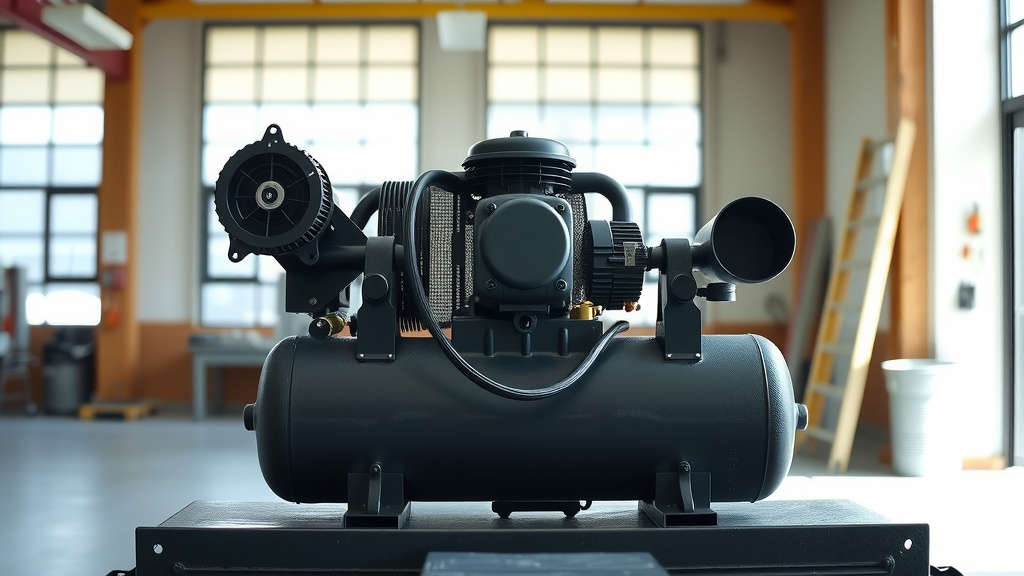
A two-stage air compressor works by compressing air twice, using two separate cylinders, to achieve higher pressure and greater efficiency.
This intelligent design means you get a more consistent and powerful airflow, making it ideal for demanding tasks that need steady air pressure.
- A two-stage air compressor compresses air twice for higher pressure.
- It offers increased efficiency and a more consistent air supply.
- Ideal for heavy-duty, continuous applications like auto shops or manufacturing.
- You’ll find it delivers more power and lasts longer under stress.
- It’s a smart choice when your tools need steady, high-pressure air.
What Is A Two Stage Air Compressor?
A two-stage air compressor takes air and compresses it in two distinct steps. First, the air is drawn into a primary piston, which compresses it to an intermediate pressure. Then, that partially compressed air moves to a smaller, second piston, where it’s squeezed again to its final, much higher pressure.
Think of it like a two-step workout for your air. This process ensures your tools get a steady, powerful stream of air. Many professionals rely on this type for heavy-duty applications.
How Does a Two-Stage Air Compressor Work?
Let’s break down the magic inside this machine. First, ambient air enters a larger piston where it’s compressed to an initial pressure, often around 90-100 PSI. This is stage one.
Next, this warm, pressurized air travels through an intercooler. This cooling process is vital because cooler air is denser and easier to compress further. After cooling, the air enters a smaller piston. Here, it’s compressed a second time to its final, higher pressure, which can be 175 PSI or more (Compressed Air & Gas Institute).
This dual compression and cooling method makes the two-stage compressor exceptionally efficient. It’s designed to deliver a lot of power without straining the motor.
Why Choose a Two-Stage Compressor?
You might wonder, why go through two stages? The answer is simple: power and efficiency. By compressing the air twice, the compressor does less work in each step, which reduces heat and wear on the components. This means it can run longer and produce higher pressure air more consistently.
If your work involves tools that demand a continuous, high-pressure air supply, a two-stage unit is often the best fit. It’s like having a reliable workhorse that doesn’t tire easily.
Single Stage vs. Two Stage: The Big Difference
Understanding the difference between single-stage and two-stage compressors is key to making the right choice for your needs. A single-stage compressor compresses air once. It’s like a sprinter, quick bursts of power for lighter tasks.
A two-stage compressor, on the other hand, is a marathon runner. It compresses air twice, making it more suitable for sustained, demanding jobs. We found that single-stage units are typically for home use or light workshops, while two-stage units shine in industrial settings.
| Feature | Single-Stage Air Compressor | Two-Stage Air Compressor |
|---|---|---|
| Compression Stages | One stage | Two stages |
| Max PSI (Typical) | 90-135 PSI | 175+ PSI |
| Efficiency | Lower for continuous use | Higher for continuous use |
| Heat Generated | Higher relative to output | Lower due to intercooling |
| Applications | Nail guns, small impact wrenches, DIY | Automotive shops, manufacturing, heavy industrial |
| Cost | Generally lower | Generally higher |
Who Needs a Two-Stage Air Compressor?
Are you running an automotive shop, a serious woodworking business, or a large fabrication facility? Then you likely need a two-stage air compressor. They are ideal for applications that require high CFM (cubic feet per minute) at high pressure, for extended periods.
Tools like sandblasters, commercial paint sprayers, rotary grinders, and large impact wrenches perform best with the consistent, powerful output a two-stage unit provides. It truly makes a difference in productivity.
Benefits You’ll Love
You’ll quickly appreciate the advantages of a two-stage system. They offer superior efficiency, meaning they can deliver more air power for less electricity. This can lead to noticeable energy savings over time.
Additionally, their design leads to less heat buildup, which translates to a longer lifespan for the compressor itself (studies show this extends component life, says Purdue University researchers). Plus, the higher pressure range opens up a wider array of demanding air tools you can effectively power.
Are There Any Downsides?
While powerful, two-stage compressors do have a few considerations. They typically come with a higher upfront cost compared to single-stage units. They are also generally larger and heavier, requiring more space for installation. You might also find them a bit louder due to the additional moving parts.
However, many experts agree that for industrial or heavy commercial use, the long-term benefits often outweigh these initial drawbacks.
Key Components to Know
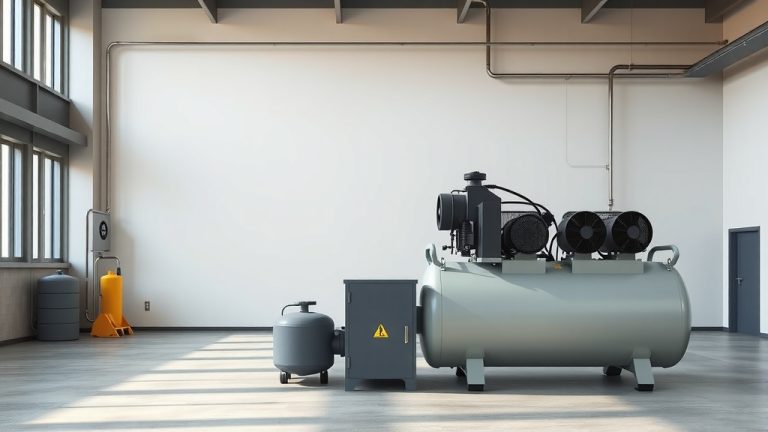
When you look at a two-stage compressor, you’ll see a few important parts. There’s the motor, which powers everything, and the pump, which actually compresses the air. You’ll also notice the air tank, which stores the compressed air.
Crucially, there’s also an intercooler between the high and low-pressure cylinders. This component is what sets it apart, ensuring the air is cooled before its second compression, which is key to its efficiency and performance.
What About CFM and PSI?
When choosing any air compressor, you’ll constantly encounter CFM and PSI. CFM, or Cubic Feet per Minute, tells you how much air the compressor can deliver. PSI, or Pounds per Square Inch, indicates the air pressure. Your tools have specific CFM and PSI requirements.
For a two-stage compressor, you’ll generally see higher PSI ratings, often 175 PSI or more. The CFM will vary depending on the compressor’s motor size and pump design. Always match your compressor’s CFM and PSI to your most demanding tool.
Choosing the Right Size
Picking the right size is all about matching the compressor to your needs. First, list all the air tools you plan to use. Find the CFM requirement for each one, especially your most air-hungry tools. Then, add a safety margin of 10-20% to that highest CFM requirement.
This ensures your compressor won’t struggle or run continuously, which could shorten its life. For example, if your busiest tool needs 10 CFM at 90 PSI, look for a compressor that provides at least 11-12 CFM at 90 PSI. Many experts suggest this approach for reliability.
Maintenance Tips for Your Compressor
Keeping your two-stage compressor in top shape is essential for longevity. Regular maintenance can save you from costly repairs and downtime. Here’s a simple checklist to guide you:
- Check and change the air filter regularly. A clean filter ensures clean air intake and efficient operation.
- Drain condensation from the air tank daily or weekly, depending on humidity and usage. This prevents rust inside the tank.
- Monitor oil levels and perform oil changes as recommended by the manufacturer. Clean oil protects internal components.
- Inspect belts for wear and proper tension. Loose or worn belts can reduce efficiency and cause breakdowns.
- Listen for unusual noises. Early detection of odd sounds can prevent small issues from becoming major problems.
Making Your Investment Last
Your two-stage air compressor is a significant investment, and you want it to perform for years. Beyond regular maintenance, consider its operating environment. Keep it in a clean, dry, and well-ventilated area. Avoid dusty or humid conditions if possible.
Also, don’t continuously run your compressor at its maximum capacity. Give it some breathing room. Research shows that operating equipment at 80% of its maximum capability generally extends its operational life (National Institute of Standards and Technology).
Understanding the Pressure Curve
The pressure curve in a two-stage compressor refers to how the air pressure increases through the two stages. It’s not a single, sharp jump but a progressive build-up. The first stage handles a larger volume of air and compresses it to a lower pressure.
Then, the second stage takes that already dense air and squeezes it further. This phased compression is why two-stage units are so efficient; they don’t try to do all the work at once. It’s a bit like taking two steps up a hill instead of one giant leap, making the journey much easier on the compressor.
What to Look For When Buying
When you’re ready to buy, consider a few key factors. Look at the CFM output at your required PSI, not just the peak PSI. Check the tank size – a larger tank means less frequent cycling for the compressor.
Also, research the pump material and construction. Cast iron pumps are often more durable and last longer. Finally, read reviews about the brand’s reliability and warranty. An informed choice will save you headaches down the road.
Installation Considerations
Proper installation ensures your compressor operates safely and efficiently. Make sure it’s placed on a level, solid surface. You’ll need adequate ventilation around the unit to prevent overheating. Allow plenty of space for maintenance access too.
Consider the electrical requirements carefully. Two-stage compressors often need 220V or higher wiring, which might require professional installation. Safety is always paramount when dealing with high-pressure systems.
Safety First!
Operating an air compressor involves high pressure, so safety is not just a suggestion – it’s a necessity. Always read your owner’s manual. Never exceed the maximum pressure rating of your tools or the compressor itself. Wear appropriate personal protective equipment, like safety glasses, to protect your eyes from flying debris.
Ensure all hoses and fittings are in good condition and securely fastened. Remember, air under pressure can be dangerous if not handled correctly. A little caution goes a long way in keeping you safe.
Conclusion
A two-stage air compressor is a powerful, efficient, and reliable workhorse for anyone who needs consistent, high-pressure air. By compressing air twice, these machines offer superior performance, longer life, and the ability to power demanding tools with ease. While they represent a larger investment, the benefits in terms of efficiency, durability, and capability make them a smart choice for serious workshops and industrial applications. Understanding how they work and what to look for will empower you to make an excellent decision for your operational needs.
What is the main advantage of a two-stage air compressor over a single-stage?
The main advantage is higher pressure and efficiency. A two-stage compressor compresses air twice, reaching significantly higher PSI (often 175+ PSI) and delivering a more consistent, cooler air supply, which is ideal for heavy-duty, continuous tasks.
Do two-stage air compressors run cooler than single-stage ones?
Yes, two-stage air compressors generally run cooler. The air is cooled by an intercooler between the first and second compression stages. This reduces heat buildup, which contributes to greater efficiency and extends the compressor’s lifespan.
Are two-stage air compressors more expensive?
Typically, yes. Two-stage air compressors have a more complex design with two pistons and an intercooler, making their initial purchase price higher than comparable single-stage units. However, their improved efficiency and durability can lead to long-term savings.
What type of applications benefit most from a two-stage compressor?
Applications requiring continuous, high-volume, and high-pressure air benefit most. This includes professional automotive repair shops, manufacturing facilities, heavy fabrication, sandblasting, and operating large pneumatic tools like impact wrenches and grinders.
How important is maintenance for a two-stage air compressor?
Maintenance is extremely important. Regular checks on oil levels, air filters, belt tension, and draining the air tank are crucial. Proper maintenance ensures the compressor runs efficiently, extends its operational life, and helps prevent costly breakdowns.