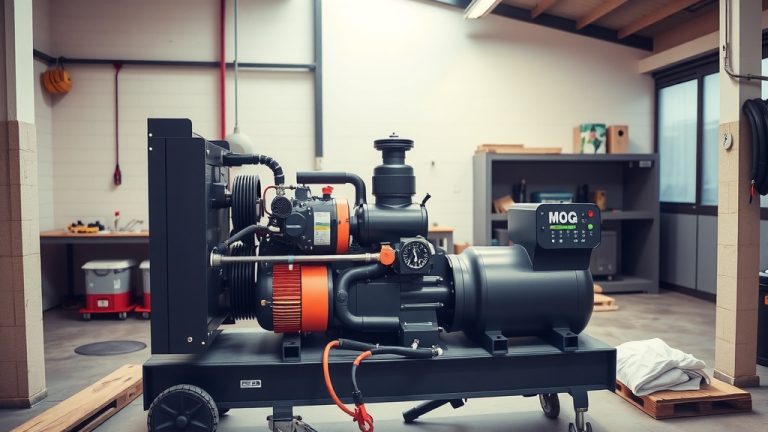
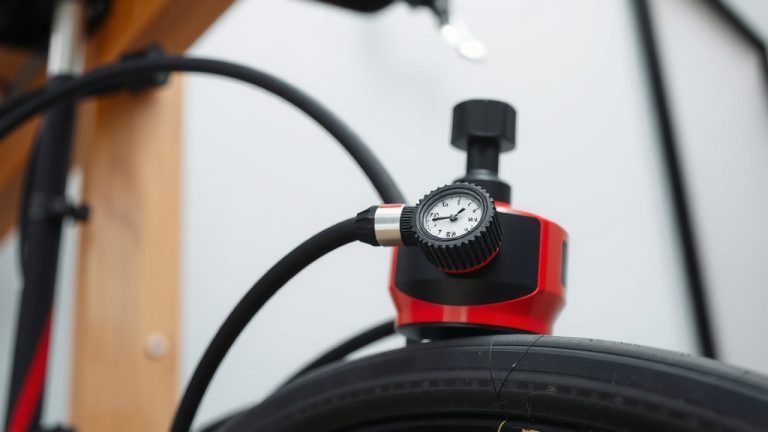
What Is A Whip Hose For An Air Compressor?
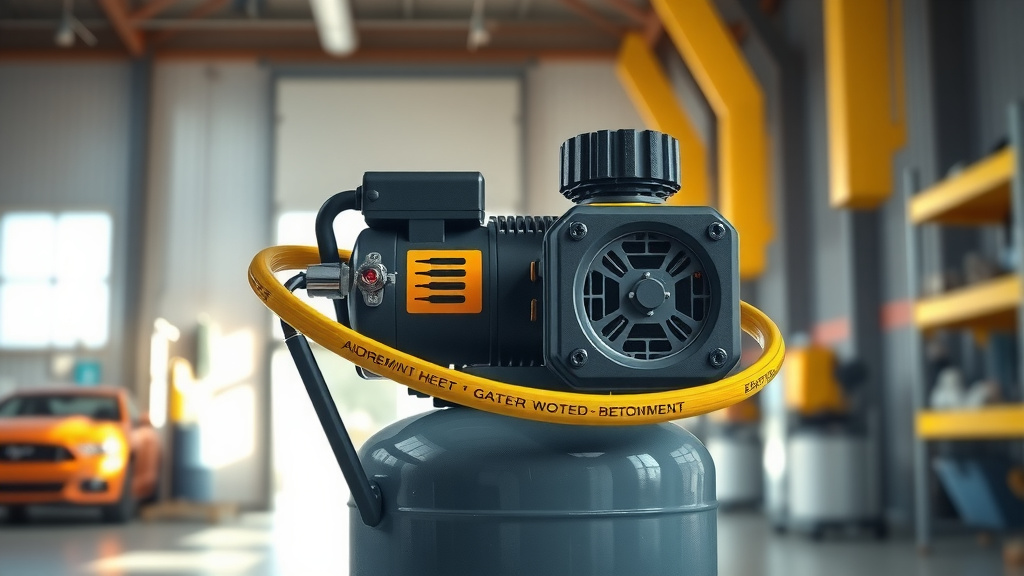
A whip hose for an air compressor is a short, flexible hose connecting directly to the air compressor’s outlet.
It primarily acts as a buffer, absorbing vibrations and preventing stress on your main air hose and compressor fittings.
- A whip hose is a short, strong hose used right at the air compressor.
- Its main job is to soak up vibrations, which protects your longer air hoses.
- This small connection helps prevent kinks and damage to your expensive equipment.
- It’s a simple way to make your air system last longer and work more safely.
- Think of it as a flexible shock absorber for your air tools.
Ever wonder about those shorter, robust hoses you sometimes see right after an air compressor? That’s likely a whip hose! You might not realize it, but this little helper plays a big role in keeping your air tools running smoothly and safely. We found that many people overlook this simple component, yet its benefits are quite significant.
What Is A Whip Hose For An Air Compressor?
A whip hose is a short, tough, and flexible air hose designed to connect directly to your air compressor’s air outlet.
Its primary purpose is to absorb the rapid vibrations and pulsations created by the compressor.
Why Do You Need A Whip Hose?
Imagine your air compressor working hard, pumping out air. It creates a lot of vibration. Without a whip hose, this constant shaking goes straight into your main air hose and fittings. That’s like driving a car without shock absorbers – bumpy and damaging! Many experts say that proper vibration dampening is
key to equipment longevity
(Occupational Safety and Health Administration).
Protecting Your Investment
Your air compressor and main air hoses are not cheap. A whip hose acts as a sacrificial lamb, or more accurately, a flexible shield. It takes the brunt of the vibration, saving your more
expensive, longer air hoses
from wear and tear. This simple piece can greatly extend the lifespan of your entire air system.
Boosting Safety
We found that constant vibration can weaken hose connections over time, leading to leaks or even hose failures. A sudden hose failure under pressure can be dangerous, potentially causing injuries. The whip hose reduces this risk by stabilizing the connection and minimizing fatigue on components, making your workspace
much safer for everyone
.
Key Features Of A Whip Hose
Not all hoses are created equal. Whip hoses have specific characteristics that make them ideal for this demanding role. They are built differently than your standard air tool hose.
Material Matters
Whip hoses are usually made from durable materials like reinforced rubber or PVC. These materials are chosen for their flexibility and resistance to kinking. They can
withstand high pressure
and constant movement without breaking down quickly. Some specialized whip hoses are even braided with steel for extreme durability.
Length Considerations
Typically, a whip hose is quite short, ranging from about 12 inches to 36 inches. This shorter length makes it
more manageable and effective
at dampening vibrations right at the source. Too long, and it might not provide the same vibration absorption. It’s all about creating that perfect, flexible buffer.
Connector Types
Whip hoses often come with robust fittings, usually brass or steel, matching the standard quick-connect or threaded fittings on your compressor. You want
strong, reliable connections
that won’t leak under pressure. Always ensure your connectors are compatible with your existing setup.
Choosing The Right Whip Hose
Selecting the correct whip hose for your setup is important. You want one that matches your compressor’s output and your tools’ needs. Here’s a quick guide to help you pick the best fit.
| Feature | Consideration | Why It Matters To You |
|---|---|---|
| Hose Material | Rubber, PVC, Hybrid | Affects flexibility, durability, and cold-weather performance. |
| Hose Length | 1 ft to 3 ft | Shorter lengths absorb vibration better; avoid extra slack. |
| Hose Diameter (ID) | 1/4″, 3/8″, 1/2″ | Matches your compressor’s CFM and tool airflow needs. |
| Pressure Rating | PSI (e.g., 200-300 PSI) | Must exceed your compressor’s maximum operating pressure. |
| Fitting Type | NPT, quick-connect | Ensures compatibility with your compressor and main hose. |
Installation Is A Breeze
Adding a whip hose to your air compressor system is one of the easiest upgrades you can make. It takes just a few minutes and provides long-lasting benefits. You don’t need special tools, just a wrench for a tight seal.
- Turn off and unplug your air compressor.
- Release all air pressure from the tank.
- Thread one end of the whip hose onto the compressor’s air outlet.
- Hand-tighten, then use a wrench for a snug fit (don’t overtighten).
- Attach your main air hose to the other end of the whip hose.
- Check for air leaks by listening or using soapy water.
Common Misconceptions About Whip Hoses
Some people think a whip hose is just another piece of hose. But it’s more than that. It’s a specialized component designed for a specific purpose. We often hear that people think any short hose will do, but that is not accurate. The
construction and material quality
truly make a difference for whip hoses.
Extending The Life Of Your Whip Hose
Even though it’s designed to take a beating, you can help your whip hose last even longer. Storing it properly and avoiding harsh conditions are simple steps. Keep it away from sharp edges, extreme temperatures, and direct sunlight when not in use. Regular
inspections for wear
are also a great idea.
When To Replace Your Whip Hose
Like all air tools and accessories, whip hoses don’t last forever. Regular checks are important. Look for visible cracks, abrasions, bulging, or stiff spots. Any sign of damage means it’s time for a replacement. A compromised whip hose won’t do its job and could
become a safety hazard
. Research often connects regular equipment checks with reduced workplace accidents (National Institute for Occupational Safety and Health).
The Big Picture: How Whip Hoses Fit In
Think of your air compressor system as a team. Each part has a role. The whip hose might be a smaller player, but it’s a
vital defensive lineman
. It protects the star players (your compressor and tools) from getting tackled by vibrations. This small component makes your entire air system more efficient, safer, and more durable.
Conclusion
A whip hose is far more than just a short piece of tubing; it is a critical protective link in your air compressor system. By absorbing harmful vibrations and stress, it extends the life of your equipment, enhances safety, and ensures a smoother operation for your air tools. Investing in the right whip hose and maintaining it properly is a small effort with
big returns for any workshop
or job site. You’re not just buying a hose; you’re buying peace of mind and protection for your valuable assets.
What is the ideal length for a whip hose?
The ideal length for a whip hose is typically between 12 and 36 inches. This range provides enough flexibility to absorb vibrations effectively without creating excessive slack that could become a tripping hazard or get tangled.
Can I use any air hose as a whip hose?
While you could technically connect any short air hose, it’s not recommended. Whip hoses are specifically designed with stronger materials and construction to withstand constant vibration and high pressure directly from the compressor. Using a regular hose might lead to premature wear and potential safety issues.
How often should I inspect my whip hose?
You should inspect your whip hose regularly, ideally before each significant use or at least once a month if used frequently. Look for any cracks, fraying, bulges, leaks, or stiff spots. Early detection of wear can prevent major problems.
Do whip hoses affect air pressure or airflow?
A properly sized whip hose with an appropriate inner diameter will have a negligible effect on air pressure or airflow. Its short length and smooth interior are designed to minimize any restriction. If you choose a hose that’s too narrow, you might notice a slight drop in performance.
Are there different types of whip hoses for various applications?
Yes, whip hoses can vary in material and pressure rating. For heavy-duty industrial applications, you might find steel-braided or much thicker rubber hoses designed for extreme pressures and harsh environments. For general workshop use, standard reinforced rubber or hybrid hoses are usually sufficient.