What Is An Air Compressor Used For In A Car?
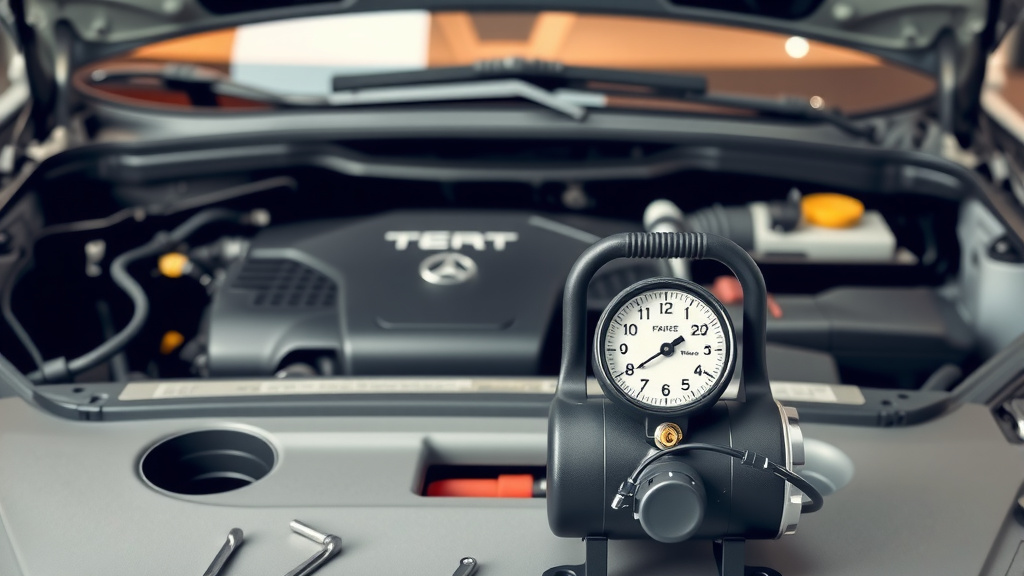
An air compressor in a car is primarily used for practical tasks like inflating tires, powering small pneumatic tools, and activating certain vehicle systems.
These versatile devices help you maintain optimal tire pressure for safety and fuel efficiency, acting as your go-to roadside assistant for various needs.
- Car air compressors inflate tires to correct pressure.
- They can power small tools for quick repairs.
- Some integrate with vehicle air suspension systems.
- Maintaining proper tire pressure saves fuel and ensures safety.
- Portable units offer roadside peace of mind and convenience.
What Is An Air Compressor Used For In A Car?
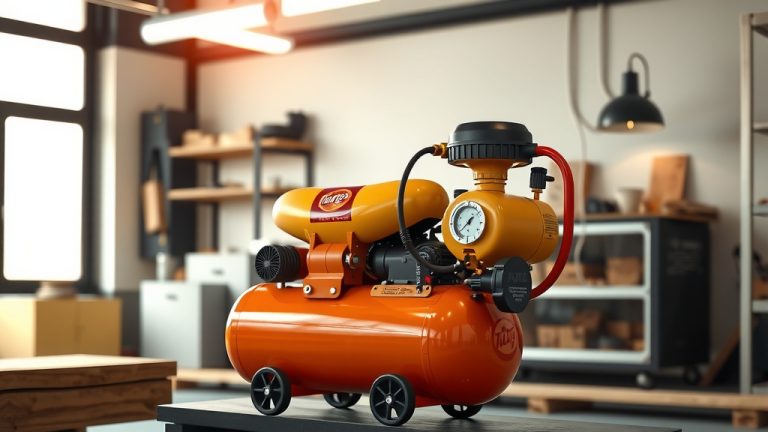
An air compressor in a car serves many practical purposes, mainly for maintaining your tires and helping with roadside tasks. It’s a handy tool to have for both routine care and unexpected situations.
Think of it as your portable air station. You can bring it anywhere your car goes. This means no more searching for gas stations with working air pumps. How convenient is that?
Inflating Car Tires On The Go
One of the most common reasons to own a car air compressor is for tire inflation. Maintaining correct tire pressure is not just a suggestion; it’s a safety essential (NHTSA).
When your tires are underinflated, it can affect your car’s handling. It also reduces your fuel economy. A portable air compressor lets you top up your tires whenever you need.
Keeping Tires Ready for Any Trip
Imagine heading out for a long road trip. Checking your tire pressure before you leave is a smart move. With an air compressor, you can quickly adjust pressure at home.
This simple act can extend the life of your tires. It also makes your ride smoother and safer. It’s like having a mechanic in your trunk, but much smaller!
Powering Small Pneumatic Tools
Did you know air compressors can power more than just tire pumps? Smaller, portable units often come with attachments for various tools. These can be very useful for minor car repairs.
We found that some compact air compressors are strong enough for basic impact wrenches. You could change a flat tire or tighten bolts with ease. It’s a real time-saver in a pinch.
Handy Tools for Roadside Emergencies
Picture this: you get a flat tire in a remote area. A compressor can reinflate a slowly leaking tire enough to get you to safety. It buys you time until you reach a repair shop.
Many experts say these devices are a smart addition to any roadside emergency kit. They provide a surprising amount of utility for their size.
Blowing Away Dirt and Debris
Beyond inflation, air compressors are excellent for cleaning. The strong blast of air can remove dust from tight spots. Think about those tricky dashboard vents or door jambs.
It’s a quick way to keep your car’s interior looking tidy. You can also use it to clean dirty engine components before inspection or repair.
Detailing Your Vehicle Like a Pro
For those who love to detail their car, an air compressor is a game changer. It can dry wet surfaces quickly. It also helps force water out of mirrors and crevices after a wash.
This prevents water spots and streaks, giving your car a professional finish. It’s a small trick that makes a big difference.
Activating Vehicle Air Suspension Systems
Some modern cars, especially luxury models or SUVs, feature air suspension. An integrated air compressor is vital for this system. It pumps air into bags or struts to adjust ride height.
This allows for a smoother ride and adaptable ground clearance. It’s how these vehicles can “kneel” for easy entry or rise for off-road adventures.
Maintaining Your Car’s Smooth Ride
If your car has an air suspension, the compressor works automatically. It ensures your car stays level and handles well. Issues with this compressor can affect your driving comfort and safety.
Regular checks, as recommended by your vehicle manufacturer, help keep this system running perfectly. You want that comfortable ride, right?
Common Types of Car Air Compressors
When we look at air compressors for cars, two main types stand out. Knowing the difference helps you pick the right one for your needs.
| Compressor Type | Key Features | Typical Uses |
|---|---|---|
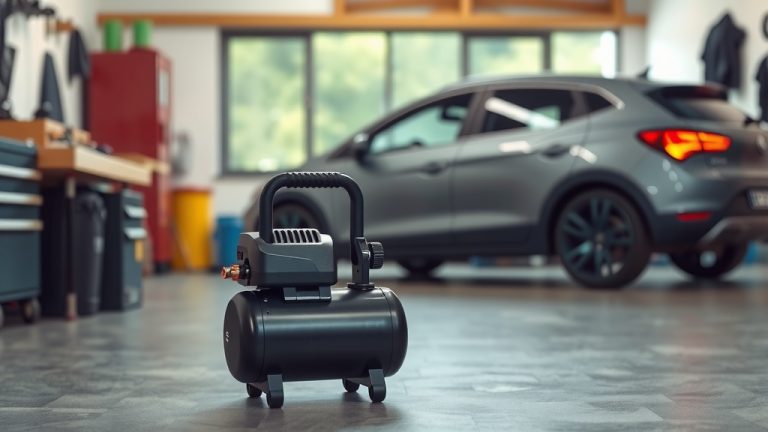
| Portable 12V DC | Plugs into car’s cigarette lighter; compact | Tire inflation, small inflatables |
| Integrated (OEM) | Built-in part of the vehicle; automatic | Air suspension, air brakes |
| Heavy-Duty Portable | Connects directly to battery; robust | Larger tires, moderate tools, off-roading |
Choosing the Right Compressor for You
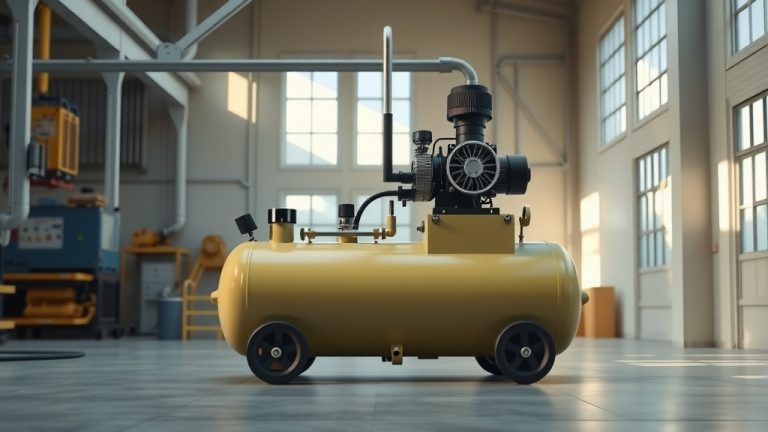
For most drivers, a portable 12V DC unit is perfectly fine. It handles flat tires and other small tasks. If you have a larger vehicle or do more off-roading, a heavy-duty portable one might be better.
We found that considering your vehicle type and common uses helps narrow down the choice. Don’t overspend on features you won’t use.
Other Practical Uses You Might Not Expect
Beyond the common uses, these little devices can surprise you. Ever considered them for camping or sports?
- Inflating bicycle tires quickly.
- Pumping up sports balls like footballs or basketballs.
- Inflating air mattresses for camping trips.
- Blowing up pool toys or other recreational items.
- Sealing small leaks with tire sealant and air.
They are truly versatile tools that fit many lifestyles.
Safety Tips When Using an Air Compressor
Using any tool requires a bit of caution. Air compressors are no different. Always read your owner’s manual for specific instructions.
Here’s a quick checklist to keep you safe:
- Check tire pressure limits before inflating.
- Wear eye protection to guard against debris.
- Ensure hoses and connections are secure.
- Avoid over-inflating anything.
- Let the compressor cool down after heavy use.
Safety first keeps you and your vehicle in good shape.
Maintaining Your Car’s Air Compressor
Like any piece of equipment, your air compressor needs a little care. Regular maintenance helps it last longer and work better.
Many experts suggest checking for kinks or cracks in the air hose. Also, make sure the power cord is in good condition. Keeping it clean and dry prevents corrosion and performance issues.
Conclusion
An air compressor in your car is far more than just a gadget; it’s a multipurpose tool that enhances safety and convenience. From ensuring your tires are perfectly inflated for every journey to powering small tools for roadside fixes, its applications are widespread.
Whether you choose a compact portable unit or rely on your car’s integrated system, understanding what an air compressor is used for in a car can give you peace of mind and help you tackle many situations with confidence. It’s a smart addition to any driver’s toolkit, truly making your travels smoother and safer.
How do I know what tire pressure my car needs?
You can find your car’s recommended tire pressure on a sticker inside your driver’s side door jamb or in your vehicle’s owner’s manual. Do not use the maximum pressure listed on the tire itself.
Are all car air compressors portable?
No, not all car air compressors are portable. Many modern vehicles, especially those with air suspension systems, have integrated air compressors built into the vehicle chassis. Portable ones are separate units you carry.
Can a car air compressor inflate other things besides tires?
Yes, many car air compressors come with different nozzles and adapters. These allow you to inflate sports balls, air mattresses, pool toys, and even bicycle tires, making them very versatile.
How long does it take for a car air compressor to inflate a tire?
The time it takes varies based on the compressor’s power and the tire’s size and current pressure. A typical portable unit might take 3-5 minutes to inflate a standard car tire from 20 PSI to 35 PSI.
Is it better to use a car air compressor or go to a gas station?
Using your own car air compressor is often more convenient and ensures accuracy. You can check and adjust pressure anytime, anywhere. Gas station pumps might not always be accurate or well-maintained.