What Is An Air End On A Compressor?
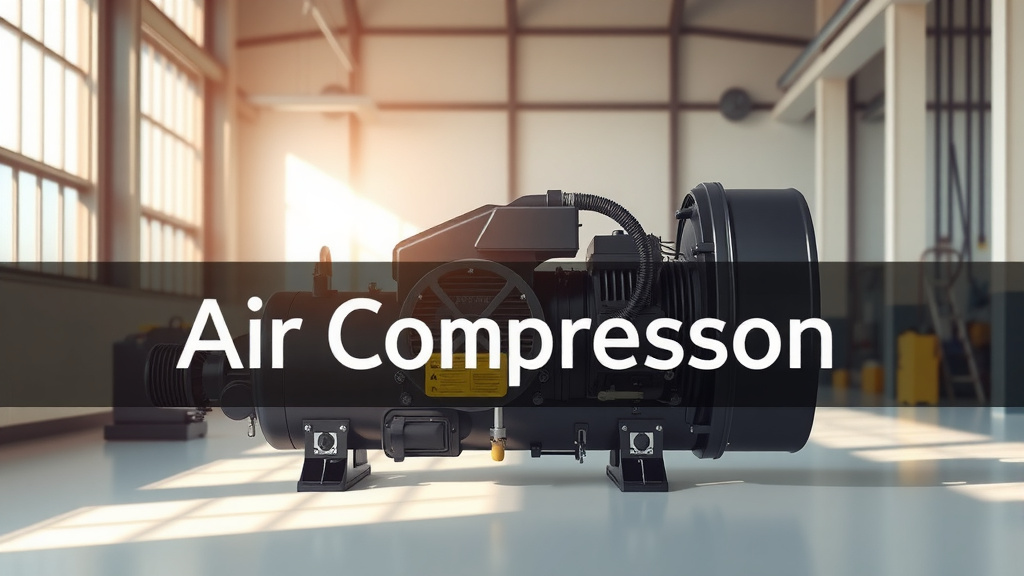
An air end on a compressor is the core component that physically compresses air from the atmosphere into a pressurized form. It’s like the engine of your air compressor system, performing the vital task of converting atmospheric air into usable compressed air.
This critical part determines the compressor’s efficiency and how much air it can produce, making it central to the entire operation.
- The air end is the compressor’s heart, directly compressing air.
- It dictates how well and how much air your compressor can make.
- Regular care for your air end helps avoid costly breakdowns.
- Knowing your air end’s type helps with maintenance and repairs.
- Choosing the right air end matches your specific air power needs.
What Is An Air End On A Compressor?
An air end on a compressor is the mechanical assembly responsible for squeezing air. This part takes in ambient air and compresses it to a higher pressure. It’s truly the working part of the compressor system.
The Heart of Your Air Compressor
Think of the air end as the very core of your air compressor. It’s where the magic happens, where air transforms from everyday breathable gas into a powerful energy source. Without a functioning air end, your compressor is just a box.
Why It’s So Important
The air end directly affects your compressor’s performance and output. A healthy air end means efficient operation and reliable air supply. Many experts say a well-maintained air end extends the life of your entire system (Compressor World).
How an Air End Actually Works
Different types of air ends use various methods to compress air. But the basic idea remains the same: reduce the air volume to increase its pressure. This process takes raw power from a motor to do its job.
Rotary Screw Air Ends
Rotary screw air ends use two interlocking rotors, like giant screws, to trap and compress air. As these screws turn, they progressively reduce the space, squeezing the air into a smaller volume. This design provides continuous, smooth airflow.
Reciprocating Air Ends
Reciprocating, or piston, air ends use pistons moving inside cylinders. They draw air in on one stroke and then push it out compressed on the return stroke. We found these are common in smaller, intermittent use applications.
What Can Go Wrong with an Air End?
Like any mechanical part, air ends can experience wear and tear. They work hard, often for long hours, under significant stress. Recognizing potential issues early can save you from bigger problems down the road.
Common Wear and Tear
Over time, internal components like bearings, rotors, or pistons can wear out. This wear is often due to friction, heat, and contaminants in the air. We found that proper lubrication is key to minimizing this wear.
Signs of Trouble
Are you hearing strange noises like grinding or knocking? Is your compressor producing less air than usual? These are often red flags indicating air end issues. You might also notice unusual vibrations or higher operating temperatures.
Keeping Your Air End Healthy
Caring for your air end is not difficult, but it is essential. Regular maintenance helps ensure it performs at its best. Think of it as giving your compressor a much-needed health check-up.
Essential Maintenance Steps
Preventive maintenance is your best friend when it comes to air ends. This means following the manufacturer’s recommendations for service intervals. It’s about being proactive, not reactive, to potential issues.
Oil Changes and Filter Replacements
The oil in your air end lubricates and cools its moving parts. Dirty or old oil can cause serious damage. Similarly, air filters keep contaminants out, protecting delicate internal components from harmful particles.
Here’s a quick checklist to help maintain your air end:
- Regularly check and change air end oil.
- Replace air filters as scheduled.
- Monitor for unusual noises or vibrations.
- Inspect drive couplings and belts.
- Keep the air end clean and free of dust.
- Check for any visible oil leaks.
When to Repair vs. Replace Your Air End
Deciding between repair and replacement can be a tough call. It usually comes down to cost, age of the unit, and the extent of the damage. You want to make the most economical and practical choice for your business.
Evaluating the Damage
If the damage is minor, like a bearing replacement, repair might be the answer. But if the main components, like the rotors or cylinders, are severely damaged, a full replacement often makes more sense. Many experts consider the cost of repair versus new unit pricing.
Choosing the Right Air End
Selecting the correct air end depends on your specific application needs. Do you need continuous high-volume air, or smaller, intermittent bursts? Understanding your requirements will guide your choice.
Matching Your Needs
For consistent, high-demand operations, a rotary screw air end is often preferred. For smaller workshops or tasks that don’t need constant air, a reciprocating air end might be more suitable. It’s about finding the best fit for your workflow.
Here’s a comparison to help you understand the differences:
| Feature | Rotary Screw Air End | Reciprocating Air End |
|---|---|---|
| Air Delivery | Continuous, steady flow | Pulsating, intermittent flow |
| Noise Level | Generally quieter | Can be louder |
| Maintenance | Regular oil and filter changes | Piston ring and valve checks |
| Application | Industrial, continuous use | Workshop, occasional use |
Conclusion
The air end is undoubtedly the powerhouse of any air compressor. Understanding its function, types, and the importance of regular care is vital. By paying attention to your air end, you ensure your entire compressed air system operates smoothly and reliably for years to come. It’s an investment in your productivity.
What is the main function of an air end?
The main function of an air end is to compress atmospheric air into pressurized air. It’s the component that physically reduces the air’s volume to increase its pressure, making it usable for tools and processes.
How often should I service my air end?
Service intervals for your air end depend on its type, usage, and the manufacturer’s guidelines. Generally, it’s recommended to follow the schedule provided in your compressor’s manual, often involving regular oil and filter changes every few hundred to a couple thousand hours of operation.
Can I replace an air end myself?
Replacing an air end can be a complex task, often requiring specialized tools and knowledge. While some experienced technicians might attempt it, for most users, it’s best to consult a professional or certified service technician to ensure proper installation and calibration.
What are the benefits of a rotary screw air end over a reciprocating one?
Rotary screw air ends typically offer continuous air delivery, quieter operation, and are better suited for heavy, continuous industrial use. Reciprocating air ends provide pulsed air and are generally more cost-effective for smaller, intermittent applications.
How do I know if my air end is failing?
Common signs of a failing air end include unusual noises like knocking or grinding, decreased air output or pressure, excessive vibration, and a significant increase in operating temperature. If you notice any of these symptoms, it’s wise to have your compressor inspected.