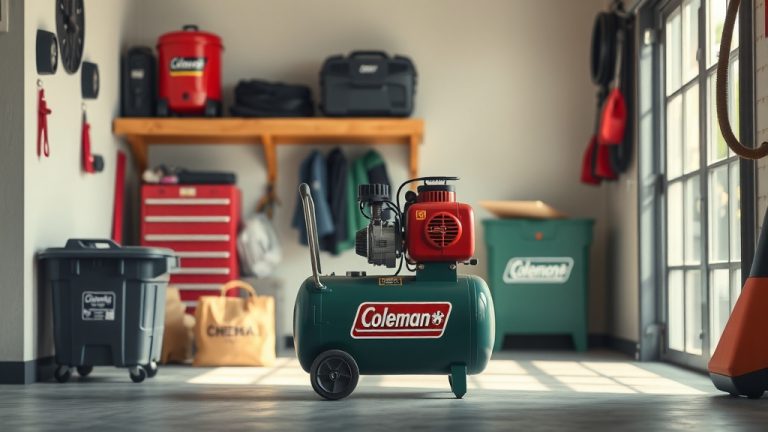
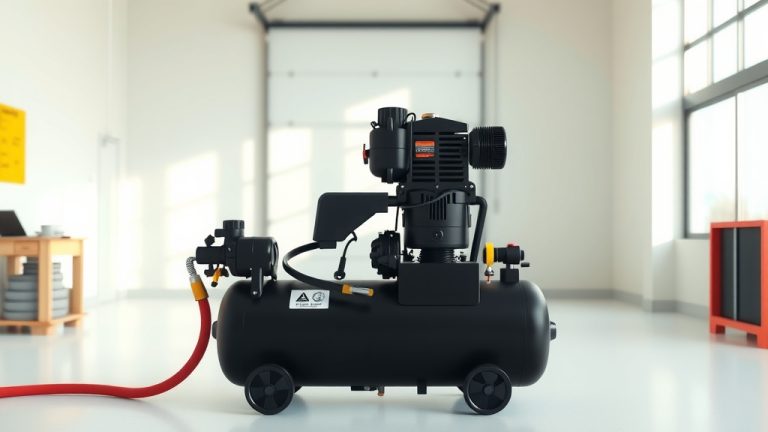
What Is An Oil Lube Air Compressor?
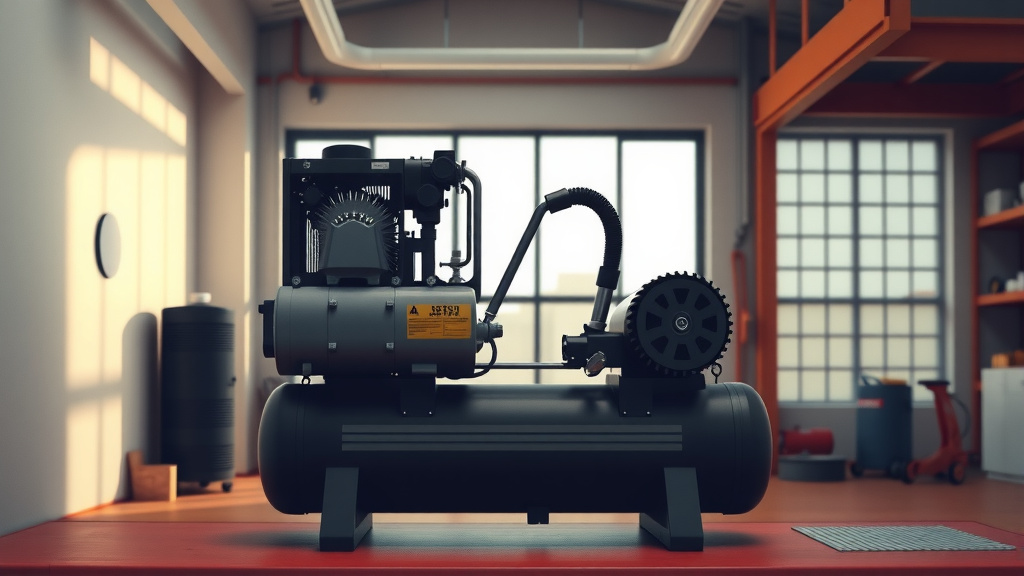
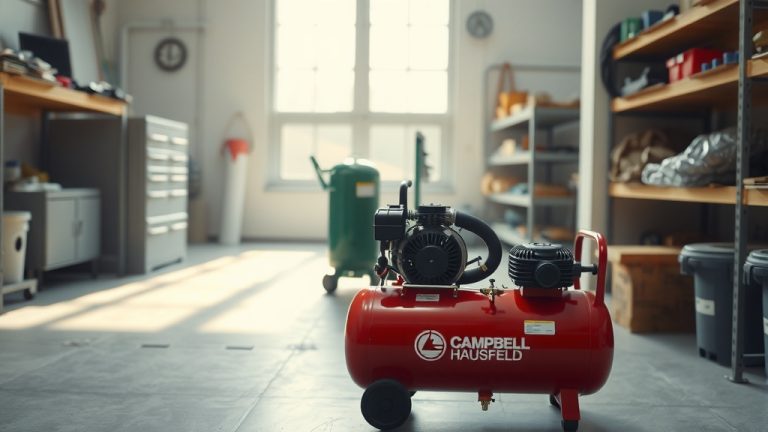
An oil lube air compressor, also known as an oil-lubricated compressor, uses oil to lubricate its internal moving parts, reducing friction and heat during operation. This process helps to ensure smoother performance, extend the machine’s lifespan, and allow for more heavy-duty and continuous use in various applications.
Understanding an oil lube air compressor means recognizing its robust design, efficient operation, and the regular maintenance it requires for optimal performance and durability.
Here’s a quick overview of what you’ll discover about oil lube air compressors:
- They use oil for lubrication, making them durable and efficient.
- Ideal for heavy-duty and continuous tasks in workshops or industrial settings.
- Require regular maintenance, specifically oil checks and changes, to perform best.
- Offer better heat dissipation and quieter operation than many oil-free models.
- They are generally a long-term investment for serious air power needs.
What Is An Oil Lube Air Compressor?
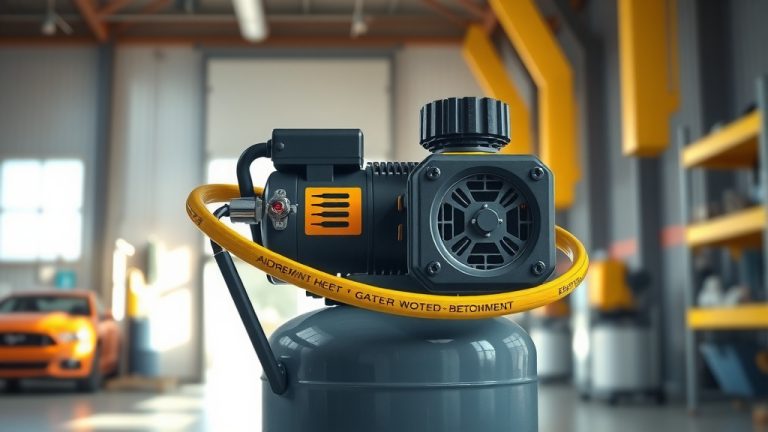
An oil lube air compressor is a machine designed to convert power into kinetic energy in pressurized air, utilizing oil to lubricate its internal components. This lubrication is key to its efficiency and longevity.
This type of compressor compresses air using a mechanism, often pistons or rotary screws, with oil providing a protective layer to minimize wear and tear.
How Does an Oil Lube Air Compressor Work?
Imagine your car engine; it needs oil, right? An oil lube air compressor functions on a similar principle, using oil to lubricate moving parts as it draws in ambient air.
The air enters a chamber, is compressed by pistons or rotors, and then stored in a tank. All this happens while a fine mist or stream of oil keeps everything running smoothly, preventing metal-on-metal friction.
The Role of Lubrication
Lubrication is the secret sauce for these machines. It drastically reduces friction, which in turn cuts down on heat generation and wear.
Many experts say this lubrication makes the compressor more efficient, helping it maintain consistent pressure and extend its operational life (Compressor World).
Types of Oil Lube Compressors
When you look into oil lube compressors, you’ll mainly find two workhorse categories. Each has its own strengths for different job sites and applications.
Understanding these types helps you pick the right tool for your projects. Do you need quick bursts or constant airflow?
Piston Compressors (Reciprocating)
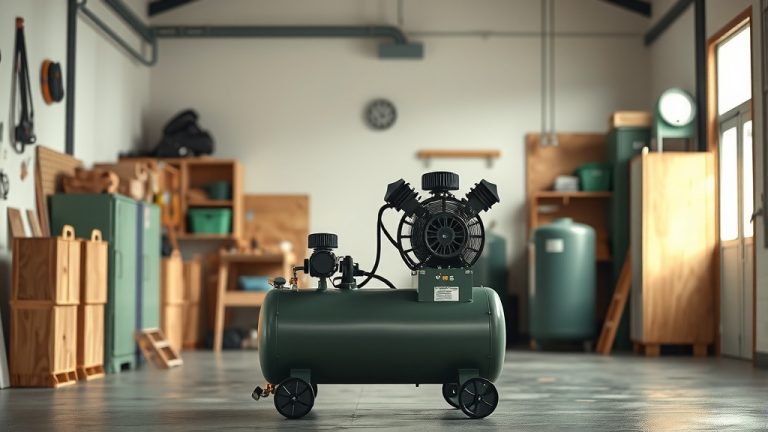
These are likely what you picture first. A piston compressor uses a crankshaft and connecting rods to move pistons back and forth within a cylinder.
As the piston moves, it compresses air. We found these are often used for intermittent tasks, like nail guns or impact wrenches, and are common in home workshops.
Rotary Screw Compressors
For industrial settings, rotary screw compressors are often the star. They use two meshing helical screws that rotate to trap and compress air.
These are designed for continuous, heavy-duty operation and can provide a constant, high-volume air supply without needing cool-down periods.
Benefits You’ll Love
Choosing an oil lube air compressor brings several advantages that can significantly impact your work and budget. You’ll likely notice the difference in power and longevity.
They are built for the long haul, offering performance that many other options simply can’t match for demanding jobs.
- Durability: The oil protects internal parts, leading to a much longer operational life.
- Efficiency: Reduced friction means less energy wasted as heat, providing more efficient air compression.
- Quieter Operation: Oil dampens mechanical noises, making these compressors generally less noisy than oil-free models.
- Heat Dissipation: Oil helps carry away heat, crucial for continuous use without overheating.
- Heavy-Duty Use: Designed to handle demanding, continuous tasks without performance drops.
Potential Drawbacks to Consider
While oil lube compressors are fantastic for many applications, they do have a few downsides. It’s smart to be aware of these before you make a purchase.
Knowing the cons helps you decide if it’s truly the best fit for your specific needs and work environment.
You’ll need to perform more regular maintenance and be mindful of the air quality they produce.
One primary concern is the potential for oil carryover into the compressed air. This means tiny oil particles can contaminate the air stream.
For sensitive applications like painting or food processing, you would need additional filters to ensure clean, oil-free air. This adds to the initial cost and upkeep.
Regular maintenance, including checking and changing the oil, is also non-negotiable. If you neglect this, you risk serious damage to your compressor.
Oil Lube vs. Oil-Free: A Quick Comparison
Deciding between oil lube and oil-free can be tricky. We found that it largely depends on your application and how much maintenance you’re willing to do.
Here’s a simple table to help you compare the two types, focusing on key differences that matter most to users:
| Feature | Oil Lube Compressor | Oil-Free Compressor |
|---|---|---|
| Air Quality | Oil particles may be present; often needs filtration. | Clean, oil-free air; ideal for sensitive tasks. |
| Durability | Generally more durable and longer lifespan. | Shorter lifespan due to friction and heat. |
| Noise Level | Typically quieter due to lubrication. | Generally louder operation. |
| Maintenance | Requires regular oil changes and checks. | Low maintenance; no oil checks needed. |
| Cost | Often higher initial cost, but good value over time. | Lower initial cost, but may need replacement sooner. |
Essential Maintenance Tips
To keep your oil lube compressor running efficiently and safely, you must follow a few straightforward maintenance steps. Think of it as giving your machine a regular health check.
These actions prevent costly breakdowns and ensure you always have reliable air power. Don’t skip these simple tasks.
Here’s a quick checklist to guide your maintenance routine:
- Check Oil Levels Regularly: Before each use or daily, ensure the oil is at the proper level.
- Change Oil Periodically: Follow your manufacturer’s schedule, typically every 3-6 months depending on use.
- Drain Condensation from Tank: Do this daily or after each use to prevent rust and tank deterioration.
- Inspect Air Filter: Clean or replace the air filter regularly to ensure clean air intake and efficiency.
- Check for Leaks: Periodically inspect hoses and fittings for any air or oil leaks.
- Tighten Fasteners: Vibrations can loosen bolts; give your compressor a quick once-over now and then.
Common Applications for Oil Lube Compressors
Oil lube compressors are versatile workhorses used across many sectors. You’ll find them powering tools in various settings, from busy workshops to industrial production lines.
Their durability and consistent performance make them a go-to choice for demanding tasks where reliability is key.
They are excellent for auto repair shops, powering everything from impact wrenches to paint sprayers. In woodworking, they drive nail guns and sanders.
Manufacturing plants also rely on them for various pneumatic tools and machinery. Research often connects these compressors with applications requiring heavy, continuous use (Industrial Equipment News).
Conclusion
Choosing an oil lube air compressor means opting for a machine built for durability, efficiency, and consistent performance. You’re investing in a tool that can handle demanding tasks and provide reliable air power for years to come.
While they require a bit more maintenance than oil-free models, the benefits of longer lifespan, quieter operation, and robust power often make them the superior choice for serious users. By understanding their function and following basic maintenance, you can ensure your compressor always runs at its best.
What is the main advantage of an oil lube air compressor over an oil-free one?
The main advantage of an oil lube air compressor is its enhanced durability and longer lifespan, primarily due to the lubrication protecting internal components from friction and heat. This makes them ideal for heavy-duty and continuous professional use.
Do oil lube compressors always produce contaminated air?
Oil lube compressors can introduce small amounts of oil into the compressed air stream. For applications requiring absolutely clean air, such as painting or medical use, you would need to add specialized filters to ensure the air is oil-free.
How often should I change the oil in my oil lube air compressor?
The frequency of oil changes depends on your compressor’s usage and the manufacturer’s recommendations. Many experts suggest changing the oil every 3-6 months for regular use, but always consult your specific model’s manual for the most accurate schedule.
Can I use any type of oil in my oil lube air compressor?
No, it’s crucial to use the specific type of air compressor oil recommended by your manufacturer. Using automotive engine oil or other lubricants can damage your compressor, as they have different additives and viscosities not suited for compressor operation.
Are oil lube air compressors suitable for home use?
Yes, oil lube air compressors are suitable for home use, especially if you plan on doing more intensive DIY projects, woodworking, or automotive work. Their durability and power make them a great choice for tasks that might overwhelm a smaller, oil-free unit, providing a better long-term investment.