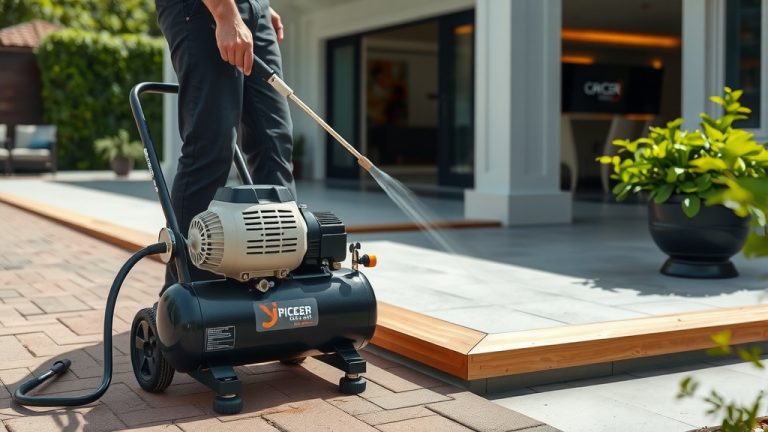
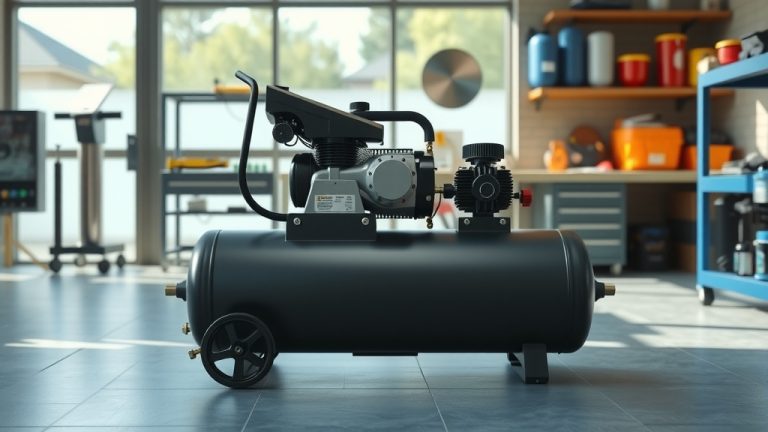
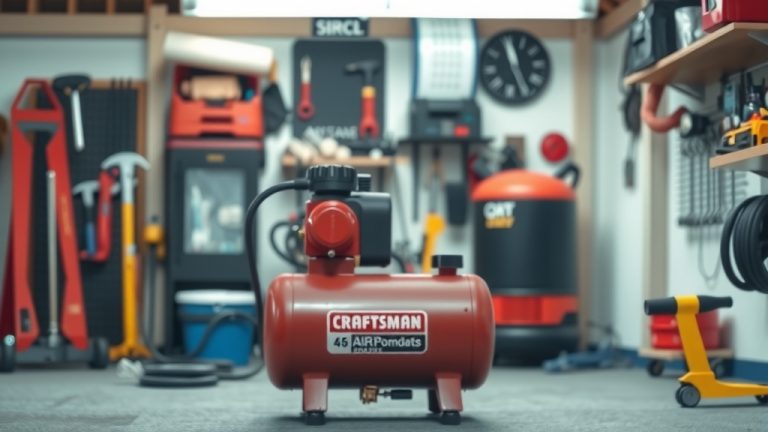
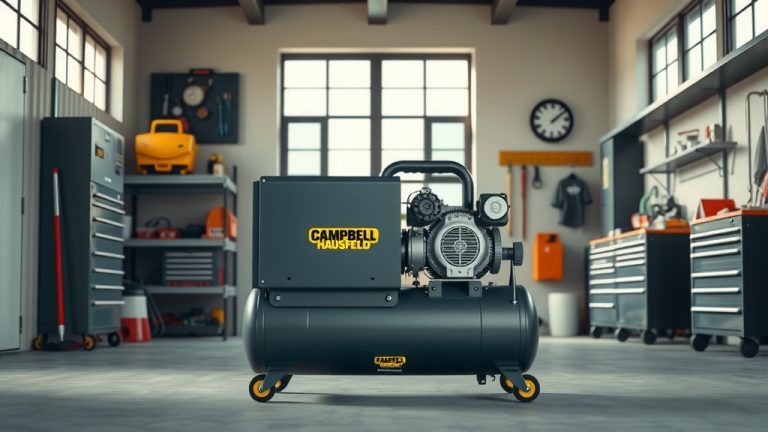
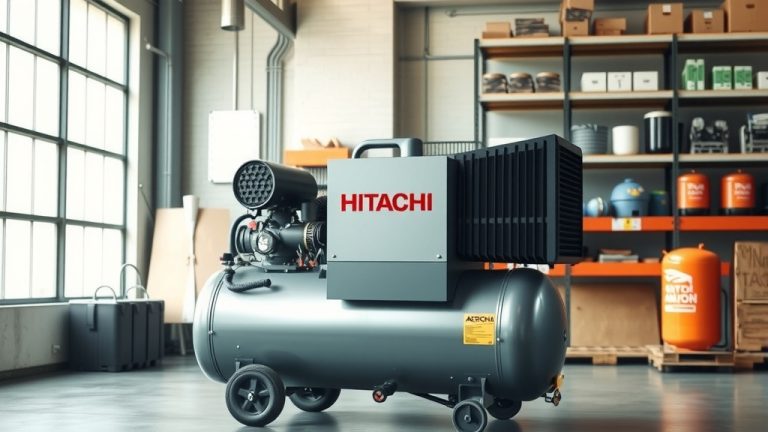
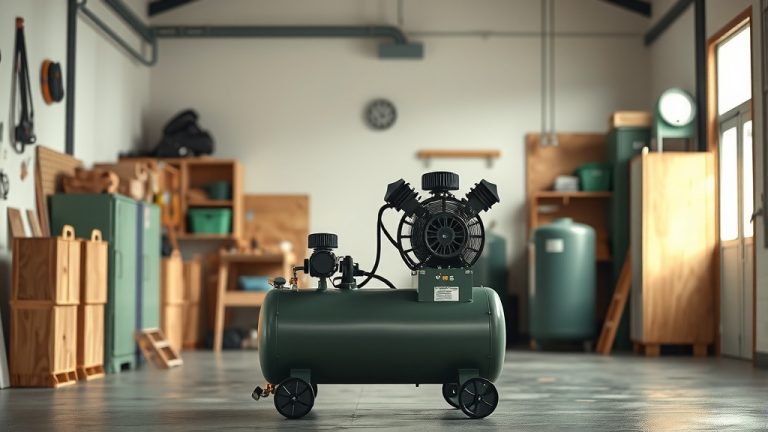
What Is An Oilless Air Compressor?
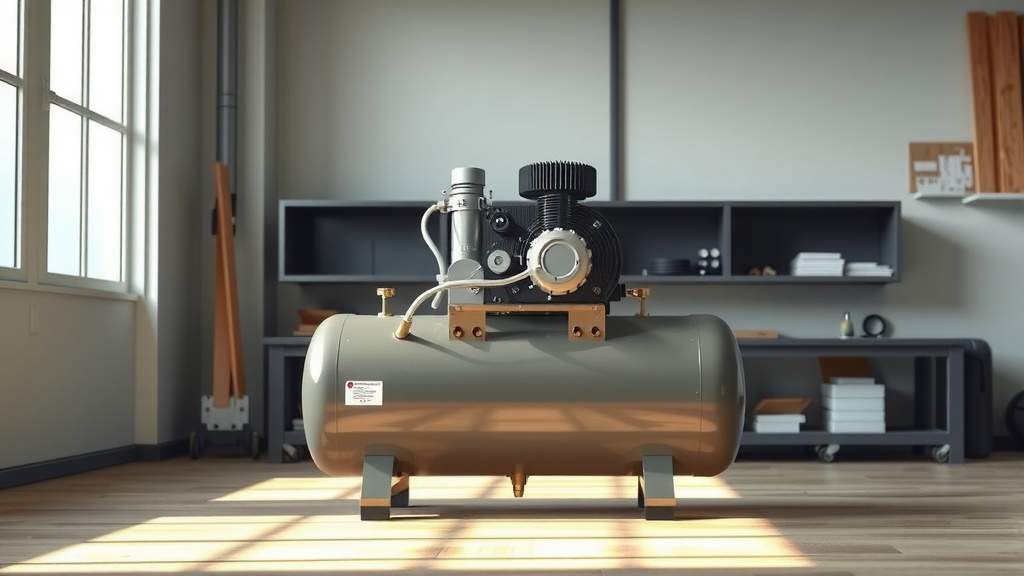
An oilless air compressor operates without any oil in its pump, relying instead on permanent lubrication or specially coated components to minimize friction and wear. This design delivers air that is free from oil contamination.
Essentially, an oilless air compressor uses a sealed, pre-lubricated motor and cylinder assembly, making it a “cleaner” and often lower-maintenance option for various applications.
- An oilless air compressor works without oil in its pump, using special coatings or permanent lubrication.
- It delivers oil-free compressed air, making it ideal for clean applications like painting or food processing.
- You’ll find these compressors are generally lighter, more portable, and require less routine maintenance.
- However, they can sometimes be a bit louder than their oil-lubricated counterparts.
- They are a popular choice for DIYers, small workshops, and sensitive industrial settings.
What Is An Oilless Air Compressor?
An oilless air compressor is exactly what it sounds like: a compressor that runs without oil inside its pump. Instead of oil, these units use a different approach to keep things running smoothly and prevent wear.
Think of it as a “clean air” machine. Its main job is to compress air without introducing any oil vapor or residue into the air stream. This is a big deal for many jobs.
How Do Oilless Compressors Work?
You might wonder, how does it move without oil? We found that oilless compressors often use piston rings made from PTFE (Teflon) or other materials. These materials provide a slippery surface.
The piston moves within the cylinder, and the special coating on these parts, or a permanently sealed, pre-lubricated bearing, reduces friction. This design allows the compressor to operate dry.
When the motor runs, it drives a piston that compresses air in the tank. Since there’s no oil to manage, the system is simpler. It’s like having a non-stick pan inside your compressor pump.
Why Go Oilless? The Key Advantages
Choosing an oilless air compressor brings several benefits. Many people gravitate towards them for their practical perks. You might find these advantages appealing for your own projects.
No Mess, Less Maintenance
One of the biggest pluses is the lack of oil. You won’t have to check oil levels or perform messy oil changes. This means less routine maintenance for you.
Imagine not needing to worry about oil spills or disposing of old oil. It keeps your workspace cleaner. Many experts say this convenience saves time and effort (Consumer Reports).
Cleaner Air for Sensitive Tasks
When you use an oilless compressor, the air coming out is clean and dry. It won’t have any oil particles. This is super important for specific jobs.
If you’re painting cars, using dental tools, or working with food processing, oil-free air is a must. Research confirms that even tiny oil traces can ruin finishes or contaminate products (Pneumatic Handbook).
Lighter and More Portable
Without the need for an oil reservoir or a heavy cast-iron pump, oilless compressors are often lighter. This makes them much easier to move around.
If your work involves moving your compressor from one spot to another, portability is a huge benefit. You can easily transport it to different job sites or around your workshop.
Cost Savings Over Time
While the initial cost might be similar to oil-lubricated models, you save money over time. No oil purchases mean fewer running expenses.
Plus, fewer parts are needed for maintenance, which can lower repair costs. We found that these long-term savings add up for many users.
Are There Any Downsides?
No tool is perfect, right? Oilless compressors have a lot going for them, but there are a couple of things you should know. It’s always good to have the full picture.
Can Be a Bit Louder
Because there’s no oil to dampen mechanical sounds, oilless compressors often run louder. The lack of oil means more direct metal-on-metal or coating-on-metal contact noise.
If noise is a concern for your workspace, this is something to consider. However, newer models are becoming much quieter. Some even feature noise-reducing enclosures.
Shorter Lifespan? Maybe Not Always
Older oilless models sometimes had a reputation for shorter lifespans. This was because the internal coatings could wear out. However, technology has changed.
Modern oilless compressors feature advanced materials and better engineering. Many now offer comparable durability, especially for intermittent use. Quality matters here.
Who Needs an Oilless Air Compressor?
So, who exactly benefits most from these “dry” workhorses? You might be surprised by the range of applications where they shine. Think about your own needs.
Great for DIY Projects
For home hobbyists and DIY enthusiasts, an oilless compressor is often a fantastic choice. They are easy to use and require minimal fuss.
Whether you’re inflating tires, running nail guns, or using airbrushes, these units are straightforward and reliable. No special maintenance knowledge is needed.
Perfect for Home Workshops
If you have a home workshop, you’ll appreciate the clean air an oilless compressor provides. It helps keep your projects free of oil contamination.
Painting, woodworking, or even light automotive tasks benefit from a clean air supply. You won’t have to worry about oil ruining your finish.
Essential in Specific Industries
Certain industries absolutely require oil-free air. Medical and dental offices need sterile environments. Food and beverage production cannot risk contamination.
Electronics manufacturing and pharmaceutical labs also rely on pure compressed air. Oilless compressors are often the only option in these critical settings.
Here’s a quick checklist to see if an oilless compressor is right for you:
- Do you need clean, oil-free air for painting or sensitive work?
- Is low maintenance a top priority?
- Do you need to move your compressor around often?
- Are you okay with potentially slightly higher noise levels?
- Do you primarily use it for intermittent tasks rather than continuous, heavy-duty work?
Oilless vs. Oil-Lubricated: A Quick Comparison
To help you decide, let’s look at the main differences side-by-side. This table should clarify which type might suit your situation best.
| Feature | Oilless Air Compressor | Oil-Lubricated Air Compressor |
|---|---|---|
| Air Quality | Oil-free, clean air | May contain trace oil vapor |
| Maintenance | Very low (no oil changes) | Regular oil checks and changes |
| Noise Level | Generally louder | Generally quieter |
| Portability | Often lighter, more portable | Heavier, less portable |
| Lifespan | Good for intermittent use (improved) | Excellent for continuous, heavy use |
| Cost of Ownership | Lower long-term (no oil costs) | Higher long-term (oil costs, more maintenance) |
Choosing the Right Oilless Compressor for You
When you’re ready to buy, think about your specific needs. How much air (CFM) do you need? What tank size makes sense? What’s your budget?
Consider the noise level too. Some manufacturers offer “quiet” oilless models. It’s worth researching these options if noise is a big factor for your home or shop.
Always check user reviews and ratings. We found that hearing from other users can give you real-world insights into a model’s performance and reliability.
Maintaining Your Oilless Air Compressor
Even though they are low-maintenance, a little care goes a long way. You should regularly drain the air tank to prevent rust. Condensation builds up inside, so release it after each use.
Keep the air intake filter clean. A clogged filter makes the compressor work harder. A simple wipe-down can keep it in top working order.
Periodically check for loose fittings or hoses. This ensures maximum efficiency and safety. Many guidelines point to these simple steps for longevity (Manufacturer Manuals).
Conclusion
An oilless air compressor is a fantastic tool for many applications, especially where clean air and low maintenance are top priorities. You get the benefit of oil-free output without the hassle of regular oil changes.
While they might be a bit louder than their oil-lubricated cousins, their convenience, portability, and the purity of their air output make them a strong contender. For DIYers, home workshops, and specific industrial needs, they truly deliver a reliable and clean performance. Now you have a clearer picture to help you choose wisely!
What are the main advantages of an oilless air compressor?
The main advantages include requiring very little maintenance since there’s no oil to change, delivering clean, oil-free air that’s ideal for painting and sensitive tasks, and often being lighter and more portable for easy transport.
Are oilless air compressors suitable for continuous heavy-duty use?
Oilless air compressors are typically best suited for intermittent or light to medium-duty tasks. For very heavy, continuous industrial applications, traditional oil-lubricated compressors might still offer longer lifespans due to their inherent cooling and lubrication properties.
Do oilless air compressors need any lubrication at all?
While the pump itself doesn’t use liquid oil, components within the pump often come with permanent lubrication or special coatings, like PTFE, that reduce friction and wear. This lubrication is sealed and doesn’t require user intervention.
How do I make an oilless air compressor quieter?
You can try placing the compressor on a rubber mat to absorb vibrations or positioning it in a separate enclosure if possible. Some modern oilless compressors are specifically designed with noise-reduction features, so look for those models if quiet operation is a key concern for you.
What is the typical lifespan of an oilless air compressor compared to an oil-lubricated one?
Historically, oilless compressors had shorter lifespans, but modern technology has significantly improved their durability. For similar usage patterns, a well-maintained oilless compressor can offer a comparable lifespan, though oil-lubricated models still often excel in extreme, continuous use scenarios.