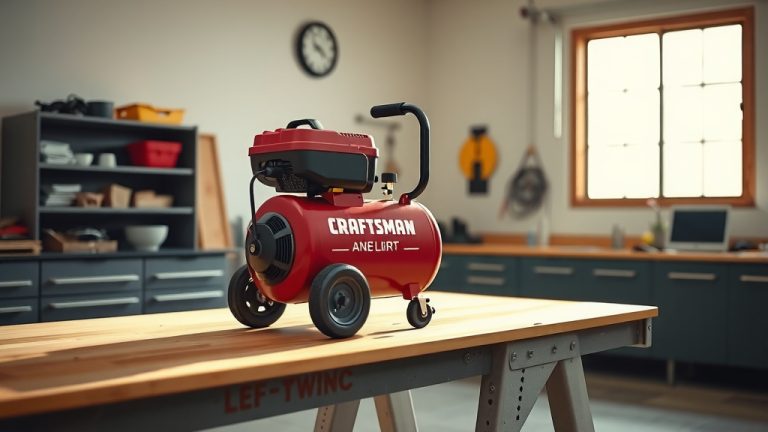
What Is Bar In Air Compressor?
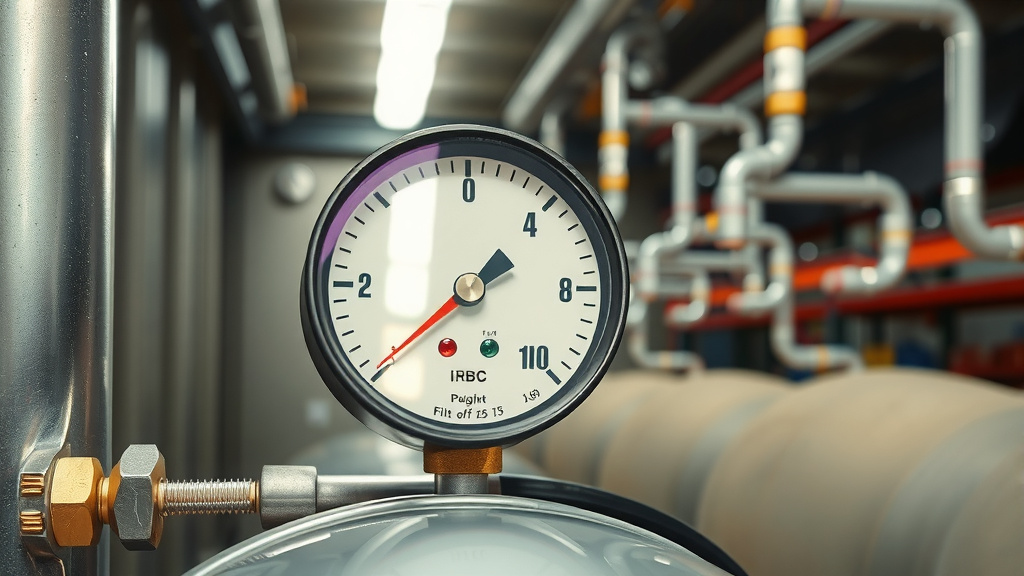
Bar in an air compressor refers to a metric unit of pressure, specifically “bars absolute” or “bars gauge,” indicating the air’s force or intensity. It measures how much compressed air is available to power your tools or applications, essentially telling you the air pressure capacity of your compressor.
Knowing the Bar rating on your air compressor is really important because it directly impacts whether your air tools will operate correctly and efficiently, ensuring you have enough power for the job.
For a quick rundown of what you need to know about “Bar” and your air compressor, here’s the gist:
- Bar is simply a measurement of pressure, like PSI, but often used in different regions.
- It tells you if your air compressor can handle the pressure demands of your specific air tools.
- Matching your compressor’s Bar output to your tool’s requirement prevents underperformance or damage.
- Understanding Bar helps you make smarter purchasing decisions and get the most from your equipment.
- Don’t worry, it’s easier to understand than it sounds once you grasp the basics.
What Is Bar In Air Compressor?
Bar is a unit of measurement for pressure, commonly used to describe the output of air compressors. Think of it as how much push the air inside your tank has to do work.
It’s a straightforward way to quantify the force available from your compressed air system, which is vital for every task you undertake.
Understanding Pressure: Why It Matters
You know that feeling when you try to open a stubborn jar? You need enough force, right? Air compressors are similar.
They need enough pressure to power air tools, inflate tires, or even paint effectively. Without the correct pressure, your tools simply won’t work as intended.
The Basics of Bar Pressure
A “Bar” is a unit of atmospheric pressure. One Bar is roughly equal to the average atmospheric pressure at sea level. So, when your compressor says it delivers 8 Bar, it means it’s providing 8 times that standard pressure.
This measurement helps you understand the intensity of the compressed air coming out. Many experts say that knowing this number is key to equipment longevity.
Comparing Bar to PSI: Your Pressure Guide
You’ve probably heard of PSI (pounds per square inch) too. Bar and PSI are just different units for the same thing: pressure.
It’s like measuring distance in miles or kilometers; both get the job done, but you use what’s familiar or required for your location or tools.
When to Use Bar vs. PSI
While PSI is common in the United States, Bar is widely used in Europe and other parts of the world. Often, tool manufacturers will list requirements in both units.
A simple conversion is good to know: 1 Bar is approximately 14.5 PSI. This means an 8 Bar compressor provides about 116 PSI, giving you a handy reference (NIST).
Why Is Bar Important for Your Tools?
Every air tool has a recommended operating pressure range. If your compressor delivers too little Bar, your tool will lack power and performance.
If it delivers too much, you risk damaging the tool or even creating a safety hazard. It’s all about finding that sweet spot for optimal performance.
Matching Compressor Bar to Tool Needs
Imagine trying to screw in a lightbulb with a hammer. Wrong tool, wrong task. Similarly, using a compressor with insufficient Bar for a heavy-duty impact wrench will leave you frustrated.
Always check the pressure requirements listed on your air tool. We found that this simple step can save you a lot of headache and expense.
Common Bar Ratings You’ll See
Air compressors come in various Bar ratings, designed for different applications. You’ll find small portable units for light tasks and large industrial machines for demanding jobs.
Understanding these typical ranges helps you pick the right compressor for your garage or workshop.
For Home Users and DIY Projects
For tasks like inflating tires, blowing dust, or using a nail gun, a compressor around 6-8 Bar (87-116 PSI) is usually perfect. This range offers enough power for most common home and hobby applications.
Many experts suggest this pressure range for general-purpose use around the house.
For Professional Workshops
In a professional setting, like an auto repair shop or manufacturing plant, you might see compressors offering 10-15 Bar (145-217 PSI) or even higher. These higher pressures support grinders, sanders, paint sprayers, and other heavy-duty air tools.
These larger units are built for continuous, high-demand operation, ensuring consistent power for busy environments.
How to Check Your Compressor’s Bar Output
Most air compressors come equipped with a pressure gauge. This gauge displays the current pressure inside the tank and often the regulated output pressure.
Learning to read this gauge is one of the most fundamental skills for any air compressor owner. It’s usually a simple dial, much like a car’s speedometer.
Reading Your Compressor’s Gauge
Look for the numbers on the gauge; they will typically show both PSI and Bar. The needle points to the current pressure. You’ll also find a regulator knob, which you can adjust to control the output Bar to your tools.
Many guidelines point to always checking your gauge before starting a job to ensure you have the right pressure (OSHA guidelines often remind us of equipment safety checks).
What Affects Bar Output?
Several factors can influence your compressor’s actual Bar output. These include the compressor’s motor size, tank capacity, and even the quality of your air lines and fittings.
A leak in an air hose, for example, can significantly drop the effective Bar reaching your tool. We found that regular maintenance really helps here.
Tips for Optimizing Your Air Compressor’s Performance
Getting the most out of your air compressor isn’t just about turning it on. A few smart practices can really make a difference.
Here’s a quick checklist to help you maintain optimal performance and ensure your Bar output is always spot on:
- Regularly drain condensation from the tank.
- Check air filters and clean or replace them often.
- Inspect hoses and connections for any leaks.
- Match air tools to your compressor’s Bar and CFM ratings.
- Keep the compressor in a clean, well-ventilated area.
- Don’t exceed the compressor’s maximum pressure rating.
Maintaining Optimal Pressure for Longevity
Think of your compressor like a finely tuned instrument; it needs care. We found that consistent maintenance and proper pressure management directly affect its lifespan.
Understanding the difference between the compressor’s maximum Bar and your tool’s required Bar is a small detail that pays big dividends in avoiding wear and tear.
| Unit | Abbreviation | Conversion to PSI (approx.) | Common Use |
|---|---|---|---|
| Bar | bar | 14.5 PSI | Europe, International, Industrial |
| Pounds per Square Inch | PSI | 1 PSI | United States, Automotive |
| Pascal | Pa | 0.000145 PSI | Scientific, Engineering (very small) |
Conclusion
Understanding what Bar means for your air compressor is really about giving your tools the right amount of oomph. It’s not just a technical term; it’s a practical guide that helps you choose the right compressor, use your tools safely, and keep everything running smoothly.
By paying attention to Bar ratings, maintaining your equipment, and knowing how to adjust settings, you can ensure your air compressor is a reliable workhorse for all your projects. It’s about smart usage for powerful results.
What is a good Bar for an air compressor?
A “good” Bar rating for an air compressor really depends on what you plan to do with it. For most home users and DIY tasks like inflating or nail guns, 6-8 Bar is often sufficient. For professional use with heavier tools, you’ll need higher ratings, typically 10-15 Bar or more.
How do I convert Bar to PSI for my air tools?
To convert Bar to PSI, you can use a simple multiplication: 1 Bar is approximately equal to 14.5 PSI. So, if your compressor is 8 Bar, you multiply 8 by 14.5 to get roughly 116 PSI. Many gauges display both units for your convenience.
Can I use an air tool with a higher Bar requirement than my compressor provides?
No, you shouldn’t use an air tool if its Bar requirement is consistently higher than your compressor’s output. The tool won’t operate at its full capacity, leading to poor performance, inefficiency, and potentially even damage to the tool or compressor over time. Always match your compressor’s output to your tool’s needs.
Does the tank size affect the Bar output of an air compressor?
Tank size primarily affects how long your compressor can deliver a consistent air supply, not its maximum Bar output. A larger tank stores more compressed air, meaning the compressor motor won’t have to run as frequently to maintain the desired Bar pressure for continuous use. The motor and pump determine the maximum Bar achievable.
Why is my air compressor not reaching its advertised Bar pressure?
If your air compressor isn’t reaching its advertised Bar pressure, check for common issues like air leaks in hoses or fittings, a dirty air filter, or an improperly adjusted regulator. A worn-out pump or motor can also be a cause. Regular maintenance and inspection can help you diagnose and fix these problems.