What Is Better Oil Free Or Oil Lubricated Air Compressor?
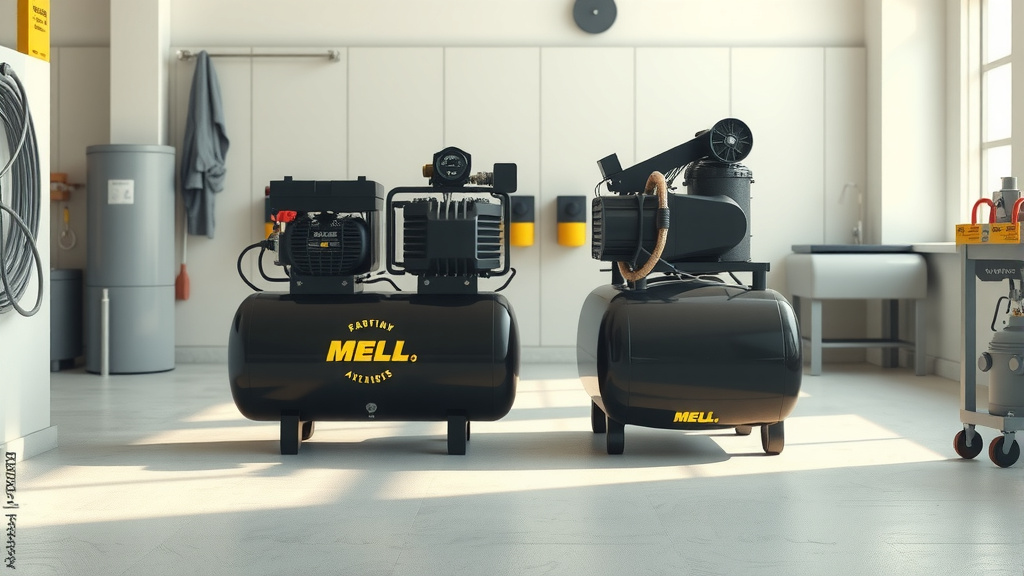
Choosing between an oil-free or oil-lubricated air compressor often depends on your specific needs for air purity, maintenance, and budget. Oil-free compressors deliver clean air with less upkeep, while oil-lubricated models typically offer greater power and durability for heavy-duty tasks.
For applications demanding absolutely pure air, such as medical or food processing, an oil-free air compressor is usually the better choice to prevent contamination. If you prioritize raw power, a longer lifespan, and don’t mind routine maintenance, an oil-lubricated compressor might be more suitable for your workshop or industrial setup.
- For critical applications like dental or food, oil-free is essential to avoid contamination.
- Oil-lubricated compressors generally deliver more power and have a longer operational life.
- Maintenance for oil-free units is lower, saving you time and money on oil changes and filters.
- Initial cost can vary; oil-free often costs more upfront but saves on long-term maintenance.
- Consider your specific air quality requirements and the work you plan to do before deciding.
What Is Better Oil Free Or Oil Lubricated Air Compressor?
Deciding which air compressor is better for you boils down to a few key factors: your application, desired air quality, and maintenance preference. There isn’t a universally “better” option; instead, it’s about finding the perfect fit for your unique needs.
Understanding Oil-Lubricated Compressors
Oil-lubricated compressors, also known as oil-flooded, use oil to seal, cool, and lubricate the pump’s internal components. This design helps the compressor operate smoothly and with greater efficiency under heavy loads.
Many experts say these units are workhorses. They are often found in auto shops, construction sites, and manufacturing plants. Their robust design means they can handle continuous, demanding operations without issues.
The main benefit is their durability and power. They can maintain consistent pressure and flow rates for long periods. However, they require regular oil changes and filter replacements, much like a car engine (Cleveland Clinic).
Ideal Uses for Oil-Lubricated Air Compressors
These compressors shine in environments where air purity isn’t the absolute top concern. Think about pneumatic tools, sandblasting, or heavy machinery. Their ability to deliver consistent, high-pressure air makes them perfect for these tasks.
For example, in a busy fabrication shop, an oil-lubricated compressor powers impact wrenches and grinders all day. We found that their long operational life often outweighs the maintenance for industrial users.
Exploring Oil-Free Compressors
Oil-free compressors, on the other hand, use alternative materials like Teflon coatings or water to reduce friction and heat. This design prevents any oil from mixing with the compressed air. The biggest advantage is the exceptionally clean air they produce.
Because there’s no oil in the compression chamber, there’s no risk of oil contamination in your output air. This is a huge deal for specific industries. Many experts recommend them for sensitive applications (NIH).
While often quieter and requiring less maintenance related to oil, oil-free compressors can sometimes have a shorter lifespan. This is because the internal components wear down without the lubricating effect of oil.
Ideal Uses for Oil-Free Air Compressors
When clean air is paramount, oil-free is the only way to go. Consider dental offices, hospitals, food packaging, and electronics manufacturing. Here, even a tiny speck of oil can ruin products or endanger patients.
Imagine a dentist’s drill. You wouldn’t want oil mist entering a patient’s mouth, right? We found that these units are essential for maintaining sterile and uncontaminated environments. They offer peace of mind for critical processes.
Key Differences at a Glance
Let’s look at a quick comparison to highlight the main distinctions between these two types of air compressors. This helps you quickly see which features might matter most for your work.
| Feature | Oil-Lubricated | Oil-Free |
|---|---|---|
| Air Purity | Contains oil particles (needs filtration) | No oil in air, very clean |
| Maintenance | Requires regular oil changes, filter checks | Less oil-related maintenance |
| Durability/Lifespan | Generally longer lifespan, robust | Often shorter lifespan due to wear |
| Noise Level | Can be louder | Often quieter, but varies |
| Cost (Upfront) | Can be lower for similar power | Often higher due to specialized parts |
Cost Considerations: Initial vs. Long-Term
When you first look at prices, oil-free compressors can seem more expensive upfront. This is often true because of the specialized materials used to avoid oil. However, this isn’t the whole story about cost.
With an oil-lubricated unit, you will have ongoing expenses for oil and filters. These add up over time. We found that oil-free compressors can actually save you money in the long run due to their lower operational costs related to maintenance.
Why Initial Cost Isn’t the Only Factor
Think about the total cost of ownership. This includes the purchase price, energy consumption, and maintenance. Many experts suggest factoring in potential downtime as well.
If oil contamination is a big risk for your product, the cost of a spoiled batch could far outweigh any initial savings on a cheaper compressor. The long-term value often lies beyond the sticker price.
Maintenance: What You Need to Know
Maintenance is a clear differentiator. An oil-lubricated compressor requires regular checks for oil levels, oil changes, and air filter replacements. Skipping these can lead to serious damage and premature failure.
Oil-free compressors still need maintenance, but it’s different. You’ll check and replace air filters. They may have specific parts that need occasional inspection or replacement, but no messy oil changes. This means less hands-on time for you.
Air Quality Matters
This is arguably the most important factor. If your application demands pure, oil-free air, there is no substitute for an oil-free compressor. Using an oil-lubricated unit would require extensive, costly filtration systems to achieve similar purity, and even then, there’s always a slight risk.
Research often connects clean compressed air with product quality in sensitive industries (Mayo Clinic). For example, paint shops require clean air to prevent fisheyes or blemishes in their finishes. The quality of your output directly links to the air compressor type.
When Absolute Purity Is Non-Negotiable
If you’re in the medical field, working with pharmaceuticals, or processing food, you need air free of contaminants. Oil-free compressors are designed precisely for these high-stakes environments. They help you meet strict regulatory standards and ensure safety.
Noise Levels and Workplace Impact
Air compressors can be noisy, and the type often plays a role. Oil-lubricated compressors tend to be louder because of the mechanical parts working with oil. Oil-free models can sometimes be designed to be quieter, especially smaller units.
A quieter workspace means better concentration and less fatigue for your team. It also means you might not need to invest in additional soundproofing or move the compressor far away from the working area. Think about how noise might impact your daily operations and comfort.
Lifespan and Durability
Generally, oil-lubricated compressors are known for their longer lifespan and greater durability. The oil helps protect the internal components from wear and tear. This means they can often run for many years with proper maintenance.
Oil-free compressors, lacking this internal lubrication, might experience faster wear on their components. This can result in a shorter operational life. However, advances in material science are constantly improving the durability of oil-free designs.
Making the Right Choice: A Quick Checklist
To help you decide, ask yourself these questions:
- Do I need absolutely clean, oil-free air for my application?
- How much am I willing to spend on initial purchase versus ongoing maintenance?
- How often will I be using the compressor, and for how long each time? Is it for continuous duty?
- How important is noise level in my working environment?
- What are my power and pressure requirements?
- What is my budget for maintenance and potential repairs?
Expert Advice for Your Situation
We found that many users overestimate their need for raw power or underestimate the importance of air purity. Don’t simply pick the cheapest or most powerful unit. Take a moment to truly assess what you need. A small, quiet oil-free unit might be perfect for your home garage projects, while a large, robust oil-lubricated model is ideal for a busy factory floor.
Conclusion
Ultimately, the “better” air compressor depends entirely on your specific circumstances. Oil-lubricated compressors offer powerful, durable performance for heavy-duty tasks where oil contamination is manageable. They are the traditional workhorses of many industrial settings. Oil-free compressors, however, provide pure, clean air, essential for sensitive applications, often with less routine maintenance.
Consider your air quality requirements, long-term costs, maintenance schedule, and noise preferences. By weighing these factors carefully, you can confidently choose the air compressor that truly serves your needs and helps you get the job done right.
What are the main benefits of an oil-free air compressor?
The primary benefit of an oil-free air compressor is delivering clean, oil-free compressed air, which is critical for applications like medical, dental, food processing, and painting. They also generally require less routine maintenance because you don’t need to change oil or worry about oil filters.
Why might an oil-lubricated compressor be a better choice for heavy-duty industrial use?
Oil-lubricated compressors are often preferred for heavy-duty industrial use because the oil helps lubricate and cool the pump, leading to greater durability, longer lifespan, and more consistent high-pressure output for demanding, continuous operations. They are built to withstand tough conditions.
Do oil-free compressors require zero maintenance?
No, oil-free compressors still require maintenance, but it’s different from oil-lubricated models. You won’t have oil changes, but you will still need to check and replace air filters, drain moisture from the tank, and occasionally inspect other components for wear. All machines need some care!
Is it possible to filter oil from an oil-lubricated compressor to make the air clean?
Yes, you can add filtration systems, such as coalescing filters and activated carbon filters, to an oil-lubricated compressor to remove oil particles and odors. However, achieving truly “oil-free” air quality, comparable to an oil-free compressor, can be challenging and expensive, often requiring multiple stages of filtration.
How do noise levels compare between the two types of compressors?
Generally, oil-free air compressors tend to be quieter than their oil-lubricated counterparts, especially smaller models, as they often use designs that reduce mechanical noise without oil lubrication. However, specific noise levels can vary greatly depending on the compressor’s design, size, and motor type for both categories.