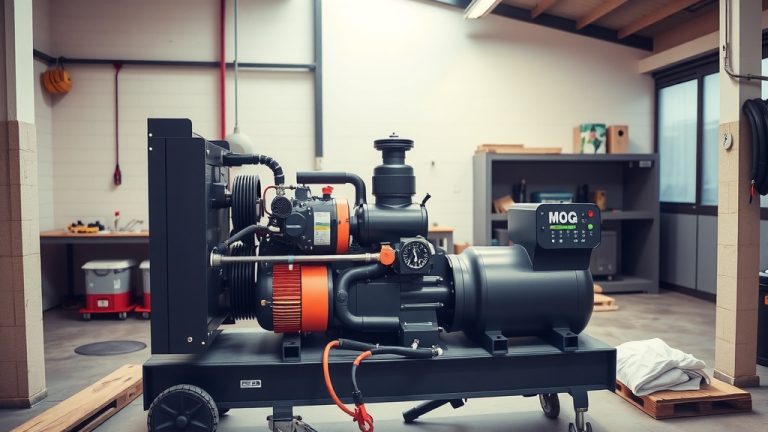
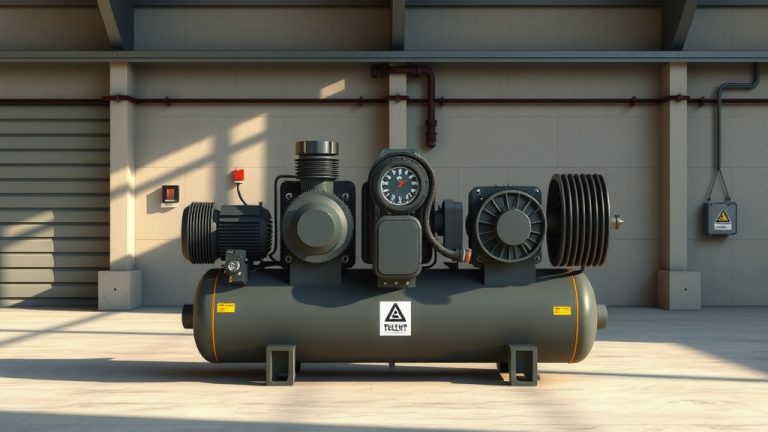
What Is Better Oil Or Oil Free Air Compressor?
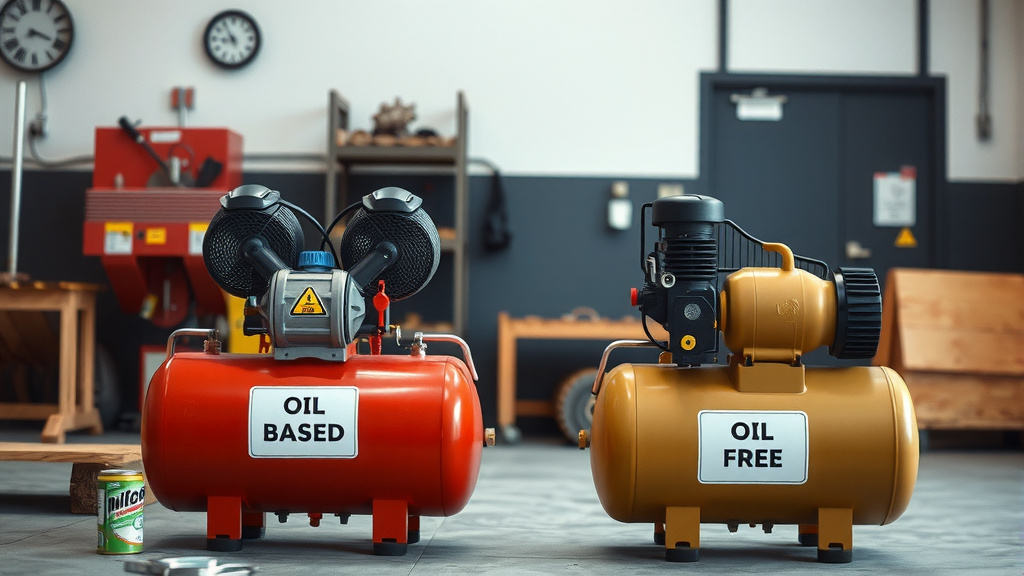
Choosing between an oil or oil-free air compressor depends on your specific application and the level of air purity required.
Oil-free air compressors deliver pure air without oil contamination, while oil-lubricated models often offer more durability and quiet operation.
- For applications needing truly pure, contaminant-free air, oil-free compressors are your go-to.
- If durability, quieter operation, and heavier duty cycles are priorities, oil-lubricated compressors usually shine.
- Think about your budget, noise tolerance, and how much maintenance you are willing to do.
- Industries like medical, food processing, and electronics production strictly need oil-free air.
- General workshops and construction sites often find oil-lubricated units more robust and cost-effective.
What Is Better Oil Or Oil Free Air Compressor?
There isn’t a single “better” option; the ideal air compressor for you hinges entirely on your specific needs. Both oil-lubricated and oil-free models offer distinct advantages and disadvantages.
Understanding Oil-Lubricated Air Compressors
Oil-lubricated air compressors are the traditional workhorses in many industries. They use oil to seal, lubricate, and cool the compressor pump.
How Do They Work?
In these compressors, oil plays a role in the compression process. It helps reduce friction on moving parts, keeps the unit cool, and creates a better seal for efficient air compression. This means less wear and tear on components.
Key Benefits of Oil-Lubricated Units
We found that oil-lubricated compressors generally offer a longer lifespan due to the oil protecting internal parts. They often run much quieter than their oil-free counterparts, which is a big plus in many environments. Many experts say they are often more robust and handle heavy-duty applications well (Compressed Air & Gas Institute).
Potential Drawbacks to Consider
The main downside is that oil can mix with the compressed air, leading to contamination. If your application demands very clean air, you’ll need filters, which add cost and maintenance. They also require regular oil changes, just like your car.
Getting to Know Oil-Free Air Compressors
Oil-free compressors are designed to produce air that is completely free of oil particles. They achieve this using different materials and designs.
The Oil-Free Mechanism Explained
These compressors often use coatings like Teflon or water as a lubricant and sealant instead of oil. This design ensures that no oil comes into contact with the air being compressed. It’s all about delivering pure air from start to finish.
Why Choose an Oil-Free Compressor?
If you need the cleanest air possible, an oil-free unit is non-negotiable. This is vital for certain sensitive applications. They also require less routine maintenance in terms of oil changes, which can save you time and effort.
Are There Any Disadvantages?
Oil-free compressors tend to be noisier because they lack the oil’s dampening effect. They might also have a shorter lifespan compared to well-maintained oil-lubricated models, as there’s no oil to protect moving parts from friction and heat. Initial purchase costs can sometimes be higher as well.
Who Needs Oil-Free Air? Essential Applications
Certain industries simply cannot risk oil contamination in their compressed air. We found that the requirements for air purity are very strict in these fields. Are you in one of these critical sectors?
- Medical and Dental: For patient care, surgical tools, and respirators.
- Food and Beverage: Packaging, processing, and direct contact with products.
- Pharmaceuticals: Manufacturing drugs where purity is paramount.
- Electronics: Preventing damage to sensitive components during assembly.
- Laboratory Use: Ensuring accurate results for experiments and analysis.
When is an Oil-Lubricated Compressor the Right Fit?
For many general applications, an oil-lubricated compressor is a fantastic choice. If you’re not dealing with sensitive products or processes, their durability and cost-effectiveness shine. Think about your home garage, a construction site, or a busy auto repair shop. Many experts agree these units often provide better performance in demanding, continuous-use scenarios.
Oil vs. Oil-Free: A Quick Comparison Table
Here’s a quick overview to help you weigh your options. This table summarizes the main points we’ve discussed.
| Feature | Oil-Lubricated Compressor | Oil-Free Compressor |
|---|---|---|
| Air Purity | Can have oil contamination | No oil contamination |
| Noise Level | Generally quieter | Often louder |
| Maintenance | Requires oil changes, filter checks | Less frequent lubrication checks, filter changes |
| Lifespan | Potentially longer with proper care | Can be shorter due to friction |
| Cost (Initial) | Often lower | Can be higher |
Maintenance Matters: What You Should Know
No matter which type you choose, regular maintenance is essential for longevity and peak performance. Ignoring upkeep can lead to costly breakdowns. It’s like taking care of your car; a little attention goes a long way.
Oil Compressor Maintenance Checklist
Keeping an oil-lubricated compressor running smoothly involves a few key steps:
- Check the oil level frequently.
- Change the compressor oil regularly.
- Inspect and replace air filters as needed.
- Drain moisture from the tank daily.
- Clean cooling fins for efficient operation.
- Check for leaks in hoses and fittings.
Oil-Free Compressor Maintenance
While you skip oil changes, oil-free compressors still need care. Focus on keeping the air intake clean and replacing worn parts like piston rings or seals that handle the friction. Regularly checking and replacing air filters is also critical to maintaining air quality.
Noise Levels: A Sound Decision
Have you thought about where you’ll be using your air compressor? Oil-lubricated models often run quieter because the oil dampens internal sounds. This can make a huge difference in a workshop where you spend hours. Oil-free compressors, without that oil buffer, tend to be louder. If noise is a concern, check the decibel rating before you buy.
Considering Your Budget and Long-Term Costs
The purchase price is just one part of the equation. Oil-lubricated compressors often have a lower initial cost. However, you’ll factor in the ongoing expense of buying oil and replacement oil filters. Oil-free units might have a higher upfront price tag, but their operational costs can be lower over time due to fewer consumables. Always look at the total cost of ownership, not just the sticker price.
Conclusion
Choosing between an oil or oil-free air compressor boils down to your specific needs. There’s no one-size-fits-all answer. If your work demands pristine, oil-free air, like in medical or food processing, then an oil-free compressor is the only way to go. For general use, heavy-duty applications, or where quiet operation is a priority, an oil-lubricated model often presents a more durable and cost-effective solution. Consider your air purity requirements, noise tolerance, maintenance preferences, and budget carefully. Asking yourself these questions will guide you to the right compressor for your tasks.
FAQs
How often do I need to change the oil in an oil-lubricated compressor?
Many experts suggest changing the oil every 3-6 months or after a specific number of operating hours, typically around 100-200 hours, depending on usage and the manufacturer’s recommendations. Heavy use or dusty environments might require more frequent changes. Always check your compressor’s manual for precise guidance.
Do oil-free compressors require any lubrication at all?
No, the compression chamber in an oil-free compressor does not use oil for lubrication. They often rely on specialized coatings on parts or water to reduce friction. However, some external components, like bearings in the motor, might still require separate lubrication, so always refer to the specific model’s manual.
Can I convert an oil-lubricated compressor to an oil-free one?
No, you cannot convert an oil-lubricated compressor into an oil-free one. The design and internal components of each type are fundamentally different. An oil-lubricated compressor’s parts are designed to operate with oil, while oil-free units use different materials and seals. Attempting a conversion would likely damage the unit.
Are oil-free compressors always more expensive?
Initially, oil-free compressors often have a higher purchase price than comparable oil-lubricated models. This is due to the advanced materials and engineering required to achieve oil-free operation. However, over the long term, the reduced maintenance costs (no oil to buy) can sometimes balance the total cost of ownership.
What impact does humidity have on air compressor performance?
High humidity can increase the amount of condensation in your air compressor’s tank, leading to more frequent draining. It can also impact air tool performance and potentially cause rust inside the tank or connected equipment. Using an air dryer or moisture separator can help mitigate these issues, ensuring your compressed air is clean and dry.