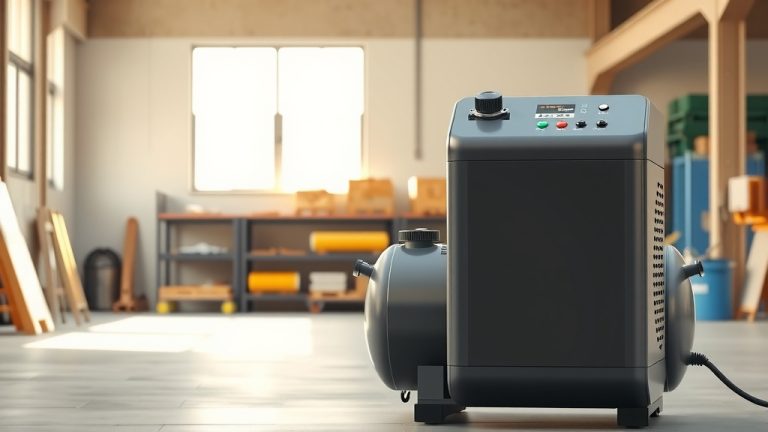
What Is Cut In Pressure On Air Compressor?
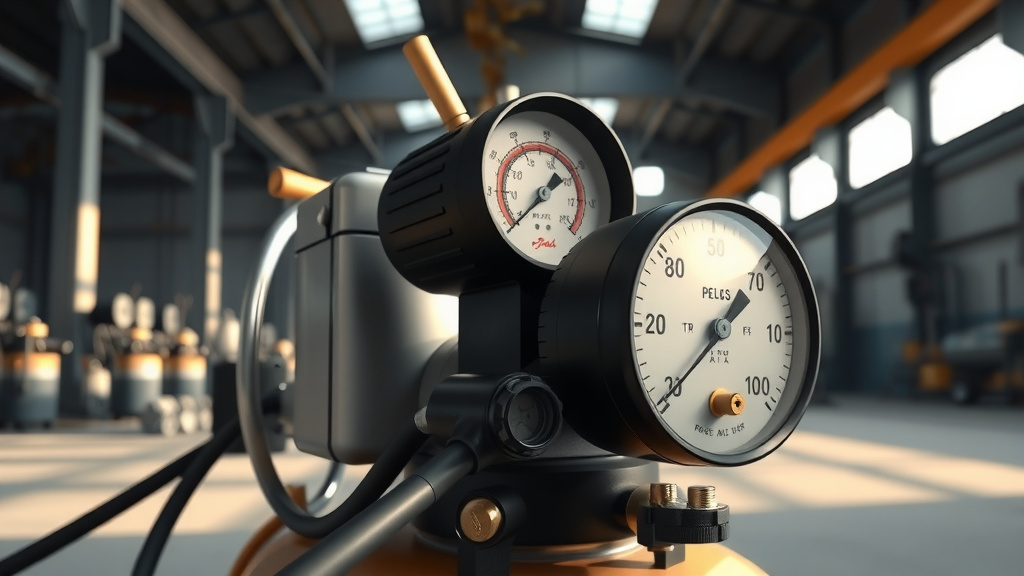
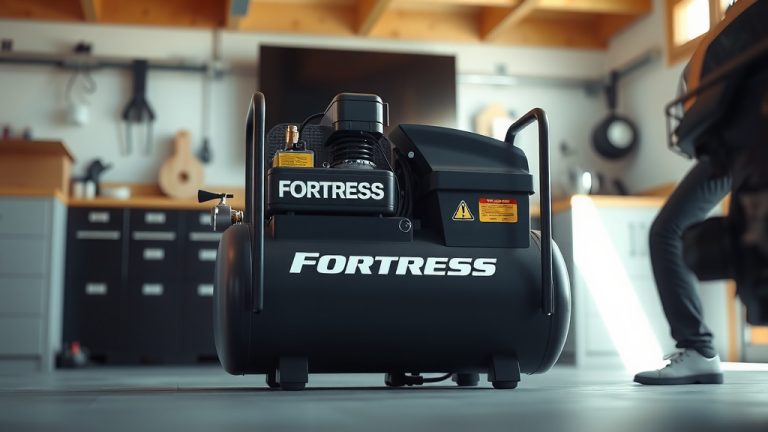
The cut-in pressure on an air compressor is the specific pressure level in the tank that triggers the compressor motor to turn on and begin refilling the tank with compressed air. Think of it as the lower limit you set for your air supply, ensuring your tools always have enough power to operate efficiently.
Essentially, it’s the wake-up call for your compressor, telling it, “Hey, it’s time to get back to work and build up that pressure again!” This setting works in tandem with the cut-out pressure to maintain a consistent air supply for your projects.
Here’s a quick rundown of what you’ll find:
- Your air compressor’s “cut-in pressure” is when it automatically starts compressing air again.
- It’s a crucial setting for maintaining a steady air supply for your tools.
- Adjusting it changes when your compressor kicks on, impacting its runtime.
- Understanding this setting helps you optimize compressor performance and lifespan.
- We’ll cover how it works, why it matters, and how you might adjust it.
What Is Cut In Pressure On Air Compressor?
The cut-in pressure is simply the point where your air compressor automatically restarts to pump air into its storage tank. This ensures you always have a consistent pressure for your tasks.
Understanding How Your Compressor Works
Imagine your air compressor as a vigilant guardian of your air supply. As you use your air tools, the pressure inside the compressor’s tank gradually drops. It’s like a balloon slowly deflating.
This drop doesn’t go unchecked. There’s a specific threshold, a tripwire if you will, that tells the compressor it’s time to get busy again. That tripwire is the cut-in pressure setting.
The Pressure Switch: Your Compressor’s Brain
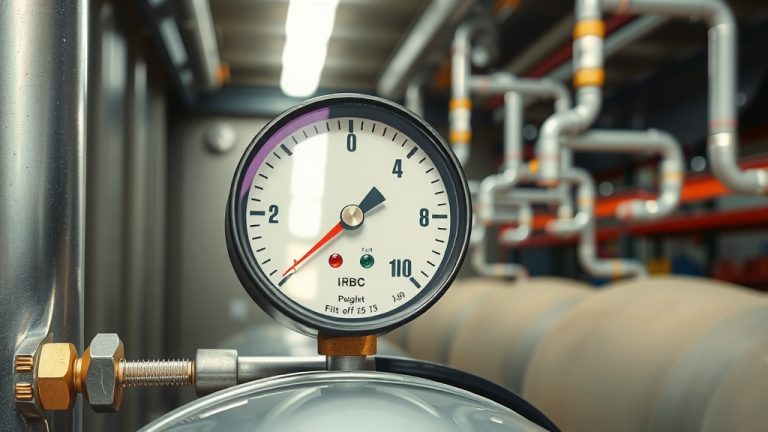
At the heart of this process is the pressure switch. This small but mighty component monitors the air pressure within your compressor’s tank. It’s always keeping an eye on things.
Many experts say this switch is one of the most vital parts for automatic operation. It has two key settings: the cut-in pressure and the cut-out pressure. These two work together seamlessly.
When Your Compressor Kicks In
When the tank pressure falls to the cut-in pressure point, the pressure switch sends a signal. This signal tells the compressor motor, “Okay, time to turn on!” The motor then fires up.
The compressor starts pumping air, refilling the tank. It will continue to run until it reaches the higher setting, which is called the cut-out pressure. We’ll talk about that later.
Why Cut-In Pressure Matters to You
Why should you care about this setting? Well, it directly impacts your work. If your cut-in pressure is too low, your tools might experience a drop in performance. You don’t want that.
It also affects the compressor’s cycle time. A properly set cut-in pressure helps your compressor run efficiently. This saves energy and can extend the life of your unit, which is always good news.
How Cut-In and Cut-Out Pressure Work Together
Think of cut-in and cut-out as the floor and ceiling for your tank pressure. The cut-in is the floor, signaling “start pumping.” The cut-out is the ceiling, signaling “stop pumping.”
The difference between these two points is known as the pressure differential or pressure band. This band keeps your compressor from constantly turning on and off, which would wear it out fast.
Typical Pressure Settings You Might See
Most common air compressors might have a cut-in pressure around 90 PSI. They would then cut-out at about 120 PSI. This gives you a 30 PSI operating range.
Larger industrial compressors could have much higher settings, such as 140 PSI cut-in and 175 PSI cut-out (OSHA guidelines often dictate specific safety limits for these). We found that typical household units are far less. However, your specific needs will vary.
Adjusting Your Compressor’s Cut-In Pressure
Can you change these settings? Often, yes! Many compressors have an adjustable pressure switch. It might involve turning a screw or adjusting a knob on the switch itself.
Always consult your compressor’s manual first. Messing with these settings without knowing what you’re doing can be risky. You want to stay safe and protect your equipment.
When Might You Adjust It?
You might adjust the cut-in pressure if your air tools need a higher minimum pressure to operate effectively. Or, perhaps, you want to reduce how often your compressor cycles.
For example, if your air nailer sometimes struggles, a slightly higher cut-in pressure could help. But remember, higher pressure means more work for your compressor.
Impact on Compressor Lifespan and Energy
A compressor that cycles too often (a small pressure differential) will wear out faster. Each start-up puts stress on the motor. We found that frequent starts shorten motor life.
Similarly, constantly running at very high pressures also uses more electricity. Finding the right balance for your cut-in pressure is key for both longevity and energy efficiency.
Troubleshooting Common Cut-In Pressure Issues
What if your compressor isn’t cutting in at all, or it’s starting at the wrong pressure? Here are some things to check:
- Pressure Switch Malfunction: The switch itself might be faulty or dirty.
- Leaks in the System: A leak can cause pressure to drop faster than normal.
- Incorrect Adjustment: The settings might have been accidentally changed.
- Electrical Issues: Problems with power supply can affect the motor starting.
- Clogged Air Filter: This can reduce efficiency and put strain on the system.
Many experts recommend checking for leaks first if you suspect issues (Compressed Air & Gas Institute guidance). A simple soapy water test can reveal small leaks quickly.
Checklist for Cut-In Pressure Troubleshooting
- Is the compressor plugged in and receiving power?
- Are all air connections tight and leak-free?
- Has the pressure switch been tampered with or adjusted?
- Is the tank draining properly to remove moisture?
- Does the pressure gauge seem accurate?
Comparing Different Compressor Types
The concept of cut-in pressure applies to many types of compressors. However, the specific settings and adjustability can vary greatly.
| Compressor Type | Typical Cut-In Range (PSI) | Adjustability |
|---|---|---|
| Small Portable (Pancake, Hotdog) | 70-90 PSI | Limited or none |
| Medium Workshop (Vertical, Horizontal) | 90-110 PSI | Often adjustable |
| Industrial/Rotary Screw | 120-175 PSI+ | Highly adjustable, electronic controls |
As you can see, smaller units are more set-it-and-forget-it. Larger, more professional systems offer much more control. This is important for diverse applications.
Conclusion
Understanding the cut-in pressure on your air compressor is more than just technical jargon. It’s about optimizing your workflow, extending the life of your valuable equipment, and ensuring you always have the air power you need.
By knowing how this simple setting works, and how to properly maintain it, you’re taking a big step toward being a more efficient user. Keep those pressures balanced, and your compressor will thank you with years of reliable service!
What is the difference between cut-in and cut-out pressure?
The cut-in pressure is the lower threshold where your air compressor turns on to refill the tank, while the cut-out pressure is the higher threshold where it turns off once the desired pressure is reached. They define the operating range for your compressor.
Can I adjust the cut-in pressure on my air compressor?
Many air compressors, especially medium to large workshop and industrial models, have adjustable pressure switches that allow you to modify the cut-in and cut-out pressure settings. Always consult your specific compressor’s user manual before making any adjustments.
What happens if my cut-in pressure is set too low?
If your cut-in pressure is set too low, your air tools might experience inconsistent power or performance issues as the tank pressure drops significantly before the compressor restarts. It can also lead to longer tool downtime waiting for the tank to refill.
How often should my air compressor cycle on and off?
The ideal cycling frequency depends on usage, but a general rule is that a compressor should not cycle on and off too rapidly. Frequent short cycles can increase wear and tear on the motor and components. A well-maintained system with a proper pressure differential will cycle less frequently.
Does cut-in pressure affect air tool performance?
Yes, the cut-in pressure directly affects air tool performance. If the cut-in pressure is below the minimum operating pressure required by your tools, they may not function correctly or efficiently. Maintaining an adequate cut-in pressure ensures a steady and powerful air supply.