What Is Oil Free Air Compressor?
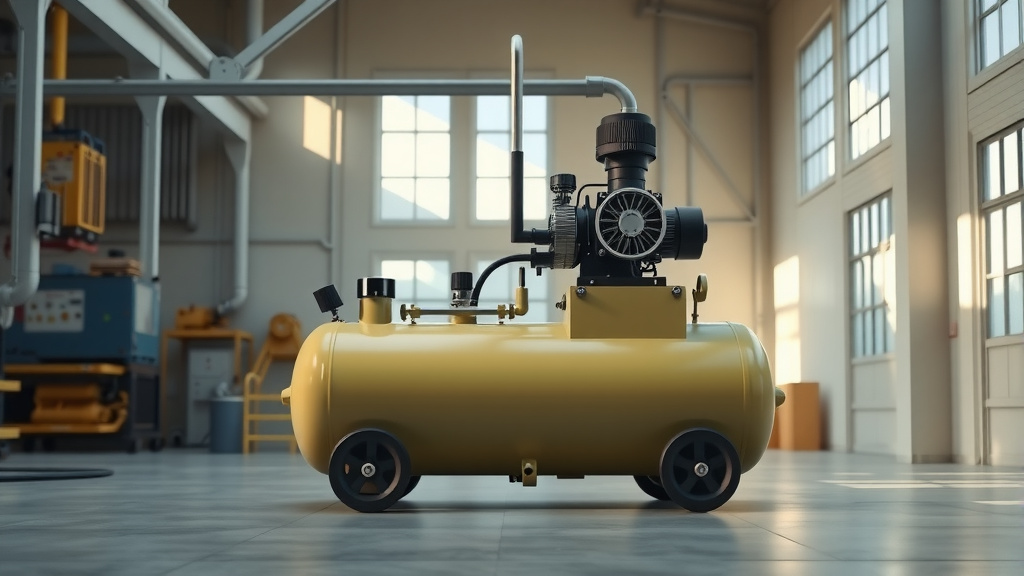
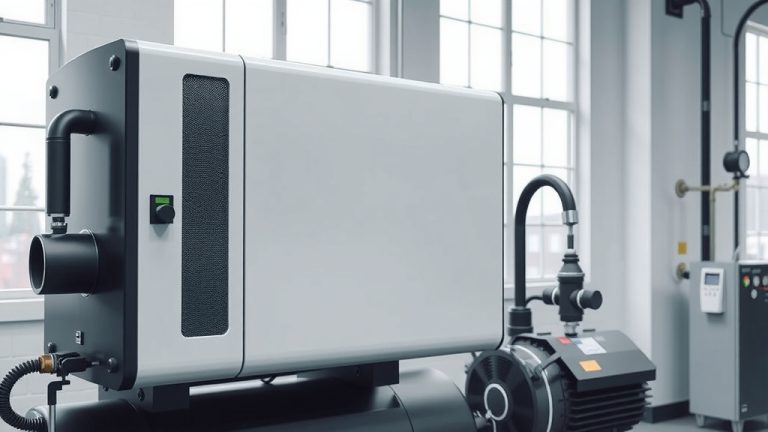
An oil-free air compressor is a type of air compressor that operates without any lubrication oil in its compression chamber, producing clean, uncontaminated compressed air.
This specialized design ensures that no oil particles or vapors mix with the air stream, making it ideal for sensitive applications where air purity is paramount.
- Oil-free air compressors deliver pure, clean air, free from oil contamination.
- They are essential in industries like food and beverage, pharmaceuticals, and electronics.
- These compressors work through specialized designs, often using coated components or water injection.
- While their initial cost can be higher, they often lead to lower maintenance and filtration expenses.
- Choosing one depends on your specific application’s air quality demands and budget.
What Is Oil Free Air Compressor?
An oil-free air compressor is a machine designed to compress air without using oil in the compression process itself. This means the air that comes out is clean and completely free of oil particles.
Why Choose an Oil-Free System?
You might wonder why avoiding oil is such a big deal, right? Well, for many industries, even the tiniest drop of oil can cause major problems or product damage. Imagine oil in your food or medicine!
How Does an Oil-Free Air Compressor Actually Work?
These compressors achieve oil-free operation through clever engineering. Instead of oil for lubrication and sealing, they use materials like Teflon coatings, special water-based lubricants, or even just precision-machined parts. These designs ensure the moving components don’t require oil contact with the air.
Piston-Type Oil-Free Compressors
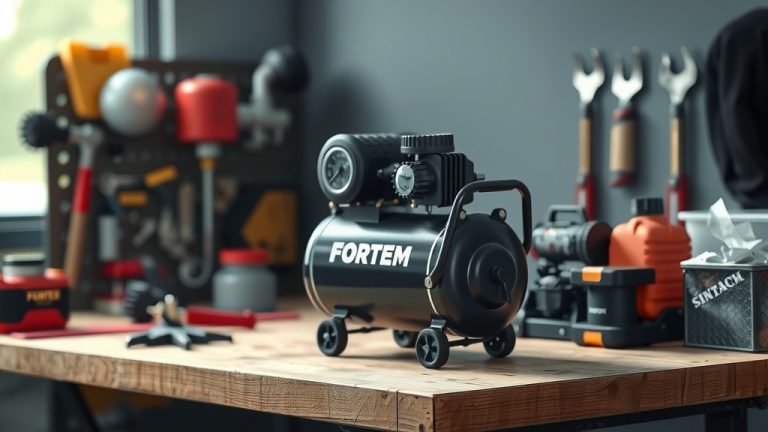
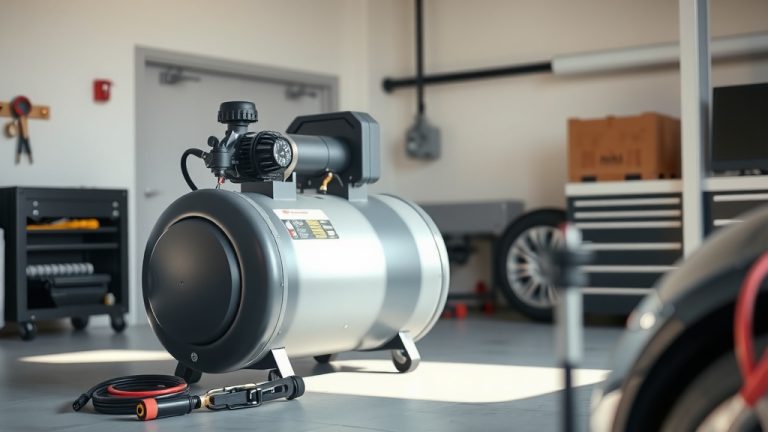
Many smaller oil-free compressors use a piston design. Here, the piston often has a non-stick coating or uses composite rings that seal without oil. This method is great for intermittent use and smaller demands.
Rotary Screw Oil-Free Compressors
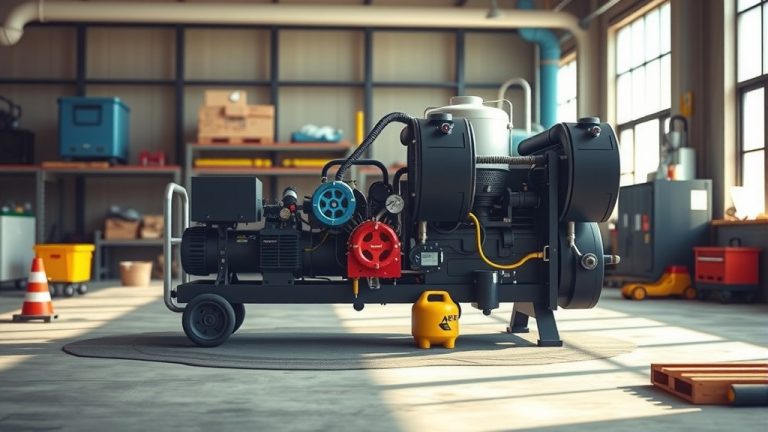
For larger industrial needs, rotary screw compressors also come in oil-free versions. These often use precisely timed gears to prevent the rotors from touching, or they might inject water instead of oil for cooling and sealing. We found these systems offer continuous, high-volume air flow (Purdue University research).
Key Benefits of Using Oil-Free Air
The advantages of oil-free air extend far beyond just avoiding contamination. You’ll find these systems can significantly reduce operating costs and improve product quality in many settings.
Uncompromised Air Purity
The primary benefit is, of course, the pure air. This means no oil aerosols or vapors will ever reach your delicate products or processes. This purity is often a non-negotiable requirement.
Reduced Filtration Costs
When you use an oil-lubricated compressor, you often need multiple filters downstream to remove oil. With an oil-free system, these filters are often unnecessary or can be simpler. This can lead to significant savings over time on filter replacements.
Lower Environmental Impact
Without oil to dispose of from condensate, your environmental footprint also shrinks. This makes compliance with environmental regulations much easier to manage. Many companies appreciate the “green” aspect of these compressors.
Industries That Rely on Oil-Free Air
Several critical sectors simply cannot risk oil contamination in their processes. Here are some of the most common applications:
- Food and Beverage: For packaging, processing, and direct contact with food products.
- Pharmaceuticals: In manufacturing drugs, fermentation, and sterile packaging environments.
- Electronics: For cleaning sensitive components and in cleanroom operations.
- Medical and Dental: Powering respirators, surgical tools, and dental drills where air purity is vital (ADA recommendations).
- Textiles: To prevent staining or damage to fabrics during production.
Understanding the Trade-offs
While oil-free compressors offer significant advantages, it is important to consider both sides. Nothing is a perfect solution for every scenario. It’s about finding the right fit for your particular needs.
Initial Cost Considerations
Generally, oil-free compressors tend to have a higher initial purchase price compared to their oil-lubricated counterparts. This is due to the advanced engineering and materials used to prevent friction and wear without oil.
Maintenance Differences
Though they eliminate oil changes, oil-free compressors might have different maintenance schedules. Components like specialized seals or coatings may require periodic inspection or replacement. You’ll want to check the manufacturer’s guidelines carefully.
Oil-Free vs. Lubricated Compressors: A Quick Comparison
Let’s look at a simple breakdown to help you visualize the differences. This isn’t about one being “better,” but about which is better for your application.
| Feature | Oil-Free Compressor | Oil-Lubricated Compressor |
|---|---|---|
| Air Purity | 100% oil-free; essential for critical applications. | Contains oil aerosols; requires filtration for clean air. |
| Initial Cost | Generally higher. | Generally lower. |
| Maintenance | No oil changes; focus on component wear. | Regular oil changes and filter replacements. |
| Operating Noise | Can be quieter in some designs. | Varies greatly by model; some can be loud. |
| Life Expectancy | Good, with proper maintenance of specialized parts. | Excellent, often very robust if maintained. |
Choosing the Right Oil-Free Compressor for You
Before making a decision, consider these points. It will help you narrow down the best option for your specific requirements. Think about your application’s unique demands and constraints.
- What level of air purity does your application absolutely require?
- What is your budget for both initial purchase and ongoing maintenance?
- How much compressed air (CFM or PSI) do you need?
- Will the compressor operate continuously or intermittently?
- Are noise levels a significant concern in your working environment?
Conclusion
An oil-free air compressor is a vital piece of equipment for any operation where air purity is non-negotiable. While they might come with a higher initial price tag, the long-term benefits of clean air, reduced filtration costs, and environmental advantages often outweigh the upfront investment. By understanding how these compressors work and their specific advantages, you can make an informed choice that truly benefits your process and product quality. Always remember to match the compressor to your exact application needs. Your decision impacts your product, your budget, and your peace of mind.
What are the main applications for oil-free air compressors?
The main applications for oil-free air compressors include industries like food and beverage processing, pharmaceuticals, medical and dental facilities, electronics manufacturing, and chemical processing. These sectors require pure, contaminant-free air to prevent product spoilage or health risks.
Are oil-free compressors more expensive to run?
While the initial purchase price of an oil-free compressor can be higher, their operating costs can sometimes be lower over the long term. This is because they eliminate the need for expensive oil filters, oil changes, and the disposal costs associated with oil-contaminated condensate. However, some specialized parts might have higher replacement costs.
How do oil-free compressors prevent friction and wear without oil?
Oil-free compressors prevent friction and wear through several innovative designs. This includes using precision-machined components that do not touch, specialized coatings like PTFE (Teflon) on moving parts, or even water injection systems that cool and seal the compression chamber. These methods ensure efficient operation without needing oil lubrication in the air path.
Do oil-free compressors require less maintenance than lubricated ones?
Oil-free compressors often require different maintenance, not necessarily less. You avoid oil changes and oil filter replacements, which are common in lubricated models. However, specialized components like seals, coatings, or water filters in oil-free units may have their own specific inspection and replacement schedules. Always follow the manufacturer’s guidelines.
Can I convert an oil-lubricated compressor to be oil-free?
No, you generally cannot convert an oil-lubricated compressor to an oil-free one. The fundamental design, materials, and internal tolerances are vastly different between the two types. An oil-free compressor is built from the ground up to operate without oil in the compression chamber, using specific components and engineering that cannot be retrofitted into an oil-lubricated unit.