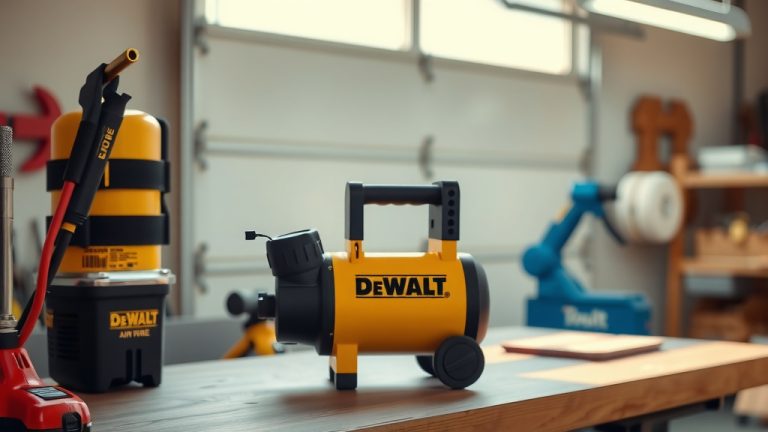
What Is Oil Less Air Compressor?
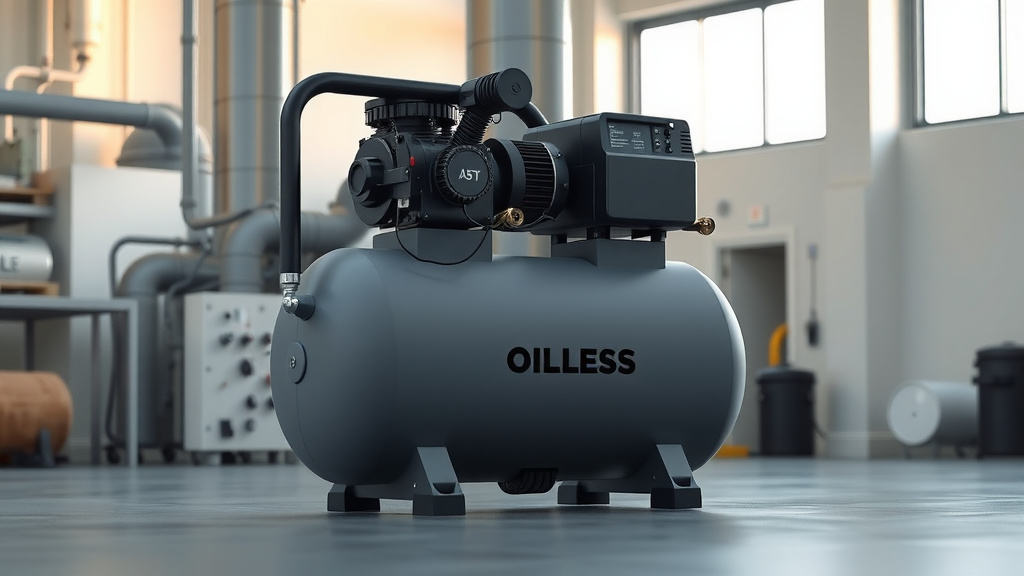
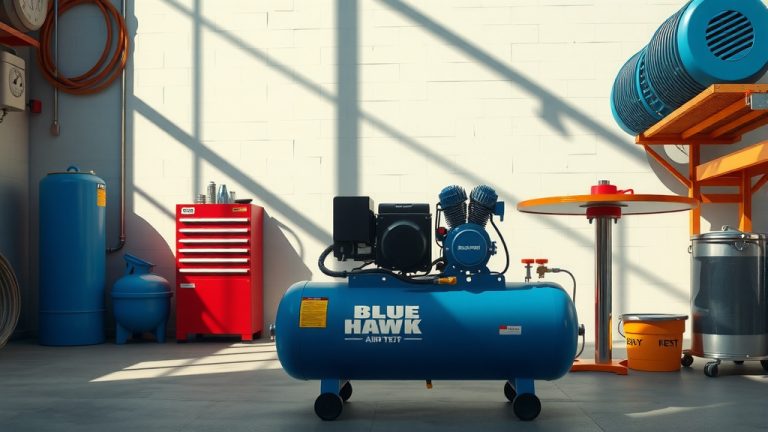
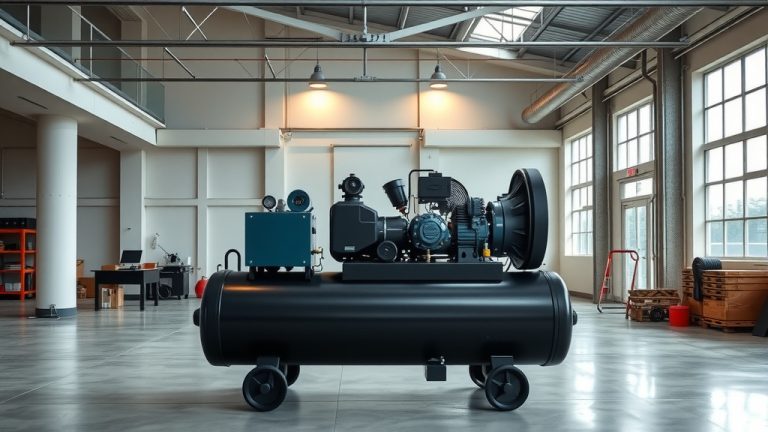
An oil-less air compressor operates without any liquid oil for lubrication in its compression chamber, ensuring the delivered compressed air is entirely free of oil contaminants. This design means you get exceptionally clean and dry air for various sensitive applications.
These compressors are perfect when even a tiny drop of oil could spoil your work or affect delicate equipment, providing a cleaner and often lower-maintenance solution.
- Oil-less air compressors deliver clean, uncontaminated air, crucial for sensitive tasks.
- You’ll enjoy less maintenance, as there’s no oil to monitor or change regularly.
- They are typically lighter and more portable, making them easy to move around your workspace.
- While generally louder than oiled models, many offer quiet operation for indoor use.
- These units are ideal for delicate painting, medical tools, or food processing.
What Is Oil Less Air Compressor?
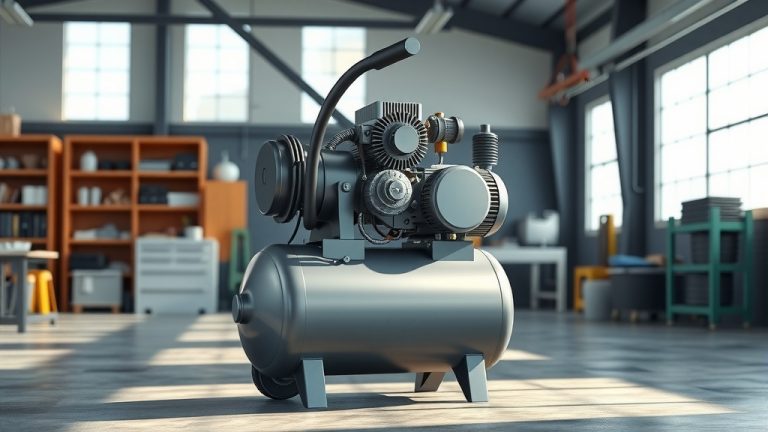
An oil-less air compressor uses pistons or diaphragms coated with permanent lubricants like Teflon. This innovative design means the air you get is pure, completely free from oil particles.
How Do Oil-Less Air Compressors Work?
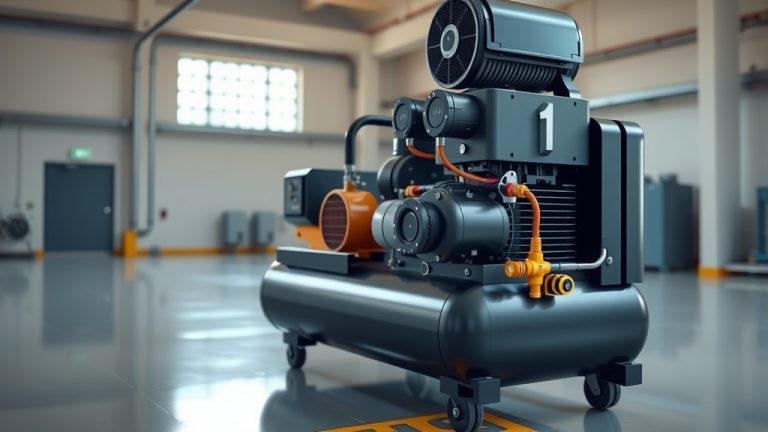
Components such as piston rings or cylinders feature special coatings like PTFE. This reduces friction and wear significantly, allowing the compressor to function smoothly without liquid lubrication.
The Magic Behind the Clean Air
Imagine an engine breathing air. Oil-less models design moving parts so they don’t need oil to slide smoothly. This prevents oil from mixing with the compressed air.
Why Go Oil-Less? The Big Benefits
Choosing an oil-less air compressor offers compelling advantages. You might find these benefits perfectly suit your specific project needs.
No More Oil Mess
Say goodbye to messy oil changes. You won’t worry about spills or finding the right oil. It’s a cleaner, simpler operation.
Lighter on Maintenance
Without oil to check or change, your maintenance schedule simplifies. This means less project downtime. We found users truly appreciate the straightforward upkeep.
Cleaner Air for Critical Tasks
For jobs where any oil is a problem, oil-less compressors are vital. Think painting cars or medical equipment. The delivered air is remarkably pure.
Are There Any Trade-offs? Understanding the Downsides
While oil-less compressors have benefits, it’s smart to consider potential drawbacks. Every tool has its limitations.
A Bit More Noise, Sometimes
Generally, oil-less compressors can be louder than their oil-lubricated counterparts. Lack of oil means less damping of mechanical noise. Users often mention this difference.
Longevity and Wear
Components sometimes wear faster than in oil-lubricated models. Coatings eventually degrade, increasing friction. Experts suggest regular inspection to monitor wear (ISO 8573-1 guidelines).
Who Benefits Most from an Oil-Less Compressor?
You might wonder if an oil-less compressor is right for you. Let’s explore scenarios where these units truly excel.
DIY Enthusiasts and Hobbyists
For painting models, powering small garage tools, or occasional projects, an oil-less unit is ideal. Portability and low maintenance are big advantages for home users.
Medical and Dental Offices
Sterility is paramount in medical settings. Oil-less compressors are standard, providing air for instruments without contamination risk. Medical guidelines often require oil-free air (NFPA 99).
Food and Beverage Industries
In food processing, air purity is non-negotiable. An oil-less compressor ensures compressed air contacting products remains absolutely clean and safe.
Painting and Finishing Shops
For a perfect paint coat, tiny oil traces ruin the finish. Oil-less compressors deliver pristine air for flawless painting and delicate finishing work.
Oil-Less vs. Oil-Lubricated: A Quick Comparison
Let’s compare these two types. This table clarifies their main differences, helping you decide what suits you best.
| Feature | Oil-Less Air Compressor | Oil-Lubricated Air Compressor |
|---|---|---|
| Air Quality | Pure, oil-free air | Trace oil (needs filtration) |
| Maintenance | Very low | Higher (oil checks, changes) |
| Noise Level | Generally louder | Generally quieter |
| Longevity | Good; coatings wear | Excellent; oil reduces friction |
| Portability | Often lighter, more portable | Heavier, less portable |
| Cost | Lower upfront for small units | Can be higher upfront |
Key Factors When Choosing Your Oil-Less Compressor
Ready to pick one? Consider these points to ensure you get the best oil-less air compressor for your specific needs.
- Tank Size: How much air storage do your tools need? Larger tanks mean fewer compressor cycles.
- CFM (Cubic Feet per Minute): Does it provide enough airflow? Match this to tool requirements.
- PSI (Pounds per Square Inch): Is the pressure output suitable? Tools list required PSI.
- Noise Level: How quiet does your workspace need to be? Check decibel (dB) ratings.
- Portability: Will you move it often? Consider weight, wheels, and handle design.
- Power Source: Runs on standard outlets, or do you need a different electrical setup?
Conclusion
An oil-less air compressor is excellent for clean, oil-free air without the fuss of oil changes. While potentially louder or with different longevity, their purity and low maintenance advantages are clear.
Choosing an oil-less compressor means prioritizing clean air and convenience. By understanding its features and your project needs, you can confidently select the perfect unit.
What are the main advantages of an oil-less air compressor?
Key advantages include exceptionally clean, oil-free air, significantly reduced maintenance (no oil changes), and often more portability. These benefits make them ideal for sensitive applications.
Can oil-less air compressors be used for painting cars?
Yes, absolutely! Oil-less air compressors are a top choice for car painting and other finishing work. They prevent oil contamination, which could ruin a paint job.
Are oil-less compressors generally louder than traditional oil-lubricated ones?
Typically, yes, oil-less compressors tend to be louder. The absence of oil means less sound dampening compared to oil-lubricated models. However, many manufacturers now offer “quiet” oil-less options.
Do oil-less air compressors require any maintenance at all?
While no oil changes are needed, basic maintenance is still beneficial. Regularly drain condensation from the tank, check air filters, and inspect hoses for leaks. This care extends their lifespan.
How long do oil-less air compressors typically last?
Lifespan varies by usage and quality. Oil-less compressors may generally have a shorter operational life than well-maintained oil-lubricated models, mainly due to piston ring coating wear. Material advancements are improving durability.