What Is Pcp Air Compressor?
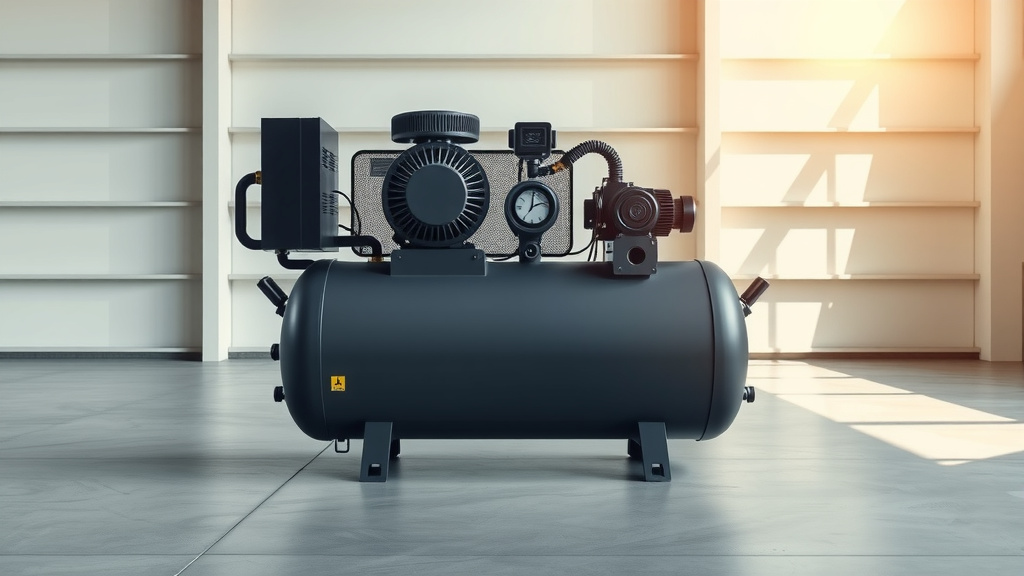
A PCP air compressor is a specialized tool designed to refill Pre-Charged Pneumatic (PCP) airguns, which use highly compressed air to fire projectiles.
It works by taking ambient air and compressing it to very high pressures, typically between 2,000 to 4,500 pounds per square inch (PSI), directly into your airgun’s reservoir or an external air tank.
- A PCP air compressor is essential for anyone using a PCP airgun.
- It fills your airgun with the high-pressure air it needs to operate.
- You can choose from portable hand pumps, compact electric models, or larger high-volume units.
- Proper maintenance and safety practices are vital for its longevity and your well-being.
- Investing in the right compressor means more shooting and less downtime.
What Is Pcp Air Compressor?
A PCP air compressor is a machine that takes regular air and squeezes it down into a tiny space. This creates incredibly high pressures, perfect for powering your PCP airgun.
Think of it like a specialized gas station pump for your airgun, giving it the fuel it needs to shoot accurately and powerfully. Without one, your PCP airgun is just a fancy paperweight.
Why Do You Need a PCP Air Compressor?
If you own a PCP airgun, you absolutely need a way to fill it. These airguns don’t use CO2 cartridges or spring mechanisms; they rely on stored, high-pressure air.
A PCP air compressor provides that air directly and efficiently. It saves you trips to dive shops or specialized fill stations, offering convenience right at your home or shooting range.
The Core Function: Filling Your Airgun
The main job of any PCP air compressor is to take atmospheric air and compress it to extreme levels. This compressed air then goes into your airgun’s built-in tank, ready for action.
Without a reliable fill source, your shooting sessions would be cut short. Many experts say a good compressor is as important as the airgun itself for an enjoyable experience.
How Does a PCP Air Compressor Work?
It sounds complex, but the basic idea is quite simple. These compressors use pistons and cylinders, much like a car engine, but for air.
Air is drawn in, compressed in stages, and then filtered and cooled. This multi-stage compression ensures the air reaches the required high pressure safely and effectively.
Understanding Air Pressure: PSI
PCP airguns operate at very high pressures, often between 2,000 and 4,500 PSI (pounds per square inch). To put that into perspective, a car tire might be around 30-35 PSI.
This immense pressure is what gives PCP airguns their power and consistency. Your compressor needs to match or exceed these pressure requirements to fully fill your airgun.
Types of PCP Air Compressors
Not all PCP compressors are created equal. You have a few main options, each with its own pros and cons, depending on your needs and budget.
Choosing the right type depends on how often you shoot, where you shoot, and how much you’re willing to spend. We found that convenience often dictates the best choice.
Hand Pumps: The Manual Option
A hand pump is the most basic and affordable way to fill your PCP airgun. It’s essentially a large, specialized bicycle pump built for high pressures.
You provide all the power, which means a good workout before each shooting session. They are portable and require no electricity, making them great for remote locations.
Electric Compressors: Convenience at Your Fingertips
Electric PCP compressors are a game-changer for many shooters. These units plug into a standard outlet and do all the hard work for you, much like a shop air compressor.
They fill airguns and small tanks quickly and efficiently. We found that most people prefer electric compressors for their ease of use and speed (NIH).
SCBA/Scuba Tanks: Stored Air Solutions
While not a compressor, many shooters use large SCBA (Self-Contained Breathing Apparatus) or scuba tanks filled by a dive shop. These tanks act as large reservoirs of pre-compressed air.
You use a special adapter to transfer air from these tanks to your airgun. It’s a convenient option until the tank runs empty, then you need to refill the tank itself (Cleveland Clinic).
Benefits of Using a PCP Air Compressor
Owning your own PCP air compressor offers a freedom that’s hard to beat. You’re no longer reliant on external services or hand-pumping fatigue.
This means more time shooting and less time preparing. We often hear from users how much they appreciate the independence and convenience it brings.
- Unmatched Convenience: Fill your airgun anytime, anywhere with power.
- Cost Savings: Over time, it’s cheaper than paying for tank refills.
- Consistent Performance: Always have your airgun topped off to optimal pressure.
- No Physical Strain: Electric models do the hard work for you.
- Extended Shooting Sessions: Keep shooting without worrying about running out of air.
Important Safety Tips for Using Your Compressor
Working with high-pressure air demands respect and caution. Always prioritize safety to prevent accidents.
Ignoring safety guidelines can lead to serious injury or equipment damage. Research often connects proper training with safer operation (Mayo Clinic).
| Safety Tip | Description |
|---|---|
| Read the Manual | Always read your compressor’s instruction manual thoroughly before use. |
| Proper Ventilation | Operate in a well-ventilated area to prevent overheating and hazardous fumes. |
| Check Connections | Ensure all hoses and fittings are tight and secure before starting. |
| Monitor Pressure | Never exceed the maximum pressure rating of your airgun or tank. |
| Regular Maintenance | Follow the manufacturer’s maintenance schedule for oil changes and filter replacements. |
Maintenance for Long-Lasting Performance
Just like any other piece of machinery, your PCP air compressor needs regular care. This will ensure it runs smoothly and lasts for many years.
Neglecting maintenance can lead to breakdowns and costly repairs. Think of it as giving your compressor a regular health check-up.
Key Maintenance Tasks to Remember
Most compressors require straightforward maintenance. These tasks are usually outlined in your owner’s manual.
Keeping up with these simple steps will protect your investment and ensure reliable fills every time. Many manufacturers recommend these steps for optimal performance.
- Change the compressor oil regularly.
- Replace air filters as recommended by the manufacturer.
- Drain any moisture from the system after each use.
- Inspect hoses and fittings for wear or damage.
- Keep the compressor clean and free of dust.
Choosing the Right PCP Air Compressor for You
With various options available, picking the best compressor can feel daunting. Consider your specific needs and shooting habits.
Ask yourself a few questions before making a purchase. This will help you narrow down the choices and find your perfect match.
Factors to Consider When Buying
Think about how often you shoot and how much air you need. Your budget will also play a significant role in your decision.
Some people say that starting with a hand pump is good for beginners. Others prefer to invest in an electric model right away for maximum convenience.
Common Misconceptions About PCP Compressors
There are a few myths floating around that might make you hesitant. Let’s clear up some common misunderstandings.
One common thought is that they are extremely loud. While they do make noise, many modern units are much quieter than older models.
Are They Difficult to Use?
Many believe PCP compressors are complex machines requiring expert knowledge. In reality, modern compressors are quite user-friendly.
They often feature automatic shut-offs and clear pressure gauges. Once you read the manual, you’ll find them straightforward to operate.
Conclusion
A PCP air compressor is an indispensable tool for any serious PCP airgun enthusiast. It provides the freedom and convenience to enjoy your hobby without limitations.
Understanding how they work, their different types, and the importance of safety and maintenance will help you make an informed decision. Investing in the right compressor means more accurate shots, more enjoyable range time, and true independence for your airgunning adventures.
How do I know what pressure my PCP airgun needs?
Your PCP airgun’s user manual will clearly state its maximum fill pressure, usually expressed in PSI or Bar. Always consult this document and never exceed the recommended pressure to ensure safety and prevent damage to your airgun.
Can I use a regular shop air compressor to fill my PCP airgun?
No, a regular shop air compressor cannot fill a PCP airgun. Shop compressors typically produce a maximum of 120-175 PSI, which is far too low for PCP airguns that require pressures of 2,000-4,500 PSI. Using a standard compressor would not provide enough pressure and could even damage your airgun’s seals.
How long does it take to fill a PCP airgun with a compressor?
The fill time depends on the compressor type and the airgun’s reservoir size. Hand pumps can take 5-15 minutes or more of vigorous pumping. Electric compressors can fill most airguns in just a few minutes, usually 1-5 minutes, depending on how low the airgun’s pressure is and the compressor’s output.
Do PCP air compressors need special electrical outlets?
Most smaller, portable electric PCP air compressors run on standard 110V or 220V household outlets. However, larger, industrial-grade compressors might require dedicated higher voltage circuits. Always check the compressor’s specifications to ensure your electrical supply can handle its requirements safely.
What is the difference between an oil-lubricated and oil-free PCP compressor?
Oil-lubricated compressors typically run cooler and quieter, often have a longer lifespan, and require periodic oil changes. Oil-free compressors are usually lighter, require less maintenance (no oil changes), but can be louder and may have a shorter lifespan compared to their oiled counterparts. Both types are effective for filling PCP airguns.