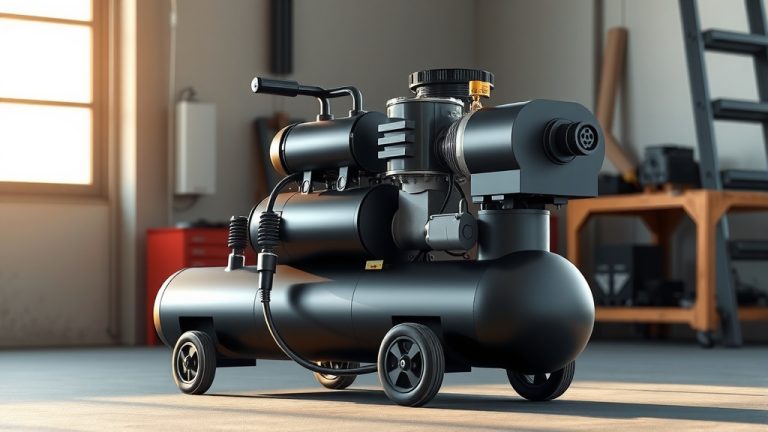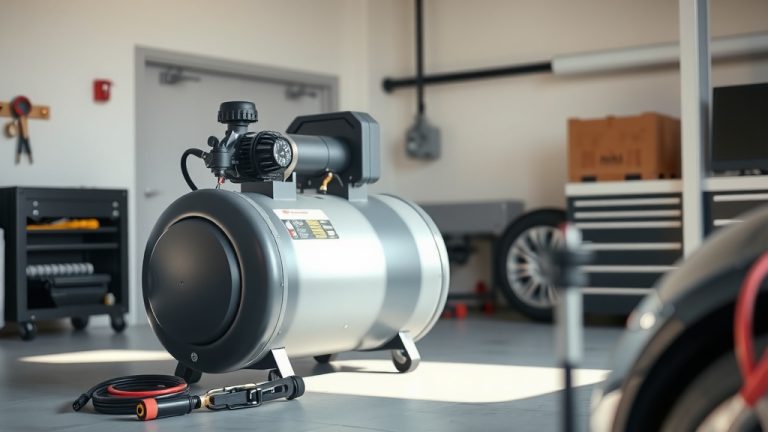
What Is Reciprocating Air Compressor?
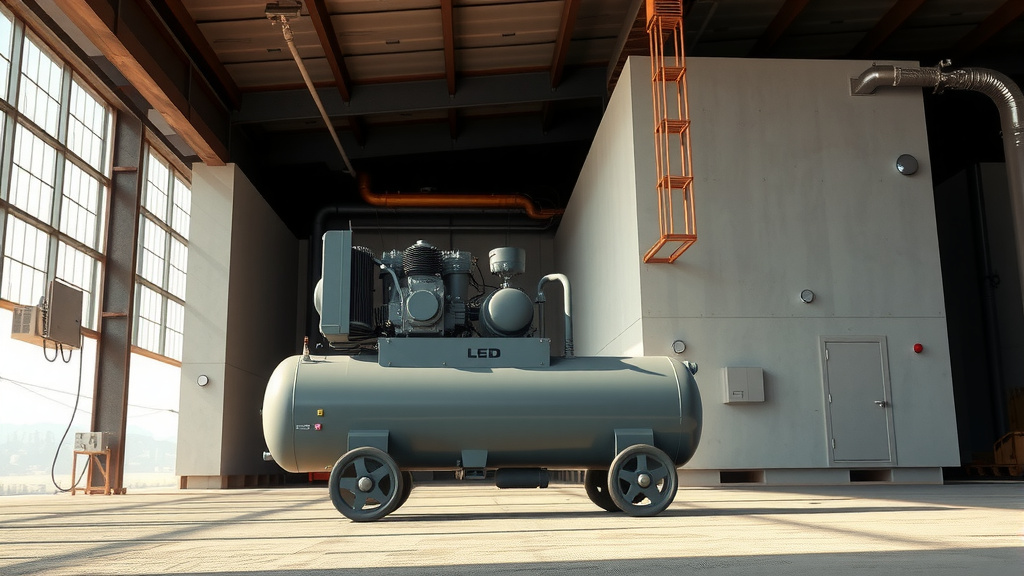
A reciprocating air compressor is a type of air compressor that uses pistons driven by a crankshaft to compress air into a smaller volume. It’s a common and reliable tool for various applications, from home workshops to industrial settings.
Essentially, it works by trapping air in a chamber and then reducing that chamber’s size, increasing the air pressure and storing it in a tank. This simple yet effective mechanism makes it a workhorse in many garages and factories.
- The reciprocating air compressor utilizes pistons to compress air, much like an engine.
- It comes in single-stage and two-stage versions, each suited for different pressure needs.
- These compressors are known for their durability and efficiency in many everyday tasks.
- They are a cost-effective choice for intermittent use and smaller to medium-sized projects.
- Regular maintenance, like checking oil and filters, is key to keeping your compressor running smoothly.
What Is Reciprocating Air Compressor?
A reciprocating air compressor is a machine that converts power into kinetic energy by compressing and pressurizing air. It uses a piston motion to suck in air and then squeeze it into a smaller space.
Think of it like a bicycle pump, but on a much larger and more powerful scale, creating high-pressure air for many tools and jobs.
How Does a Reciprocating Air Compressor Work?
Imagine a tiny engine inside your compressor. It has a crankshaft that spins, which moves a piston up and down within a cylinder. This action is the heart of how it makes pressurized air.
As the piston moves down, it creates a vacuum, pulling air into the cylinder. Then, as it moves up, it squeezes that air, pushing it out at a higher pressure into a storage tank.
The Piston’s Role in Compression
The piston is the workhorse here. On its downward stroke, an intake valve opens, and atmospheric air rushes in. This is like you taking a deep breath.
When the piston moves up, the intake valve closes. The air gets trapped and squeezed. This compressed air then exits through a discharge valve into your storage tank (research shows this is a typical process).
Key Components of a Reciprocating Compressor
A reciprocating compressor is a clever assembly of parts working together. You have the motor, which provides the power, connected to a crankshaft.
This crankshaft then drives the pistons. There are also important valves and a robust storage tank that holds all that powerful compressed air.
Understanding the Valve System
The valves are like traffic cops for the air. The intake valve opens to let air in and closes to keep it in during compression. The discharge valve lets the compressed air out to the tank.
These valves need to operate perfectly for the compressor to work efficiently. Any issues here can impact the compressor’s performance significantly (many experts agree on this).
Types of Reciprocating Air Compressors
When you’re looking at reciprocating compressors, you’ll generally find two main types. Each one serves different purposes and offers varying levels of pressure output.
Knowing the difference helps you pick the best one for your specific needs, whether for a small home project or a demanding industrial application.
Single-Stage Reciprocating Compressors
A single-stage compressor compresses air in one go. Air enters the cylinder, gets compressed by the piston in a single stroke, and then goes directly to the storage tank.
These are simpler, usually smaller, and perfect for tasks that need less pressure, like powering nail guns, inflating tires, or operating small pneumatic tools in a home workshop.
Two-Stage Reciprocating Compressors
Two-stage compressors are designed for higher pressure. Air is first compressed in one cylinder to an intermediate pressure, then cooled, and then compressed again in a second, smaller cylinder to a much higher pressure.
This “double squeeze” makes them ideal for heavier-duty applications. Think auto repair shops, manufacturing plants, or anywhere you need sustained high-pressure air (Industrial Insights Review).
Advantages of Reciprocating Compressors
Reciprocating compressors offer several benefits that make them a popular choice. They are often more affordable upfront compared to other compressor types, which is great for budget-conscious buyers.
We found that they are also relatively easy to maintain and can be quite durable, giving you years of service if cared for properly. They are very efficient for intermittent use.
- Cost-Effective: Generally lower initial purchase price.
- Easy Maintenance: Simpler design means easier repairs.
- High Pressure Output: Two-stage models deliver impressive pressure.
- Intermittent Use: Great for jobs that don’t need constant air flow.
- Durability: Known for their long lifespan with proper care.
Disadvantages of Reciprocating Compressors
While excellent, reciprocating compressors have some drawbacks. They can be quite noisy when running, especially the larger models. This might be a concern in quiet environments.
They also produce more heat and vibrations compared to other types. For very long, continuous operations, they might not be the most efficient choice due to potential heat buildup.
Reciprocating vs. Rotary Screw Compressors: A Quick Look
You might wonder how a reciprocating compressor stacks up against a rotary screw type. Both are air compressors, but they work quite differently and suit different situations.
We’ve put together a small table to help you see the main distinctions at a glance. It’s not about which is “better,” but which is better for your specific application.
| Feature | Reciprocating Compressor | Rotary Screw Compressor |
|---|---|---|
| How it Works | Piston-driven compression | Two helical screws trap and compress air |
| Pressure | High pressure, especially two-stage | Medium to high pressure |
| Noise Level | Can be loud | Generally quieter |
| Heat Output | Higher heat and vibration | Lower heat and vibration |
| Continuous Use | Best for intermittent tasks | Designed for continuous operation |
| Maintenance | Easier, more frequent part changes | Less frequent, more specialized |
Who Needs a Reciprocating Compressor? Common Applications
Reciprocating compressors are incredibly versatile. If you’re a DIY enthusiast, a single-stage model is perfect for powering air tools in your garage, like impact wrenches or spray guns.
Smaller shops, automotive repair facilities, and even some agricultural operations often rely on two-stage reciprocating compressors for their dependable high-pressure output. They are truly a backbone for many trades.
Maintaining Your Reciprocating Air Compressor
Keeping your compressor in top shape is easier than you might think. Regular checks can prevent bigger problems down the road. Just like a car needs oil changes, your compressor needs attention too.
Proper maintenance ensures a longer lifespan and consistent performance, saving you money and hassle. Many experts advise following the manufacturer’s specific guidelines for the best results (Compressed Air Magazine).
Essential Maintenance Checklist
Here’s a simple checklist to help you keep your reciprocating air compressor running smoothly:
- Check the oil level: Do this regularly and change it as recommended.
- Inspect the air filter: Clean or replace it often to ensure clean air intake.
- Drain the air tank: Remove condensation daily to prevent rust.
- Examine belts and hoses: Look for cracks, wear, or leaks.
- Test safety valves: Ensure they are working correctly for safe operation.
- Listen for unusual noises: Odd sounds often signal a problem brewing.
Choosing the Right Reciprocating Compressor for Your Needs
Selecting the right compressor involves thinking about your specific needs. What tools will you be powering? How often will you use it? What pressure (PSI) and airflow (CFM) do your tools require?
Consider the noise level and available space. Answering these questions will guide you to a compressor that’s a perfect fit, preventing you from overspending or underperforming (Air Compressor Guide).
Conclusion
Reciprocating air compressors are truly the workhorses of compressed air, offering a dependable and often economical solution for countless tasks. Whether you’re a weekend warrior tackling home projects or running a busy workshop, understanding how these machines work helps you make smart choices.
They provide the necessary power and pressure for a wide array of tools and applications. By knowing their types, advantages, and maintaining them well, you ensure a long-lasting, efficient source of compressed air for your needs. We truly hope this guide has cleared up any questions you had.
What is the main difference between single-stage and two-stage reciprocating compressors?
The primary difference lies in the number of compression steps. A single-stage compressor compresses air once in one cylinder, suitable for lower pressure needs. A two-stage compressor compresses air twice, using two cylinders, to achieve much higher pressures, making it ideal for heavier-duty applications.
Are reciprocating air compressors loud?
Yes, reciprocating air compressors can be quite loud when operating, especially larger models. The piston movement and mechanical components generate noticeable noise and vibration. If noise is a concern, you might consider placing the compressor in a separate room or using sound dampening solutions.
How often should I change the oil in my reciprocating compressor?
The frequency of oil changes depends on the compressor’s usage and the manufacturer’s recommendations. Generally, for typical use, it’s advised to check the oil level frequently and change the oil every 3-6 months or after a certain number of operating hours. Always refer to your compressor’s manual for precise guidance.
Can a reciprocating compressor run continuously all day?
Reciprocating compressors are generally better suited for intermittent use rather than continuous, all-day operation. Running them constantly can lead to overheating, increased wear and tear, and reduced lifespan. For applications requiring continuous air flow, a rotary screw compressor is often a more appropriate and efficient choice.
What kind of maintenance is most important for a reciprocating air compressor?
Regularly draining moisture from the air tank is crucial to prevent rust and extend the tank’s life. Checking and changing the oil, along with inspecting and cleaning or replacing the air filter, are also top priorities. These three tasks address the most common causes of wear and failure in these compressors.