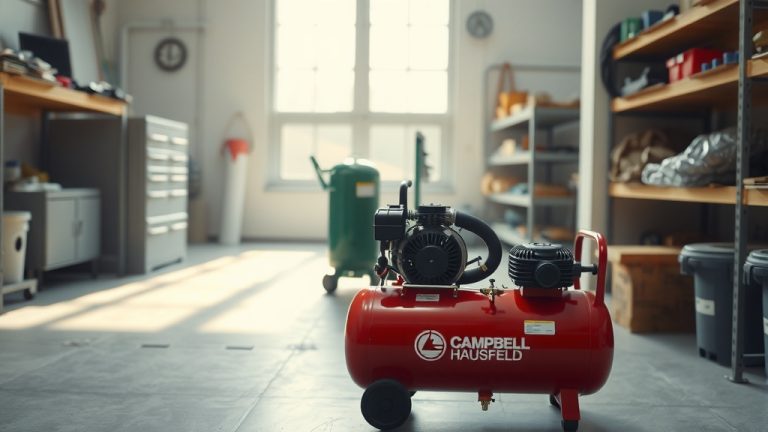
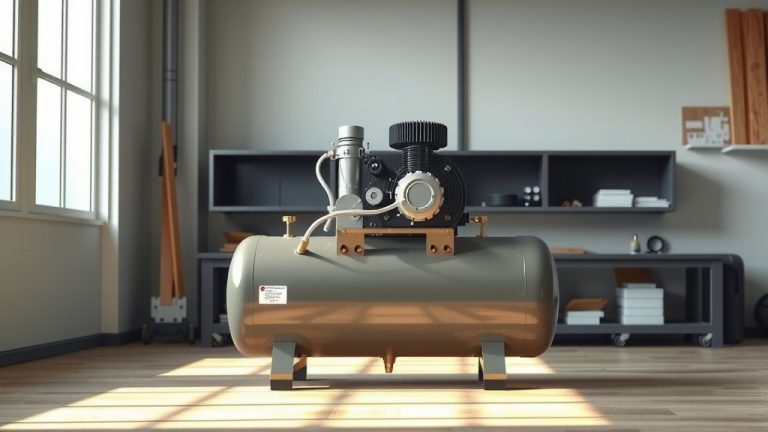
What Is Screw Air Compressor?
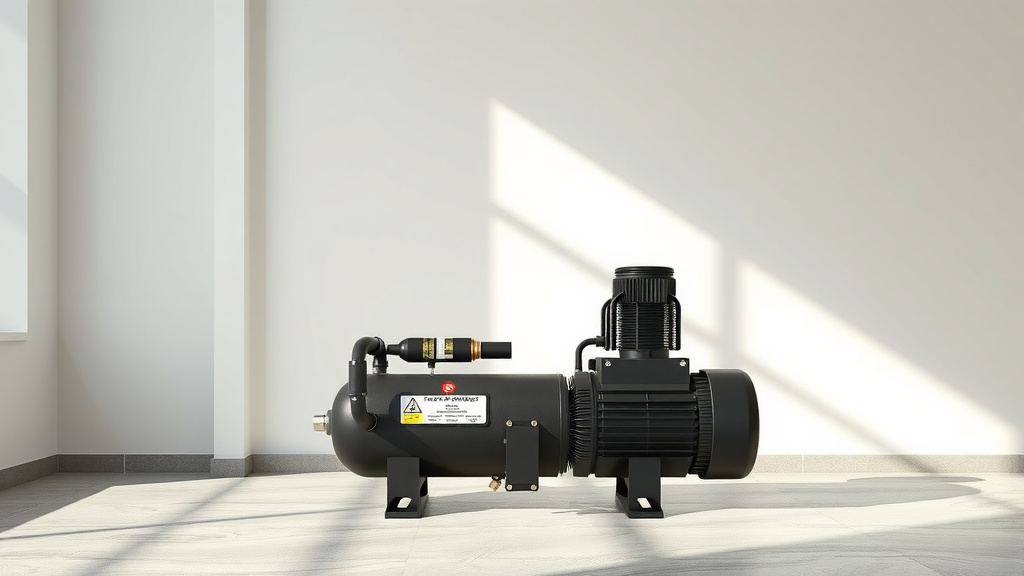
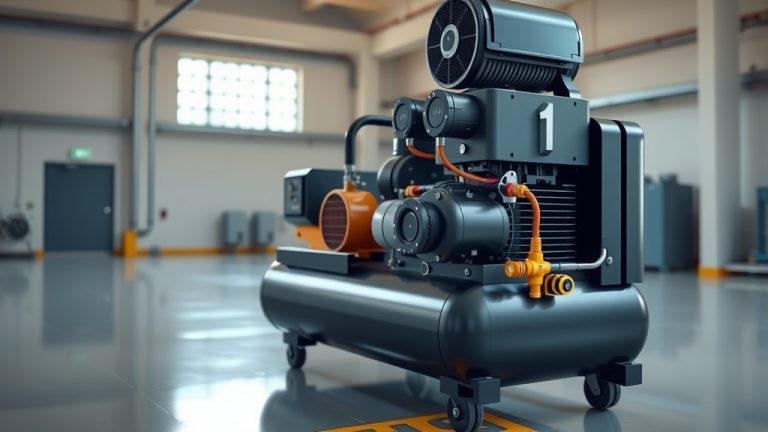
A screw air compressor is a type of rotary positive-displacement compressor that uses two meshing helical screws, often called rotors, to trap and compress air.
It delivers a continuous, pulsation-free flow of compressed air, making it an excellent choice for industrial applications requiring consistent and reliable power.
- It uses special rotating screws to generate a steady supply of compressed air.
- These compressors are very efficient, especially for tasks needing constant air pressure.
- You’ll find them quieter than many traditional piston compressors.
- They’re a popular pick for busy factories, large workshops, and production lines.
- With proper care, they offer a long operational life and dependable service.
What Is Screw Air Compressor?
A screw air compressor operates by drawing in air and trapping it between two rotating, helical screws. These rotors then spin, reducing the volume of the space holding the air, which increases its pressure to create compressed air.
Think of it like two gears turning together, but instead of teeth, they have spiral grooves that scoop and squeeze the air. This clever design helps them deliver air constantly.
How Does a Screw Air Compressor Work? The Simple Version
Imagine two giant, twisting puzzles pieces fitting together. As these “male” and “female” rotors spin, air gets pulled into the gaps between them. The spinning motion then shrinks these gaps, literally pushing and squeezing the air into a smaller space.
This squeezing action is what makes the air high pressure. Finally, the compressed air gets pushed out, ready for whatever tool or process needs it.
Why Do Businesses Often Choose a Screw Air Compressor?
Many businesses turn to screw air compressors because they need a dependable and constant air supply. If your operation runs for long hours or requires a lot of air without interruption, a screw compressor is often the go-to solution.
We found that they are built for continuous duty cycles, meaning they can run all day, every day, without needing to rest like some other compressor types.
Key Benefits You’ll Love About Screw Air Compressors
You’ll quickly appreciate several advantages when you opt for a screw air compressor. They bring a lot of value to operations that rely heavily on compressed air.
- Consistent Airflow: They provide a steady stream of air, crucial for sensitive tools and processes.
- High Efficiency: Especially under constant load, they can be very energy efficient, saving you money on electricity.
- Lower Noise Levels: Many models are designed to operate much quieter than piston compressors, making your workspace more pleasant.
- Longer Lifespan: With fewer moving parts compared to piston types and continuous operation, they often last longer with proper maintenance.
- Reduced Pulsation: The air output is smooth, which is better for your tools and air lines.
Types of Screw Air Compressors You Might Encounter
Not all screw compressors are exactly alike. Understanding the main types can help you find the best fit for your specific needs. Each type offers distinct advantages.
Fixed Speed vs. Variable Speed Drive (VSD)
Fixed-speed compressors run at full power all the time, even if you don’t need all that air. They’re great if your air demand is always high and steady.
Variable Speed Drive (VSD) compressors, on the other hand, adjust their motor speed to match your exact air demand. We found that this makes them incredibly energy-efficient if your air needs fluctuate throughout the day (Department of Energy). They only use the power they need.
Oil-Lubricated vs. Oil-Free Screw Compressors
Oil-lubricated compressors use oil to seal, lubricate, and cool the rotors. They are very common and reliable for general industrial use.
Oil-free compressors don’t use oil in the compression chamber. This is essential for industries where air purity is critical, like food and beverage, pharmaceuticals, or medical applications, preventing any chance of oil contamination.
Common Uses in Your Business and Industry
Where do you typically find these powerful machines? Screw air compressors are the workhorses behind many industrial and commercial operations.
You’ll see them powering everything from manufacturing plants to automotive shops. They can run pneumatic tools, paint guns, assembly lines, and even assist with packaging machinery.
Keeping Your Screw Compressor Running Smoothly: A Quick Checklist
Just like any important piece of equipment, your screw air compressor needs some love to keep performing at its best. Regular maintenance is key to a long and efficient life.
- Check the oil level regularly (for oil-lubricated models).
- Clean or replace air filters on a schedule.
- Drain condensation from the air receiver tank daily.
- Inspect for any leaks in air lines and connections.
- Monitor operating temperatures and pressures.
- Schedule professional service annually.
Screw vs. Piston Air Compressors: A Quick Look
You might be wondering how screw compressors compare to the more traditional piston (reciprocating) models. Here’s a simple comparison to help you understand the differences.
This table summarizes the core distinctions, helping you decide which type might be better suited for your application.
| Feature | Screw Air Compressor | Piston Air Compressor |
|---|---|---|
| Operation | Continuous, rotary | Intermittent, reciprocating |
| Air Delivery | Constant, smooth flow | Pulsating flow |
| Noise Level | Generally quieter | Louder, more vibration |
| Duty Cycle | 100% (continuous) | Often 50-70% (needs rest) |
| Best For | Heavy industrial use, steady demand | Smaller workshops, intermittent use |
Choosing the Right Size for Your Needs
Picking the correct compressor size is a big deal. Too small, and your tools won’t get enough air; too large, and you waste energy. You’ll want to calculate the total air demand (CFM or L/min) of all your tools and processes.
Also, consider your future needs. Are you planning to expand? Many experts say to add a small buffer to your calculations (Pneumatic Tips). It’s always a good idea to chat with a compressor specialist to get the perfect match.
Important Considerations Before You Buy
Before you make a purchase, take a moment to think about a few key things. You want to ensure your investment pays off and meets your operational demands.
Consider the available space, your budget for both initial purchase and ongoing energy costs, and the specific air quality requirements for your industry. Do you need oil-free air, for instance?
Conclusion
A screw air compressor truly stands out as a powerful and reliable choice for many industrial and commercial settings. Its ability to provide a continuous, smooth flow of compressed air, often with greater energy efficiency and less noise than piston models, makes it a valuable asset.
By understanding how these machines work, their different types, and what goes into maintaining them, you are now better equipped to make informed decisions for your business. When you need consistent, high-performance air power, the screw air compressor is a solid option.
How do I know if I need a screw air compressor instead of a piston one?
You likely need a screw air compressor if your operation requires a constant, high volume of compressed air for extended periods, such as an eight-hour shift or more. Piston compressors are better suited for intermittent use or smaller air demands.
Are screw air compressors expensive to maintain?
While the initial cost of a screw air compressor can be higher, their maintenance costs are often predictable and manageable. Regular preventative maintenance, like changing filters and oil, helps ensure a long lifespan and avoids costly unexpected breakdowns. They generally have fewer wear parts than piston compressors.
What is the typical lifespan of a screw air compressor?
With proper care and maintenance, a well-built screw air compressor can easily last for 10 to 15 years, and sometimes even longer. The quality of components, operating conditions, and adherence to service schedules play a big role in its longevity.
Can a screw air compressor operate in any environment?
Screw air compressors are robust, but they perform best in clean, well-ventilated spaces with stable temperatures. Extreme dust, humidity, or heat can impact their efficiency and lifespan. Some models are designed for harsher environments, but it’s always wise to check specifications.
What does “pulsation-free air” mean, and why is it important?
Pulsation-free air means the air flow from the compressor is smooth and steady, without the “puffs” or surges you might get from a piston compressor. This is important because a steady flow protects sensitive pneumatic tools, ensures more consistent results in processes like painting or assembly, and reduces wear on your air lines.