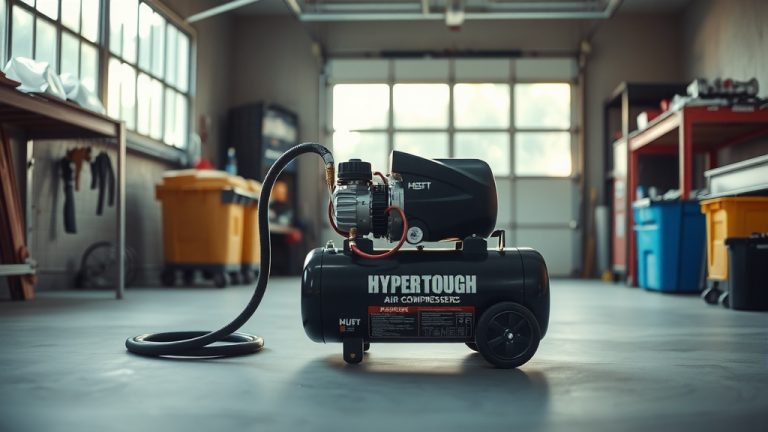
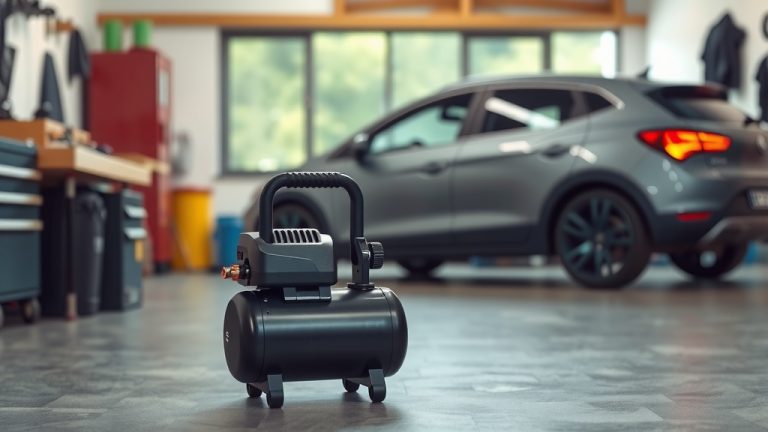
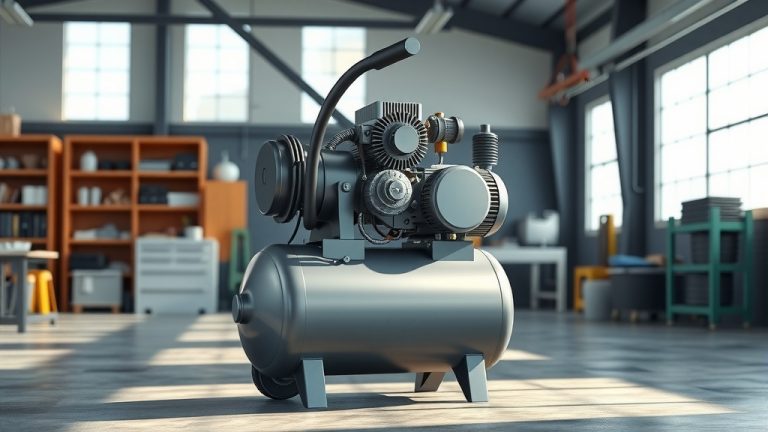
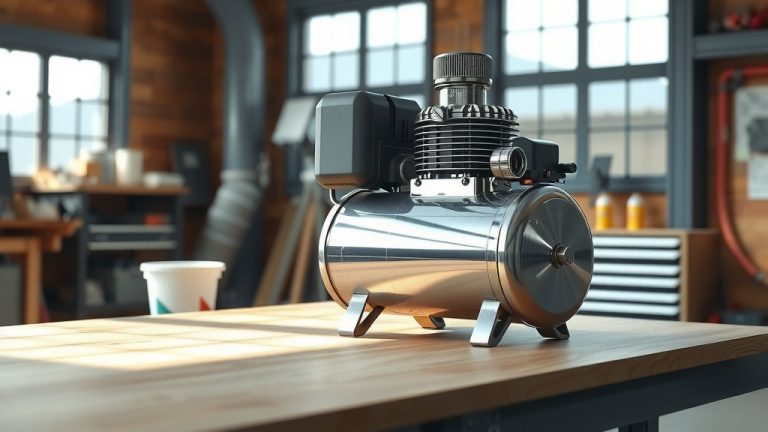
What Is Single Stage Air Compressor?
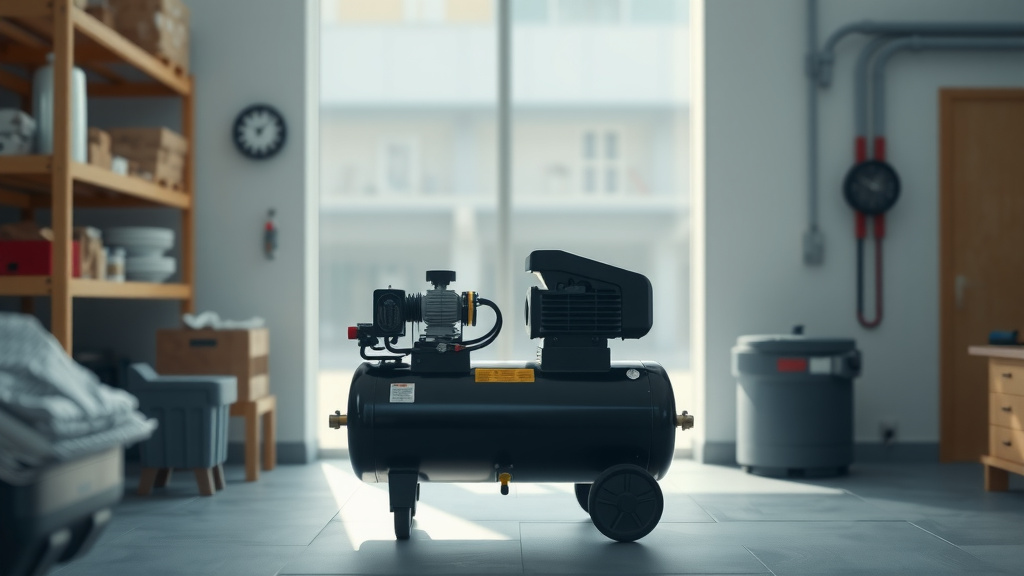
A single stage air compressor works by compressing air one time to reach its full pressure, making it ideal for lighter, intermittent tasks around your home or small workshop.
This type of compressor draws in ambient air, compresses it in a single stroke of a piston, and then stores it in a tank, offering a straightforward and efficient solution for many common applications.
Here’s a quick overview of what you’ll learn about single stage air compressors:
- These compressors compress air in one step for immediate use.
- They are perfect for lighter jobs like nailing, painting, or tire inflation.
- You’ll find them more affordable and simpler to maintain than multi-stage options.
- Expect lower PSI output, which is fine for many everyday tools.
- They are a popular choice for home garages and small craft projects.
What Is Single Stage Air Compressor?
A single stage air compressor compresses air directly to its final desired pressure in just one stroke of a piston. This simple design means the air moves from the atmosphere, into the cylinder, and then directly into the storage tank.
You get air ready for your tools quickly, without any intermediate steps. It’s the straightforward workhorse for many everyday air power needs.
How a Single Stage Air Compressor Works
Understanding how your compressor works can help you use it better. Imagine a bicycle pump; it’s a bit like that, but much more powerful.
Air compressors pull air from the surroundings, squeeze it, and push it out at a higher pressure. A single stage unit does this process just one time.
The Simple Compression Process
When you turn on a single stage compressor, a motor powers a piston. This piston moves down, creating a vacuum that pulls in ambient air through an intake valve.
As the piston moves back up, it squeezes this trapped air. The compressed air then gets pushed out through a discharge valve and into the storage tank, ready for your tools.
Air Receiver Tank’s Role
The tank attached to your compressor is more than just a storage vessel. It acts as a buffer, holding the compressed air until you need it.
This means your motor doesn’t have to run constantly, extending its lifespan. We find that a larger tank allows for longer periods of tool use before the compressor needs to cycle on again.
Why Choose a Single Stage Compressor?
Perhaps you’re wondering if a single stage compressor is the right fit for you. Many people choose them for their practicality and ease of use.
They bring a lot to the table, especially if your needs aren’t super demanding. Let’s look at some key advantages.
Ideal for Lighter Tasks
If you’re handling jobs like inflating tires, powering nail guns, or using airbrushes, a single stage compressor is often all you need. It delivers enough pressure for these common applications without overdoing it.
Research shows these units are perfectly suited for intermittent use, meaning you turn them on, do your task, and turn them off.
Cost-Effective Solution
Generally, single stage compressors are less expensive to purchase than their two-stage counterparts. This makes them an excellent entry point if you’re new to air tools or have a limited budget.
Their simpler design also often translates to lower maintenance costs over time, which is always a plus for your wallet.
Simplicity in Operation
You don’t need to be an expert to operate a single stage unit. They are designed for straightforward use, often with simple controls and minimal settings.
This “plug and play” nature is a big reason for their popularity in homes and small workshops. It’s one less thing to worry about when you’re busy with a project.
Common Applications for Single Stage Compressors
Where would you typically see a single stage air compressor in action? They are incredibly versatile for certain types of work.
Think about tasks that require consistent but not extremely high pressure. Many experts say they are the go-to for everyday needs.
DIY and Home Projects
For your weekend projects around the house, a single stage compressor is a trusty friend. Whether you’re using a staple gun for upholstery or a small paint sprayer, these compressors handle it with ease.
They are also great for blowing dust off your workbench or inflating sports equipment.
Small Workshops
In a small hobbyist workshop or a craft studio, these compressors power tools like Brad nailers, finish nailers, and small impact wrenches. We find they provide enough power for consistent, light-duty work without taking up too much space.
They are a fantastic addition for woodworking or light metalwork where precision matters.
Automotive Tasks
Need to inflate car tires, bikes, or even small ATV tires? A single stage compressor handles these tasks perfectly. You might also use it for simple engine cleaning with an air blow gun.
However, for heavy-duty automotive repair that requires constant high pressure, you might look at other options.
Single Stage vs. Two Stage: What’s the Difference?
Choosing between a single stage and a two stage compressor can feel a bit confusing. It all comes down to how much work you need your compressor to do. Here’s a simple comparison.
| Feature | Single Stage Compressor | Two Stage Compressor |
|---|---|---|
| Compression Cycles | One cycle to reach full pressure | Two cycles to reach full pressure |
| Pressure Output (PSI) | Typically 100-125 PSI | Often 175 PSI or higher |
| Heat Generation | Generates more heat per PSI | Cooler operation due to intercooling |
| Tool Compatibility | Lighter tools (nail guns, airbrush) | Heavier tools (impact wrenches, sanders) |
| Duty Cycle | Intermittent use, shorter run times | Continuous use, longer run times |
| Cost | More affordable | Higher initial investment |
Understanding Pressure and Volume
The key distinction often boils down to pressure (PSI) and volume (CFM). Single stage compressors typically offer lower PSI and CFM, suitable for tools that don’t demand a lot of air continuously.
For tools requiring sustained high pressure, like certain automotive equipment or industrial tools, a two stage compressor is built for that endurance, delivering consistent power for longer periods.
Key Features to Look For
When you’re ready to get a single stage air compressor, keep these points in mind. They will help you pick a unit that truly matches your needs.
- Tank Size: A larger tank means less cycling for the motor.
- Horsepower (HP): Matches the motor’s power to the pump.
- PSI Rating: Ensure it meets your tool requirements.
- CFM Rating: Crucial for continuous tool operation.
- Portability: Wheels and handles make moving it easy.
- Noise Level: Some models are quieter than others.
Maintenance Tips for Your Single Stage Compressor
Just like any other piece of machinery, your air compressor needs a little love to keep running smoothly. A well-maintained compressor lasts longer and performs better.
A few simple steps can prevent major issues and save you money in the long run. Many guidelines point to regular checks as a good first step (Engineering.com).
Regular Oil Changes
If you have an oil-lubricated compressor, changing the oil is a must. Just like your car, the oil keeps the moving parts lubricated and cool. We recommend checking your owner’s manual for the specific type of oil and change intervals.
Clean oil prevents premature wear and keeps your compressor running efficiently.
Filter Checks
The air intake filter protects your compressor from dust and debris. A clogged filter makes your compressor work harder, reducing efficiency and potentially causing damage.
Check the filter regularly and clean or replace it as needed. This simple step can significantly extend the life of your unit.
Draining the Tank
Compressed air contains moisture, which condenses into water inside the tank. If left undrained, this water can cause rust and corrosion, weakening the tank over time.
Make it a habit to drain the tank after each use, or at least regularly, to prevent rust and maintain safety. You’ll usually find a drain valve at the bottom of the tank for this purpose.
Conclusion
A single stage air compressor is a versatile and practical tool for many home users, DIY enthusiasts, and small workshop owners. Its straightforward operation, affordability, and ability to handle common pneumatic tasks make it an excellent choice.
By understanding how it works, what it’s best for, and how to maintain it, you can make an informed decision and enjoy years of reliable service from your compressor. It’s all about matching the tool to your specific needs.
Frequently Asked Questions About Single Stage Air Compressors
How much pressure does a typical single stage air compressor produce?
Most single stage air compressors produce between 100 to 125 PSI (pounds per square inch) of pressure. This range is ample for common household tasks and many light-duty workshop tools, providing enough force for inflation, nailing, and various air-powered accessories.
Can a single stage compressor run all air tools?
No, a single stage compressor cannot run all air tools. While excellent for tools like nail guns, airbrushes, and tire inflators, they often lack the sustained high pressure and volume (CFM) required for heavy-duty tools like large impact wrenches, grinders, or sanders used in continuous, industrial applications.
Is a single stage air compressor loud?
The noise level of a single stage air compressor can vary significantly by model and manufacturer. Many traditional piston-driven units can be quite loud, often producing around 70-90 decibels. However, advancements in technology have led to quieter “silent” or “low-noise” models that are much more comfortable for home or small workshop use.
How long can a single stage air compressor run continuously?
Single stage compressors are designed for intermittent use rather than continuous operation. Running them constantly can cause overheating and premature wear on the motor and pump. It’s best to let them cool down between cycles to extend their lifespan, following the manufacturer’s recommended duty cycle, if provided.
What kind of maintenance does a single stage compressor need?
Regular maintenance for a single stage compressor includes checking and changing the oil (for oil-lubricated models), inspecting and cleaning or replacing the air intake filter, and crucially, draining the moisture from the air tank after each use. These steps help prevent rust, ensure efficiency, and prolong the life of your unit.