What Is The Correct Way To Use An Air Compressor?
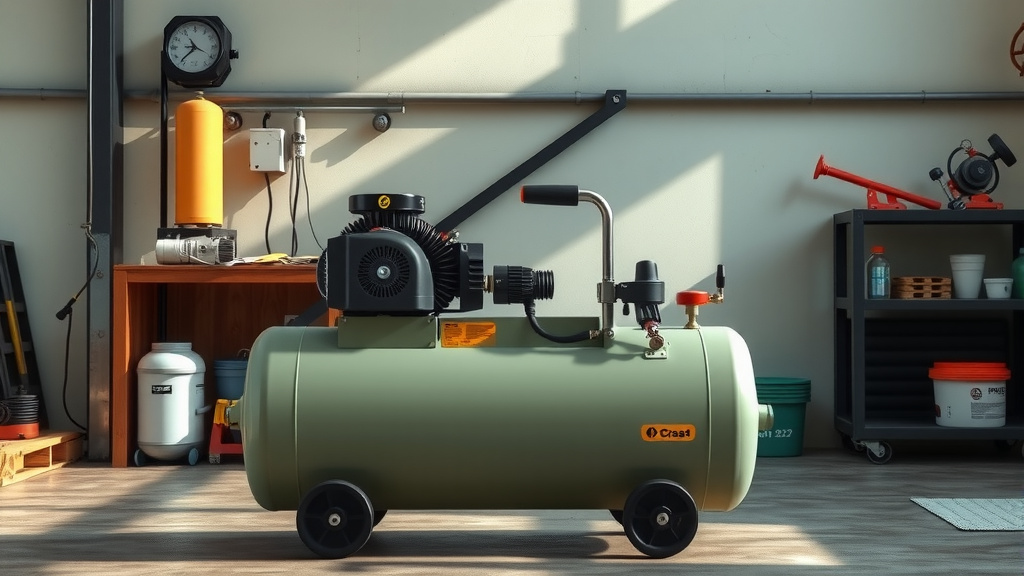
To correctly use an air compressor, always prioritize safety first by wearing appropriate gear and checking your equipment before each use.
Proper usage involves connecting tools securely, setting the right pressure, and regular maintenance to keep your compressor running smoothly and safely.
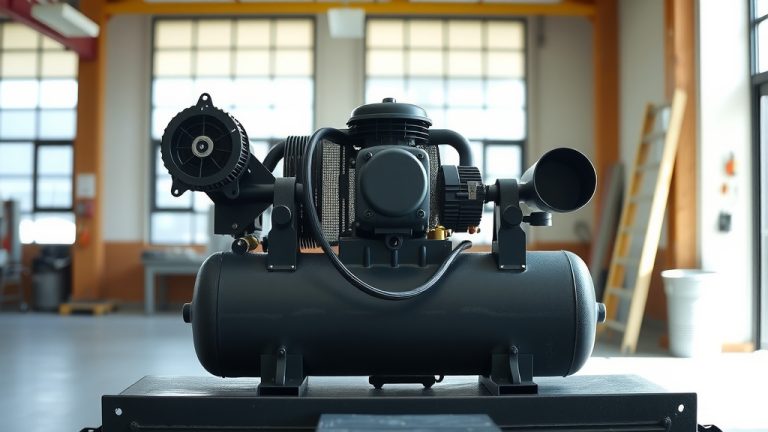
- Understand your air compressor’s parts and functions before starting.
- Always wear safety glasses, gloves, and hearing protection during operation.
- Check hoses, fittings, and the tank for damage before every use to prevent leaks or failures.
- Set the air pressure (PSI) according to your tool’s requirements, never exceeding its maximum rating.
- Perform routine maintenance like draining the tank and checking filters to extend your compressor’s lifespan.
What Is The Correct Way To Use An Air Compressor?
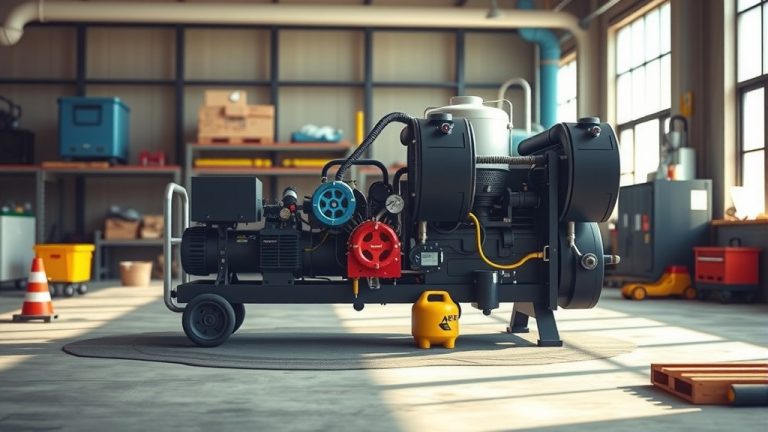
The correct way to use an air compressor centers on safety, proper setup, and attentive maintenance. It’s like learning to drive a car; you need to understand the controls and rules before hitting the road.
Safety First: Your Non-Negotiable Step
Before you even think about plugging in your air compressor, think safety. We found that most accidents stem from neglecting basic precautions. Many experts say that personal protective equipment (PPE) is your first line of defense (OSHA).
Essential Safety Gear You Need
Always put on your safety glasses or goggles. Air compressors can kick up dust, debris, or even small metal fragments. Hearing protection is also a must, especially with noisier models. Think about getting some gloves too, to protect your hands.
Pre-Operation Checklist for Safety
Before turning it on, always inspect your compressor. Are the hoses free of cracks? Are the fittings tight? Is the power cord undamaged? A quick check can prevent big problems. It’s like glancing at your tires before a long trip.
Setting Up Your Air Compressor for Success
Proper setup makes all the difference in performance and longevity. You want to make sure your compressor has room to breathe and is stable.
Choosing the Right Location
Place your air compressor on a level, stable surface. This prevents tipping and ensures proper oil circulation in lubricated models. Good ventilation is also key to prevent overheating, research often connects proper airflow with extended motor life.
Connecting Your Tools Properly
Before connecting any air tool, ensure the compressor is off and depressurized. Use quick-connect couplers for easy and secure attachment. Always double-check that the connection is tight; you don’t want a tool flying off mid-job, do you?
Understanding Air Pressure: PSI and CFM
These two terms are the heart of air compressor operation. PSI tells you the force, and CFM tells you the volume of air. Knowing the difference helps you pick the right compressor and use it effectively.
| Term | What It Means | Why It Matters |
|---|---|---|
| PSI (Pounds Per Square Inch) | Measures the force of air pressure. | Determines how much power your tool gets. |
| CFM (Cubic Feet Per Minute) | Measures the volume of air delivered. | Ensures your tool receives enough air to run continuously. |
| Duty Cycle | The percentage of time a compressor can run. | Prevents overheating and damage from overuse. |
Adjusting the Pressure Regulator
Most air compressors have a pressure regulator. This dial lets you set the PSI. Always refer to your air tool’s manual for its recommended PSI. Exceeding it can damage the tool or even be dangerous, we found that manufacturers usually specify maximum operating pressures for a reason.
Operating Your Air Compressor: Best Practices
Once everything is set up and checked, operating your compressor is straightforward. Still, a few habits can make your experience smoother and safer.
Starting and Stopping Safely
Always start your compressor with the drain valve closed and the pressure regulator set low, then increase it. When you’re done, turn off the compressor, then bleed the air from the tank. Many guidelines point to depressurizing the tank as a good final step (Compressed Air & Gas Institute).
Continuous Use vs. Intermittent Use
Air compressors aren’t designed to run 24/7. They have a “duty cycle.” For example, a 50% duty cycle means it can run for 5 minutes, then needs 5 minutes to rest. Pushing it too hard shortens its life. Listen to your machine; it will tell you when it’s getting tired.
Maintaining Your Air Compressor: A Lifespan Investment
Regular maintenance is like giving your compressor a health check-up. It keeps it working efficiently and helps you avoid costly repairs. Who wants a broken compressor in the middle of a project?
Draining the Air Tank Regularly
This is perhaps the most important maintenance step. Air compressors generate condensation, which collects as water in the tank. If not drained, this water can cause rust and degrade tank integrity. Do it after every use, or at least weekly for frequent users.
Here’s a quick checklist for draining your tank:
- Turn off the compressor and unplug it.
- Put on safety glasses.
- Place a bucket under the drain valve.
- Slowly open the drain valve to release water and air.
- Close the valve tightly once all water is out.
Checking and Changing Filters
Air filters prevent dust and debris from entering the compressor’s motor and tank. A clogged filter makes the motor work harder, reducing efficiency and possibly causing damage. We found that checking filters monthly and replacing them as needed is a common recommendation.
Oil Levels (For Oil-Lubricated Models)
If you have an oil-lubricated compressor, keep an eye on the oil level. Just like your car, it needs oil to run smoothly. Refer to your manual for the correct type of oil and how often to check/change it. Proper lubrication prevents premature wear (Compressed Air & Gas Institute).
Troubleshooting Common Air Compressor Issues
Sometimes, things don’t go as planned. Don’t worry, many common issues have simple fixes.
Compressor Not Turning On
Is it plugged in? Is the circuit breaker tripped? Sometimes the simplest solutions are the right ones. Check the power source first.
Loss of Air Pressure
Check for leaks in your hoses and fittings. A loose connection or a tiny crack can cause significant pressure loss. Also, ensure your tools aren’t demanding more CFM than your compressor can provide.
Conclusion
Using an air compressor correctly boils down to a few key principles: prioritizing safety, understanding your equipment, and committing to regular maintenance. By following these steps, you not only ensure your own well-being but also extend the life of your valuable tool. Think of your air compressor as a partner in your projects – treat it right, and it will serve you well for years to come. Isn’t that what we all want from our tools?
Can I leave an air compressor plugged in all the time?
It’s generally not recommended to leave an air compressor plugged in constantly, especially if it’s not in use. While modern compressors often have automatic shut-off features, unplugging it prevents accidental cycling, saves energy, and minimizes risk during power fluctuations or storms. Always turn it off and unplug it when you’re done for the day.
How often should I drain my air compressor tank?
You should drain your air compressor tank after every use, or at least weekly if you use it frequently. This prevents rust and corrosion from condensed water, which can seriously damage the tank’s integrity and lead to dangerous failures. It’s a quick and essential maintenance step.
What pressure should I set my air compressor to?
The correct pressure for your air compressor depends entirely on the air tool you are using. Always refer to the specific tool’s manual for its recommended PSI (Pounds Per Square Inch) rating. Never exceed the maximum pressure specified for your tool, as this can cause damage or be unsafe.
Can I use any hose with my air compressor?
While many hoses might seem similar, it’s important to use hoses designed for air compressor use that can withstand the specific pressure and airflow requirements of your setup. Check the hose’s pressure rating to ensure it matches or exceeds your compressor’s maximum output. Using an inadequate hose can lead to leaks or bursts.
What is the most common mistake people make when using an air compressor?
Many experts say the most common mistake is neglecting to drain the air tank. This simple oversight allows water to accumulate, leading to rust inside the tank and greatly reducing its lifespan. Another frequent error is failing to wear proper safety gear, like eye and ear protection, which puts users at unnecessary risk.