What Is The Main Purpose Of The Air Compressor?
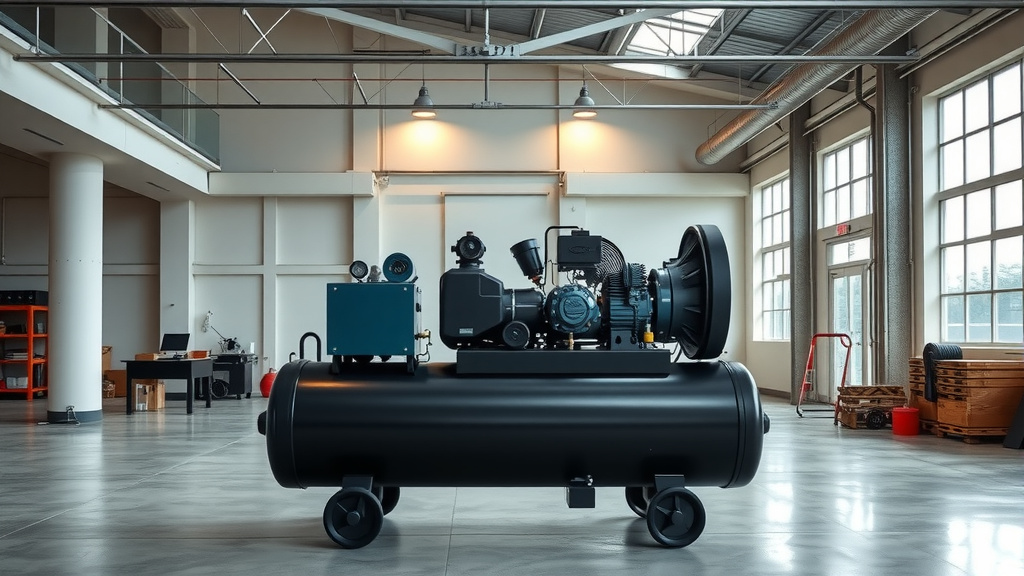
The main purpose of an air compressor is to convert power into kinetic energy, compressing and storing air in a tank.
This stored energy is then released in controlled bursts, providing a powerful, versatile force for many tools and industrial applications.
Here is a brief summary of what you will learn in this post:
- Air compressors turn regular air into stored energy.
- They power countless tools and machines in homes, garages, and factories.
- From inflating tires to running assembly lines, their uses are wide-ranging.
- Air power offers distinct benefits, like improved safety and strength.
- Choosing the correct compressor type helps you get your job done right.
What Is The Main Purpose Of The Air Compressor?
An air compressor’s main goal is to take air from its surroundings, squeeze it into a smaller space, and then hold it under pressure.
Think of it like blowing up a balloon, but with much more force and control.
Understanding Compressed Air
Have you ever played with a spring? You push it down, it stores energy, and then it springs back.
Compressed air works similarly. The compressor pushes air molecules closer together, storing potential energy in a tank.
How An Air Compressor Transforms Energy
Your air compressor starts by pulling in ambient air. Inside, a motor drives a mechanism—often pistons or rotary screws—to squeeze this air.
This increases its pressure, and it then flows into a storage tank, ready for use.
The Power Behind Your Tools
When you trigger an air tool, a valve opens. The stored, high-pressure air rushes out, powering the tool’s internal parts.
This blast of air provides the muscle for tasks like driving nails or tightening bolts.
Common Applications: Where You’ll Find Air Power
Air compressors are truly versatile. You might not see them, but they work hard everywhere.
From your home workshop to giant factories, their energy helps get things done.
At Home: Making DIY Easier
Do you enjoy DIY projects? An air compressor can be your best friend. It powers nail guns for quick framing or staplers for upholstery.
You can also use it to inflate sports equipment or quickly clean dust from your workbench.
In the Garage: Automotive Efficiency
For car enthusiasts or professional mechanics, air compressors are a must-have. They run impact wrenches to remove stubborn lug nuts easily.
They also provide speedy and accurate tire inflation, which is important for vehicle safety (Tire Industry Association).
Industrial Settings: The Backbone of Production
In factories, air compressors are often the heartbeat of operations. They power assembly lines, robotic arms, and packaging machines.
Many experts say this consistent air supply is key to smooth manufacturing processes.
Cleaning and Blowing
Imagine needing to clear sawdust or metal shavings. Air compressors excel at this, delivering a powerful stream of air.
This keeps workspaces tidy and equipment clear of debris.
Painting and Finishing
For a smooth, even paint coat, air sprayers are ideal. The compressor provides consistent pressure for professional-looking finishes.
This method is common in auto body shops and furniture making.
Operating Machinery
Many industrial machines rely on pneumatic power. This means they use compressed air to move parts or apply force.
We found this system is often more reliable and easier to maintain than hydraulic setups for some tasks.
Benefits of Using Air Compressors
Using compressed air offers several advantages compared to electric or hydraulic systems.
It can offer greater safety, flexibility, and often more robust power for specific tasks.
| Benefit | Description | Where It Helps You |
|---|---|---|
| Versatility | Powers many different tools from one source. | Saves space and money on separate tools. |
| Power & Torque | Provides high force for heavy-duty jobs. | Tackles stubborn bolts and large projects. |
| Safety | Fewer electrical components near water/fire. | Reduces risks in certain work environments. |
| Durability | Air tools often have a simple construction. | They stand up well to tough working conditions. |
Safety First: A Look at Air Tools
One primary benefit of air tools is improved safety in some situations. Since they run on air, they do not have electric motors that can spark.
This makes them safer in damp conditions or areas where flammable materials are present (Occupational Safety and Health Administration).
Types of Air Compressors for Different Jobs
Just like cars, air compressors come in various types, each suited for different needs. Knowing which one you need saves you headaches.
Are you looking for something for light home use or heavy industrial work?
Piston Compressors: The Workhorse
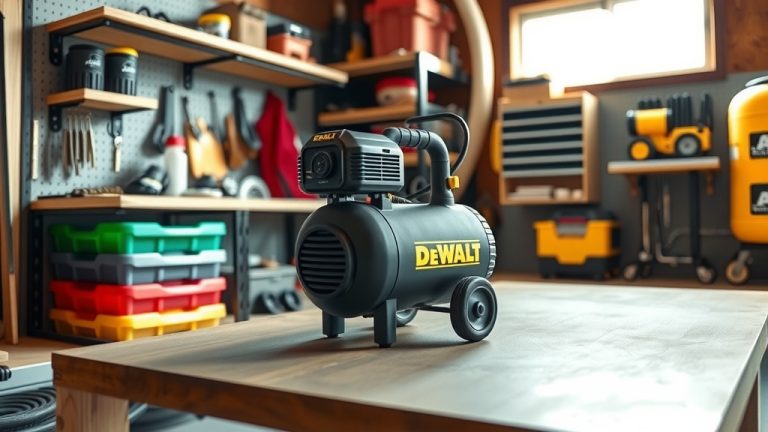
These are the most common type, often seen in garages and small workshops. A piston moves up and down, pulling in and compressing air.
They are usually more affordable and good for intermittent use.
Rotary Screw Compressors: Industrial Might
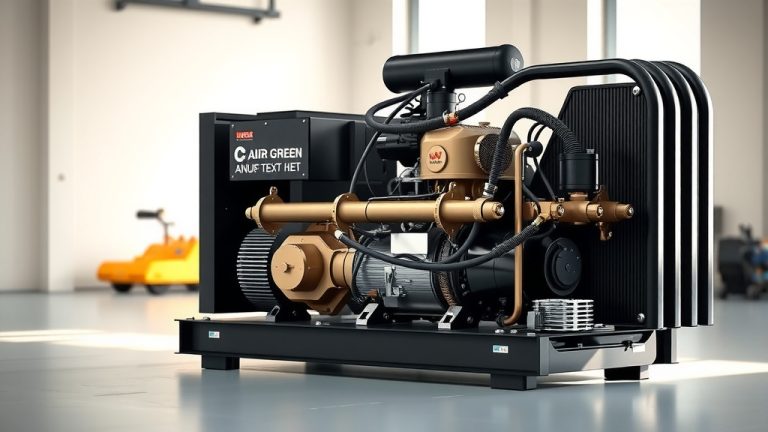
For continuous, heavy-duty operations, rotary screw compressors are the preferred choice. They use two rotating helical screws to compress air.
These machines are quieter and more efficient for constant demand, like in large factories.
Choosing the correct air compressor for your specific needs is very important:
- Consider your main uses (DIY, auto, industrial).
- Think about how often you will use it.
- Check the required CFM (cubic feet per minute) for your tools.
- Look at the pressure (PSI) output you need.
- Factor in noise levels if working in a residential area.
- Consider if you need portability or a fixed unit.
Keeping Your Compressor Running Well
Like any machine, an air compressor performs best with regular care. Simple checks can prolong its lifespan and keep it working safely.
Neglecting maintenance can lead to breakdowns and costly repairs.
Here are some key maintenance checks to keep your compressor running smoothly:
- Drain the moisture from the tank regularly to prevent rust.
- Check and change the air filter as needed to keep dirt out.
- Inspect hoses and connections for leaks or wear.
- Monitor the oil level if you have an oil-lubricated model.
- Listen for unusual noises, which often point to a problem.
Conclusion
The main purpose of an air compressor is truly fundamental: to harness the unseen power of air. By compressing and storing air, these machines provide a versatile and robust energy source.
They make countless tasks easier, safer, and more efficient across many different industries and even in your own home. Whether you are a casual DIYer or managing a busy factory, understanding how air compressors work and what they offer helps you unlock their full potential.
What is the difference between an air compressor and a pneumatic tool?
An air compressor is the machine that generates and stores the compressed air. A pneumatic tool is the device that uses that stored compressed air to perform a specific task, such as an impact wrench or a nail gun.
Can an air compressor be used for painting?
Yes, air compressors are commonly used for painting. They power spray guns, providing a steady and even flow of air to atomize paint and create smooth finishes on surfaces.
How often should I drain the tank on my air compressor?
We found that many manufacturers recommend draining the air compressor tank daily or after each use. This helps remove moisture that condenses inside, preventing rust and preserving the tank’s integrity (Compressed Air & Gas Institute).
Are air compressors energy efficient?
Modern air compressors, especially rotary screw models, are designed with energy efficiency in mind. Proper sizing for the demand and regular maintenance play a large role in how energy efficient your system will be.
What safety precautions should I follow when using an air compressor?
Always wear appropriate safety gear, such as eye and hearing protection. Ensure your compressor is on a stable, level surface, and never operate it beyond its recommended pressure limits. Also, regularly check for damaged hoses or fittings.