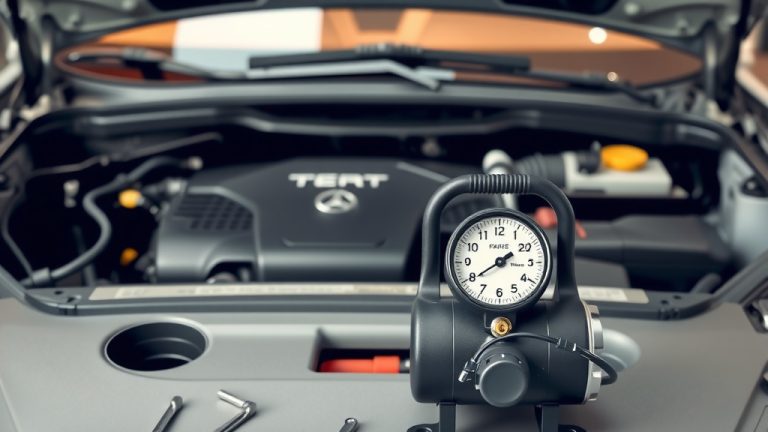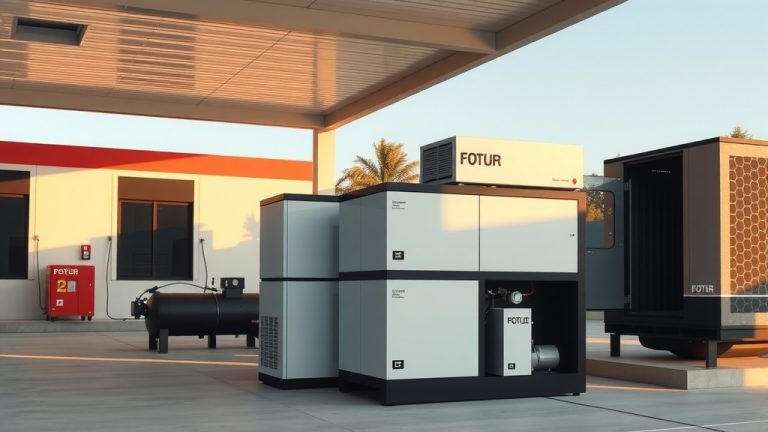
What Is The Purpose Of Air Compressor?
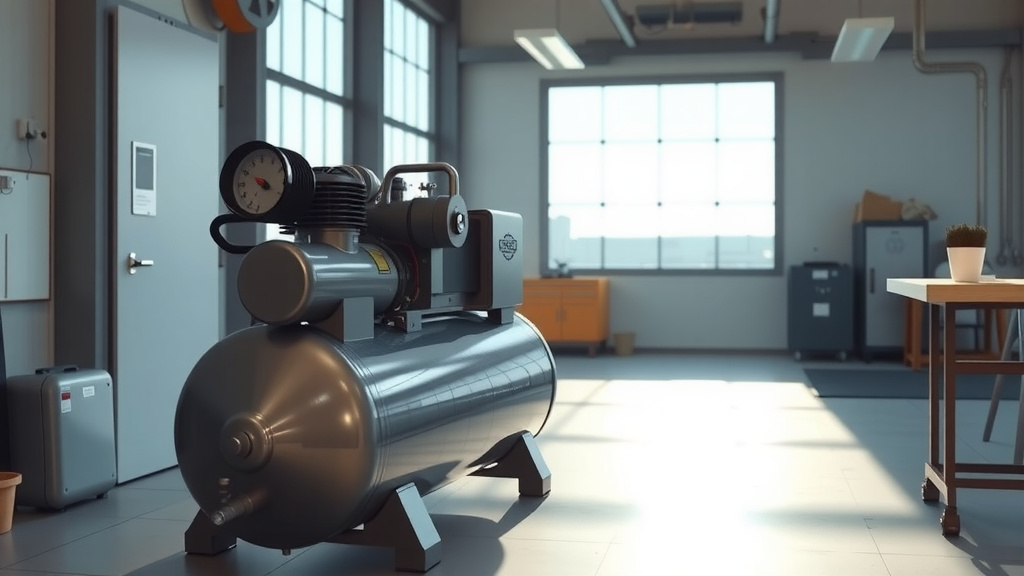
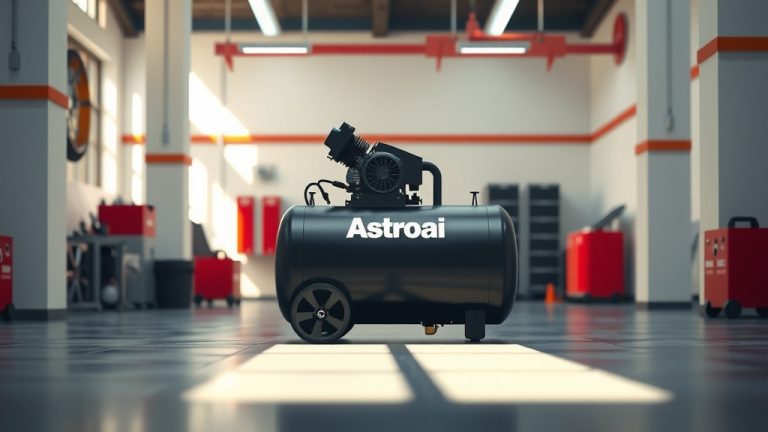
The primary purpose of an air compressor is to convert various forms of power, like electricity or gasoline, into potential energy stored as pressurized air.
This stored compressed air then becomes a powerful and versatile energy source, driving a vast array of tools, machinery, and industrial processes efficiently.
Here’s a quick summary of what air compressors do:
- They take in ambient air and squeeze it into a smaller volume.
- This action creates a powerful stream of pressurized air.
- That air can then operate everything from simple hand tools to large factory equipment.
- Essentially, they’re like an energy reservoir for pneumatic power.
What Is The Purpose Of Air Compressor?
An air compressor’s core function is to generate and store high-pressure air. Think of it as a muscle for your tools, ready to provide a steady burst of power on demand.
Many experts emphasize that this stored energy can perform tasks where other power sources might be less practical or efficient (Compressed Air & Gas Institute).
Understanding How Air Compressors Work
You might wonder, how does this magic happen? An air compressor pulls in air from its surroundings. It then uses a motor to compress this air.
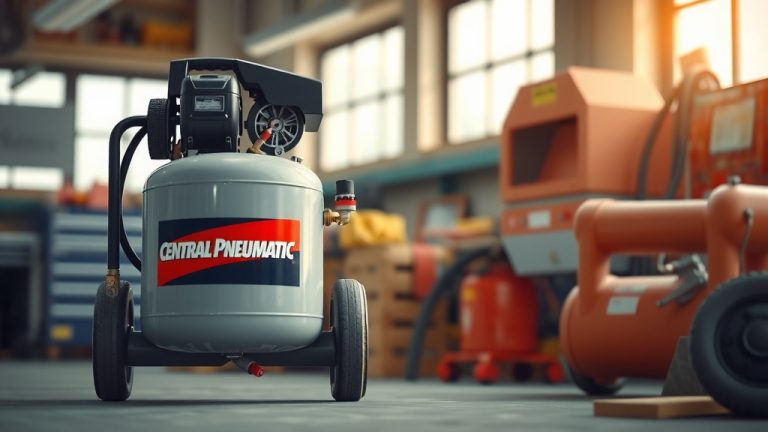
This squeezed air is then stored in a receiver tank. It waits there, ready to be released to power your tools or machinery when you need it.
Converting Power into Pneumatic Force
Imagine blowing up a balloon. That’s a tiny example of compressing air. An air compressor does this on a much grander scale.
It takes mechanical energy and transforms it into pneumatic energy. This allows for a clean, efficient, and often safer power source for many operations.
Everyday Uses of Air Compressors You Might See
Air compressors are everywhere, even if you don’t always notice them. They play a quiet but crucial role in our daily lives.
From simple home tasks to complex activities, their versatility is quite impressive. Have you ever inflated a tire?
Inflating Tires and Sporting Goods
One of the most common uses is for inflation. Whether it’s your car tires, bicycle tires, or even a soccer ball, an air compressor makes quick work of it.
It provides a rapid and controlled way to reach the correct pressure. This helps maintain safety and performance for vehicles and equipment.
Powering Your Garage Tools
Do you enjoy DIY projects? Many home workshops rely on air compressors. They power air tools like nail guns, impact wrenches, and paint sprayers.
These tools often provide more power and precision than their electric counterparts. They make your projects faster and easier.
Air Compressors in Professional Workshops
Beyond the home, air compressors are indispensable in professional settings. They are the backbone of many businesses.
We found that workshops, from small auto repair shops to large manufacturing plants, depend heavily on this technology.
Automotive Repair Shops Rely on Air
Step into any auto repair shop, and you’ll hear the hum of an air compressor. They power tools like impact wrenches for removing lug nuts or air hammers for bodywork.
This constant supply of air makes tasks like tire changes, engine repairs, and painting vehicles efficient. It is truly essential for these businesses.
Construction Sites and Heavy Machinery
On construction sites, air compressors are often mobile, supplying power to jackhammers, air drills, and sandblasting equipment.
They are essential for breaking concrete, driving fasteners, and preparing surfaces. This helps construction projects move along smoothly.
Industrial Applications: The Unsung Hero
The industrial world would barely function without air compressors. They are an **unsung hero** behind countless products and services.
Their reliability and power make them a preferred choice for large-scale operations. It’s hard to imagine modern industry without them.
Manufacturing and Assembly Lines
In factories, air compressors operate robotic arms, conveyor systems, and assembly tools. They are crucial for tasks like packaging, pressing, and sorting products.
Many experts found that consistent air pressure ensures precise and repetitive movements, which is vital for efficient production (Pneumatics & Hydraulics Magazine).
Food and Beverage Processing
Yes, even in food production, air compressors play a role. They are used for cleaning, drying, and even moving ingredients.
Compressed air also helps with packaging and labeling processes. It ensures hygiene and efficiency in these sensitive environments.
Medical and Dental Offices
Did you know your dentist uses an air compressor? Dental drills and other instruments rely on clean, dry compressed air for operation.
In hospitals, they provide air for ventilators, surgical tools, and various laboratory equipment. This demonstrates their critical importance for health.
Why Air Compressors Are So Versatile
Air compressors offer incredible versatility because they provide a stable, controllable, and adaptable power source. You can adjust the pressure for different tasks easily.
Their ability to power a wide range of tools from a single energy source makes them a cost-effective solution for many users.
Considering Different Types of Compressors
There are various types of air compressors, each suited for different purposes. We often classify them by how they compress air and their power source.
Understanding these differences helps you select the **best fit** for your specific needs. Here’s a brief look:
| Compressor Type | Common Use | Key Feature |
|---|---|---|
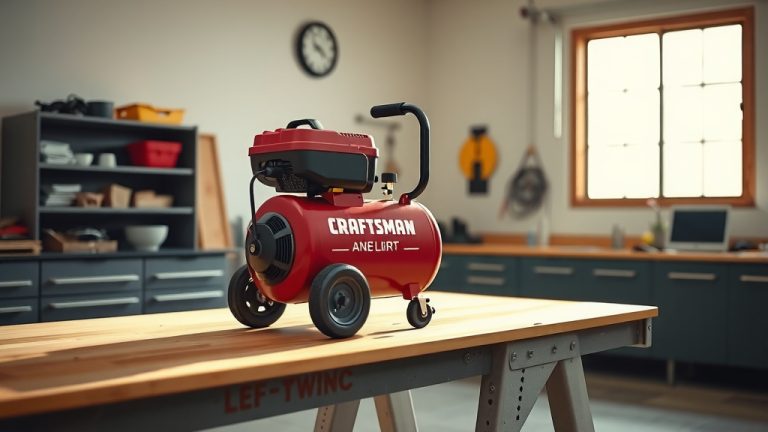
| Reciprocating (Piston) | Home garages, small workshops | Intermittent use, cost-effective |
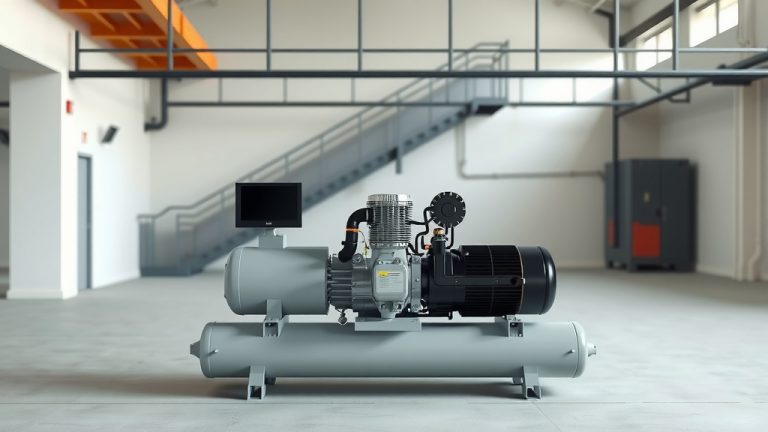
| Rotary Screw | Industrial plants, continuous use | High volume, quiet, efficient |
| Centrifugal | Large-scale industrial, very high volume | Extremely high airflow, specialized |
Choosing the Right Air Compressor for Your Needs
Picking the right air compressor depends on what you plan to do with it. Consider the demands of your tools and the size of your projects.
We found that asking a few key questions can help guide your decision. It ensures you get a unit that’s powerful enough but not overkill.
Here’s a quick checklist to help you decide:
- What specific tools will you use with it?
- How much CFM (Cubic Feet per Minute) do your tools require?
- What is the maximum PSI (Pounds per Square Inch) needed?
- Will you need it for continuous or intermittent use?
- Do you prefer an electric or gas-powered model?
- What are your space and noise level considerations?
Conclusion
Air compressors serve a fundamental purpose: converting power into versatile, pressurized air. They are truly the **heart of pneumatic systems** across countless applications.
From inflating your car tires to powering complex industrial machinery, their role is both pervasive and essential. Understanding their function helps us appreciate their impact.
Choosing the right air compressor can significantly enhance your efficiency and capability, whether for a hobby or a large business. They are a powerful investment.
What is the main benefit of using an air compressor?
The main benefit is their ability to provide a clean, reliable, and powerful energy source for a vast array of tools and machinery. They often offer greater power and longer tool life than electric alternatives for specific tasks, and they can run multiple tools from a single unit.
Can I use any air tool with any air compressor?
Not necessarily. Air tools have specific CFM (Cubic Feet per Minute) and PSI (Pounds per Square Inch) requirements. Your air compressor must meet or exceed these requirements for the tool to function effectively and safely. Always check the tool’s specifications first.
How do I maintain my air compressor?
Regular maintenance typically involves draining condensation from the tank daily, checking and changing the oil (if it’s an oil-lubricated model), inspecting air filters, and ensuring all connections are secure. Following the manufacturer’s guidelines is always recommended for optimal performance and longevity.
Are air compressors noisy?
The noise level of an air compressor can vary significantly based on its type, size, and design. Piston compressors, especially larger ones, can be quite noisy. Rotary screw compressors tend to be much quieter. Manufacturers are also developing quieter models for both home and industrial use.
What are the common types of air compressors?
The most common types are reciprocating (piston) compressors, which are widely used for intermittent tasks in homes and small shops, and rotary screw compressors, which are favored for continuous industrial applications due to their efficiency and quieter operation. Centrifugal compressors are used for very large, high-volume industrial needs.