What Is The Quietest Pancake Air Compressor?
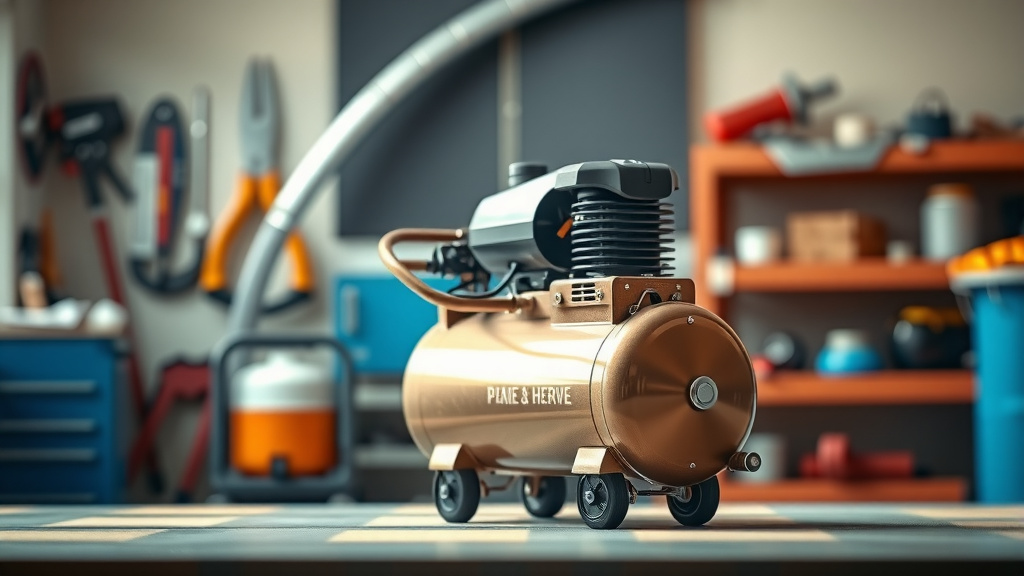
The quietest pancake air compressors typically feature oil-free pumps and advanced motor designs that reduce noise, often operating in the 60-70 dB range. These models prioritize quieter operation without sacrificing too much performance, making them ideal for indoor projects or sensitive environments.
Look for models from brands known for low noise, like California Air Tools, which designs many of its compressors to run significantly quieter than traditional pancake units. When you’re shopping, checking the decibel (dB) rating is your best bet for finding a truly quiet option.
- You want a quiet pancake air compressor for home tasks without disturbing everyone.
- The best models often use oil-free pumps and run around 60-70 dB, which is like normal conversation.
- Brands such as California Air Tools are well-known for producing quieter units.
- Always check the compressor’s decibel (dB) rating before buying to confirm its noise level.
- Consider how you’ll use it; quieter compressors make a big difference for indoor projects or in garages.
What Is The Quietest Pancake Air Compressor?
The quietest pancake air compressor is generally one built with an oil-free motor and a focus on noise reduction. These units often boast decibel levels similar to a normal conversation, which is a big relief for your ears.
Most experts agree that a compressor operating under 70 dB is considered quiet, and many specific pancake models now aim for an even lower range, often hitting around 60 to 65 dB. This makes a huge difference compared to older, louder units.
Why Does Quiet Matter Anyway?
Imagine trying to finish a project in your garage while your air compressor screams like a banshee. Not fun, right? A quiet compressor means you can listen to music, have a conversation, or just enjoy the peace without a headache.
Many of us work on hobbies or DIY tasks at home. If you have neighbors close by, or if your workspace is inside your house, a quiet machine becomes an absolute necessity. It’s about being considerate and comfortable.
Understanding Decibels (dB): Your Ear’s Best Friend
Decibels, or dB, are how we measure sound intensity. Think of it like this: a whisper is about 30 dB, a normal conversation is 60 dB, and a lawnmower is around 90 dB. Traditional air compressors can easily hit 80-90 dB or more, which is very loud for prolonged exposure.
When you see a compressor rated at 65 dB, it’s roughly as loud as people talking. That’s a huge step down from 85 dB, which is like being near a busy street. A lower dB number truly means a quieter experience for you.
What Makes a Pancake Compressor Quiet?
It’s not magic, but smart engineering! Several factors contribute to a pancake compressor’s low noise level. The main two are the type of pump system and the motor’s design. Many manufacturers put serious effort into sound-dampening technologies today.
We found that companies focus on specific features to reduce the typical racket. This often involves the materials used and how the motor itself is housed. It’s a combination of small things that add up to a big difference.
The Oil-Free Advantage for Low Noise
Many quieter compressors are oil-free. This means no oil to lubricate the pump, which simplifies maintenance and can reduce certain types of noise. Oiled compressors often have more moving parts that can generate friction and sound.
While oil-free units historically had shorter lifespans, modern advancements have made them very durable. Plus, you don’t have to worry about oil changes or potential leaks, making them a cleaner choice for your projects.
Motor Design and Sound Dampening
The motor is the heart of your compressor, and its design heavily impacts noise. Quieter models often use a dual-piston pump or slower-reving motors. Slower speeds mean less vibration and less noise being generated.
Beyond the motor itself, manufacturers also use insulated casings, larger fans that move more air with less effort, and rubberized feet to absorb vibrations. These small additions keep the sound from traveling and bothering your ears.
Top Contenders for Quiet Pancake Compressors
When you start looking, you’ll notice certain brands popping up consistently in the “quiet” category. These companies have invested in developing technology specifically to bring down those decibel levels. You often pay a little more for this feature, but your ears will thank you.
Many experts say that specific designs, like those with induction motors, naturally run quieter than universal motors. This is a good signpost to follow when comparing models side-by-side.
California Air Tools: A Common Favorite
If you’ve researched quiet air compressors, you’ve probably seen California Air Tools mentioned. They are one of the most prominent brands focusing on ultra-quiet designs, and their pancake models are no exception.
Their compressors often boast decibel ratings in the low 60s, making them an excellent choice for any noise-sensitive work. While they might cost a bit more, many users find the peace and quiet worth every penny.
Features to Look For in a Quiet Pancake Compressor
Choosing the right quiet compressor goes beyond just the dB rating. You need to consider how it fits into your workflow and what tasks you plan to tackle. Think about power and portability alongside noise levels.
You’ll want to balance the compressor’s ability to deliver enough air for your tools with its quiet operation. It’s a bit like picking a car; you want it to be quiet, but it still needs to get you where you’re going efficiently.
Decibel Rating (dB): The First Number to Check
We can’t stress this enough: always look for the dB rating. It’s usually listed prominently on the product specifications. Aim for anything under 70 dB for a truly noticeable difference in quietness.
The lower the number, the better for your ears and your sanity. Don’t just assume a compressor is quiet because it’s labeled “silent” – always double-check the actual decibel level (NIH).
SCFM and Tank Size: Balancing Power and Noise
SCFM (Standard Cubic Feet per Minute) tells you how much air your compressor can deliver. A higher SCFM means it can run air-hungry tools longer. Tank size relates to how much air it can store. For pancake compressors, tanks are typically 1 to 6 gallons.
You want enough SCFM for your tools but remember that very high SCFM might sometimes come with a bit more noise. Find the sweet spot that provides enough power for your nail gun or small paint sprayer without making your ears ring. It’s about finding the right tool for your jobs.
Portability and Weight: Can You Really Move It?
Pancake compressors are known for their compact, portable design. Check the weight before you buy. If you plan to move it around frequently, a lighter model will save your back.
The pancake shape itself is designed for stability and easy storage. Make sure the handle is comfortable and the overall design works for your space. It’s all about making your work as easy as possible.
Tips for Making Any Compressor Quieter
Even if you get a quiet model, there are always ways to make your air compressor even more discreet. These simple tricks can further reduce noise and vibration, making your workspace much more pleasant. You don’t need to be an engineer to make these changes; they are easy to implement.
Think of it like adding extra insulation to your home; every little bit helps. Sometimes, just changing where you put it can make a big difference for your ears and your neighbors.
Location, Location, Location
Where you place your compressor matters. Putting it in a corner or against a wall can sometimes amplify noise. Try to position it away from hard surfaces that might reflect sound. Placing it further away from you is always a good idea too.
Consider putting it in a separate room or even outside if possible, especially for quick tasks. The further the sound travels, the less intense it will be when it reaches you. A bit of distance goes a long way to ensure a peaceful workspace.
Anti-Vibration Pads and Mats
Vibration is a major source of noise. Placing your compressor on rubber anti-vibration pads or a thick mat can significantly dampen the sound. These pads absorb the tremors before they can transfer to the floor and create more noise.
You can find these pads at most hardware stores, and they are an inexpensive way to make a big impact. It’s a simple trick that helps create a more silent operation for your compressor.
| Feature | Quiet Pancake Compressor | Standard Pancake Compressor |
|---|---|---|
| Noise Level (dB) | 60-70 dB (like conversation) | 80-90+ dB (like lawnmower) |
| Pump Type | Often Oil-Free | Can be Oiled or Oil-Free |
| Motor Design | Advanced, Slower RPM, Insulated | Faster RPM, Basic Enclosure |
| Price Point | Higher | Lower |
| Best Use | Indoors, Home, Garage, Hobby | Outdoor, Construction, Louder Environments |
Your Quiet Compressor Buying Checklist
- Check the Decibel (dB) Rating: Aim for 70 dB or lower.
- Look for Oil-Free Pumps: Often quieter and less maintenance.
- Consider SCFM and Tank Size: Enough power for your tools, but not excessive.
- Evaluate Portability and Weight: Can you comfortably move it?
- Read User Reviews: What are other buyers saying about the noise?
Conclusion
Finding the quietest pancake air compressor doesn’t have to be a loud search! By focusing on the decibel rating, understanding pump types, and looking at smart motor designs, you can easily choose a model that works for your home or workshop without creating a racket. Remember, a quieter compressor means a more peaceful and productive environment for all your projects.
Is an oil-free pancake compressor always quieter?
While oil-free compressors often run quieter due to fewer moving parts that require lubrication, it’s not a universal rule. The overall design, motor type, and sound dampening features play a significant role. Always check the specific decibel rating for the most accurate noise level.
Can a pancake air compressor be used for painting?
Yes, many pancake air compressors are suitable for small painting projects, especially with airbrushes or touch-up spray guns. You need to ensure the compressor provides enough SCFM for your specific paint gun, as painting requires a continuous air supply. Always check your paint gun’s air requirements.
How do I know if a pancake compressor has enough power for my tools?
You need to match the compressor’s SCFM (Standard Cubic Feet per Minute) to your tools’ SCFM requirements. Most air tools will list their average SCFM consumption. Your compressor should ideally have an SCFM rating equal to or higher than the highest-consuming tool you plan to use with it.
Are quiet pancake compressors less durable?
Not necessarily. While early quiet, oil-free designs sometimes had durability concerns, modern quiet compressors use advanced materials and engineering that make them very reliable. Many experts say that proper maintenance and not overworking the compressor are key factors in its lifespan, regardless of noise level.
What maintenance does a quiet pancake air compressor need?
Most quiet pancake compressors are oil-free, meaning no oil changes. You’ll generally need to drain the air tank after each use to prevent rust, check for any air leaks occasionally, and keep the air filter clean. These simple steps ensure your compressor stays in good working order for a long time.