What’S A Good Air Compressor?
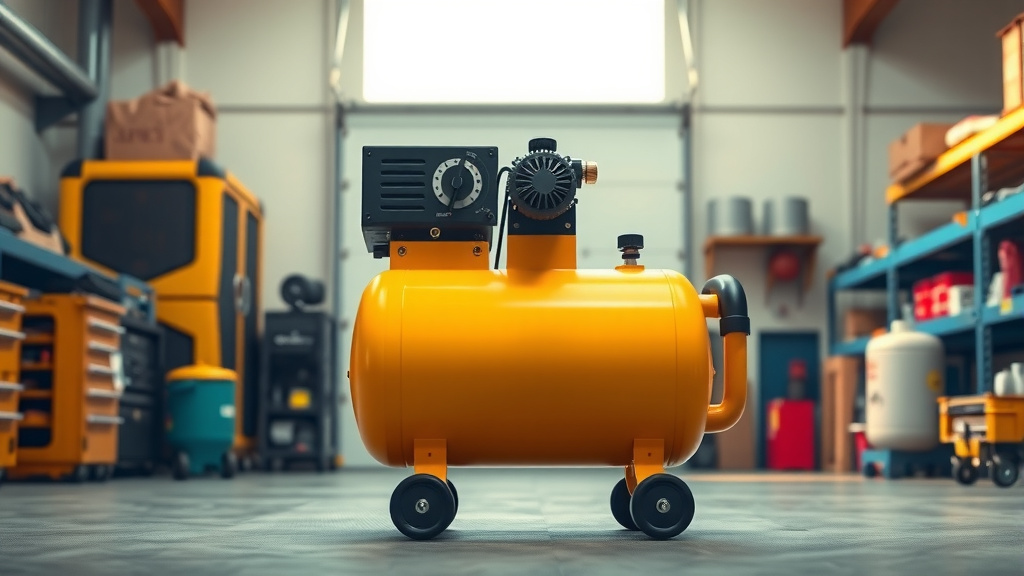
A good air compressor is one that perfectly matches your specific needs, providing the right amount of power (CFM and PSI) and tank size for your intended tasks.
It needs to be reliable, efficient, and built to last, making sure your projects run smoothly without unexpected interruptions.
Here’s a quick look at what we’ll cover:
- Discover what truly defines a “good” air compressor for you.
- Understand key terms like CFM, PSI, and horsepower without the jargon.
- Learn how to match an air compressor to your home or workshop needs.
- Explore important features for convenience and longevity.
- Get practical tips on making a smart purchase.
What’S A Good Air Compressor?
A good air compressor is like a reliable workhorse, delivering consistent power and air volume to tackle your projects efficiently, whether you’re inflating tires or powering heavy-duty tools.
It’s all about finding the right balance between its capabilities and your specific demands, ensuring you don’t overspend or underperform.
Understanding Air Compressor Basics
When you’re looking for an air compressor, you’ll hear about terms like PSI and CFM. These are really important for knowing what a unit can do for you.
Think of it like buying a car; you wouldn’t just look at the color, right? You’d check the engine size and fuel economy.
What is PSI (Pounds Per Square Inch)?
PSI tells you the maximum pressure the air compressor can produce. This is like the strength of the air blast. Higher PSI helps with tasks needing more force, such as using an impact wrench for stubborn bolts.
What is CFM (Cubic Feet Per Minute)?
CFM indicates the volume of air the compressor can deliver at a certain pressure. This is its “breathing capacity.” If you’re running air tools constantly, like sanders or grinders, you need a higher CFM to keep them going without interruption.
Why Horsepower (HP) Matters Less
While horsepower sounds impressive, it actually tells you less about an air compressor’s real-world performance than CFM and PSI do. Many experts say to focus more on the air delivery specs rather than just the HP rating (Popular Mechanics).
We found that CFM is often the most critical factor for continuous tool operation.
Matching Your Air Compressor to Your Needs
Choosing the right air compressor starts with understanding what you’ll use it for. Are you a weekend warrior or a dedicated DIY enthusiast? Your tools will dictate the compressor you need.
It’s like picking the right size shoe; too big or too small, and you’re not going to be comfortable.
For Light-Duty Home Use
If you’re mainly inflating tires, sports equipment, or using a nail gun for small projects, a smaller compressor is often perfect. You’ll want something around 2-4 CFM at 90 PSI.
These are typically portable and easy to store, making them great for occasional tasks around the house.
For Workshop & Automotive Tasks
When you step up to tasks like operating impact wrenches, paint sprayers, or sanders, you’ll need more power. We found that 4-10 CFM at 90 PSI is often the sweet spot here.
These larger units can handle more demanding air tools, helping you get the job done faster and more efficiently.
For Heavy-Duty Professional Applications
Professionals in auto shops or construction need serious power. We’re talking 10-20+ CFM at 90 PSI or more. These industrial-grade compressors can run multiple tools simultaneously and continuously.
They are built for constant use and can handle the toughest jobs, providing reliable performance all day long.
Air Compressor Tank Size: Does it Matter?
The tank size of an air compressor acts as a reservoir, holding compressed air. A larger tank provides a longer burst of air before the motor kicks in to refill it.
This can be really helpful for tools that consume a lot of air in short bursts, like impact wrenches, saving wear and tear on your motor.
Consider these points for tank size:
- Small tanks (1-6 gallons): Great for portability and intermittent use. Ideal for inflating and nail guns.
- Medium tanks (8-30 gallons): A good all-rounder for DIY and light workshop tasks. Can support some impact wrenches or paint sprayers.
- Large tanks (60-80+ gallons): Best for continuous use with high-CFM tools. Often found in professional settings.
Oiled vs. Oil-Free Compressors
When you’re choosing a compressor, you’ll encounter two main types: oiled and oil-free. Each has its own benefits and drawbacks, much like choosing between a gas or electric car.
Understanding the difference helps you pick the best fit for your projects.
| Feature | Oiled Compressors | Oil-Free Compressors |
|---|---|---|
| Maintenance | Requires regular oil changes. | Low maintenance, no oil changes. |
| Noise Level | Generally quieter. | Often louder. |
| Lifespan | Longer lifespan with proper care. | Shorter lifespan due to friction. |
| Air Quality | Air may contain trace amounts of oil. | Cleaner air, better for painting. |
| Cost | Typically more expensive upfront. | Generally more affordable. |
Noise Levels: A Quieter Workshop is a Happier Workshop
Some air compressors can be incredibly loud, sounding like a jet engine in your garage. If you’re working indoors or for long periods, a quieter model can make a huge difference.
Look for specifications in decibels (dB). Anything below 70 dB is generally considered quiet enough for most users.
Portability vs. Stationary Units
Do you need to move your air compressor around often? Or will it live in one spot in your garage?
Portable units often have wheels and handles, making them easy to transport. Stationary units, on the other hand, are typically larger and more powerful, designed to be set up once.
Power Source: Electric vs. Gas
Most home and workshop compressors are electric, plugging into a standard outlet. Gas-powered compressors offer mobility and power for outdoor or remote jobs where electricity isn’t available.
However, gas models require more maintenance and can’t be used indoors due to exhaust fumes.
Essential Features to Look For
Beyond the core specs, certain features can really make an air compressor better to use. It’s like getting a car with power windows versus crank windows; both work, but one is much nicer.
We found that these extras enhance convenience and safety, making your workday smoother.
Pressure Gauge and Regulator
A good air compressor will have a clear pressure gauge to show the tank pressure and an adjustable regulator. This lets you precisely control the air pressure going to your tools, protecting them and improving your work.
Multiple Air Outlets
Having more than one air outlet (coupler) is incredibly handy if you need to switch between tools or run two tools at once. It saves time and effort, letting you work more efficiently without constant disconnections.
Thermal Overload Protection
This safety feature automatically shuts off the compressor if it starts to overheat. It protects the motor from damage and prevents potential fire hazards. Many experts highlight this as a key safety component (OSHA guidelines).
Drain Valve
A drain valve, usually at the bottom of the tank, allows you to release condensation. This is vital for preventing rust inside the tank and maintaining air quality. Draining the tank regularly significantly extends the compressor’s life.
Making Your Purchase Decision: A Checklist
Ready to choose? Here’s a quick checklist to help you narrow down your options:
- Identify your primary tools and their CFM/PSI requirements.
- Consider your typical usage time and frequency.
- Decide between portability and a stationary setup.
- Factor in noise levels, especially for indoor use.
- Set a realistic budget that balances cost with quality.
- Look for essential safety and convenience features.
Conclusion
Finding a good air compressor doesn’t have to be a confusing task. By focusing on your specific needs, understanding key metrics like CFM and PSI, and considering practical features, you can make an informed choice.
Remember, the best air compressor for you is one that perfectly supports your projects, offering reliability and efficiency for years to come. Take your time, assess your tools, and you’ll find the perfect match.
What is the most important spec for an air compressor?
The most important specification is CFM (Cubic Feet Per Minute) at a specific PSI, usually 90 PSI. This tells you the actual volume of air the compressor can deliver, which is crucial for running air tools continuously.
Can I use a small air compressor for painting?
For small touch-up jobs or crafts, a smaller air compressor might work. However, for serious painting projects, especially with spray guns that require consistent air flow, you’ll need a higher CFM compressor (typically 5-10 CFM) with a larger tank to avoid inconsistent results.
How often should I drain the tank on my air compressor?
You should drain your air compressor tank after every use, or at least weekly if used frequently. This removes condensed water, preventing rust inside the tank and extending the life of your compressor and air tools.
Is a 20-gallon air compressor good for a home garage?
A 20-gallon air compressor is a very versatile size for a home garage. It can handle most DIY tasks, including running impact wrenches, nail guns, and even some smaller sanders or paint sprayers, offering a good balance of capacity and portability.
What’s the difference between single-stage and two-stage compressors?
Single-stage compressors compress air once, while two-stage compressors compress air twice for higher pressure. Two-stage units are typically more efficient and powerful, often used in industrial settings or for heavy-duty professional applications requiring very high PSI.