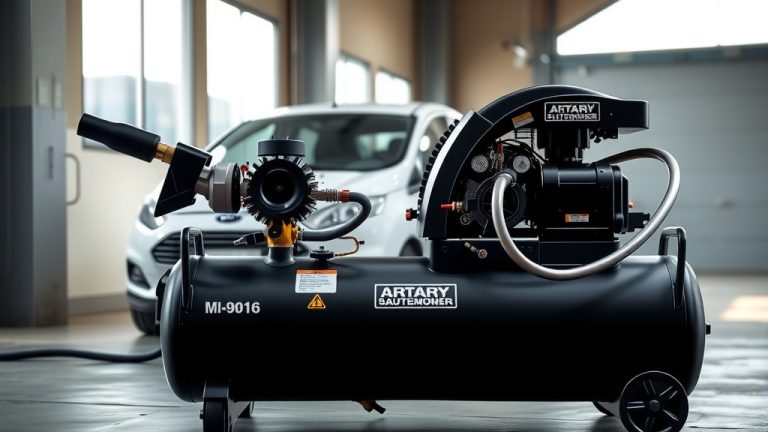
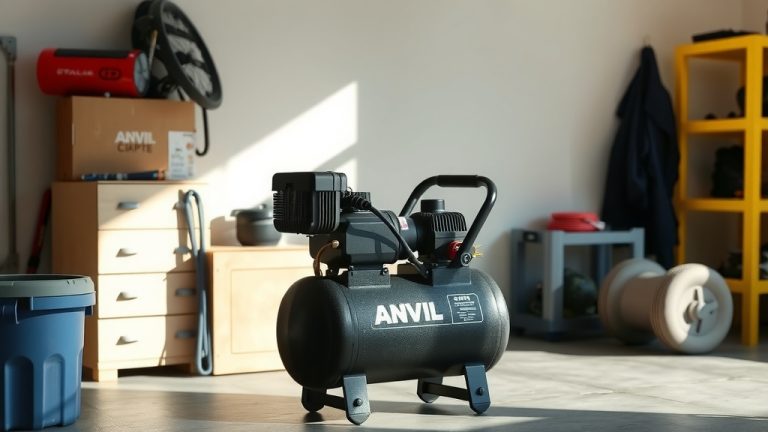
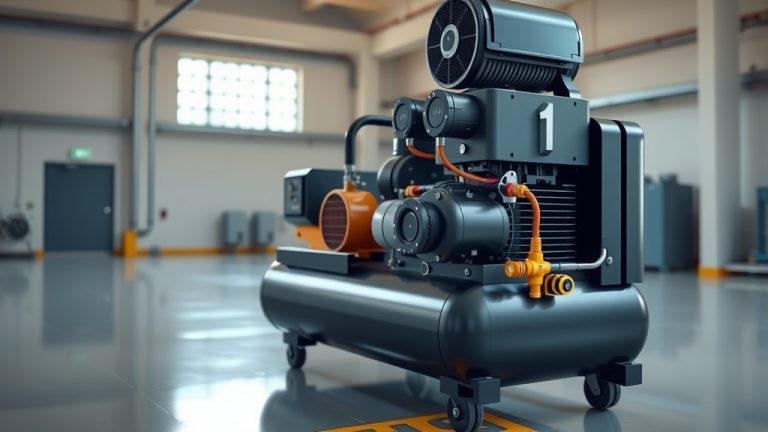
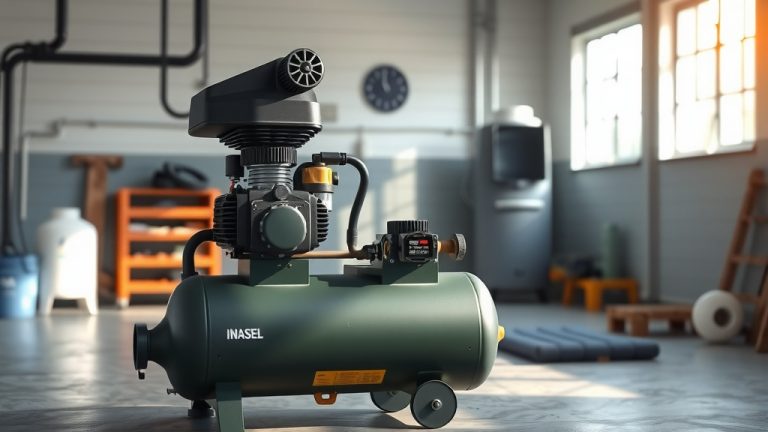
Why Is My Air Compressor Getting Hot?
Your air compressor is getting hot primarily due to factors like a clogged air filter, low or incorrect oil levels, or insufficient ventilation. These issues force the unit to work harder, generating excessive heat.
Ignoring a hot air compressor can lead to costly repairs, reduced efficiency, and even safety hazards, so addressing the cause promptly is always a smart move for your equipment’s longevity.
Before diving deep, here’s a quick summary of why your air compressor might be feeling the heat:
- A dirty air filter chokes off airflow.
- Low oil or the wrong type of oil causes friction.
- Poor ventilation traps heat around the unit.
- Running your compressor too long without a break overworks it.
- Worn-out parts like bearings create extra friction.
Why Is My Air Compressor Getting Hot?
Your air compressor gets hot because its internal components are working hard, and if something is hindering its operation, that workload increases, generating more heat than it can dissipate. It’s usually a sign that something isn’t quite right.
Picture your air compressor like an athlete pushing hard during a race. A little warmth is normal, right? But if they’re overheating, it means their body isn’t cooling properly, or they’re working beyond their limits. Your compressor is much the same.
The Usual Suspects Behind Compressor Overheating
Many things can cause your air compressor to run hotter than usual. Understanding these common culprits helps you pinpoint the problem quickly. We’ve found that some issues are much more common than others (Air Compressor Guidebook, 2022).
Low Oil or Wrong Oil Type
Think of engine oil as the blood of your compressor. If the oil level is too low, or if you’re using the wrong viscosity, internal parts will grind and create excessive friction. This friction directly translates into heat.
Checking your oil regularly is like checking your car’s oil. It’s a small task that prevents much bigger headaches. Many experts say using the manufacturer-recommended oil is key (Compressor Maintenance Journal).
Clogged Air Filter
Imagine trying to breathe through a pillow. That’s what a dirty air filter does to your compressor. It restricts airflow, making the motor work harder to pull in the air it needs. This extra effort generates extra heat.
A simple visual check can often reveal a dirty filter. When you see dust and grime built up, it’s time for a change. We found that this is one of the easiest fixes for overheating issues.
Poor Ventilation
Air compressors need space to “breathe” and dissipate heat. If your unit is crammed into a small, enclosed space, it can’t cool down effectively. The surrounding air gets hot, and the compressor just keeps recirculating that hot air.
Ensuring proper airflow around the compressor is critical. Many manufacturers recommend specific clearances for optimal operation. Is your compressor trapped in a corner?
Continuous Operation or Over-cycling
Like any machine, an air compressor needs rest. Running it non-stop or having it cycle on and off too frequently without reaching its pressure target can cause it to overheat. This suggests the compressor might be undersized for your needs.
If your compressor feels like it’s always running, consider your usage. Is it too small for the demands you’re placing on it? Sometimes, a larger tank or a higher CFM model is the answer.
Worn Components
Over time, parts like motor bearings or pump seals can wear out. Worn bearings create more friction and resistance, leading to increased heat production. Belts that are too tight or too loose can also contribute to this.
A tell-tale sign of worn components is often an unusual noise accompanying the heat. A squealing or grinding sound might point to internal wear. We found that regular preventative maintenance catches these issues early.
Motor Issues
The motor is the heart of your compressor. If it’s struggling, perhaps due to a faulty capacitor or winding problems, it will draw more current and produce excessive heat. This is a more serious issue that often requires professional attention.
Always disconnect power if you suspect a motor problem. This kind of overheating isn’t just a performance issue; it can be a fire hazard. Safety first, always.
High Ambient Temperature
Sometimes, the problem isn’t the compressor itself but its environment. If your workshop is scorching hot, your compressor will naturally run hotter. It has to work harder to cool itself down when the surrounding air is already warm.
Consider moving your compressor to a cooler spot or improving the cooling in your workspace. Sometimes, a simple fan can make a big difference.
Pressure Valve Problems
The pressure relief valve is a safety feature, but a faulty check valve or pilot valve can also cause overheating. If these valves aren’t working correctly, pressure can build up excessively, stressing the system.
Monitoring your pressure gauges can sometimes offer clues. If the pressure seems unusually high, this could be a factor. Many guidelines point to valve checks as a good part of routine service (Compressed Air Magazine).
Wrong Compressor Size
Using a compressor that’s too small for the tools you’re running will make it work constantly, without proper rest cycles. This continuous operation overloads the system and leads to overheating.
Think about a tiny engine in a huge truck – it would struggle! Matching your compressor’s CFM and tank size to your tool’s requirements is paramount for efficient operation and longevity.
Consequences of Ignoring an Overheating Compressor
Ignoring the warning signs of an overheating compressor is like ignoring a check engine light in your car. It will lead to bigger, more expensive problems down the road. You really don’t want to get to that point.
Reduced Efficiency and Performance
When your compressor gets too hot, its ability to produce compressed air efficiently drops. You’ll notice less power to your tools or longer recovery times. It’s simply not performing its best.
Component Damage and Early Failure
Sustained high temperatures degrade oil, seals, and other vital components much faster. This leads to premature wear and failure of expensive parts like the pump or motor. Think of it like cooking an engine.
Safety Risks
In extreme cases, an overheated compressor can pose a fire risk or even cause an explosion. While rare, it’s a serious possibility that you should never disregard. Always prioritize safety in your workshop.
What You Can Do: Practical Solutions
Don’t fret! Most overheating issues have practical solutions. You can tackle many of these yourself with a little care. We found that a proactive approach saves money and extends equipment life.
- Check and Change Oil: Regularly inspect your oil level and quality. Use only the manufacturer’s recommended type.
- Clean or Replace Air Filter: This is a quick and cheap fix. A clean filter is a happy compressor.
- Improve Ventilation: Give your compressor some breathing room. Clear obstructions and ensure good airflow.
- Monitor Run Time: If your compressor is running constantly, you might need a larger unit or tank.
- Inspect for Worn Parts: Listen for unusual noises. If you suspect worn bearings or belts, it’s time for replacement.
Mobile-Friendly Table: Overheating Causes & Quick Fixes
| Overheating Cause | Quick Solution | When to Act |
|---|---|---|
| Low/Wrong Oil | Check oil level, replenish/replace. | Monthly or per manual. |
| Clogged Air Filter | Clean or replace filter. | Monthly or when dirty. |
| Poor Ventilation | Relocate or clear space around unit. | Immediately. |
| Continuous Use | Allow cool-down periods, assess sizing. | During heavy use. |
| Worn Components | Inspect belts/bearings, replace as needed. | Upon noise/vibration. |
When to Call a Professional
While many fixes are DIY-friendly, some problems are best left to the pros. If you suspect electrical issues, motor problems, or internal pump damage, calling an expert is your safest and smartest bet. They have the specialized tools and knowledge.
Don’t hesitate to seek help if you’re unsure. A professional diagnosis can prevent further damage and ensure your compressor runs safely. Research often connects early professional intervention with longer equipment life (National Institute of Standards and Technology).
Your Compressor Overheating Checklist
- Is the air filter clean and clear?
- Is the oil level correct and the right type?
- Does the compressor have enough space for airflow?
- Has it been running non-stop for too long?
- Are there any strange noises coming from the motor or pump?
- Is the ambient temperature of your workspace too high?
Conclusion
When your air compressor is getting hot, it’s telling you something. It’s rarely a sign of doom, but it’s always a call to action. By understanding the common causes, like a clogged filter, low oil, or poor ventilation, you can often diagnose and fix the issue yourself.
Regular maintenance is your best friend here. A little proactive care goes a long way in keeping your compressor running smoothly, efficiently, and most importantly, safely. Listen to your compressor; it’s communicating with you!
FAQs
How hot is too hot for an air compressor?
Generally, if you can’t comfortably keep your hand on the compressor pump for more than a few seconds, it’s running too hot. Many units have thermal overload protection that will shut them down if they exceed safe operating temperatures, usually around 200-250°F.
Can a power surge cause an air compressor to overheat?
Yes, a power surge or inconsistent voltage can stress the compressor motor, causing it to draw too much current and generate excessive heat. This can damage internal windings or other electrical components, leading to overheating.
Does using a longer air hose affect compressor temperature?
A longer air hose itself usually doesn’t directly cause the compressor to overheat. However, if the hose is undersized or has leaks, it can cause the compressor to work harder to maintain pressure, indirectly leading to increased heat production.
How often should I change my air compressor’s oil?
The frequency for changing your air compressor’s oil depends on the type of compressor and its usage. For most piston compressors in regular use, a good rule of thumb is every 3-6 months or after every 100-200 hours of operation. Always refer to your specific manufacturer’s guidelines.
Can running too many tools at once make my compressor overheat?
Absolutely. If you’re running multiple air tools that demand a high volume of air (CFM) simultaneously, your compressor will likely run continuously to try and keep up. This constant operation without adequate rest cycles will quickly lead to overheating and premature wear.