
What Gauge Extension Cord For Air Compressor?
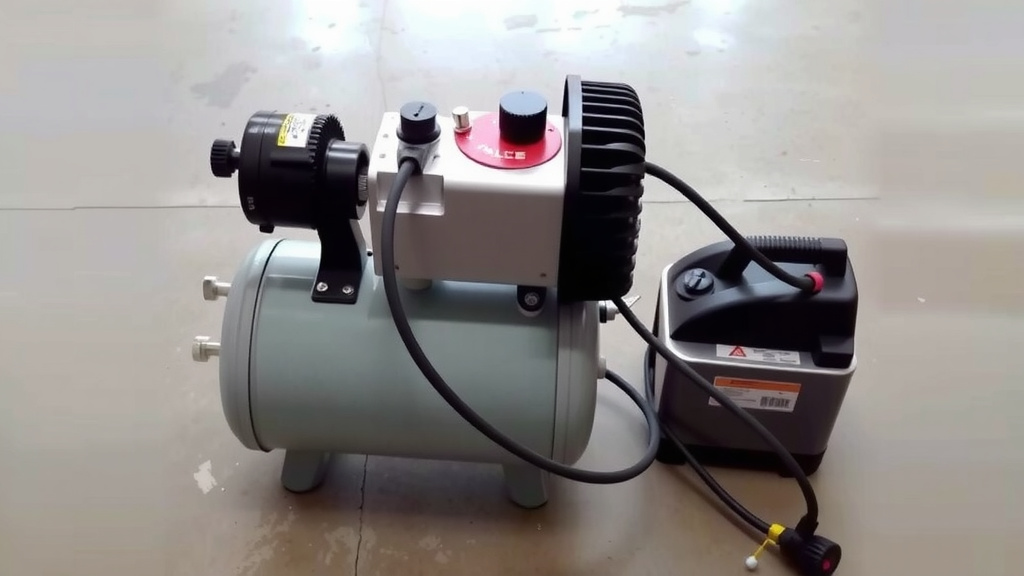
For most common portable air compressors (under 15 amps), a 12 or 10-gauge extension cord is often recommended, especially for lengths up to 50 feet.
Choosing the correct gauge extension cord for your air compressor is crucial to prevent voltage drop, overheating, and potential damage to your valuable tool.
Here’s a quick summary to help you get started without reading the entire article:
- Always check your air compressor’s amperage requirements.
- Shorter cords are generally better for maintaining power.
- A lower gauge number means a thicker, safer cord for higher power.
- Too thin a cord can damage your compressor and create fire hazards.
What Gauge Extension Cord For Air Compressor?
You need to match the extension cord’s gauge to your air compressor’s amperage draw and the cord’s length. A 12 or 10-gauge cord is a common choice for many home and light shop compressors.
Have you ever plugged in your air compressor, flipped the switch, and noticed it just wasn’t quite “right”? Maybe it sounded weak, or it took forever to build pressure. Often, the culprit isn’t the compressor itself but the extension cord you’re using. It’s a common pitfall, and you’re definitely not alone.
Why Does Cord Gauge Matter So Much?
Think of electricity like water flowing through a hose. If the hose is too narrow (a thin gauge cord), the water pressure drops before it reaches the end. Similarly, a thin extension cord causes a “voltage drop.” This means your compressor isn’t getting the full power it needs.
When voltage drops, your compressor has to work harder. This extra effort generates heat, which can damage the motor over time. Many experts say that insufficient cord gauge is a leading cause of premature air compressor failure (Occupational Safety and Health Administration).
Understanding AWG: What’s a “Gauge” Anyway?
When you see “gauge” on an electrical cord, it refers to its thickness. The American Wire Gauge (AWG) system might seem a little backwards at first. Here’s the simple rule: the lower the gauge number, the thicker the wire.
So, a 10-gauge cord is thicker than a 14-gauge cord. A thicker wire can carry more electricity with less resistance and less heat. This means more power reaches your air compressor, keeping it running smoothly and safely.
Key Factors to Consider for Your Cord
Choosing the right cord isn’t a guessing game. You’ll want to check a few specifics about your air compressor and how you plan to use it.
Your Compressor’s Amperage (Amps)
This is arguably the most critical piece of information. Look for a sticker or plate on your air compressor. It will usually state the amperage draw (e.g., 15 Amps). This tells you how much electricity the compressor pulls.
If you can’t find amps, sometimes horsepower (HP) is listed. A quick rule of thumb for 120V circuits: 1 HP is roughly 7-8 amps. So, a 2 HP compressor might draw around 14-16 amps.
The Cord’s Length Matters
Electricity loses power over distance. The longer the cord, the greater the potential for voltage drop. This is why you might need a thicker (lower gauge) cord for a longer run. A short 25-foot cord might be fine at a higher gauge, but a 100-foot cord definitely needs a lower gauge.
Voltage: 120V vs. 240V
Most smaller, portable air compressors run on standard 120-volt household current. Larger, more powerful shop or industrial compressors might require 240-volt power. 240-volt systems are generally more efficient for larger loads and can use a slightly higher gauge cord for the same power due to how the electricity is delivered.
Indoor vs. Outdoor Use
Will you be using your compressor outside? You’ll need an extension cord rated for outdoor use. These cords have tougher insulation to resist moisture, sunlight, and abrasions. They are usually marked “W” (weather-resistant) or “SJOW” for extra durability.
Matching Your Compressor to the Right Cord Gauge
Let’s look at some common scenarios. Remember, it’s always best to err on the side of a thicker cord if you’re unsure. A slightly oversized cord is safe; an undersized one is a hazard.
Here’s a handy table we found that provides general guidelines:
| Compressor Amps (120V) | Cord Length (Feet) | Recommended Cord Gauge (AWG) |
|---|---|---|
| Up to 10 Amps | 25 ft | 16 Gauge |
| Up to 10 Amps | 50 ft | 14 Gauge |
| Up to 10 Amps | 100 ft | 12 Gauge |
| 11-15 Amps | 25 ft | 14 Gauge |
| 11-15 Amps | 50 ft | 12 Gauge |
| 11-15 Amps | 100 ft | 10 Gauge |
| 16-20 Amps | 25 ft | 12 Gauge |
| 16-20 Amps | 50 ft | 10 Gauge |
| 16-20 Amps | 100 ft | 8 Gauge |
Small Portable Compressors (Pancake, Hot Dog)
These are often 1-2 HP and draw around 8-15 amps. For a 25-50 foot run, a 14 or 12-gauge cord is usually perfect. For longer runs up to 100 feet, step up to a 10-gauge cord to be safe.
Medium Shop Compressors
If you have a 3-5 HP compressor, it’s likely drawing 15-20 amps on 120V, or possibly running on 240V. For 120V, you’ll almost certainly need a 12 or 10-gauge cord, even for shorter lengths. For longer distances, an 8-gauge might be necessary.
The Hazards of Using the Wrong Cord
Using an undersized extension cord isn’t just about poor performance; it’s a genuine safety concern. We found that the main issues include:
- Overheating: The cord itself can get very hot, melting insulation, and causing electrical fires.
- Compressor Damage: The motor can burn out from working too hard with insufficient power.
- Circuit Breaker Trips: Your breaker might trip repeatedly, indicating an overload or an issue with power delivery.
- Inefficient Operation: Your tools might not get enough air pressure, slowing down your work.
Your Checklist for Choosing an Extension Cord
To make sure you grab the right cord every time, here’s a quick mental checklist:
- Check the compressor’s amperage or horsepower.
- Measure the maximum distance you’ll need the cord to reach.
- Decide if you need an indoor or outdoor rated cord.
- Remember: lower gauge number means a thicker, better cord.
- Always choose a cord that’s slightly overkill rather than undersized.
General Extension Cord Safety Tips
Beyond gauge, there are other safety practices you should follow. Always inspect your cord before use for any frays, cuts, or exposed wires. Never run cords under carpets or through doorways where they can be pinched or become a tripping hazard.
Also, avoid daisy-chaining multiple extension cords together. This significantly increases resistance and voltage drop. It also adds more connection points that could overheat. Use a single, appropriately sized cord instead.
Conclusion
Choosing the correct gauge extension cord for your air compressor is a simple step that yields big benefits. It protects your equipment, prevents potential fire hazards, and ensures your air tools perform as they should. By understanding the basics of amperage, length, and gauge, you can confidently select the right cord every time. It’s an investment in both your tools and your safety, and that’s always worth it.
Frequently Asked Questions
Can I use a 16-gauge extension cord for my air compressor?
Generally, a 16-gauge cord is too thin for most air compressors, especially if it’s more than 10-15 feet long or for compressors drawing more than 10 amps. Using it could lead to significant voltage drop and overheating risks. It’s usually safer to opt for a 14-gauge or lower (thicker) cord.
What happens if my extension cord is too long for my air compressor?
If your extension cord is too long, it will cause a significant voltage drop. This means your air compressor won’t receive enough power, causing it to run inefficiently, overheat, and potentially suffer motor damage over time. Your tools might also perform poorly due to reduced air pressure.
Is a 10-gauge cord good for all air compressors?
A 10-gauge cord is an excellent choice for many medium to large portable air compressors, especially for longer runs up to 100 feet. It can handle higher amperages (up to 15-20 amps) better than thinner cords. However, for very large industrial compressors or extremely long distances, an 8-gauge or even thicker cord might still be necessary.
Can I plug an air compressor directly into a wall outlet?
Yes, plugging an air compressor directly into a dedicated wall outlet is always the best option if possible. This eliminates any potential issues with extension cords, ensuring your compressor receives full power. Make sure the outlet is on a circuit that can handle the compressor’s amperage without tripping the breaker.
How do I find the amperage of my air compressor?
You can usually find your air compressor’s amperage (amps) listed on a data plate or sticker attached to the compressor unit itself. This information is typically near the motor or tank. If you can’t find it, check your compressor’s owner’s manual. It’s a critical detail for safe extension cord selection.
