
Where Is The Air Suspension Compressor?
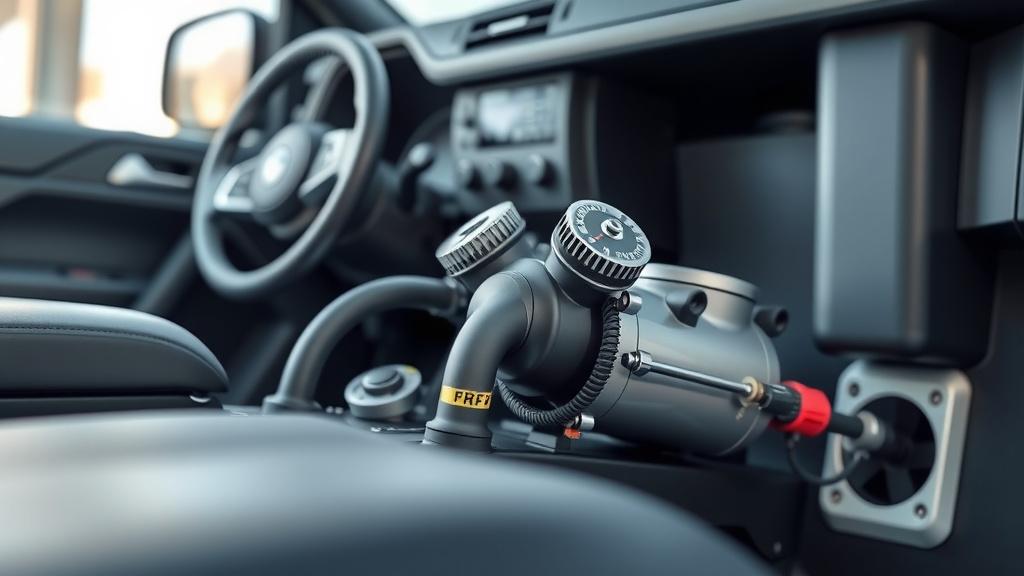
The air suspension compressor is typically located in your vehicle’s trunk, under the hood, or beneath the car frame, often near a wheel well. It’s the hardworking heart of your air suspension system.
Its exact position varies greatly depending on your car’s make, model, and year, but it’s always designed to be accessible for service while protected from the elements.
- The air suspension compressor usually hides in the trunk, under the hood, or underneath the car.
- Its job is to pump air into your suspension bags, keeping your ride smooth and level.
- Knowing its location helps you identify issues like unusual noises or poor ride quality.
- Always consult your owner’s manual for the precise spot in your vehicle.
Where Is The Air Suspension Compressor?
The air suspension compressor is a crucial component that keeps your ride smooth and level. You will find this vital part typically located in a few key areas on most vehicles: under the hood, in the trunk, or beneath the chassis.
Why Is The Air Suspension Compressor Important?
Think of your air suspension compressor as the heart of your car’s air ride system. It’s what pumps air into your air springs, which replace traditional coil springs. This allows your vehicle to adjust its ride height and provide a much more comfortable journey.
Without a working compressor, your car might sag, feel bouncy, or even be unsafe to drive. It works hard to maintain your preferred ride quality, adapting to different loads and road conditions. This tiny but mighty machine ensures you always have a smooth driving experience.
Common Hiding Spots for Your Compressor
Automakers place air suspension compressors in locations that balance protection from the elements with accessibility for maintenance. This means they are usually tucked away. Let’s explore the most frequent spots where you might find yours.
Under the Hood: A Classic Spot
Many vehicles house the air suspension compressor right in the engine bay. It’s often found mounted to the frame rail or tucked away near the firewall. This location makes it relatively easy to spot and service, as it’s within arm’s reach when you open the hood.
However, being under the hood means it’s exposed to engine heat. Engineers design these compressors to withstand those conditions, ensuring long-term reliability. If you hear a strange whirring or rattling from the front, it might be your compressor.
Beneath the Vehicle: Shielded from Harm
Another very common placement for the air suspension compressor is underneath the car. You might find it near one of the rear wheels, tucked up inside the frame. Automakers often install a protective cover or shroud to shield it from road debris, water, and salt, which is a clever design choice.
While this keeps it safe, it can make it a little harder to access for inspection. We found that some European luxury vehicles, for example, frequently choose this location (research suggests this is common for certain Audi and Mercedes models). You might need to jack up your car to get a clear view.
Inside the Trunk: Often Out of Sight
For many SUVs and sedans, particularly those with a focus on interior quietness, the compressor is located in the trunk. It might be hidden under the spare tire cover, behind a side panel, or in a dedicated compartment. This placement helps dampen noise and vibrations during operation.
If you’re looking for your compressor and can’t find it elsewhere, the trunk is a great place to check. It’s often the easiest location for you to access without special tools. Just remember to lift the carpet or remove any panels to reveal the hidden equipment.
How Does Your Air Suspension Compressor Work?
At its core, the compressor takes in ambient air, compresses it, and then sends it to the air springs through air lines. It works in conjunction with a dryer and a valve block. The dryer removes moisture from the air, preventing damage to the system.
The valve block then directs the compressed air to individual air springs, allowing your vehicle to adjust its height at each wheel. It’s a sophisticated process that happens seamlessly while you drive, thanks to electronic control units.
Signs Your Compressor Might Be Struggling
Your air suspension compressor works tirelessly, but it can wear out over time. Recognizing the signs of trouble early can save you from a complete system failure and potentially costly repairs. Pay attention to how your car feels and sounds.
Unusual Noises: What to Listen For
A healthy air compressor should operate relatively quietly. If you start hearing a loud, persistent buzzing, whirring, or rattling sound, especially when the car starts or when you open a door, it could be a sign. Many experts say that excessive noise indicates internal wear (Automotive Service Association).
This noise might mean the compressor is working overtime, or that its internal components are failing. It’s like a tired person groaning; it’s a signal that something isn’t right. Don’t ignore these audio cues; they are your car talking to you.
Uneven Ride Height: A Clear Indicator
One of the most obvious symptoms of a failing air compressor is an uneven ride height. You might notice one corner of your car sagging, or perhaps the entire vehicle is sitting lower than usual. This happens because the compressor isn’t able to pump enough air to maintain proper pressure.
If you return to your car after parking and find it looking like it’s kneeling, that’s a strong hint. A struggling compressor can’t keep those air springs inflated, leading to an uncomfortable and unsafe ride.
System Warning Lights: Don’t Ignore Them
Modern vehicles are equipped with sophisticated diagnostic systems. If there’s an issue with your air suspension, a warning light will likely appear on your dashboard. This could be a generic “check suspension” light or a specific fault message.
Never ignore these warnings. They are designed to alert you to problems before they become critical. Many workshops have seen customers wait until the system completely fails, which often results in more expensive repairs.
Finding Your Specific Compressor (Checklist)
Sometimes, the owner’s manual isn’t enough, or you might have bought a used car without one. Here’s a quick checklist to help you locate your air suspension compressor:
- Check your owner’s manual first for a diagram or section on air suspension.
- Pop the hood and visually inspect along the frame rails and firewall.
- Look in the trunk: lift the carpet, check under the spare tire, and behind side panels.
- Carefully look underneath the vehicle, especially towards the rear, for a covered box.
- Listen carefully for pumping sounds when the car is first started or after opening a door.
What If You Can’t Find It?
If you’ve searched all the common spots and still can’t locate your air suspension compressor, don’t worry. Some vehicles have very unique placements. You might need to consult a service manual specific to your car’s make and model. Online forums for your particular vehicle can also be a treasure of shared knowledge.
If you’re still stuck, or if you suspect a problem, it’s always wise to contact a professional mechanic. They have the experience and tools to quickly identify the compressor and diagnose any issues. It’s often safer to let an expert handle it than to damage other components while searching.
Maintenance Tips for a Healthy Compressor
Keeping your air suspension compressor in good shape can extend its life and prevent costly repairs. A little preventive care goes a long way. Here are some simple tips:
| Tip | Benefit | Frequency |
|---|---|---|
| Keep it Clean | Prevents dirt and debris buildup which can cause overheating. | Annually or as needed |
| Check for Leaks | Ensures the compressor isn’t overworking due to air leaks in the system. | During routine service |
| Inspect Wiring | Identifies frayed wires or loose connections that cause electrical issues. | During routine service |
| Monitor Performance | Listen for unusual noises; observe ride height consistency. | Regularly while driving |
Regular maintenance ensures that your compressor doesn’t have to work harder than it should. We found that compressors that are well-maintained tend to last much longer (automotive maintenance reports).
Replacing an Air Suspension Compressor
When your air suspension compressor fails, it needs replacing. This is usually a job best left to professionals, as it often involves special tools and calibrating the new unit. The cost can vary widely, depending on your vehicle and whether you use OEM or aftermarket parts.
Many guidelines point to replacing the air dryer along with the compressor (AutoZone Technical Information). This ensures the new compressor doesn’t immediately take on moisture-laden air, which could shorten its lifespan. Always prioritize quality parts and installation.
Conclusion
Your air suspension compressor is a vital, yet often hidden, part of your vehicle’s comfortable ride. Whether it’s under the hood, beneath the car, or tucked away in the trunk, knowing its potential locations empowers you as a car owner. By paying attention to signs of trouble like unusual noises or an uneven stance, you can catch problems early.
Remember, regular checks and timely maintenance are your best friends in keeping this important component working well. If you’re ever unsure about its location or function, a professional mechanic can always provide the expert guidance you need. Keep an eye (and ear) on your compressor, and enjoy the smooth roads ahead!
What does an air suspension compressor do exactly?
An air suspension compressor pumps air into the system’s air springs, allowing your vehicle to raise or lower its ride height. It maintains consistent air pressure for a smooth, level, and comfortable driving experience, adapting to different loads and road conditions.
How long does an air suspension compressor typically last?
The lifespan of an air suspension compressor varies greatly, but many last between 60,000 to 100,000 miles or about 5 to 10 years. Factors like driving conditions, regular maintenance, and the quality of the component itself all play a role in its durability.
Can I drive my car if the air suspension compressor is broken?
You can sometimes drive your car with a broken air suspension compressor, but it’s not recommended for long distances. Your vehicle will likely sit lower, have a very harsh ride, and may be unstable. Driving in this condition can damage other suspension components and is generally unsafe.
Is it expensive to replace an air suspension compressor?
Replacing an air suspension compressor can be quite expensive. The cost depends on the vehicle’s make and model, whether you choose original equipment manufacturer (OEM) parts or aftermarket options, and labor costs. It’s often a significant repair due to the part’s complexity and installation time.
What causes an air suspension compressor to fail?
Common causes of air suspension compressor failure include prolonged overworking due to air leaks in the system, electrical faults, internal component wear and tear, and moisture damage from a failing air dryer. Exposure to road salt and debris can also contribute to its breakdown over time.
