
Can Air Compressors Be Laid Down?
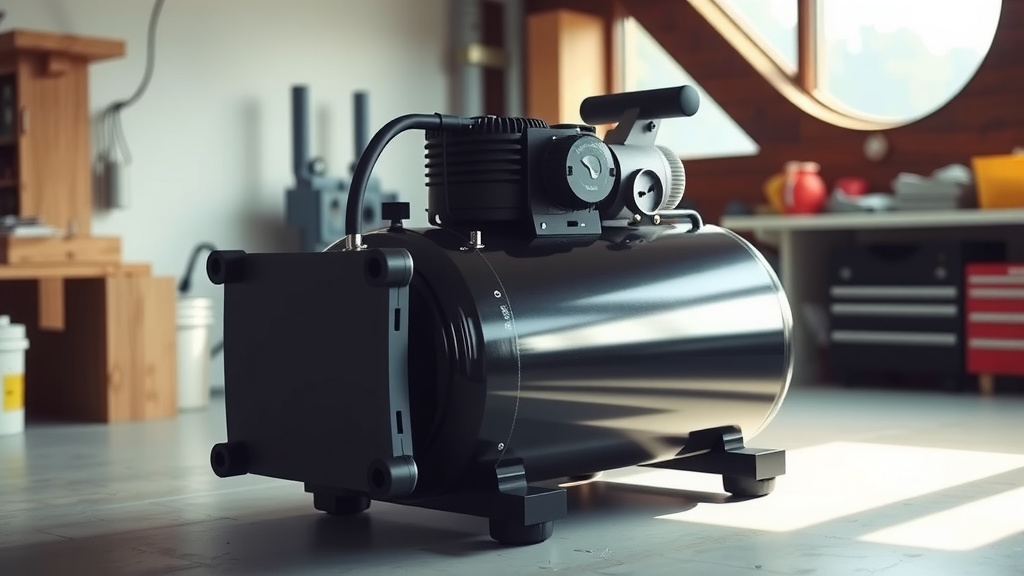
No, you generally should not lay most air compressors down, especially if they are oil-lubricated models, as this can cause significant operational issues and damage.
Laying down an air compressor can lead to oil leaking into crucial components, like the air lines or pump, which compromises performance and may cause costly repairs.
Here’s a quick summary of what you need to know:
- Oil-lubricated air compressors should always be transported and stored upright to prevent oil leaks.
- Oil-free models are more tolerant but still benefit from upright handling to protect gauges and sensitive parts.
- Always consult your specific compressor’s owner’s manual for definitive guidance on transport and storage.
- Allow an air compressor to sit upright for several hours after transport, especially if it was tilted, before operating it.
- Ignoring these guidelines can cause serious damage, requiring expensive repairs or replacement.
Can Air Compressors Be Laid Down?
For most air compressors, especially the common oil-lubricated types you find in many workshops, the answer is a clear no. Laying them down can create a messy, damaging situation.
Why This Question Matters for Your Compressor
You probably think about your compressor’s power or air capacity, right? But how you move and store it is just as important. Ignoring proper handling can turn a simple task into a big headache for you.
Understanding your specific compressor’s design is truly key here. Not all machines are built the same, and what works for one might ruin another.
The Oil-Lubricated Dilemma
If your air compressor uses oil to lubricate its pump, that oil is the main reason you should keep it upright. Imagine spilling oil all over your garage floor; that’s just a tiny hint of what could happen inside your machine.
This internal oil leak is the primary concern for many compressor owners. It can impact air quality and system integrity.
Vertical vs. Horizontal: Know Your Machine
Air compressors come in various shapes and sizes. You’ll see tall, vertical tanks and shorter, horizontal ones. Each design usually dictates how it should be handled.
So, before you even think about tilting it, take a moment. What kind of compressor do you own? Does it have a visible oil fill cap or a sight glass?
What Happens if You Lay an Oil Compressor Down?
When an oil-lubricated compressor is laid on its side, gravity takes over. The oil, which should stay in the crankcase, can leak out. It might seep into the air lines, the pressure switch, or even the motor housing.
This oil contamination can block air filters and damage sensitive components. It can even lead to your compressor blowing oily air, ruining paint jobs or delicate equipment. We found that this is a frequent cause of unexpected compressor failures.
Oil-Free Compressors: A Different Story
Good news! If you have an oil-free air compressor, you generally have more flexibility. Since there’s no oil to spill, the risk of internal leakage is much lower.
These models are often designed for easier transport. Many experts say they can be laid down for short periods without major issues. Still, a little caution goes a long way.
The Importance of Proper Storage and Transport
Even with an oil-free unit, you still need to be careful. Gauges, air filters, and plastic components can be fragile. You wouldn’t throw your phone around, right? Treat your compressor with similar care.
Think about securing it. A compressor rolling around in the back of your truck is asking for trouble. Proper transport prevents unnecessary bumps and scrapes.
| Compressor Type | Can Be Laid Down? | Potential Risks |
|---|---|---|
| Oil-Lubricated | Not Recommended | Oil leaks into air lines, motor, pump; contaminated air; severe damage. |
| Oil-Free | Generally OK (with care) | Damage to gauges, plastic parts, air filter housing; internal component shifting. |
The Manufacturer’s Manual: Your Best Friend
You might think manuals are boring, but for your air compressor, it’s gold. Every manufacturer designs their equipment differently. What’s safe for one model might void the warranty on another.
Always, always refer to your specific owner’s manual. It provides the definitive rules for transport, storage, and operation. This information is tailored to your machine.
What About Small, Portable Compressors?
Many smaller, pancake, or hot dog style compressors are oil-free. Their compact design often makes them more forgiving when moved. However, “forgiving” doesn’t mean “invincible.”
Even for these handy little units, checking the manual is crucial. Some might still have specific recommendations to prevent damage to their delicate pressure switches or regulators.
- Always confirm your compressor’s oil type first.
- Drain the air tank completely before moving it.
- Protect external parts like gauges and valves from impact.
- Secure the compressor during transport to prevent shifting.
- Allow it to rest upright for several hours before initial operation.
Preparing Your Air Compressor for Movement
Before you move your air compressor, whether across the garage or to a different job site, take a few minutes to prepare it. This can save you a lot of grief later.
First, always drain the air tank. Pressure can be dangerous during transport. Also, draining any accumulated moisture will prevent rust and keep your air clean (many general maintenance guidelines advise regular moisture draining for compressor longevity).
After Transport: Getting It Ready to Run
You’ve moved it safely. Great! Now, don’t just plug it in and go. If you suspect it was tilted, let it sit upright for at least a few hours. This allows any shifted oil to settle back into the crankcase.
Before starting, always check the oil level, if applicable. Make sure it’s within the recommended range. Running a low-oil compressor, even for a short time, can cause rapid wear.
Here’s a quick checklist for after you’ve transported your compressor:
- Inspect the entire unit for any visible damage.
- For oil-lubricated models, check the oil level carefully.
- Run the compressor empty for a few minutes to ensure proper function.
- Listen for any unusual noises or vibrations during operation.
- Verify that all air connections and hoses are secure.
The Risks of Ignoring Storage Guidelines
Ignoring your compressor’s handling instructions isn’t just about messy spills. It can lead to expensive repairs or a completely ruined unit. Oil in the air lines means you’ll be constantly cleaning filters and replacing parts.
Think of the frustration and wasted money. A little care during transport ensures your compressor stays a helpful tool, not a costly problem. We found that most avoidable compressor issues stem from improper handling or storage.
Conclusion
While some oil-free air compressors offer more flexibility, the safest and most recommended approach for nearly all air compressors is to keep them upright during transport and storage. Always prioritize consulting your specific model’s manual for precise instructions.
A few moments of careful preparation and proper handling can significantly extend the life of your air compressor. Your machine works hard for you; treating it with care ensures it will keep performing reliably for years to come.
How long should an air compressor sit upright after being laid down?
If your air compressor, especially an oil-lubricated one, was laid on its side, you should allow it to sit upright for a minimum of 4-6 hours before operating it. This gives any displaced oil ample time to drain back into the crankcase, preventing potential damage to the pump or other components.
Can I store my air compressor in cold weather?
Storing an air compressor in cold weather is generally fine, but you must drain the air tank completely before storage. Any moisture left inside the tank can freeze, potentially cracking the tank or damaging valves. For oil-lubricated models, use a low-temperature compressor oil if you plan to operate it in cold conditions.
What’s the best way to transport a large air compressor?
For large air compressors, secure them upright on a sturdy hand truck or dolly. If using a vehicle, ensure it’s firmly strapped down to prevent tipping or shifting. Always drain the tank pressure first and protect any exposed gauges or delicate parts with padding. You should prioritize stability and minimizing movement.
Do all portable air compressors have the same rules for being laid down?
No, not all portable air compressors have identical rules for being laid down. Oil-free portable models are generally more forgiving due to the absence of lubricating oil. However, oil-lubricated portable units still require upright transport and storage. Always check the manufacturer’s manual for your specific model’s guidelines.
Is it okay to move an air compressor with air still in the tank?
No, it is never recommended to move an air compressor with air still pressurized in the tank. The stored energy can be dangerous if the tank is compromised during transport. Always release all air pressure from the tank and ensure the unit is unplugged before attempting to move it.
