
What To Do With Old Air Compressor?
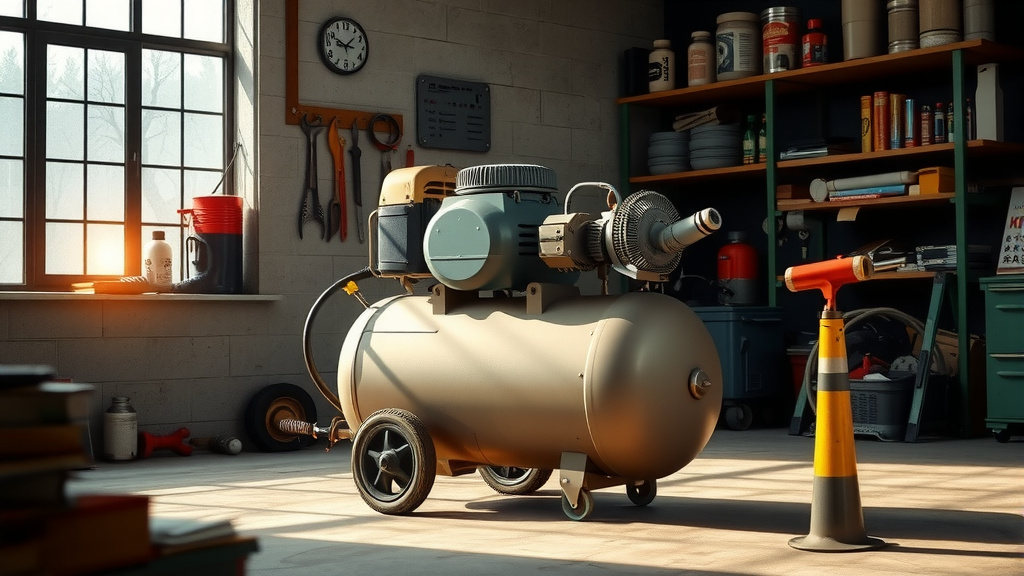
You can dispose of your old air compressor responsibly by recycling metal parts, donating a functional unit, selling it for parts or use, or repurposing it for other uses. Always ensure the unit is completely depressurized and drained of oil before handling.
Before you decide what to do with your old air compressor, prioritize safety by disconnecting power and releasing all internal air pressure.
- You have many options for your old air compressor, from giving it a new life to ensuring it is safely recycled.
- Safety is always first: disconnect power and drain all pressure and oil before you start.
- If your compressor still works, consider selling it or donating it to a good cause.
- Broken units can often be recycled for their metal components, reducing landfill waste.
- Get creative and repurpose non-working compressors into something useful or decorative.
What To Do With Old Air Compressor?
Deciding what to do with an old air compressor doesn’t have to be a tough choice. You have several practical paths to take, whether it’s broken or still working.
Safety First: Preparing Your Compressor
Before you lift a finger, always prioritize safety. An air compressor stores immense pressure and can contain oil. You need to handle it with care.
First, make sure the compressor is unplugged from all power sources. Next, open the drain valve on the tank to release all compressed air. Do not skip this step. Lastly, drain any oil if it’s an oil-lubricated model. Use appropriate containers for oil disposal (EPA guidelines often advise this).
Checking the Condition of Your Unit
Take a good look at your compressor. Is it functional, or is it completely broken? Its condition will guide your next steps. A working compressor has more options than a faulty one.
Sell Your Old Air Compressor
If your old air compressor is still running well, or even if it just needs minor repairs, selling it could be a smart move. Many people look for used equipment.
You might be surprised by the demand for used tools. A working unit can fetch a fair price. Even for parts, a broken one might attract buyers.
Where to Sell Used Compressors
Online marketplaces are a great start. Sites like Craigslist or local Facebook groups often connect sellers with buyers easily. Tool forums can also be good spots.
Consider local pawn shops or used tool stores. They might offer a quick sale, though often at a lower price. It’s all about finding the right buyer.
Donate It and Do Some Good
A working air compressor can be a valuable donation. Many vocational schools or small community workshops could use a functional unit. Think about local charities.
Donating helps others and often provides you with a tax deduction. We found that local non-profits are frequently in need of such equipment. Always ask if they accept tool donations.
Recycle It Responsibly
When your air compressor is truly beyond repair, recycling is the responsible path. Air compressors contain valuable metals and some hazardous components.
Most of the unit is metal, which is highly recyclable. Contact your local recycling center or scrap metal yard. They can guide you on proper disposal.
What Parts Can Be Recycled?
The main tank and motor housing are typically steel or aluminum. These are prime candidates for metal recycling. Remove non-metal parts first, such as plastic covers or rubber hoses.
Many experts say to drain all fluids before recycling. Oil must be disposed of separately at an approved hazardous waste facility. Check your local regulations (government environmental sites confirm this).
Repurpose Your Old Compressor
Feeling creative? An old, non-working air compressor can be repurposed into something new and interesting. It’s a great way to prevent waste.
The tank itself is very durable. People have transformed them into barbecue smokers, unique planters, or even artistic garden features. Let your imagination guide you.
Here are a few ideas to get you started:
- BBQ Smoker: With some welding and modification, the tank can become a compact smoker.
- Garden Planter: Cut openings in the tank and paint it for a rustic garden pot.
- Workshop Cart Base: Remove the compressor components and use the wheeled base for a movable workbench.
- Artistic Sculpture: Get creative and turn it into a unique piece for your yard.
When to Repair vs. Replace
Sometimes, your compressor isn’t truly “old,” just needing a fix. Is it worth repairing? Consider the cost of parts and labor versus buying a new unit.
For minor issues like a leaky valve or a bad pressure switch, repair might be economical. For major motor problems or a rusted tank, replacement is often better (tool manufacturers often suggest this).
Assessing the Value for Repair
Look at the age of your compressor. If it’s very old, parts might be hard to find or expensive. Weigh the repair cost against the price of a comparable new model. Sometimes a new compressor offers better efficiency too.
Upgrading Your Air Compressor System
Perhaps your old compressor just can’t keep up anymore. It might be time for an upgrade. New models offer better performance, quieter operation, and more features.
Modern compressors can be more energy-efficient. They also might provide the higher PSI or CFM you need for new tools. Think about your current and future needs.
| Option | Pros | Cons |
|---|---|---|
| Sell | Recoup some cost, unit gets new life. | Can take time, might not get much money. |
| Donate | Helps community, possible tax deduction. | Unit must be functional, no monetary return. |
| Recycle | Environmentally responsible, reduces waste. | Requires effort to prepare, no monetary return. |
| Repurpose | Creative outlet, unique new item. | Requires DIY skills, not always practical. |
Checklist Before Disposal or Transfer
Before any final action, go through this quick checklist. It ensures safety and compliance.
- Disconnect Power: Confirm it’s unplugged from all outlets.
- Depressurize Tank: Open the drain valve until all air is gone.
- Drain Oil: For oil-lubricated models, collect and properly dispose of the oil.
- Clean Unit: Wipe down for any dust or debris.
- Research Local Rules: Understand local waste disposal and recycling guidelines.
- Remove Hoses/Fittings: Detach any accessories you might want to keep.
Conclusion
An old air compressor doesn’t have to be a burden. By considering its condition and your local resources, you can choose the best path. Whether you sell it, donate it, recycle its materials, or give it a creative new life, you’re making a responsible decision.
Always remember the critical steps for safety: disconnect power, depressurize the tank, and properly drain any oil. Your actions help protect yourself and the environment.
What is the safest way to empty an old air compressor tank?
The safest way is to first unplug the compressor from any power source. Then, open the drain valve located at the bottom of the tank. Allow all the compressed air to escape slowly and completely. You should hear the air hissing out until the pressure gauge reads zero.
Can I throw my old air compressor in the regular trash?
No, you generally should not throw an old air compressor in regular household trash. They contain metals that are recyclable and may also have residual oil or hazardous components that need special disposal. Always check with your local waste management services for proper guidelines.
Are there any specific components of an air compressor I should remove before recycling?
Yes, before taking your compressor to a metal recycling facility, it’s best to remove any plastic shrouds, rubber hoses, or electrical components that are not metal. Also, ensure all oil is drained and disposed of separately, as oil can contaminate metal recycling processes.
How do I know if my air compressor is worth repairing or just replacing?
To decide, evaluate the cost of repair parts and labor compared to the price of a new compressor. If the compressor is old, constantly breaking down, or has major issues like a cracked tank, replacement is often more cost-effective. For minor fixes, repair might still be a good option. Consider if a new model offers better features or efficiency too.
What kind of organizations might accept a donated air compressor?
Vocational schools, technical colleges, community workshops, and some non-profit organizations that offer job training or support to small businesses often accept functional air compressor donations. Always call ahead to confirm their specific needs and donation policies.
