
What To Know About Air Compressors?
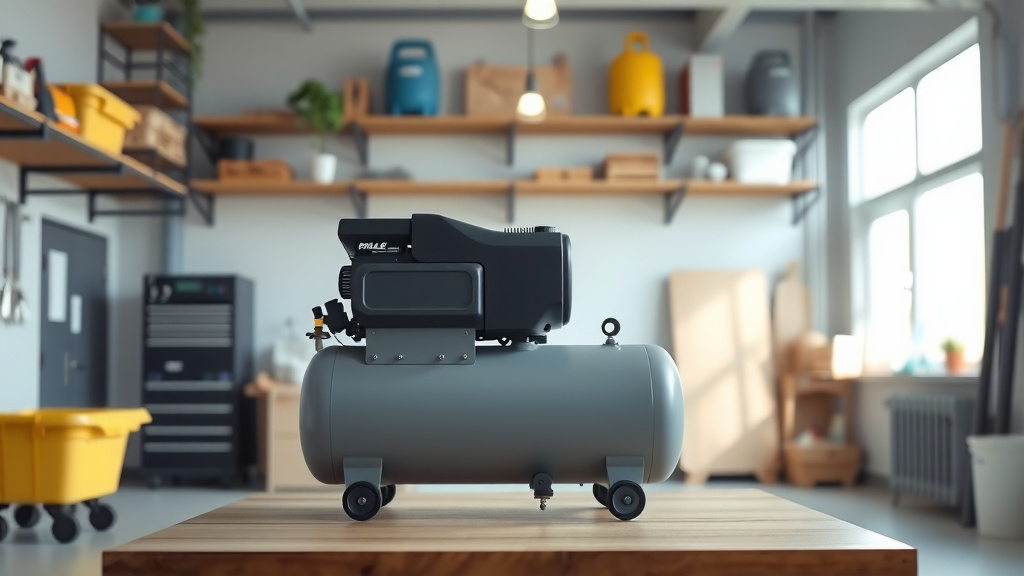
Air compressors are machines that convert power into potential energy stored in pressurized air, which can then be used to power a wide range of tools and equipment. They function by forcing more and more air into a storage tank, increasing the pressure inside for various applications.
Here’s a quick overview of what you’ll discover about air compressors:
- You’ll learn how these powerful machines work to make your tasks easier.
- We’ll explore the different types available, from small portable units to industrial giants.
- You’ll get practical advice on choosing the perfect air compressor for your needs.
- We’ll cover essential maintenance tips to keep your compressor running smoothly and safely.
- Find answers to common questions, ensuring you’re confident in your air compressor knowledge.
What To Know About Air Compressors?
Air compressors are versatile machines designed to take in ambient air and compress it into a smaller volume, creating stored energy. This pressurized air becomes a powerful resource for countless tasks, from inflating tires to operating heavy machinery.
Why Are Air Compressors So Useful?
Think about a workshop or a construction site. You’ll often see various tools powered by compressed air. These include impact wrenches, nail guns, paint sprayers, and even sandblasters. For homeowners, air compressors are handy for inflating sports equipment or cleaning workspaces efficiently.
The beauty of these tools is their efficiency and power. Instead of relying on muscle, you harness the force of compressed air. This makes tough jobs quicker and much less strenuous for you.
How Do Air Compressors Actually Work?
At their core, air compressors operate on a simple principle: they suck in air and squeeze it. This process increases the air pressure, storing it in a tank until you need it. When you activate an air tool, this stored, pressurized air is released to power it.
Most compressors use either a piston or a rotary screw mechanism. Each has its strengths, depending on the job at hand. Understanding these differences helps you pick the best one.
Piston Air Compressors: The Basics
Piston compressors, also known as reciprocating compressors, are perhaps the most common type you’ll encounter. They work a bit like an engine in reverse. A piston moves up and down within a cylinder, drawing in air during its downward stroke and compressing it during the upward stroke.
We found these units are excellent for intermittent use. They are often more affordable and portable, making them popular for home garages or small workshops (Industry insights confirm this).
Rotary Screw Air Compressors: The Workhorse
If you need continuous, heavy-duty air supply, rotary screw compressors are often the answer. These machines use two interlocking helical screws (rotors) to trap and compress air. They operate very smoothly and quietly compared to piston models.
Many experts say rotary screw compressors are ideal for industrial settings. They provide a constant airflow, which is crucial for applications that run for long periods without interruption.
What Types of Air Compressors Are There?
Air compressors come in many forms, each suited for different applications. You can categorize them by their power source, lubrication method, or even how they’re designed for mobility. Knowing these categories helps you narrow down your choices.
Consider what kind of work you do most often. Do you need a unit that moves around with you, or one that stays put in your shop? Your answer will guide your selection process significantly.
Electric vs. Gas-Powered Units
Electric air compressors are perfect for indoor use where you have access to power outlets. They are generally quieter and emit no fumes, which is a big plus for enclosed spaces. We found that most home and small workshop compressors are electric.
Gas-powered compressors, on the other hand, offer maximum portability and power. You can take them to job sites without worrying about electricity. However, they are louder and must be used in well-ventilated areas due to exhaust fumes.
Oil-Lubed vs. Oil-Free Air
Oil-lubricated compressors use oil to cool and seal the pump, which helps prolong the unit’s life. They are typically more durable and quieter. However, you need to monitor and change the oil regularly.
Oil-free compressors don’t use oil in the compression chamber. This means less maintenance for you and no risk of oil contaminating the air supply. They are often a bit noisier but ideal for sensitive applications like painting or food processing where clean air is essential.
Choosing the Right Air Compressor: Key Factors
Selecting an air compressor isn’t just about picking the biggest or cheapest one. It involves matching the compressor’s capabilities to your specific needs. You’ll want to consider several important factors before making your purchase.
Think about the tools you’ll be powering and how often you’ll be using them. This simple exercise will prevent you from buying an undersized or oversized unit.
Understanding CFM and PSI
When you look at air compressors, you’ll see ratings like CFM and PSI. CFM stands for cubic feet per minute, which measures the volume of air an compressor can deliver. PSI, or pounds per square inch, indicates the maximum air pressure the unit can produce.
Your tools will list their CFM and PSI requirements. Always choose a compressor that exceeds the requirements of your most demanding tool. A good rule of thumb is to add 20-30% buffer to your tool’s CFM needs (Industrial standards often suggest this margin).
| Term | What It Means | Why It Matters |
|---|---|---|
| CFM | Cubic Feet per Minute | Indicates air volume, crucial for continuous tool operation. |
| PSI | Pounds per Square Inch | Maximum air pressure, dictates tool activation. |
| Tank Size | Storage Capacity (Gallons) | Determines how long tools can run before the compressor cycles. |
| HP | Horsepower | Motor power, generally correlates with CFM output. |
Tank Size and Its Impact
The tank on an air compressor holds the compressed air. A larger tank provides a longer burst of continuous air before the compressor needs to kick on again. For intermittent tasks like nailing, a smaller tank might suffice.
However, if you’re painting or sandblasting, a bigger tank minimizes recovery time. This prevents frustrating pauses in your work. So, match the tank size to the duration of your typical tasks.
Considering Your Duty Cycle
The duty cycle refers to how long an air compressor can run continuously versus how long it needs to rest. Smaller, less expensive compressors often have a lower duty cycle, meaning they can only run for a short period before needing a break to cool down.
For heavy use, you’ll want a compressor with a high duty cycle, perhaps even 100%. This ensures it can handle demanding jobs without overheating or premature wear. Many industrial units are designed for continuous operation.
Air Compressor Maintenance Tips
Just like any other piece of machinery, air compressors need a little love and care to perform their best. Regular maintenance not only prolongs the life of your unit but also ensures it operates safely and efficiently for you.
Ignoring maintenance can lead to reduced performance, costly repairs, and even safety hazards. A few simple steps can make a big difference in the long run.
Regular Filter Checks
The air intake filter is your compressor’s first line of defense against dust and debris. A clogged filter makes the compressor work harder, reducing efficiency and potentially shortening its lifespan. We found that checking and cleaning or replacing filters regularly is a key maintenance step.
Make it a habit to inspect your filter monthly. If you work in a dusty environment, you might even need to check it more often to keep your air clean and efficient.
Monitoring Oil Levels
For oil-lubricated compressors, maintaining the correct oil level is vital. Too little oil can lead to overheating and severe damage to the pump. Too much oil can cause other operational issues.
Check the oil level before each use, or at least weekly, using the dipstick or sight glass. Change the oil according to the manufacturer’s recommendations, often every few hundred hours of operation.
Draining Condensate Daily
When air is compressed, moisture in the air condenses into water inside the tank. This condensate can cause rust inside the tank, weakening it over time. More importantly, this rusty water can get into your air tools.
You must drain the moisture from the tank daily after use. There’s usually a drain valve at the bottom of the tank for this purpose. It’s a simple step that greatly boosts safety and longevity.
Here’s a quick checklist for your air compressor care:
- Regularly check and clean the air intake filter.
- For oil-lubricated models, monitor and change the oil as directed.
- Drain condensation from the tank after every use.
- Inspect hoses and fittings for leaks or damage.
- Ensure the safety valve is working correctly by testing it periodically.
Common Air Compressor Questions
It’s natural to have questions when dealing with powerful machinery. Let’s tackle some common concerns you might have about air compressors. Knowing the answers can help you operate your unit more confidently and safely.
From understanding noise levels to ensuring safe usage, these insights are designed to help you avoid common pitfalls and enjoy your air compressor experience.
Are Air Compressors Noisy?
Many air compressors, especially piston-driven models, can be quite noisy. The sound level often increases with the power of the unit. For home use, you might find quieter models marketed as “silent” or “low-noise.”
Rotary screw compressors tend to be quieter due to their continuous operation. If noise is a concern for you, consider an oil-free model or one with sound-dampening enclosures, or simply locate it further away from your work area.
Safety First: What You Need to Know
Operating an air compressor involves high pressures, so safety is not something to overlook. Always read your owner’s manual carefully. Never operate a damaged compressor or modify safety features. Many guidelines point to proper safety as a good first step (OSHA resources reinforce this).
Wear appropriate personal protective equipment, such as eye and ear protection. Ensure your workspace is well-ventilated, especially when using gas-powered units or spray painting. Always depressurize the tank before performing any maintenance.
Conclusion
Air compressors are incredibly useful tools, empowering you to tackle a vast array of tasks with efficiency and power. Understanding the basics of how they work, the different types available, and the key factors in choosing one will set you up for success.
Remember, a little maintenance goes a long way in ensuring your air compressor remains a reliable workhorse for years to come. By following safety guidelines and selecting the right unit, you can harness the full potential of compressed air for your projects, big or small. You’re now better equipped to make informed decisions and get the most out of this versatile machine.
What is the difference between a single-stage and a two-stage air compressor?
A single-stage air compressor compresses air once to reach its maximum pressure. A two-stage compressor compresses the air twice: first to an intermediate pressure, and then to the final higher pressure. Two-stage compressors typically deliver higher PSI and are more suitable for continuous, heavy-duty applications, while single-stage units are fine for most home and hobby tasks.
How often should I change the oil in my oil-lubricated air compressor?
The frequency of oil changes depends on the compressor’s usage and the manufacturer’s recommendations. Generally, it’s advised to change the oil every 200-300 hours of operation or at least once a year, even with light use. Always refer to your compressor’s manual for precise guidelines and recommended oil types.
Can I use an air compressor for painting?
Yes, air compressors are commonly used for painting, but you need the right setup. You’ll need an air compressor that can supply enough CFM and PSI for your specific paint gun, often with a large enough tank to maintain consistent pressure. It’s also important to use an air filter and a water trap to ensure clean, dry air, preventing imperfections in your paint job.
What does “duty cycle” mean for an air compressor?
The duty cycle of an air compressor indicates the percentage of time it can run continuously within a specific period (usually 10 minutes) without overheating. For example, a 50% duty cycle means the compressor can run for 5 minutes and then needs 5 minutes to rest. For continuous work, like grinding or sandblasting, a higher duty cycle (e.g., 100%) is required.
Are portable air compressors powerful enough for automotive tasks?
Many portable air compressors are powerful enough for common automotive tasks like tire inflation, using impact wrenches for lug nuts, or even operating air ratchets. However, for more demanding jobs like professional bodywork or continuous use of high-CFM tools, you might need a larger, more powerful stationary unit. Always check the CFM and PSI requirements of your specific automotive tools against the compressor’s output.
