
How to Oil an Air Compressor?
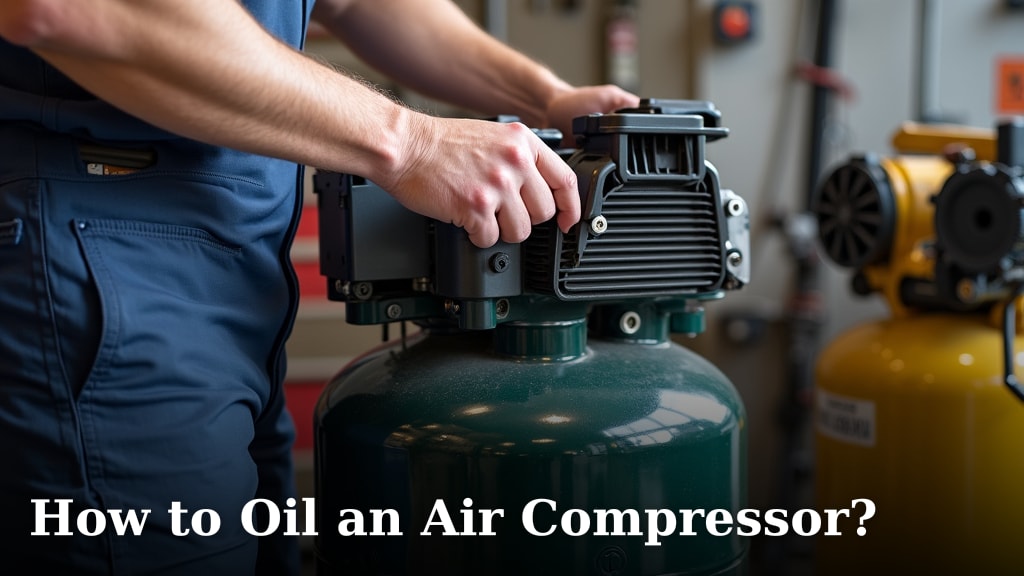
The easiest way to oil an air compressor is by using the right type of oil and applying it to the designated fill port. You’ll need to know your compressor’s specific requirements. Always make sure your compressor is unplugged and cool before you start.
You might be surprised how simple it is to maintain your air compressor. Keeping it properly oiled is crucial for its longevity and performance. We’ve found that regular oil changes prevent costly breakdowns and help your tools run smoothly.
- What kind of oil your compressor needs.
- How to locate the oil fill port.
- The safe way to drain old oil.
- The best method for adding new oil.
- Tips for checking oil levels correctly.
Let’s walk through exactly how to keep your air compressor running efficiently, ensuring it serves you well for years to come. We’ll cover every step in detail, making it super easy to follow.
Maintaining Your Air Compressor Oil
Keeping your air compressor properly oiled is one of the easiest ways to ensure it lasts a long time and works efficiently. Think of it like changing the oil in your car; it’s a small effort with a big payoff.
Understanding Your Compressor’s Oil Needs
Not all air compressors are created equal, and neither are their oil requirements. The first step is always to check your owner’s manual. This little booklet is your best friend when it comes to maintenance.
Oil Types: What to Look For
Most common air compressors use either synthetic or petroleum-based oil. Some smaller, oil-free models don’t need any oil at all. If yours is one of these, you can skip this whole process!
If your compressor needs oil, resist the urge to just use any old motor oil lying around. Specialty air compressor oil is designed to handle the specific conditions—high temperatures and pressures—inside your unit.
- Petroleum-based oil: Often more affordable, good for general use.
- Synthetic oil: Offers better performance in extreme temperatures and can extend maintenance intervals.
Using the wrong oil can damage seals, reduce efficiency, and shorten the lifespan of your compressor. We’ve found that sticking to the manufacturer’s recommendations prevents many headaches down the road.
Oil Weight and Viscosity
Your manual will also specify the correct oil weight (e.g., 20W, 30W). This refers to the oil’s viscosity or thickness. Using the wrong weight can affect how well the oil lubricates and dissipates heat.
For example, in colder climates, a lower viscosity oil might be recommended, while a higher viscosity might be better for warmer conditions. It’s all about ensuring the oil flows correctly to protect internal parts.
Safety First: Preparing for the Oil Change
Before you even think about touching your air compressor, make sure safety is your top priority. This isn’t just a suggestion; it’s essential for preventing accidents.
Disconnect Power and Depressurize
Always start by ensuring the compressor is completely unplugged from its power source. If it’s a gas-powered model, turn off the engine and let it cool down.
Next, you need to depressurize the air tank. Open the drain valve (usually at the bottom of the tank) and the main air outlet or safety valve to release all compressed air. This is a crucial step that many forget.
Listen for the air rushing out. Once you hear silence, you know the tank is empty. This prevents any unexpected bursts of air during the process.
Allowing the Compressor to Cool
Oil changes are best performed on a cool compressor. Running the compressor heats the oil, making it thinner and easier to drain. However, a hot compressor can cause burns if you’re not careful.
It’s a good idea to let your compressor sit for an hour or two after its last use. This allows the oil to cool down while still retaining some fluidity for easy draining. Patience here pays off!
Draining the Old Oil
Now that your compressor is safe and cool, it’s time to get rid of that old, dirty oil. This is often the messiest part of the process, so be prepared with the right supplies.
Gathering Your Supplies
You’ll need a few things before you begin:
- An oil drain pan or suitable container.
- A wrench, if needed, to remove the drain plug.
- Rags or paper towels for spills.
- Possibly a funnel, to guide the oil.
- New air compressor oil (the correct type and weight!).
- A replacement O-ring or gasket for the drain plug, if recommended by the manufacturer.
Locating the Drain Plug
The oil drain plug is typically found at the bottom of the compressor’s pump housing. It might be a regular bolt or a twist-off cap. Consult your manual if you have trouble finding it.
Place your drain pan directly underneath. You want to catch every drop of that old oil. Nobody likes an oil slick in their garage!
The Draining Process
Carefully remove the drain plug. If it’s tight, use your wrench. Be ready for the oil to flow out. It might be dark and sludgy, which is normal—it means it was doing its job!
Allow all the oil to drain completely. This can take several minutes. You might need to tilt the compressor slightly to ensure all the old oil comes out. We’ve found that giving it a good 10-15 minutes ensures a thorough drain.
Once empty, replace the drain plug. If your manual suggests a new O-ring or gasket, now’s the time to install it. Tighten the plug securely, but don’t overtighten it. You don’t want to strip the threads.
Refilling with Fresh Oil
With the old oil out, you’re ready for the good stuff. Adding fresh oil is just as important as draining the old.
Finding the Oil Fill Port and Dipstick
The oil fill port is usually located on the top or side of the compressor pump. It often has a cap that looks like a small, vented plug. Near it, you’ll find the dipstick, which will have markings for “full” and “low.”
Remove the fill cap and pull out the dipstick. Wipe it clean with a rag. This is just like checking your car’s oil.
Adding the New Oil
Slowly pour the new compressor oil into the fill port. A funnel can be very helpful here to prevent spills. Pour in small amounts and regularly check the dipstick.
You want to get the oil level between the “add” and “full” marks, typically closer to the “full” mark. Do not overfill! Overfilling can cause foaming, leaks, and damage to your compressor. It’s better to add a little at a time than too much all at once.
Here’s a quick guide to common compressor oil types and their general use:
| Oil Type | Key Characteristics | Best For |
|---|---|---|
| Standard Petroleum-Based | Cost-effective, good general lubrication. | Light to medium-duty, consistent temperatures. |
| Synthetic Oil | Superior heat resistance, longer life, works in extreme temps. | Heavy-duty applications, varied environments, extended intervals. |
| AW (Anti-Wear) Compressor Oil | Contains additives to reduce wear on pump components. | Compressors under heavier loads or with older pumps. |
Checking the Oil Level Correctly
After adding some oil, reinsert the dipstick without screwing it in (if it’s a screw-in type). Pull it out, check the level, and repeat until you’re within the desired range. Many experts recommend filling to about two-thirds of the way up the dipstick’s “full” range (Quincy Compressor). This leaves room for expansion.
Once the level is correct, replace the fill cap securely. Wipe up any spills around the fill port.
Final Checks and Responsible Disposal
You’re almost done! A few quick checks will ensure everything is buttoned up correctly. Don’t forget what to do with that old oil.
Pre-Startup Inspection
Before you plug the compressor back in, do a quick visual check:
- Is the drain plug tightened?
- Is the fill cap secure?
- Are there any visible leaks around the pump?
- Is the compressor on a level surface?
Once you’ve confirmed everything looks good, you can plug it back in. Run it for a few minutes and recheck for leaks. Sometimes, a new O-ring needs to “seat” properly.
Disposing of Used Oil
Never dump used oil down the drain or in the trash. It’s a pollutant and harmful to the environment. Many auto parts stores, local garages, or hazardous waste facilities will accept used oil for recycling.
Pour the old oil from your drain pan into a sealed container, like an old milk jug or the empty new oil bottle. Store it safely until you can take it to a proper disposal site. We all play a part in keeping our planet clean!
Conclusion
You now have a clear roadmap for keeping your air compressor in top shape. By consistently using the correct oil and following these steps, you’re not just maintaining a machine; you’re investing in its lifespan and performance. Proper maintenance saves you money and frustration in the long run. Make this a part of your routine. Your air compressor will thank you with reliable, efficient operation for many years to come.
Frequently Asked Questions
How often should I change the oil in my air compressor?
Most manufacturers recommend changing the oil every 500-1,000 hours of operation or at least once a year, whichever comes first. Heavy usage or dirty environments might require more frequent changes. Always check your compressor’s manual for specific guidance.
Can I mix different types or brands of air compressor oil?
No, it’s generally not a good idea to mix different types or brands of air compressor oil. Mixing can lead to compatibility issues, breakdown of protective additives, and potential damage to your compressor. Stick to the type and brand recommended by your manufacturer.
What are the signs that my air compressor needs an oil change?
Key signs include the oil becoming dark, thick, or sludgy, increased noise from the compressor’s pump, or a decrease in overall efficiency. If you see foam or milky consistency, that could indicate water contamination, requiring an immediate change.
Is it normal for air compressors to consume some oil?
Some minor oil consumption can be normal, especially in piston-type compressors, as a small amount is used for lubrication and can escape as mist. However, excessive oil consumption or visible leaks indicate a problem that needs attention, such as worn seals or piston rings.
What is the difference between oil-lubricated and oil-free air compressors?
Oil-lubricated compressors use oil to cool and lubricate internal moving parts, requiring regular oil changes. Oil-free compressors use materials like Teflon coatings or advanced seal designs for lubrication, eliminating the need for oil and reducing maintenance. They are often used when air purity is critical.
