Air Compressor Use And Safety
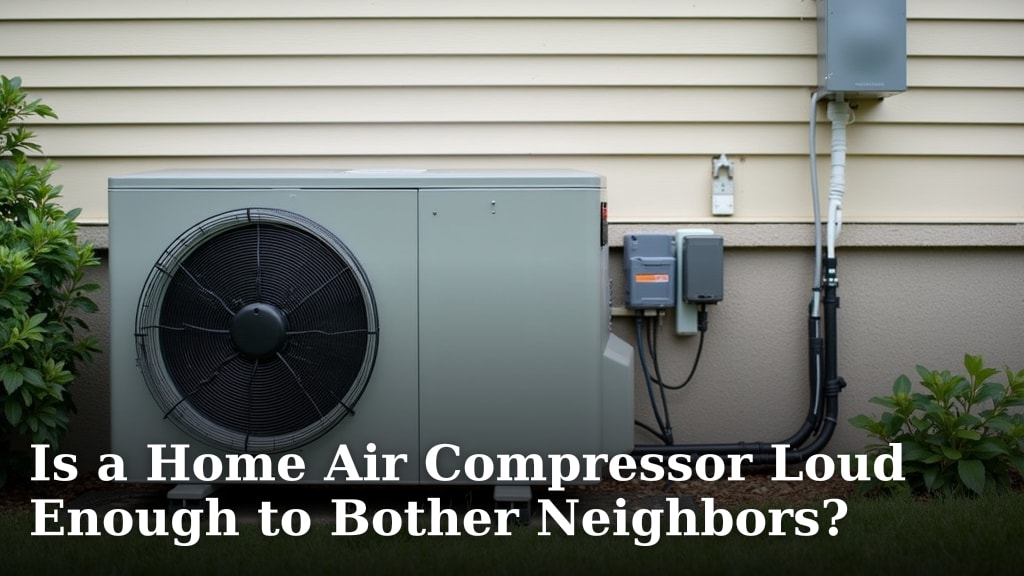
Is a Home Air Compressor Loud Enough to Bother Neighbors?
Discover if your home air compressor is loud enough to bother neighbors and learn how to minimize noise for peaceful coexistence.
Learn how to set up, power, operate, store and transport an air compressor safely.
Discover if your home air compressor is loud enough to bother neighbors and learn how to minimize noise for peaceful coexistence.
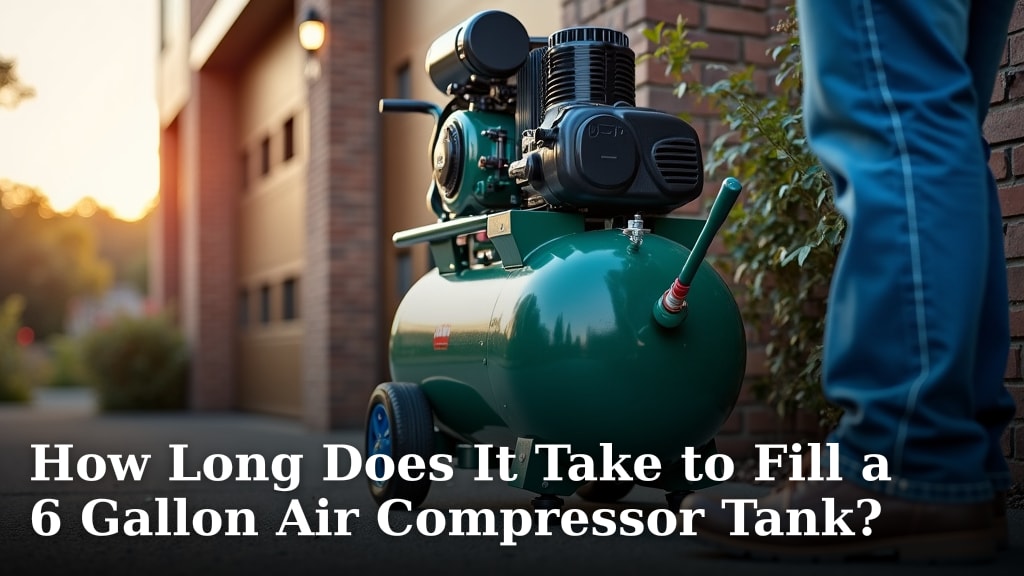
Discover how long it takes to fill a 6-gallon air compressor tank. Learn the factors that affect fill time and optimize your workflow.
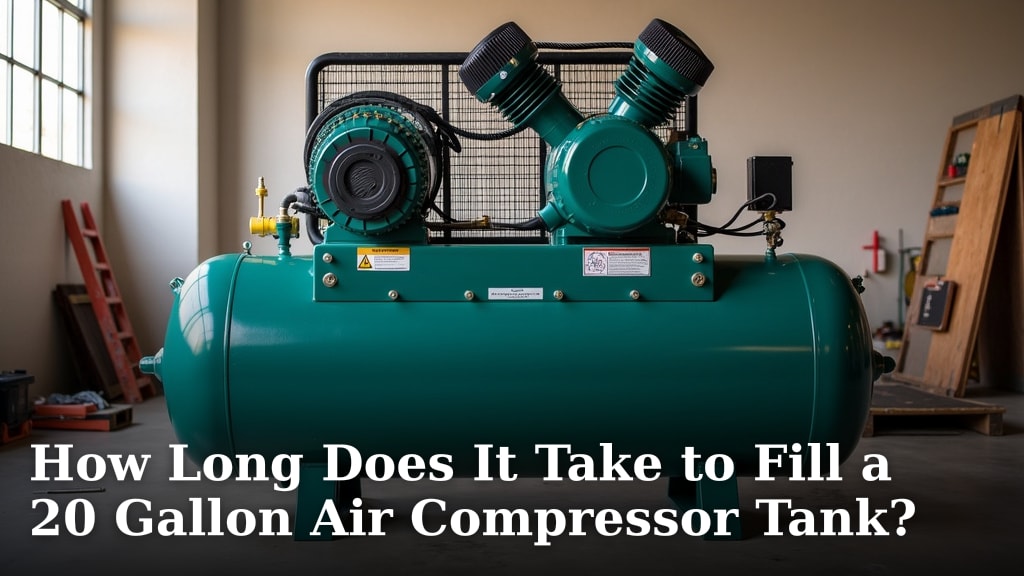
Fill a 20 gallon air compressor tank: See what affects the answer, how to estimate it, and which details can change the result. See what to do next.
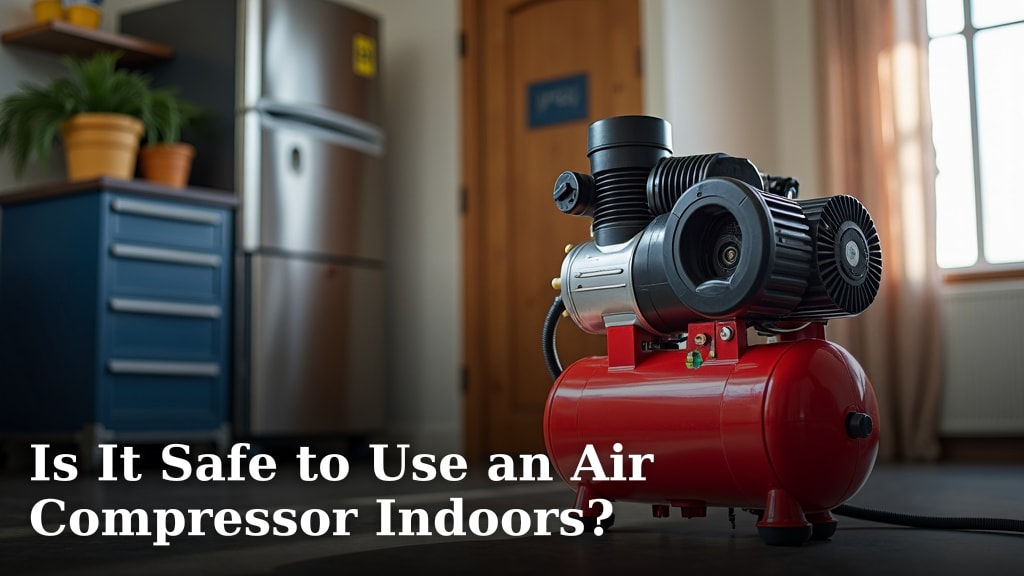
Using an air compressor indoors? Learn about the safety risks, ventilation needs, and best practices to protect your health and home.
Find out if it's safe to leave an air compressor running unattended. Learn about potential risks and how to ensure safe operation of your equipment.
Learn if your air compressor needs a dedicated circuit. Understand power requirements and electrical safety for optimal performance and protection.
Using an air compressor? Learn why you absolutely need safety glasses for protection against flying debris and potential injuries.
Using an air compressor? Learn if you need ear protection and discover the noise levels to keep your hearing safe and healthy.
Using an extension cord with your air compressor? Learn what you need to know about cord types, gauge, and safety to power your tools efficiently.
Facing cold weather? Learn if you can use an air compressor, how to prepare it, and what to watch out for to keep it running smoothly.
Air in a compressor tank overnight: Learn whether it is safe, what equipment is needed, and what limits to check before trying it. See what to do next.
Learn if you can leave an air compressor plugged in, understand the risks and safety precautions, and discover how to properly store your equipment.
Quiet your air compressor effectively. Learn how to soundproof your compressor to reduce noise and create a more peaceful workspace.
Is a special outlet needed for a 220V air compressor? Learn about the electrical requirements and what you need to know before plugging in.
Discover how many watts an air compressor uses. Learn about factors impacting power consumption and how to choose an energy-efficient model for your needs.
Generally, you should not leave pressurized air in a compressor for extended periods to ensure safety and prolong the unit’s lifespan. Draining the air from y
No, you generally should not leave an air compressor full of pressurized air for extended periods. Draining your air compressor tank after use is a critical s
No, you should generally not leave your air compressor pressurized, especially for extended periods like overnight or when unattended. Depressurizing your air
Wondering how much electricity an air compressor uses? Get practical insights into factors affecting power consumption and how to estimate costs effectively.
Yes, most air compressors, especially portable and smaller models, do include a fuse or a circuit breaker to protect their internal electrical components. Thi
Using an air compressor indoors can be safe, but it absolutely requires proper ventilation and selecting the right type of machine. You must prioritize safety
No, it is generally not okay to leave air in an air compressor for extended periods after use. Leaving air in your air compressor can lead to rust and corrosi
Generally, it is not recommended to leave an air compressor pressurized for extended periods because it can stress internal components and potentially lead to
Leaving an air compressor pressurized for extended periods is generally not recommended due to potential safety risks and increased wear on components. It’s o
Leaving an air compressor full of air is generally not recommended for extended periods due to safety risks and potential damage to the unit. While it might s
Generally, it’s not ideal to leave air in your compressor for extended periods due to moisture buildup and potential stress on components. For optimal compres
Leaving an air compressor on constantly is generally not recommended due to safety concerns, energy waste, and increased wear on the unit. It can pose risks l
Yes, it is generally not ideal to leave an air compressor full of compressed air for extended periods, as it can potentially lead to maintenance issues and re
Yes, air compressor air can be dangerous if not properly managed, primarily due to contaminants like oil, moisture, and carbon monoxide, or from the force of
Yes, old air compressors can definitely be dangerous if not properly maintained or inspected. They can develop serious issues like tank corrosion, electrical
Yes, an air compressor weighs slightly more when full of compressed air compared to when it’s empty. While the difference is minimal, the added weight comes f
Yes, an air compressor can use a significant amount of electricity, especially larger or continuously running models. Its power consumption directly impacts y
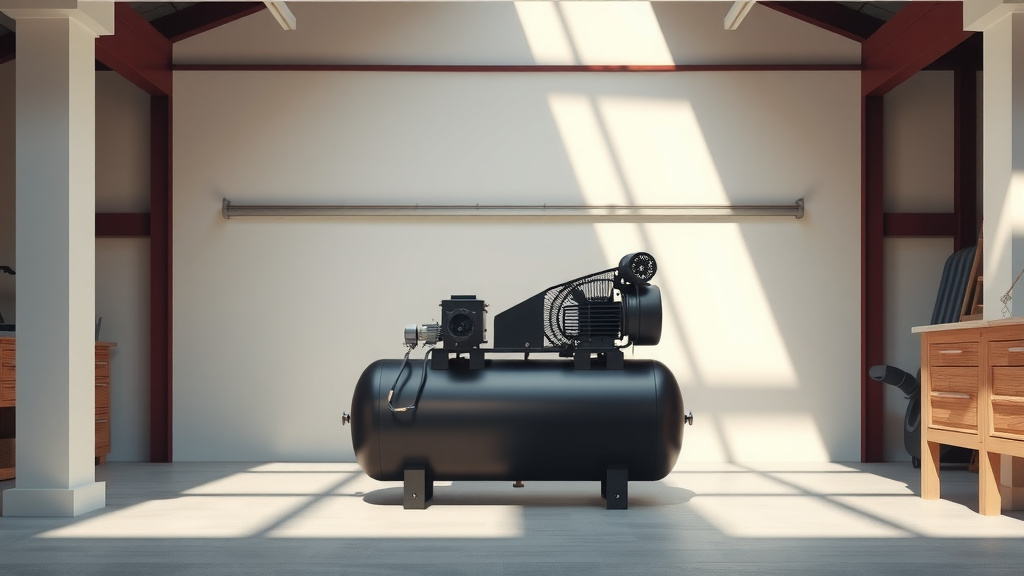
Yes, the vast majority of air compressors need electricity to power their motors and pump air effectively. This includes common models found in workshops and
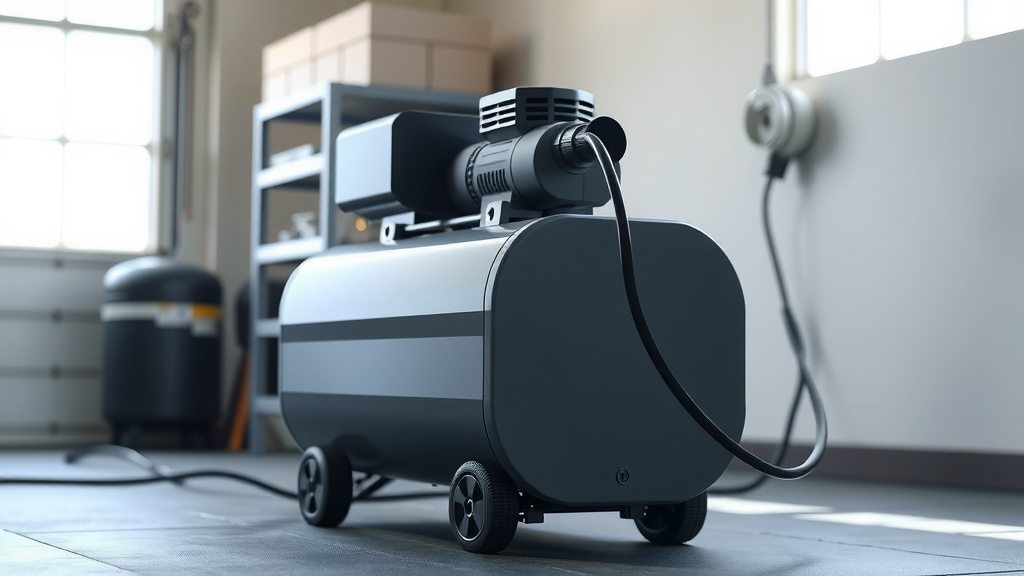
An air compressor often needs to be plugged in to operate, especially electric models, which draw power from a standard electrical outlet to function. However
Silence your workshop! Learn effective strategies and simple modifications on how to reduce air compressor noise for a quieter, more enjoyable work environment.
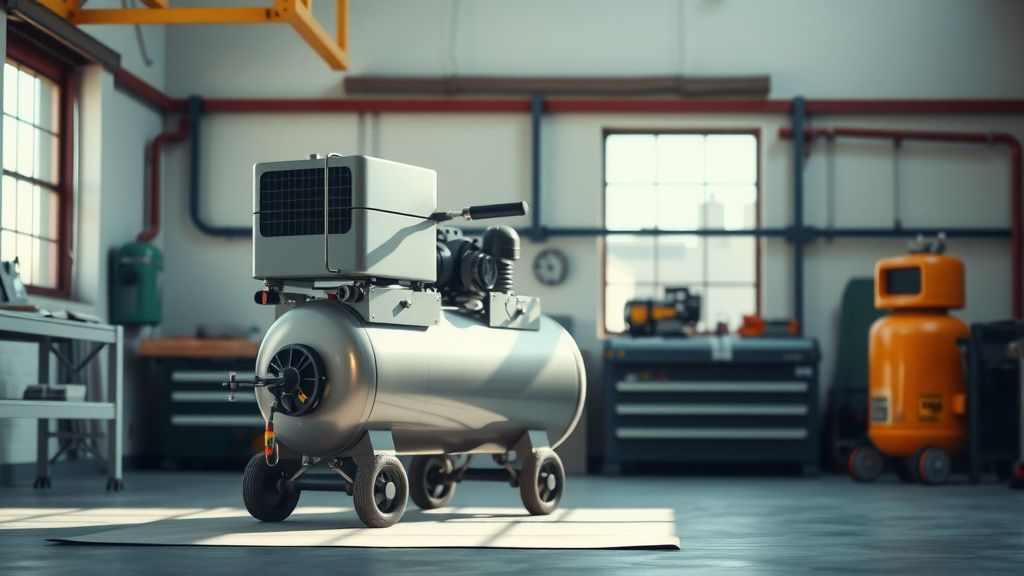
Yes, most air compressors have fuses or circuit breakers as essential safety components. These devices are crucial for protecting your air compressor’s motor
While extremely rare, air compressor tanks can explode under specific, neglected conditions, primarily due to corrosion or improper use. An air compressor tan
Yes, you can use an extension cord with an air compressor, but selecting the right one is absolutely essential to prevent damage and ensure safety. Always cho
Yes, you can use an air compressor while its running to power tools and maintain air pressure, but it depends on the compressor’s design and your specific tas
Learn how to safely wire a 220V air compressor with our comprehensive guide. Get step-by-step instructions for a successful installation.
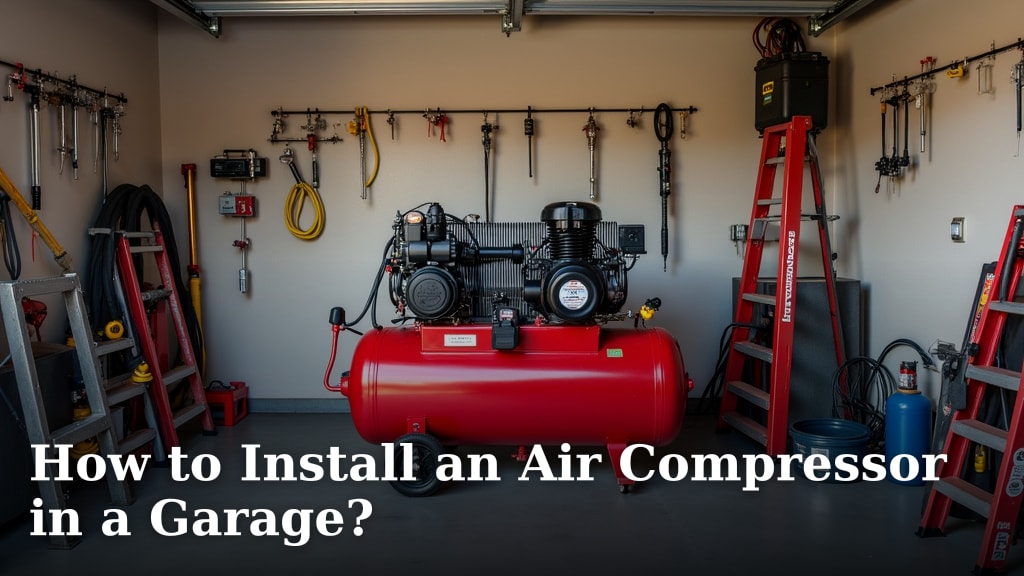
Install an air compressor in a garage: Follow clear steps, learn what tools you need, and check setup and safety before you begin. See what to do next.
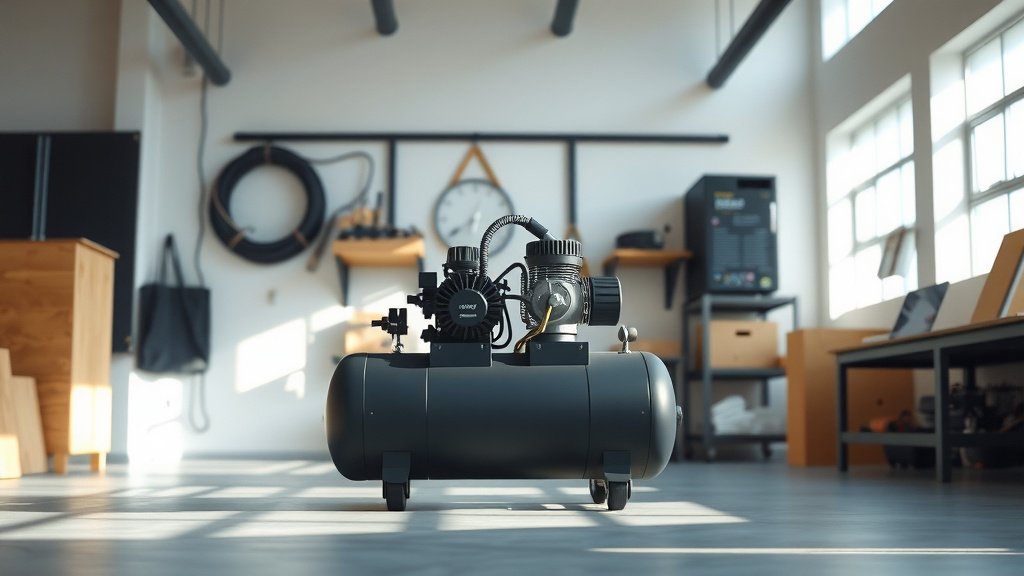
Yes, you can use an air compressor inside, but it largely depends on the compressor’s type and the specific indoor environment. Electric models are generally
Yes, you can use an air compressor in the cold, but it requires careful preparation and specific practices to avoid damage and ensure efficient operation. Ign
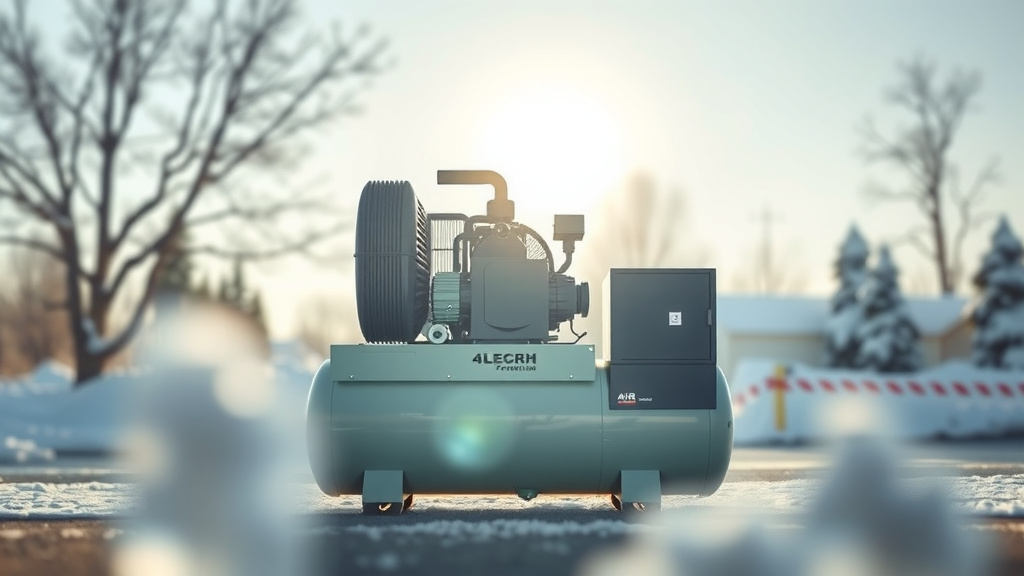
Yes, you absolutely can use an air compressor in cold weather, but it requires careful preparation and specific considerations to ensure optimal performance a
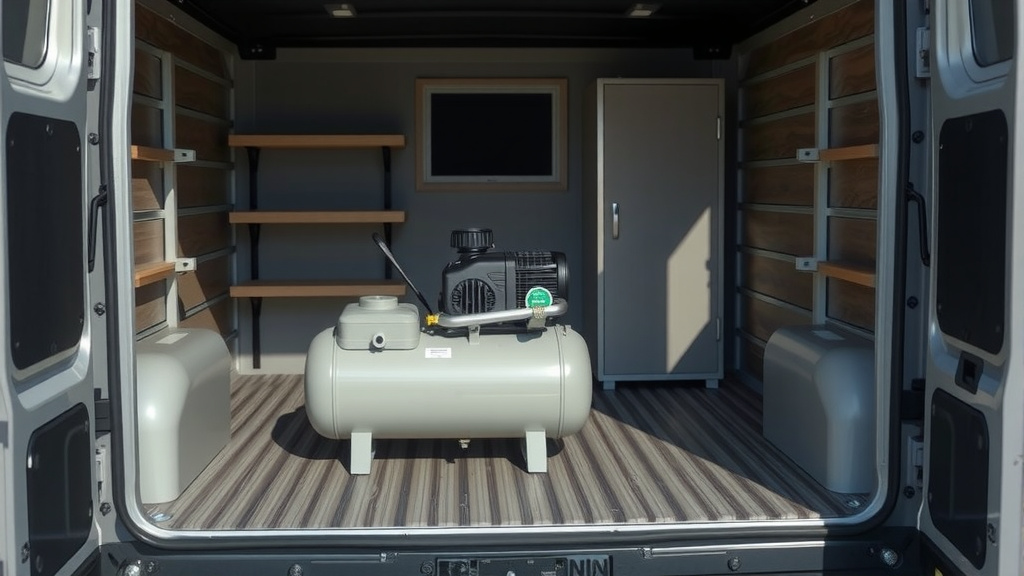
Generally, you should avoid transporting an air compressor on its side to prevent potential oil leaks and damage to critical components. Laying an oil-lubrica
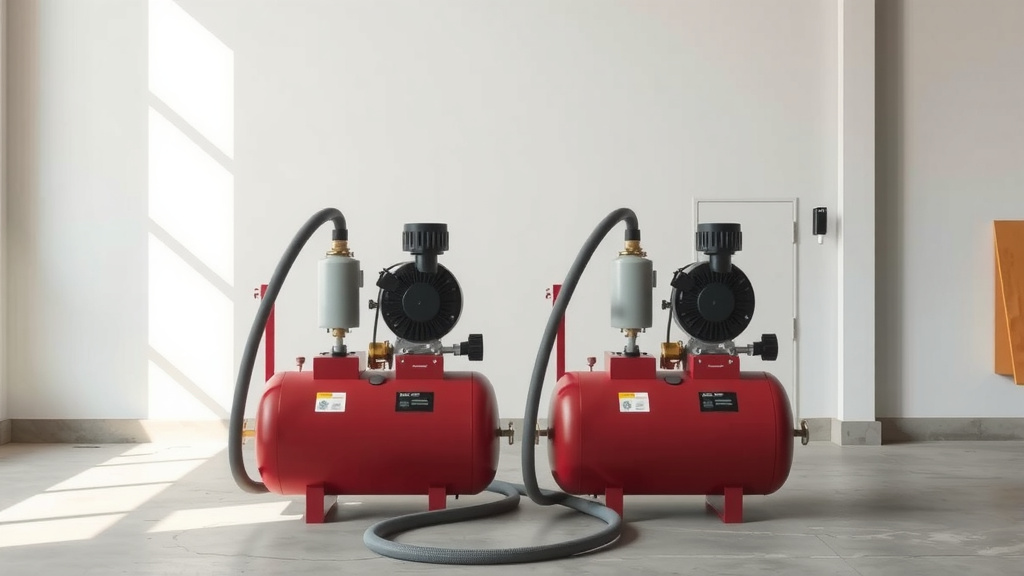
Yes, you can put two air compressors together to increase your air capacity or pressure for demanding tasks. Connecting air compressors requires careful consi
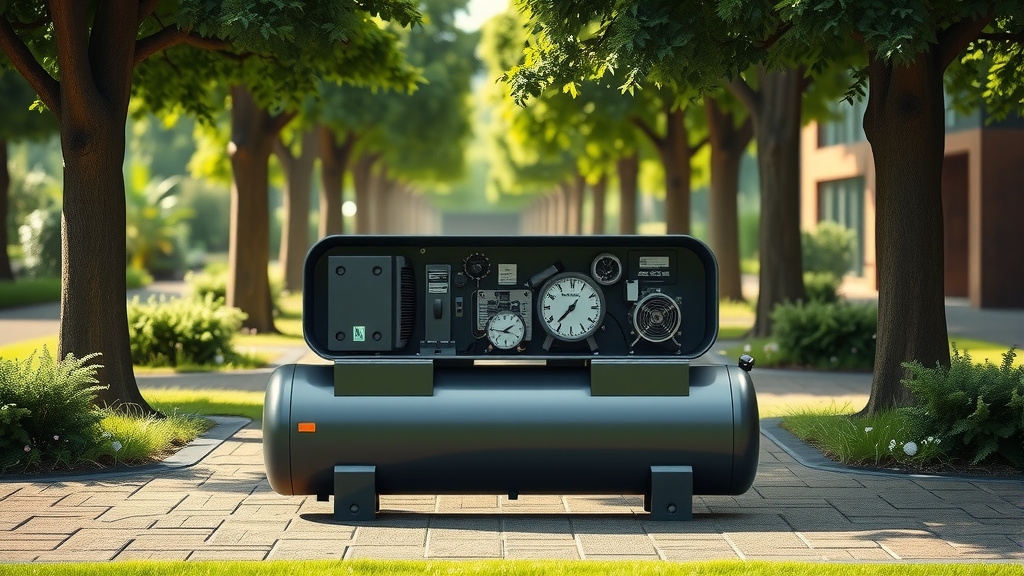
Leaving an air compressor outside is generally not recommended due to potential damage from weather, temperature extremes, security risks, and noise concerns.
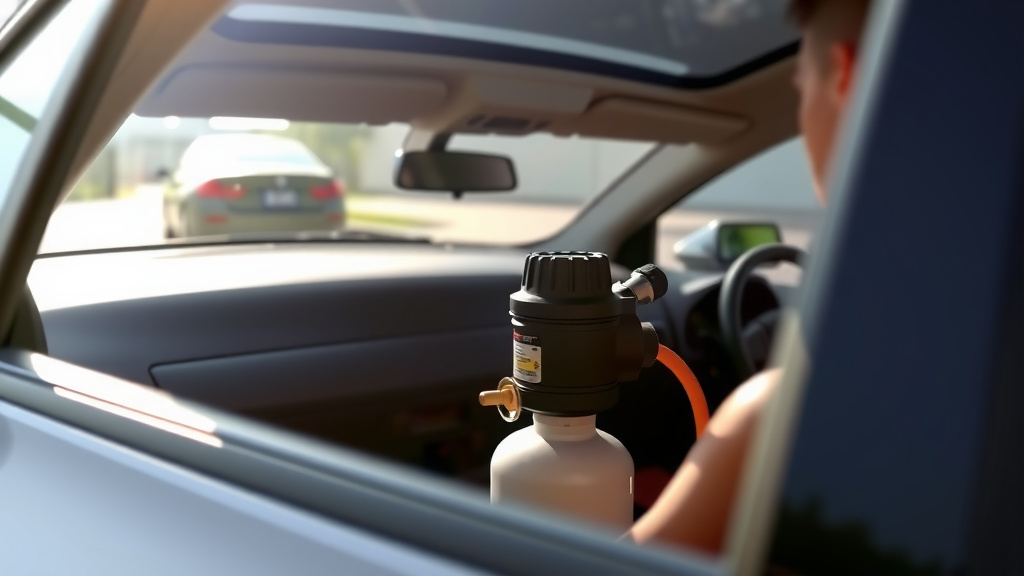
Leaving an air compressor in a hot car is generally not recommended due to potential safety hazards and damage to the unit’s components. High temperatures can
No, you generally should not lay a vertical air compressor on its side. Doing so can cause serious operational problems and potential damage to the unit. Layi
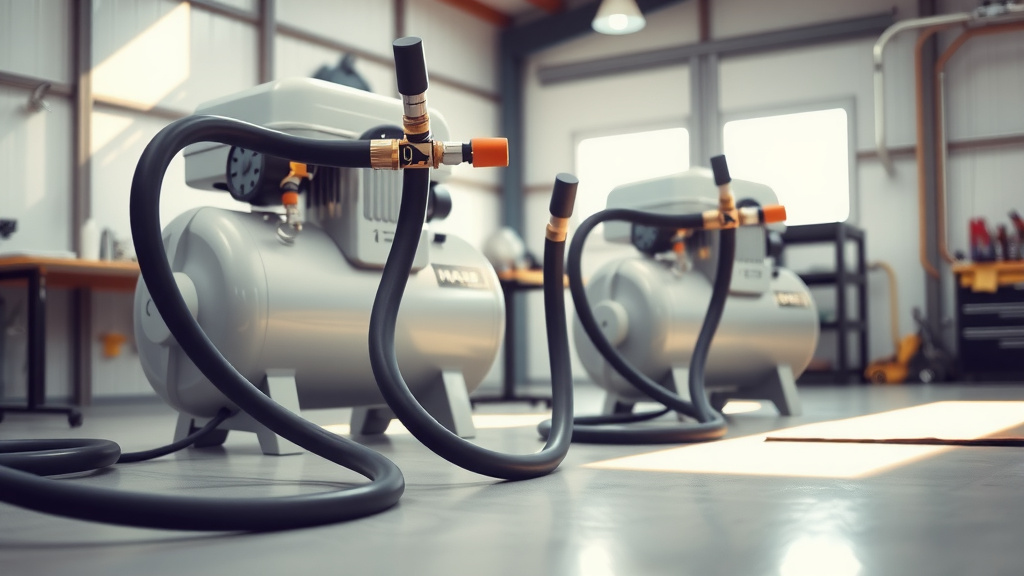
Yes, you absolutely can hook two air compressors together to increase your system’s overall capacity and performance. This setup is often done to achieve high
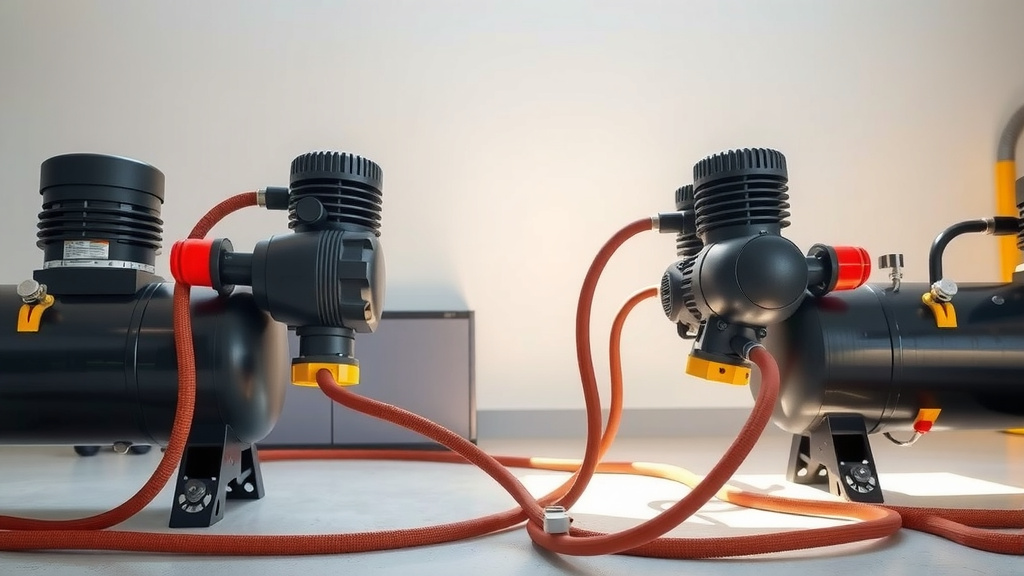
Yes, you can absolutely hook 2 air compressors together to increase your overall air capacity or pressure for demanding tasks. Combining them requires careful
Flying with an air compressor is generally complex due to strict aviation safety regulations. You typically cannot carry an air compressor in your carry-on lu
Generally, you should not daisy chain air compressors directly to increase power or capacity. It creates significant electrical, pressure, and mechanical risk
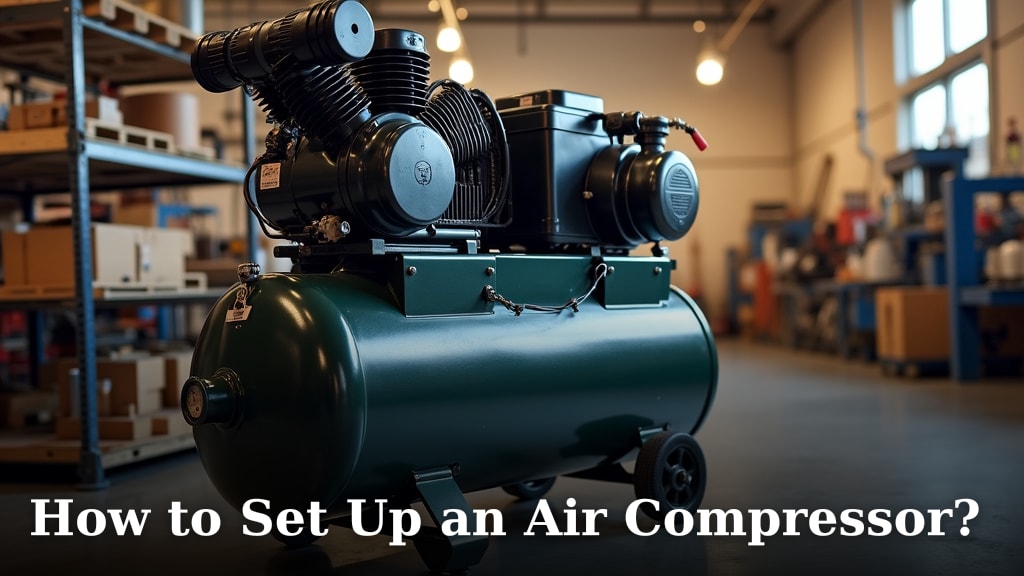
Learn how to set up an air compressor safely and efficiently with this comprehensive guide. Get your projects powered up in no time.
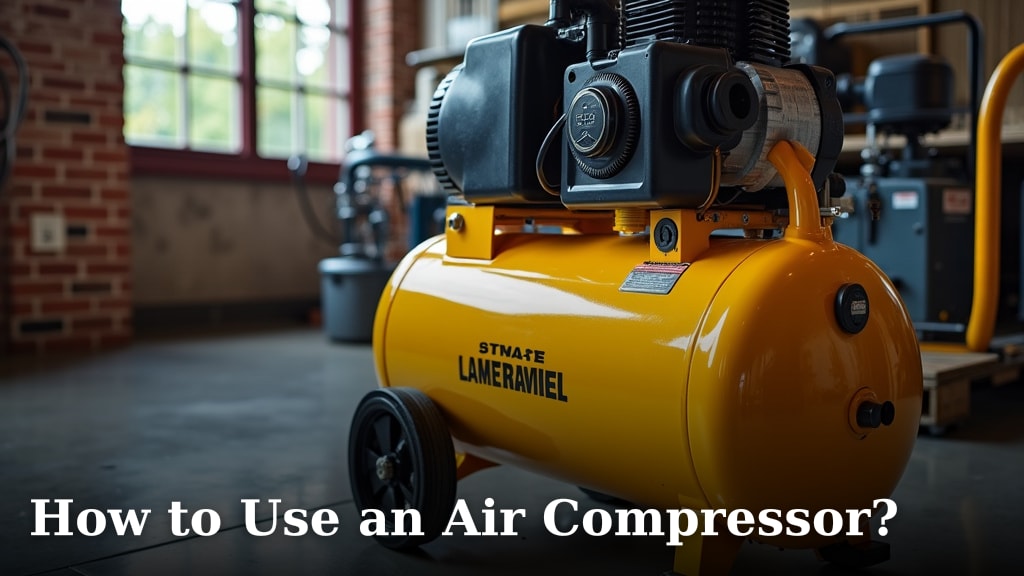
Learn how to use an air compressor safely and effectively for various tasks. This guide covers setup, operation, and maintenance to get you started.
No, you generally cannot breathe air directly from a standard air compressor without specialized filtration and safety equipment. The air from these machines

Taking an air compressor on a plane is generally not straightforward, and often not permitted due to strict airline and TSA regulations regarding hazardous ma
No, you generally should not lay your air compressor on its side, especially if it’s an oil-lubricated model. Doing so can cause serious damage and potential
Generally, bringing an air compressor on a plane is restricted due to safety concerns about hazardous materials. Most airlines and aviation authorities typica
Yes, an air compressor can be fatal if used improperly or when safety precautions are ignored. The high-pressure air it produces, along with other associated
An air compressor can indeed get wet, but it’s generally a bad idea and can lead to significant problems. Protecting your air compressor from moisture is esse
No, an air compressor should generally not get rained on. Direct exposure to rain can cause significant damage to your air compressor, leading to potential el
Generally, an air compressor should not be stored outside due to risks from extreme temperatures, moisture, theft, and dust that can severely damage its compo
Yes, air compressors can be placed outside, but it requires careful consideration of several factors to ensure their protection, optimal performance, and long
No, you generally should not lay most air compressors down, especially if they are oil-lubricated models, as this can cause significant operational issues and

Air compressors can explode due to several factors, most commonly over-pressurization, poor maintenance leading to rust and material fatigue, or the ignition
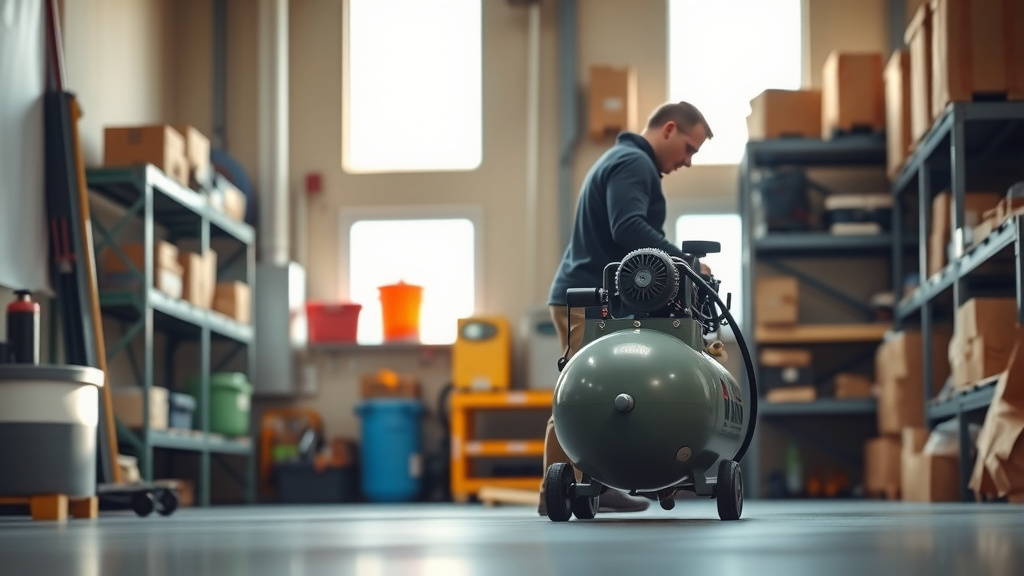
Leaving an air compressor on can lead to several serious issues, including increased energy consumption, premature wear and tear on components, and potential
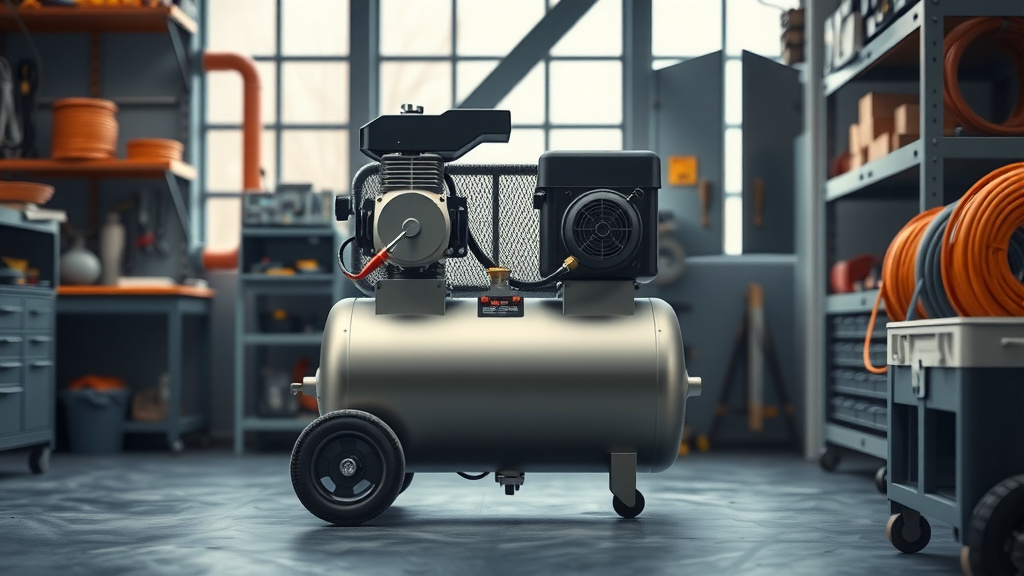
For most air compressors, a 10-gauge wire is suitable for circuits up to 30 amps, while a 12-gauge wire can handle up to 20 amps for shorter runs, typically l
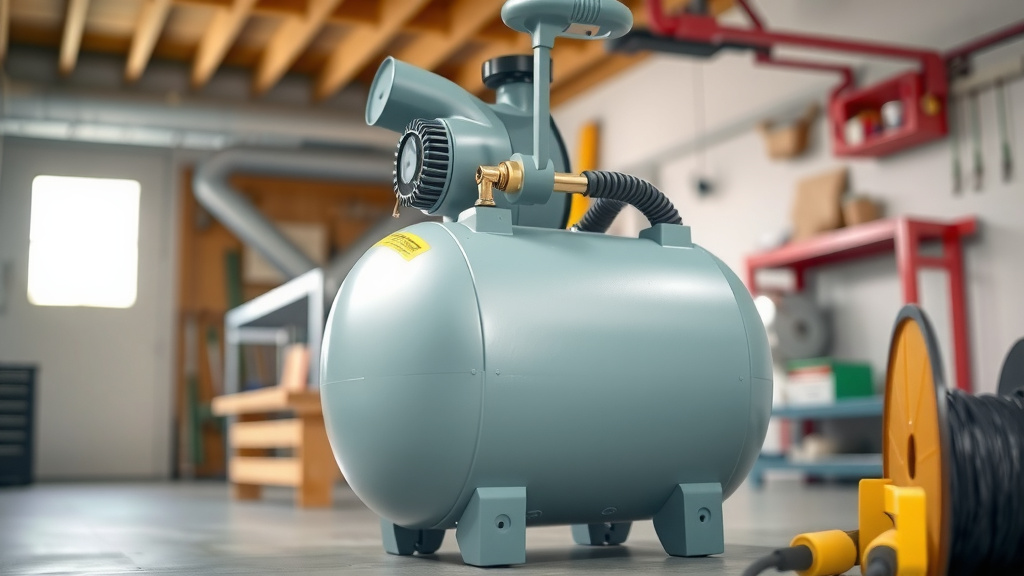
For a 220 air compressor, you will generally need 10-gauge wire for distances up to 50 feet if your compressor draws between 20 and 30 amps. Always verify you
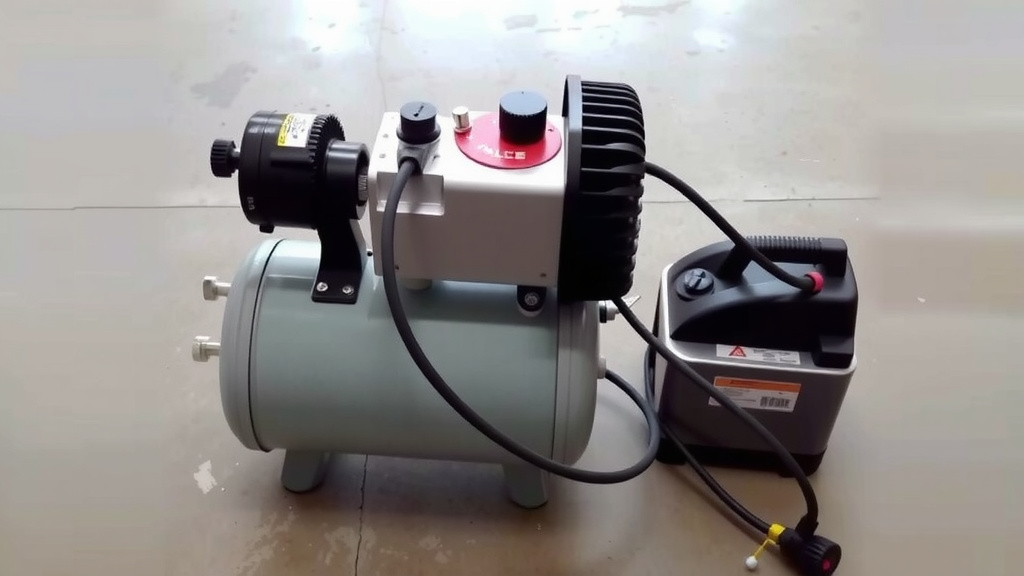
For most common portable air compressors (under 15 amps), a 12 or 10-gauge extension cord is often recommended, especially for lengths up to 50 feet. Choosing
An air compressor’s ideal cycle rate varies, but a good rule of thumb is that it should not cycle on and off more than 4-6 times per hour during active…
Air compressor explosions are exceedingly rare when units are properly maintained and operated. Most incidents stem from severe neglect, faulty components, or
Air compressors use varying amounts of power, typically measured in watts, amps, or horsepower (HP), depending on their size, motor efficiency, and how hard t
An air compressor’s electricity use per hour typically ranges from 0.5 kWh for smaller garage models to over 10 kWh for large industrial units, directly depen
An air compressor’s electricity usage varies widely, typically consuming between 1,500 to 7,500 watts per hour, depending on its horsepower and how often it r
A typical pancake air compressor generally consumes between 700 to 1500 watts when running, depending on its horsepower (HP) and specific model. This wattage
An air compressor’s wattage can vary greatly, typically ranging from 1,500 to 7,500 watts, depending on its horsepower, size, and intended use. To figure out
A small air compressor typically uses between 500 to 1500 watts of power. The precise wattage a small air compressor uses depends on its motor horsepower and
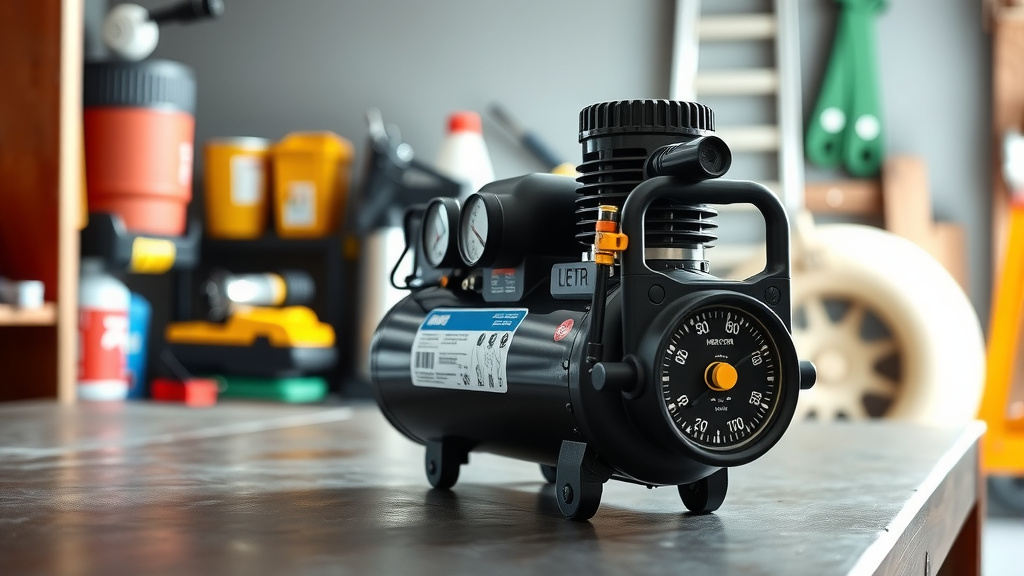
A portable air compressor typically uses between 500 and 1500 watts of power, depending on its size and intended use. This wattage determines how much electri
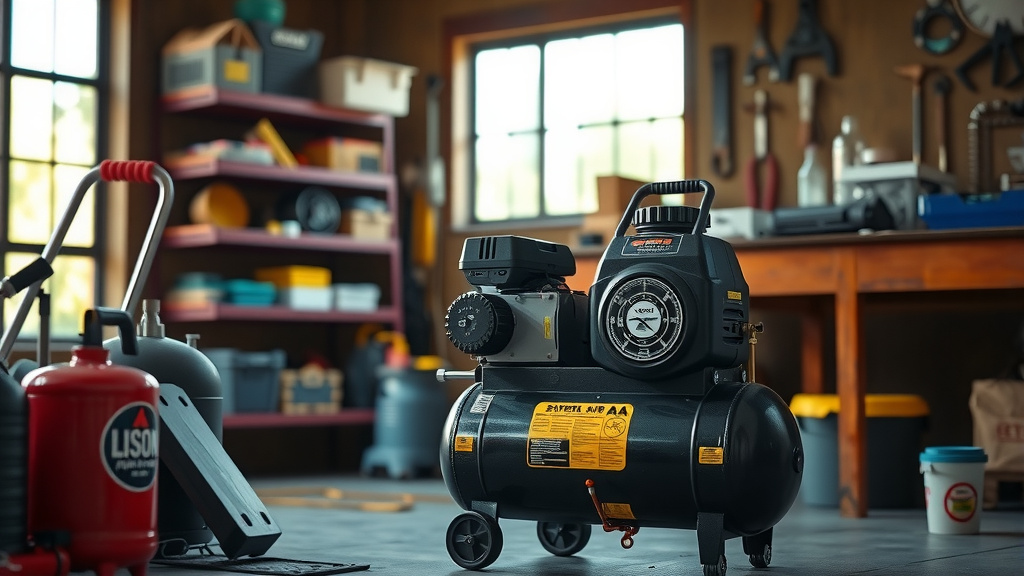
A typical 6-gallon air compressor generally uses between 750 to 1500 watts when running, depending on its horsepower and efficiency. This wattage translates t
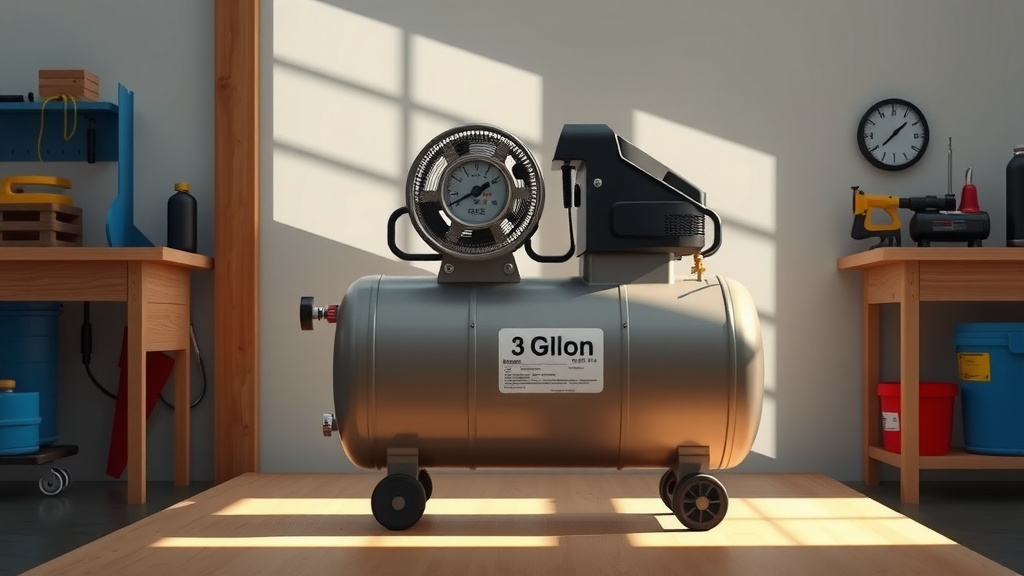
A typical 3-gallon air compressor generally uses between 700 to 1500 watts while running, though this can vary. The exact wattage for a 3-gallon air compresso
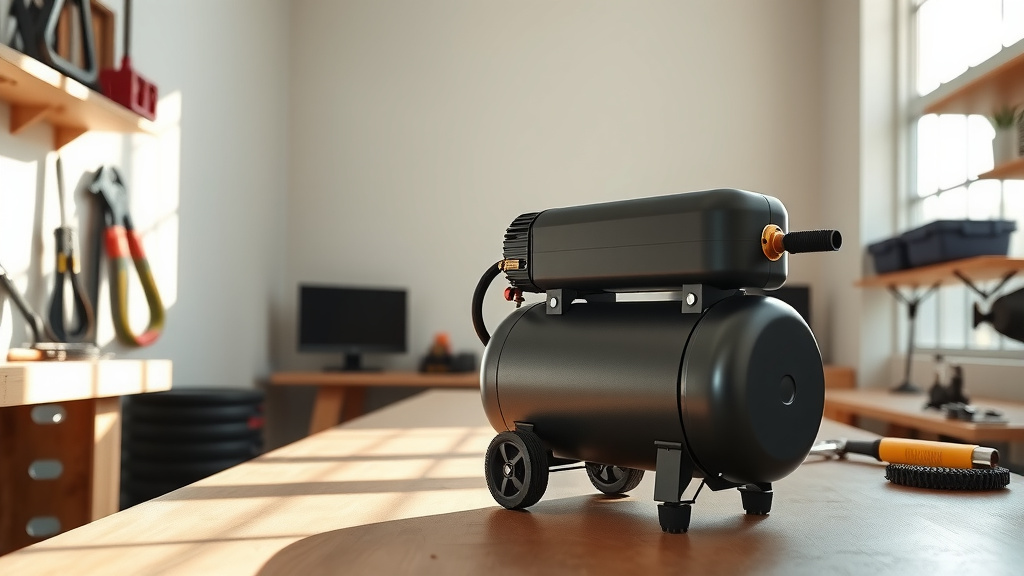
A 2.5 HP air compressor typically uses between 1500 to 1875 watts of power during operation. This wattage can fluctuate based on factors like motor efficiency

A 2 HP air compressor typically uses between 1500 and 2500 watts when running, though startup wattage can be significantly higher. This range depends on facto

A 1.5 HP air compressor typically uses between 1500 to 2000 running watts, though this can vary. Its starting wattage might briefly spike higher, often around
A 1 HP air compressor typically uses between 1500 to 2000 running watts, though this can vary. It also draws a significantly higher amount of starting watts f
Most air compressors produce noise levels ranging from 60 to over 100 decibels (dB), similar to a noisy vacuum cleaner or a running lawnmower. The exact decib
An air compressor’s amp usage typically ranges from 10 to 25 amps for common 120V models, and 15 to 50 amps for larger 240V units. The exact amperage depends
Typically, a 120-volt air compressor can draw anywhere from 10 to 20 amps when running, but this depends on its horsepower and how hard it’s working. Understa
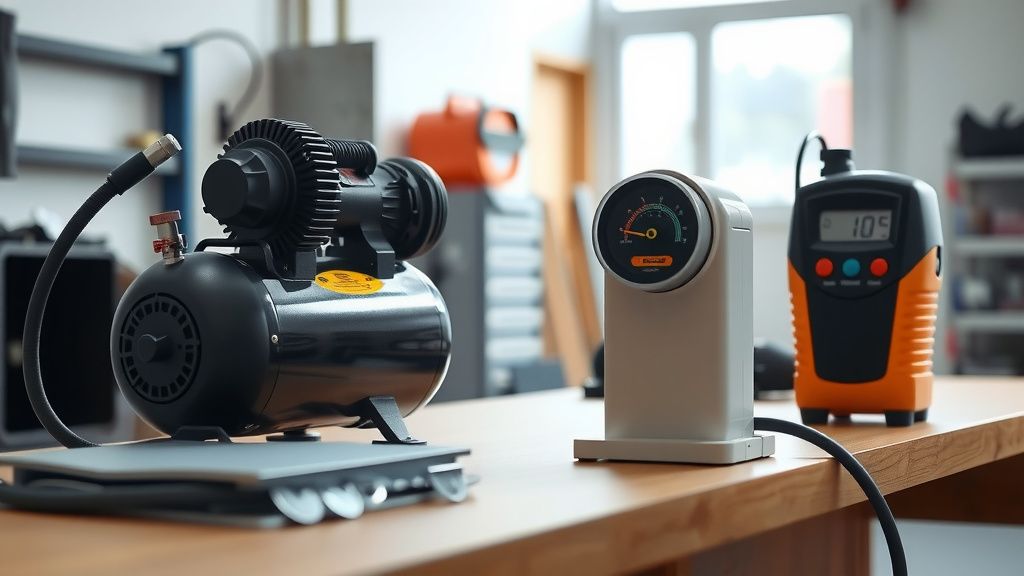
A small air compressor typically uses between 7 to 15 amps, but this can vary based on its horsepower, motor efficiency, and voltage. Understanding how many a
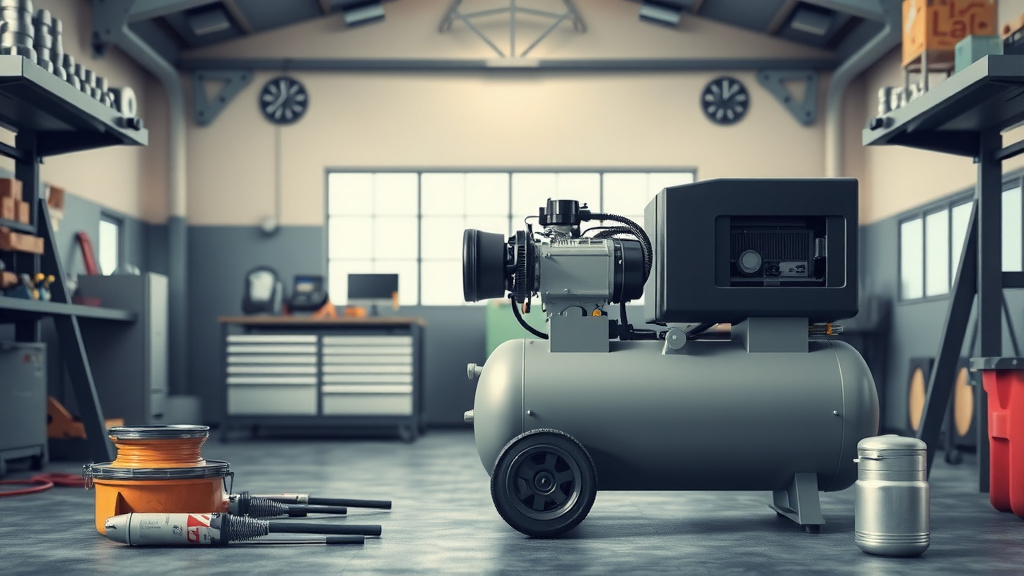
The amperage an air compressor pulls varies significantly based on its motor size (horsepower), voltage, and whether it’s starting up or running steadily. You
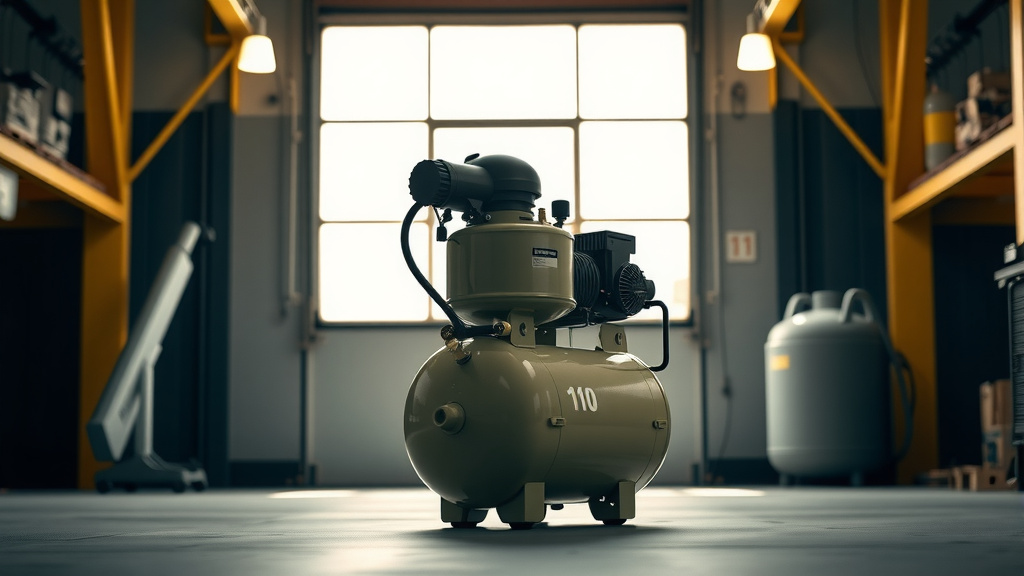
A 220V air compressor typically uses between 15 to 30 amps, though this can vary significantly based on its horsepower, motor efficiency, and tank size. Under
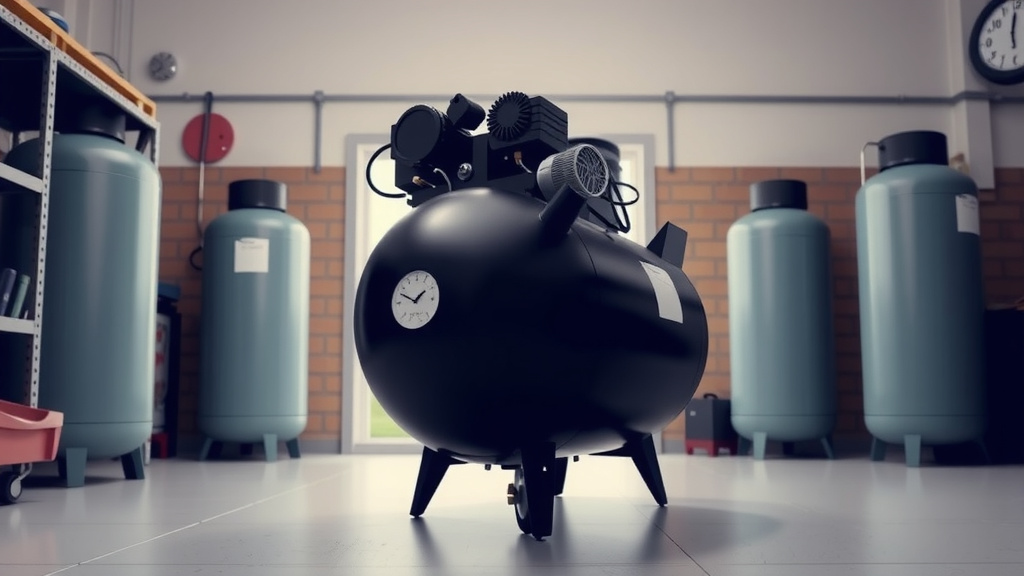
A 20-gallon air compressor typically uses between 15 to 20 amps when running on a standard 120-volt circuit. This amperage draw is largely determined by its m
A 12V air compressor typically draws between 15 and 45 amps, depending on its power, duty cycle, and the pressure it’s working against. Smaller, portable 12V
A 110-volt air compressor typically draws between 10 to 20 amps when running, with a higher surge at startup. The exact amperage your 110 air compressor draws

To turn up the PSI on your air compressor, locate the pressure regulator knob or valve, which usually has a gauge nearby. You will then rotate this knob clock
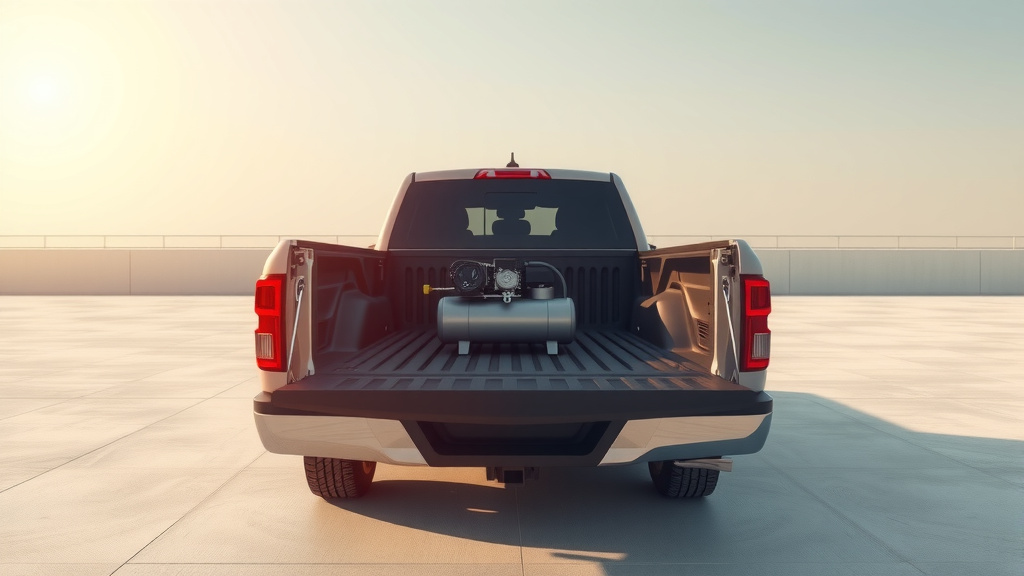
To safely transport an air compressor, always drain all fluids, secure movable parts, and keep the unit upright to prevent damage or spills. Proper preparatio
You can connect two air compressors together to increase your overall air volume and recovery time, which is especially useful for demanding pneumatic tools o
You can effectively soundproof an air compressor by creating an enclosure, isolating vibrations, and absorbing noise with acoustic materials. This approach si
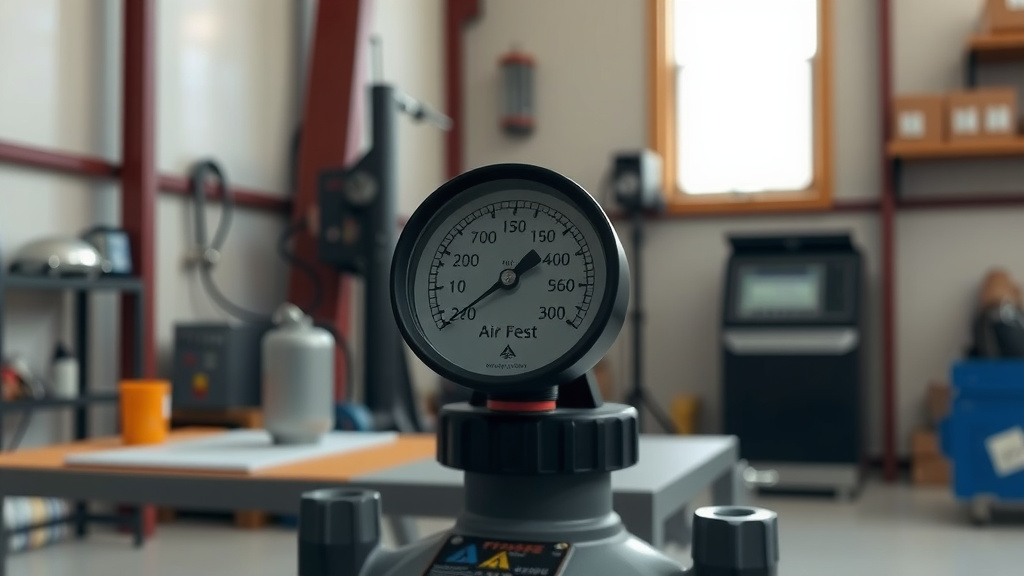
To set your air compressor PSI, you must locate the pressure regulator knob, usually found on the compressor’s front panel, and turn it clockwise to increase
To put air in an air compressor, you simply connect it to a power source, ensure the tank drain valve is closed, and then allow it to run until it…
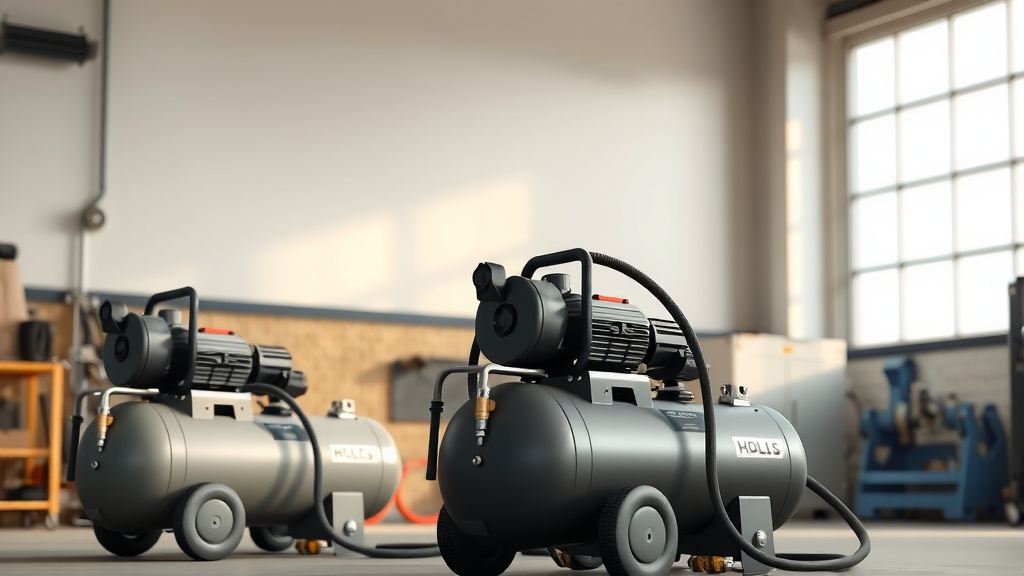
Piggybacking air compressors involves connecting two or more units in parallel to effectively combine their air storage capacity and increase overall output f
To effectively muffle an air compressor, you can build a sound-dampening enclosure, use anti-vibration pads, or install a dedicated air intake silencer. These
Moving an air compressor safely requires careful planning, proper equipment, and attention to safety precautions like draining air and disconnecting power. Al
To lower PSI on your air compressor, locate the pressure regulator, which usually has a knob or dial, and turn it counter-clockwise to reduce the output press
To link two air compressors together, you typically connect their air outlets to a common manifold or T-fitting using appropriate high-pressure hoses and fitt
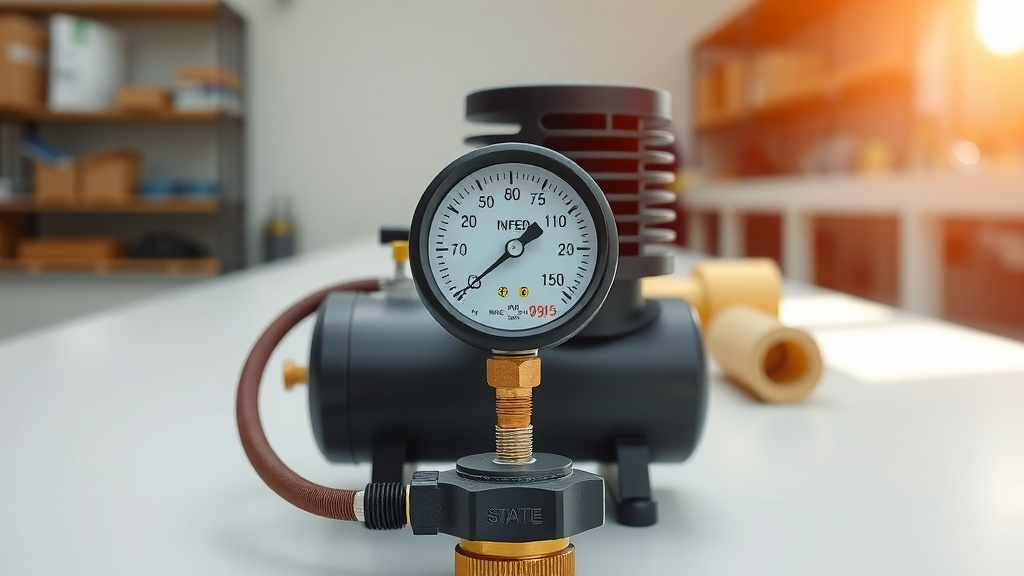
To let air out of an air compressor, the safest and most common method is to slowly open the drain valve located at the bottom of the air tank until…
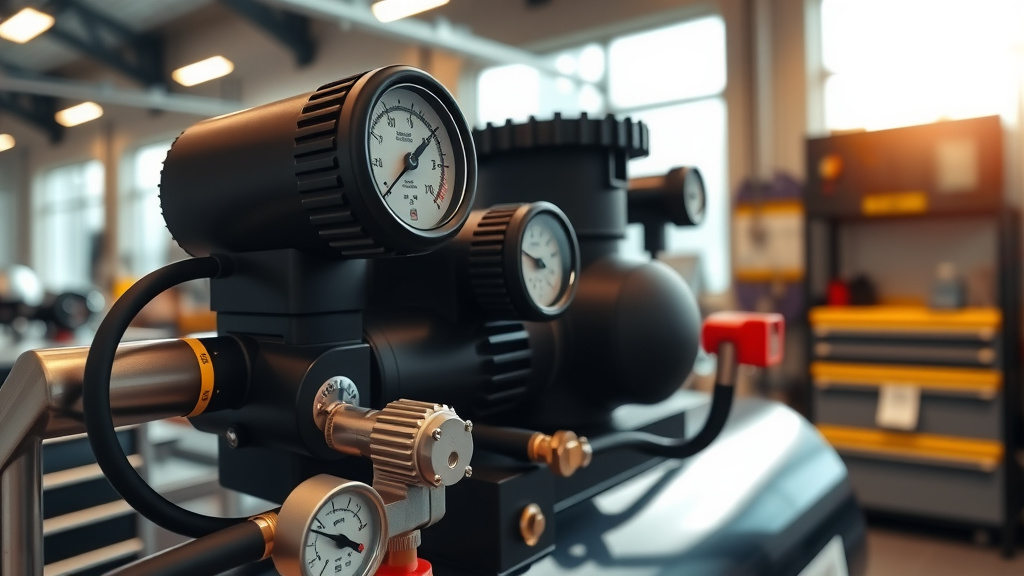
To increase your air compressor PSI, you can first optimize your current setup by fixing air leaks and ensuring proper maintenance. For a sustained and signif
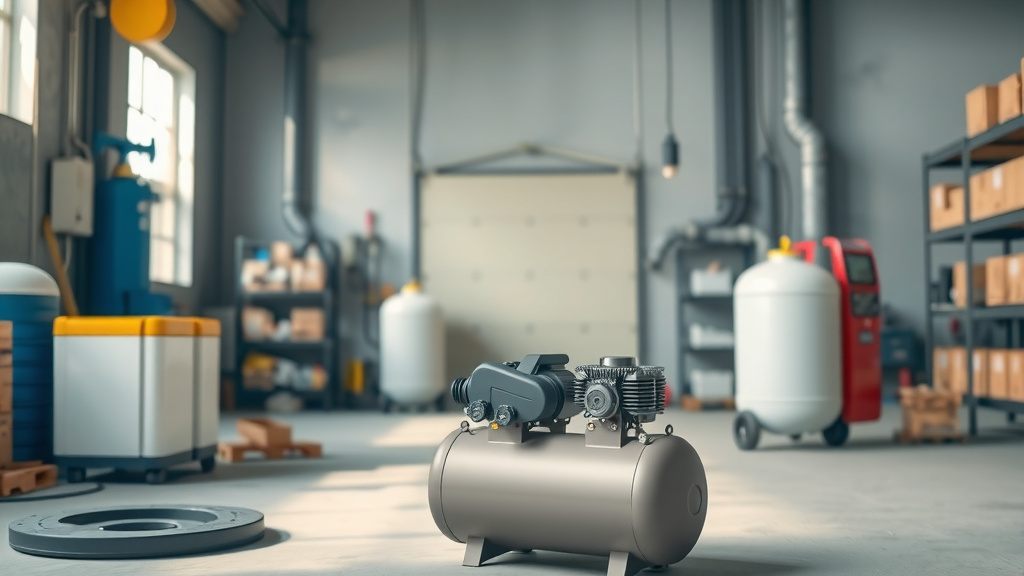
Improving air compressor efficiency involves regular maintenance, proper sizing, and managing air leaks effectively. These steps can significantly lower energ

Hardwiring an air compressor involves connecting it directly to your electrical panel via a dedicated circuit, providing a stable and reliable power source fo
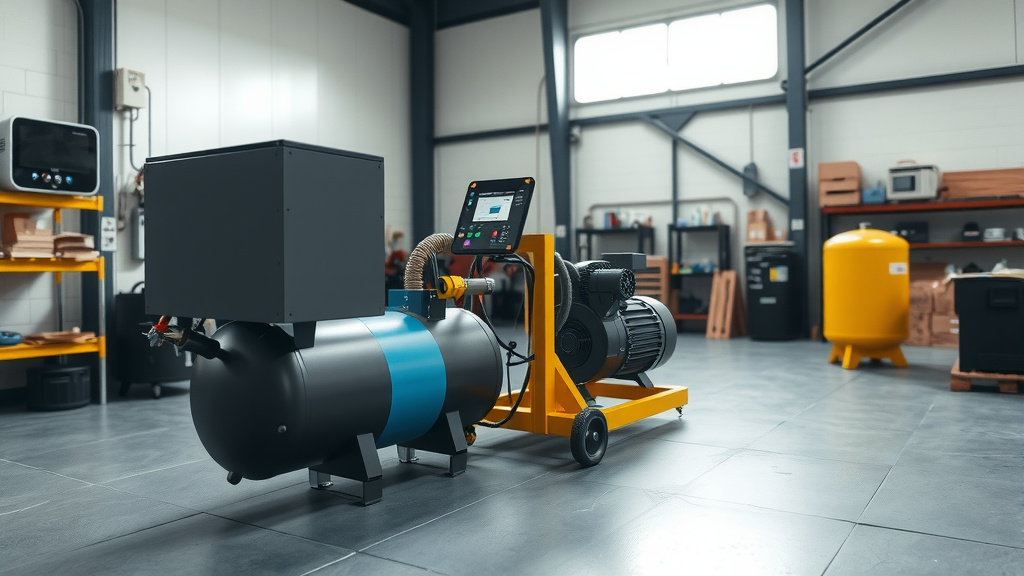
To design an air compressor system, you start by calculating your total air demand, selecting the right compressor type and size, and then adding appropriate
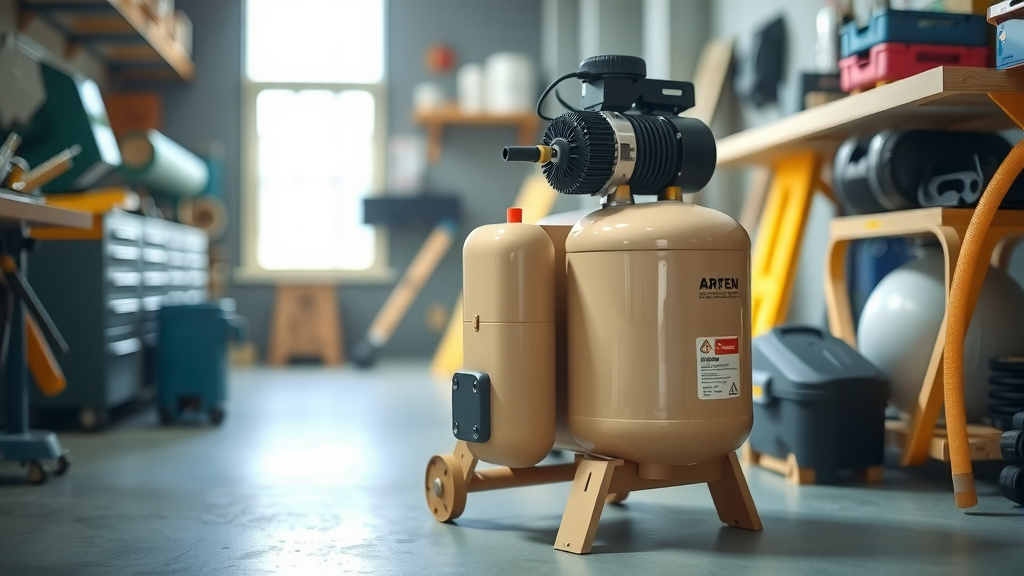
To decompress your air compressor, first unplug it from its power source and remove any connected air tools. Then, slowly open the drain valve at the bottom o

You control PSI on an air compressor primarily through its pressure regulator. This device adjusts the air pressure output to match your tool’s requirements,
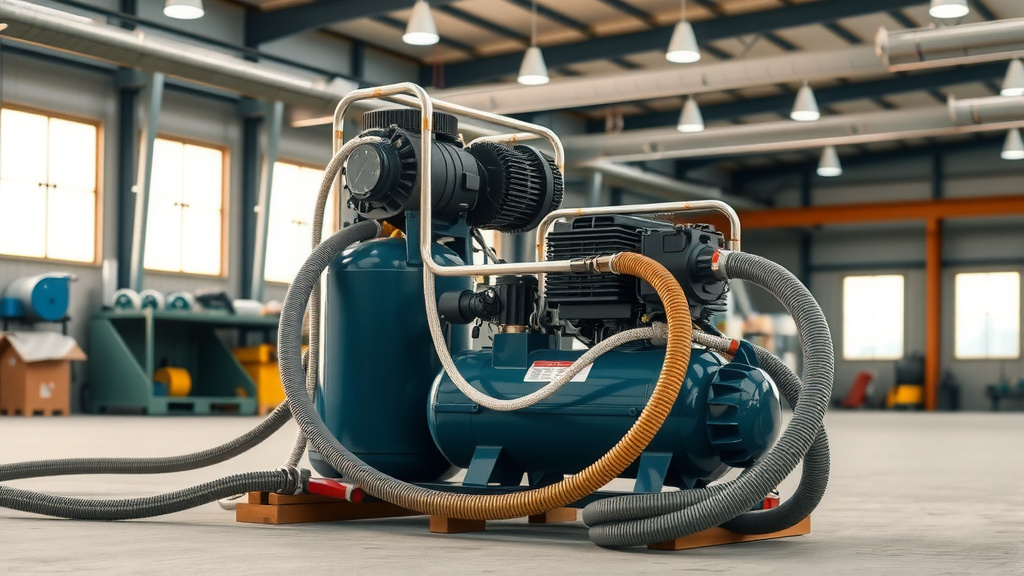
You can combine two air compressors together to significantly increase your system’s air capacity and maintain consistent pressure for demanding tasks. The co
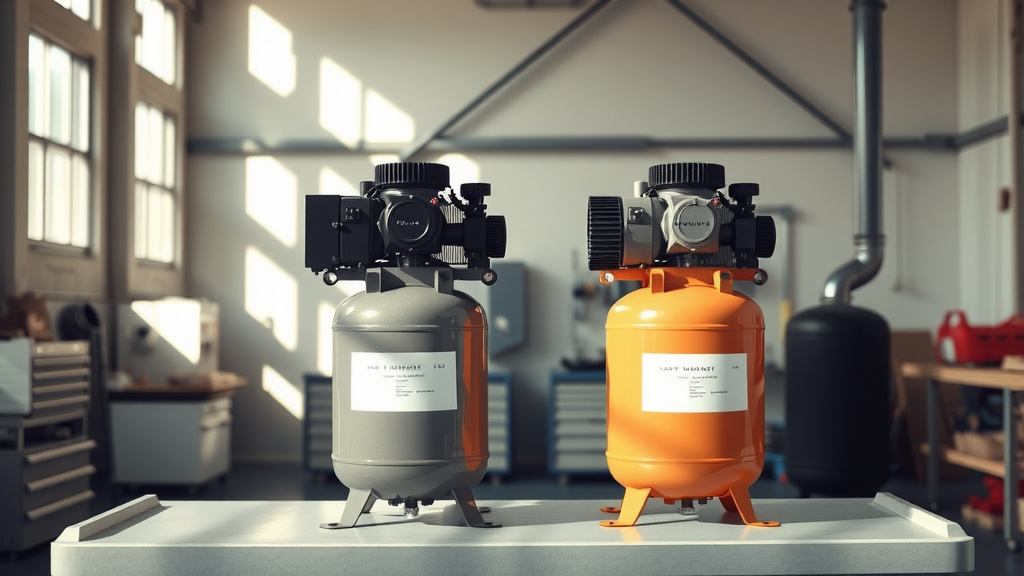
To combine two air compressors effectively, you need to connect their output lines to a common manifold, ensuring each compressor has a check valve to prevent
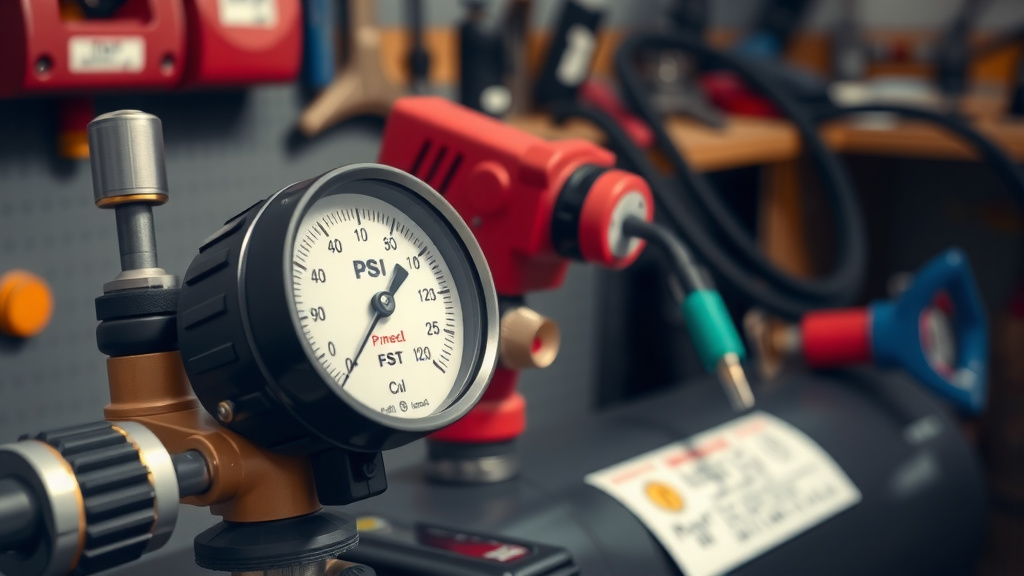
To change the PSI on your air compressor, locate the pressure regulator knob, which typically sits near the air tank’s main pressure gauge. You simply turn th
To calculate air compressor efficiency, you primarily look at its volumetric efficiency (how much air it actually delivers versus its theoretical displacement
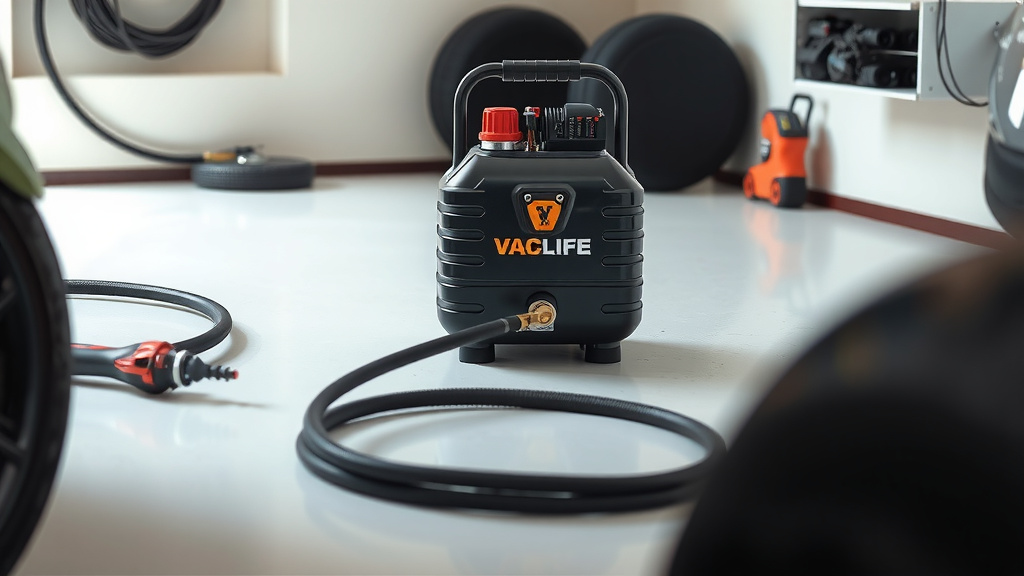
To use your VacLife air compressor, connect it to your vehicle’s 12V DC outlet, attach the air hose to the item you want to inflate, set your target pressure,
To use a Tool Shop Air Compressor, first ensure it’s on a stable, level surface, then connect your air hose and preferred air tool. Always check your tool’s P
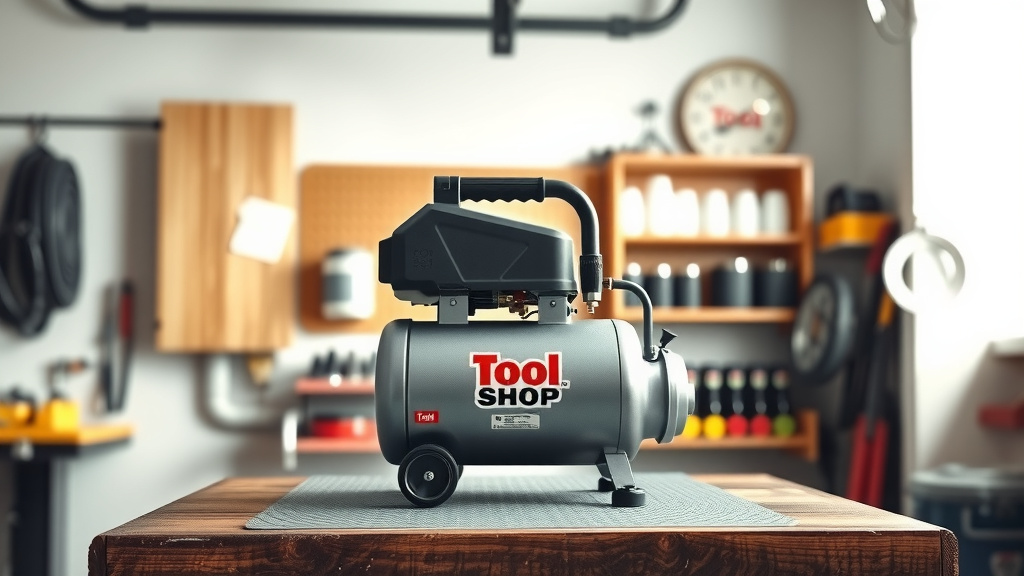
To use your Tool Shop 2 Gallon Air Compressor, first connect your air tool securely, then plug in the compressor and allow it to build sufficient pressure. Al
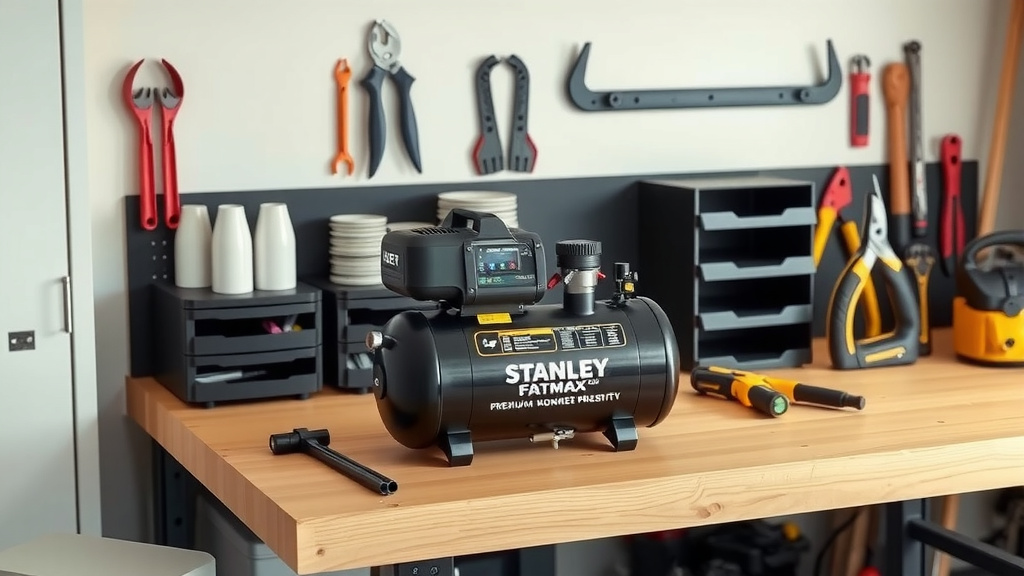
To use your Stanley FatMax air compressor, connect it to a power source, attach your desired air tool, and then adjust the air pressure regulator for your spe
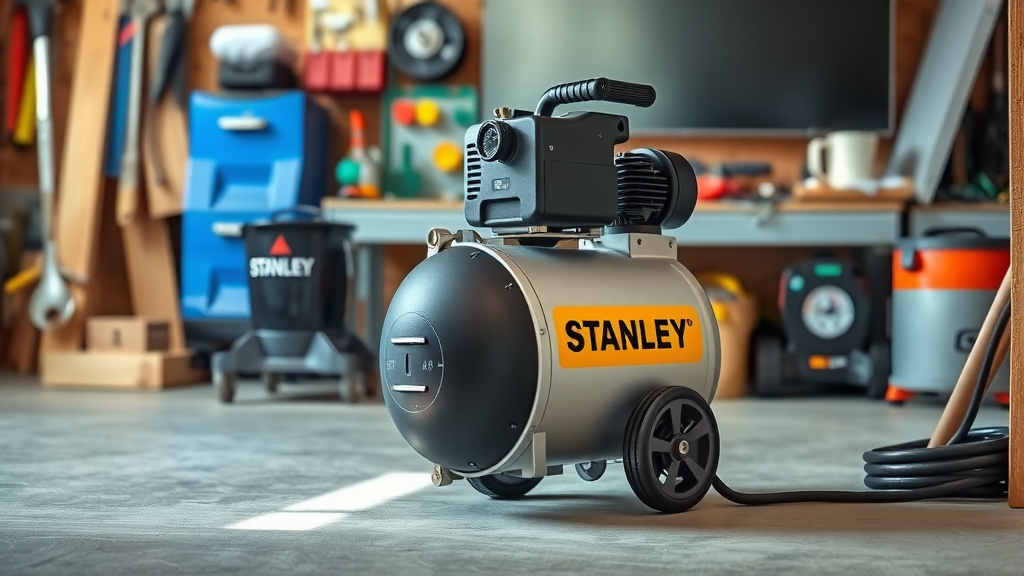
Using your Stanley Air Compressor involves connecting power, attaching your air hose and tool, adjusting the pressure regulator, and then activating the compr
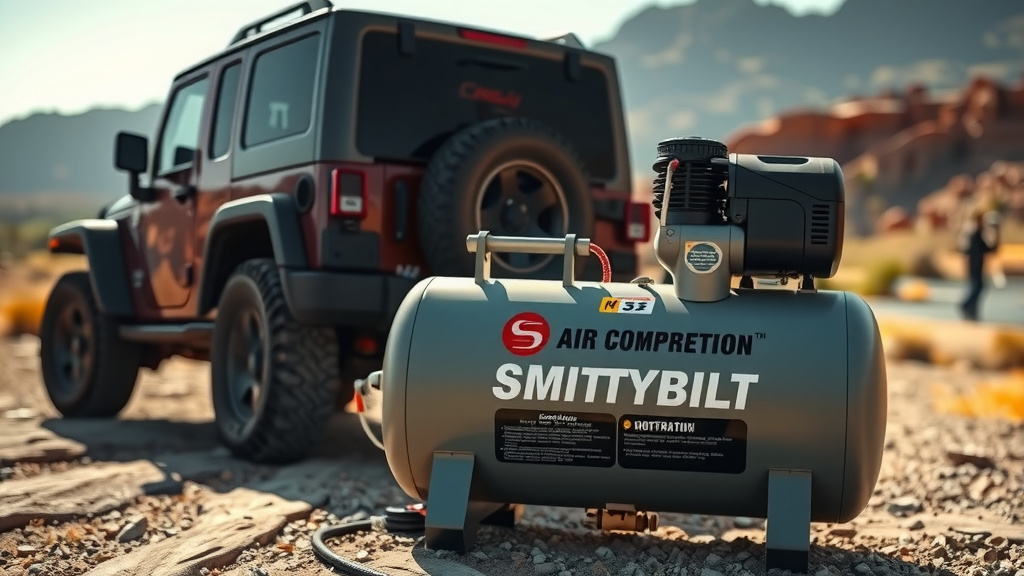
To use your Smittybilt Air Compressor, first connect its power clamps to your vehicle’s battery terminals, ensuring the engine is running. Then, attach the ai
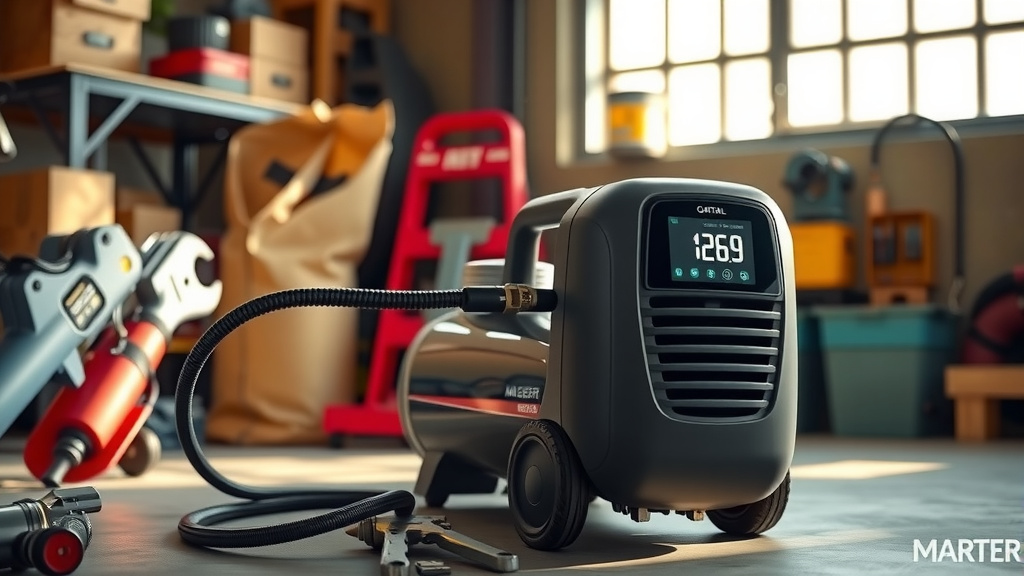
Using a Smart Gear Air Compressor involves ensuring it is safely set up, connecting the appropriate air hose and attachment, and then carefully setting the co
To use a small air compressor, first connect the appropriate air tool to the hose securely. Then, plug in the compressor, turn it on, and wait for it to build

To use a Slime Air Compressor, you first connect it to your vehicle’s 12V power outlet and then securely attach the inflation hose to your tire’s valve stem.
To use a Senco air compressor, you first connect it to a power source, attach the air hose, and then select the right tool for your project. Always prioritize
To use a Schumacher Air Compressor, first ensure it’s on a stable, flat surface and connected to a proper power source. Then, attach your air hose and desired
To use your Ryobi air compressor, first connect the appropriate air tool to the hose, then plug the compressor into power. Next, set the pressure (PSI) on the
To use a RIDGID pancake air compressor, first ensure it’s placed on a stable, level surface, then connect your air hose and chosen pneumatic tool to the compr
To use your RIDGID Air Compressor, begin by connecting your air tool to the hose and ensuring all connections are secure and leak-free. Then, plug in the comp
To use your RIDGID 6 Gallon Air Compressor, first, connect your air hose and chosen air tool securely to the quick-connect coupler. Then, plug the compressor
To use a Porter Cable air compressor 150 PSI, first connect your air tool to the quick-connect coupler, ensuring a secure fit. Next, plug in your compressor,
To use a Porter Cable air compressor, first place it on a stable, level surface, then connect it to a power source. You will then attach your air tool to…
To use your Porter Cable 6 Gallon Air Compressor, first ensure it’s on a stable, level surface, then connect your air hose and chosen tool securely. Next, plu

The Mophie Air Compressor is a portable and compact device designed to inflate tires and other inflatable items quickly. You can use it by connecting the
To use a mini air compressor, you first connect it to its power source, attach the correct nozzle to your item, and then activate the compressor to inflate or
To use a Milwaukee air compressor, first connect your air tool to the universal quick coupler and ensure all connections are secure. Then, plug in the compres
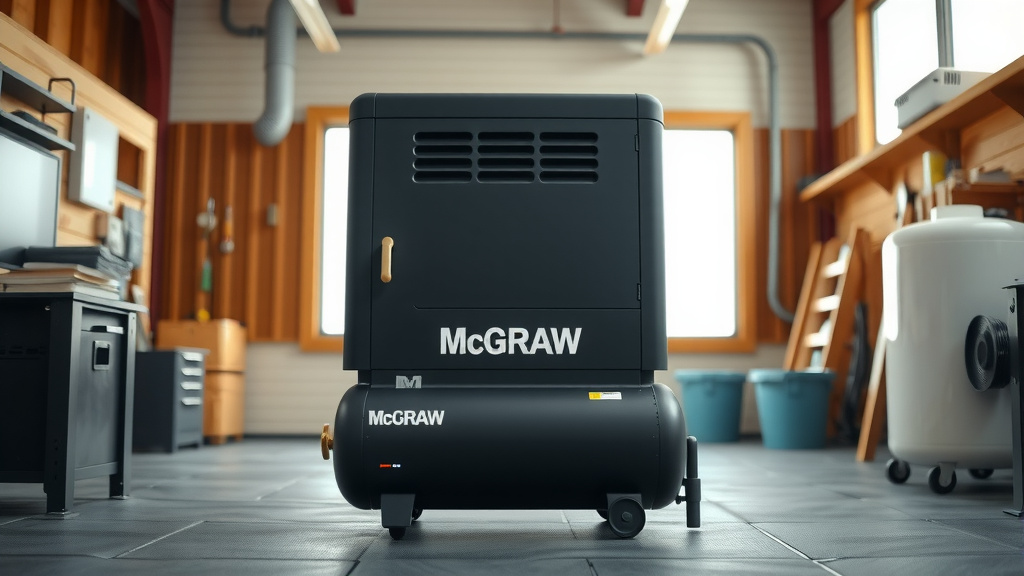
To use a McGraw air compressor, you first connect it to power, then attach your air tool to the hose. Always ensure the tank pressure is adequate and that all
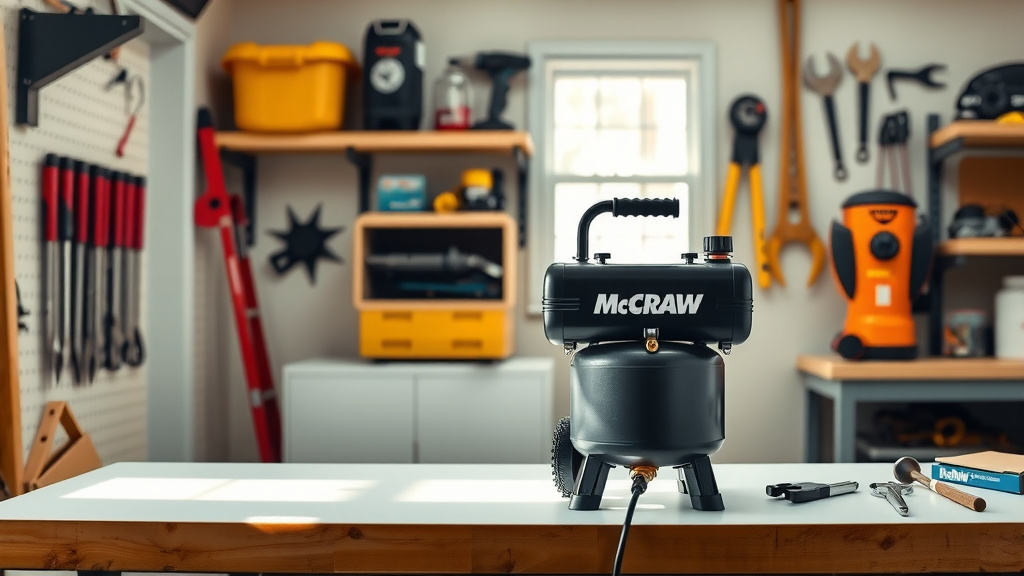
To use your McGraw 3 Gallon Air Compressor, you first need to connect your air hose and the appropriate air tool. Next, plug in the unit, allow it to build…
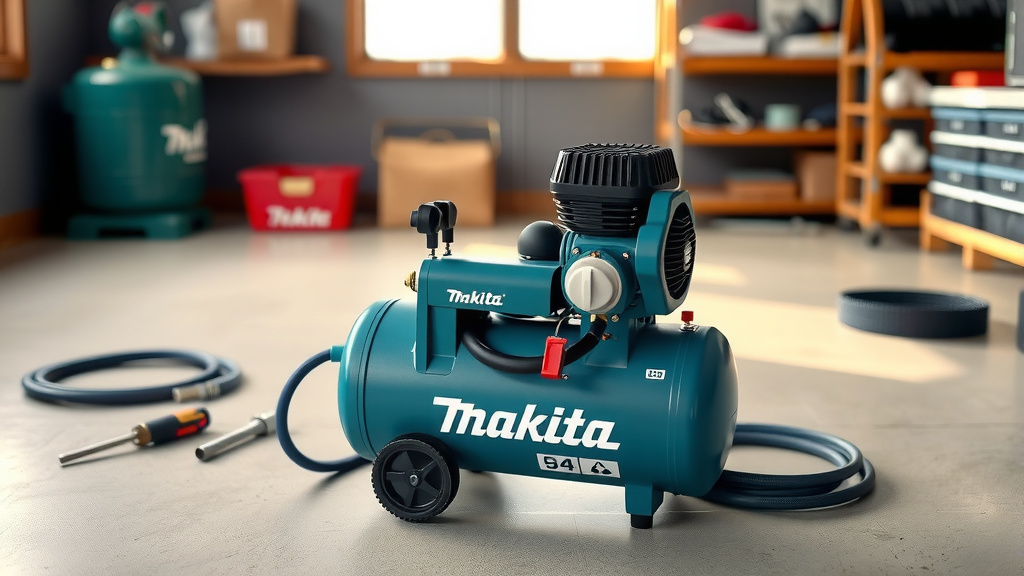
To use a Makita Air Compressor, first connect your air hose and tool, then plug in the compressor and allow it to build pressure to your desired PSI. Always e
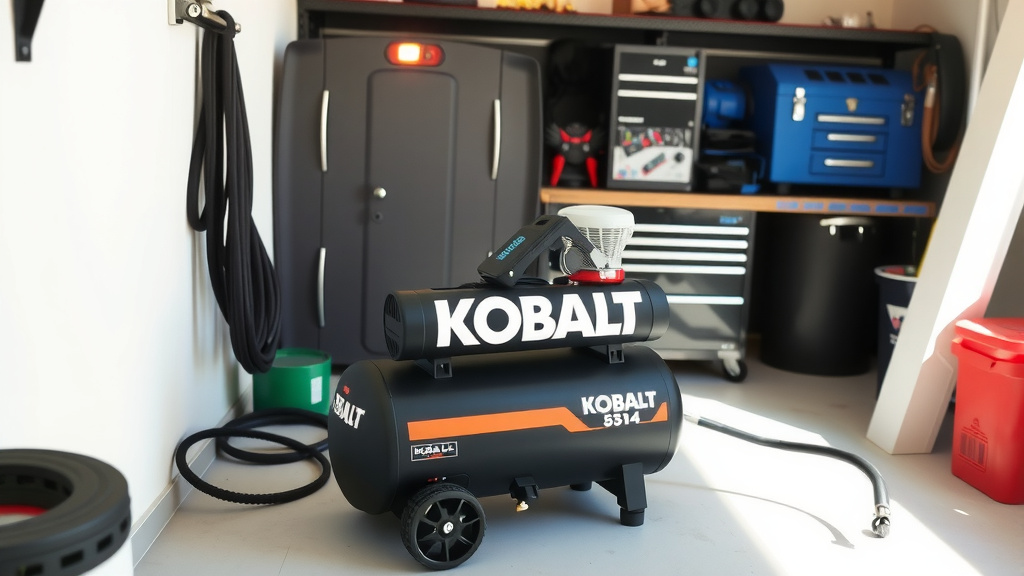
To use a Kobalt Air Compressor, first ensure it is on a stable, level surface and plugged into a proper power source. Then, connect your air hose and desired
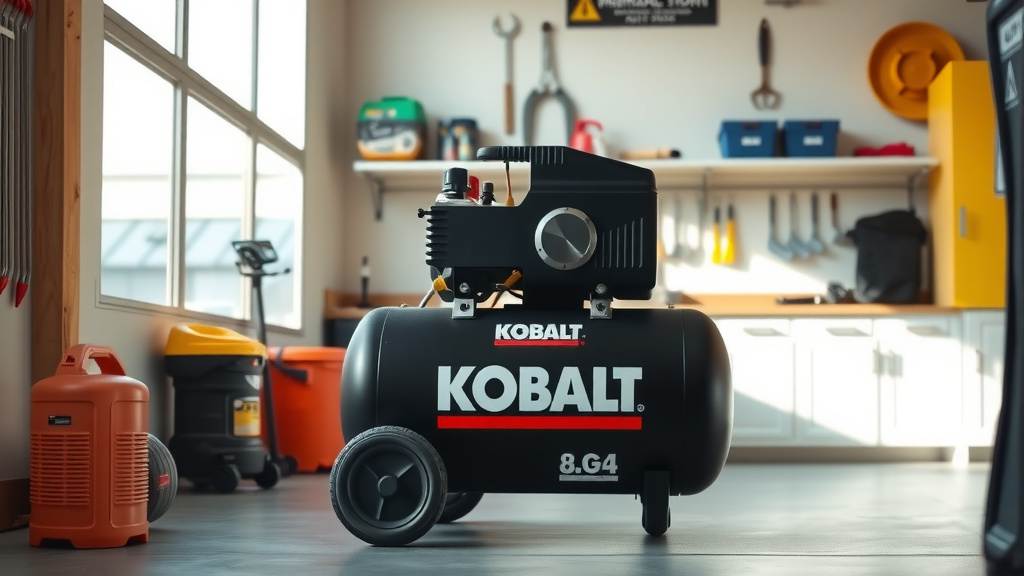
To effectively use your Kobalt 8 Gallon Air Compressor, begin by connecting your air hose and tool, then carefully adjust the pressure regulator to match the
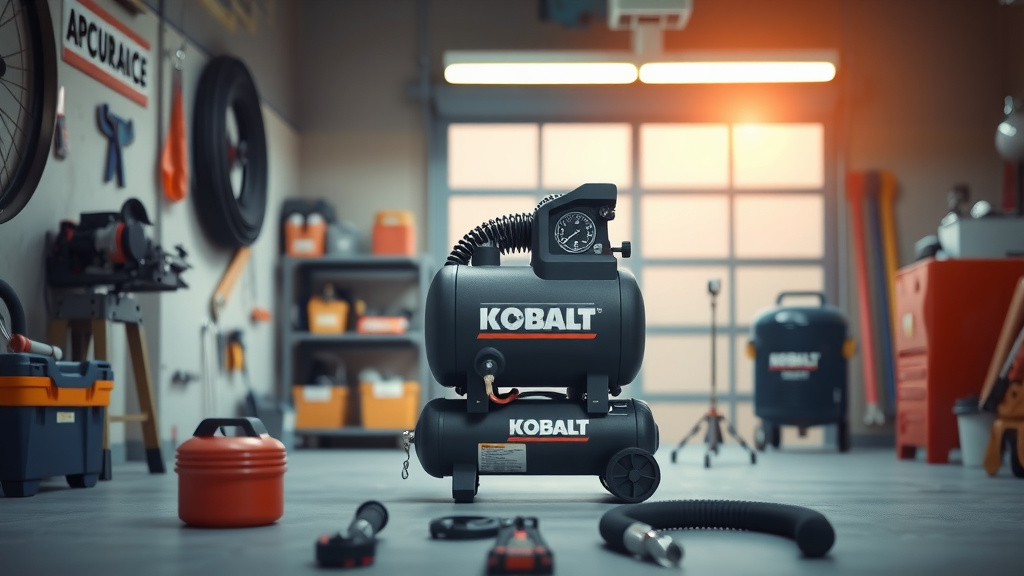
To use your Kobalt 6 Gallon Air Compressor, first ensure it’s on a level surface and plugged into a grounded outlet. Next, attach your air hose and preferred
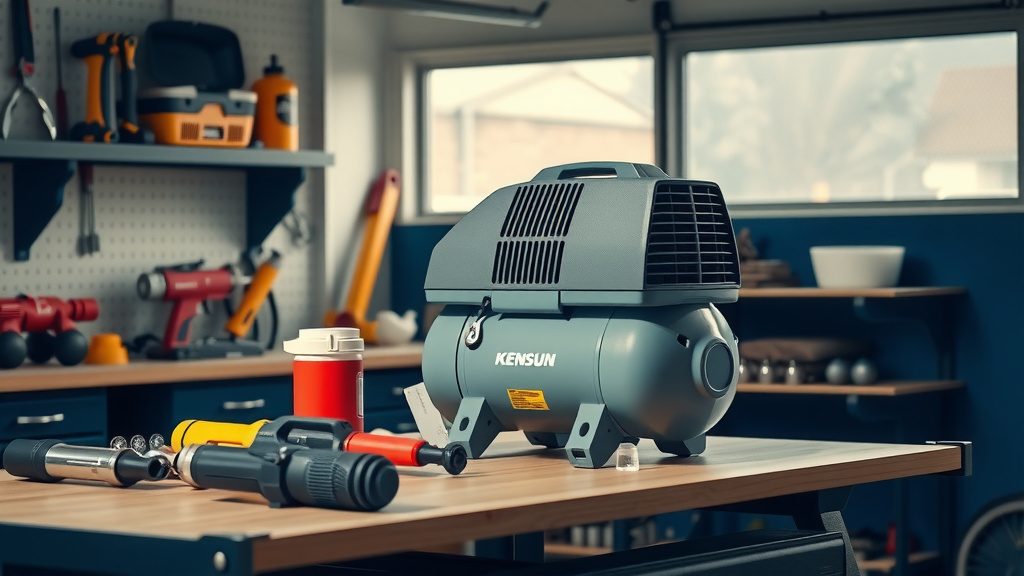
To use a Kensun Air Compressor, you typically connect it to your vehicle’s 12V power outlet, attach the air hose to your tire valve, and set the desired press
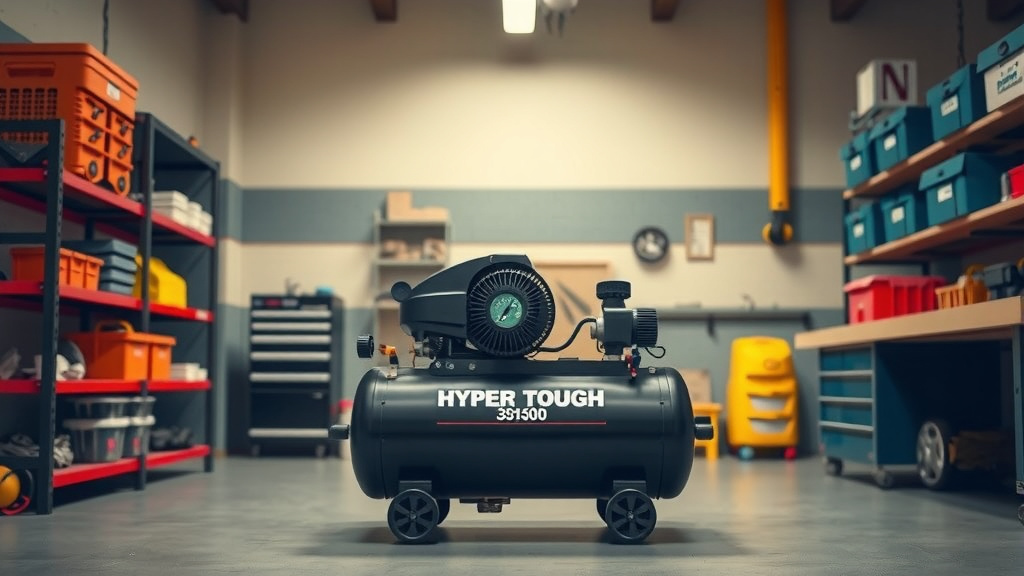
Using your Hyper Tough Air Compressor involves connecting it to power, attaching the right air tool with a hose, powering it on to build pressure, and then ad
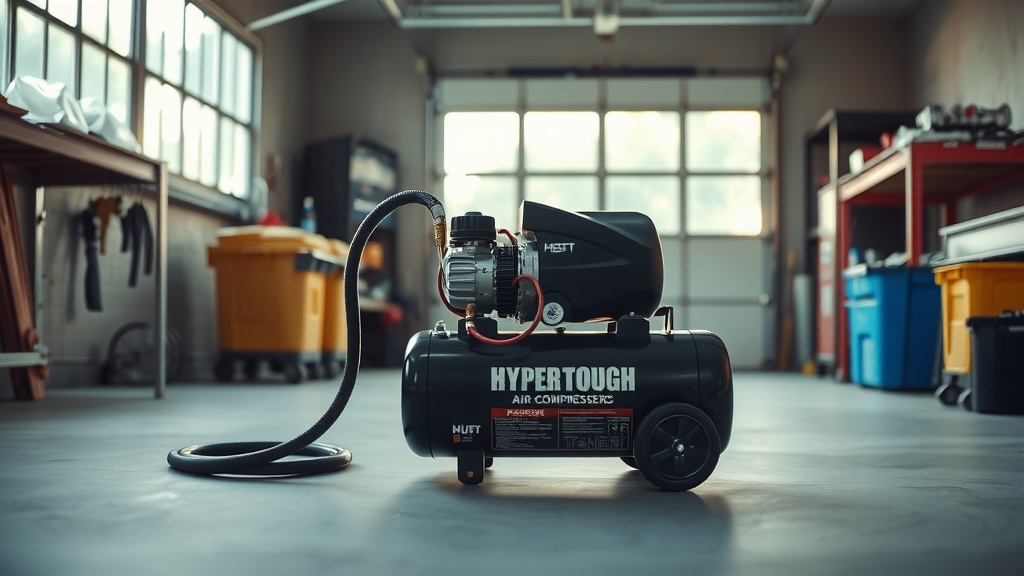
Using your Hyper Tough 3 Gallon Air Compressor involves connecting an air tool, plugging it in, and adjusting the pressure regulator to your desired PSI for t
To use the Husky Air Scout Compressor, first connect it to your vehicle’s 12V DC power outlet, then attach the air hose nozzle to the item you wish to inflate
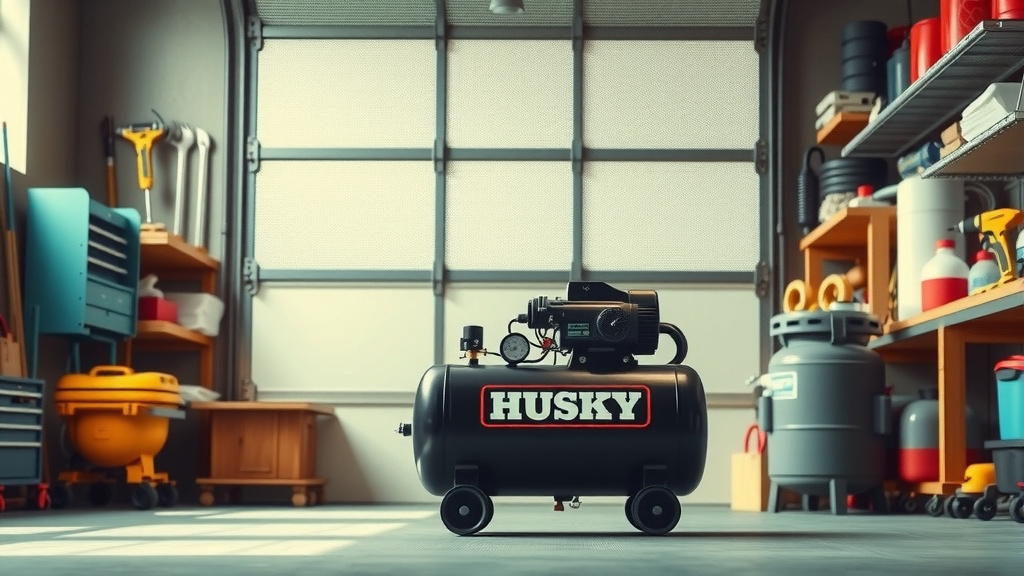
Using your Husky Air Compressor 20 Gallon typically involves connecting it to power, attaching your air tool with the correct coupler, setting the desired pre
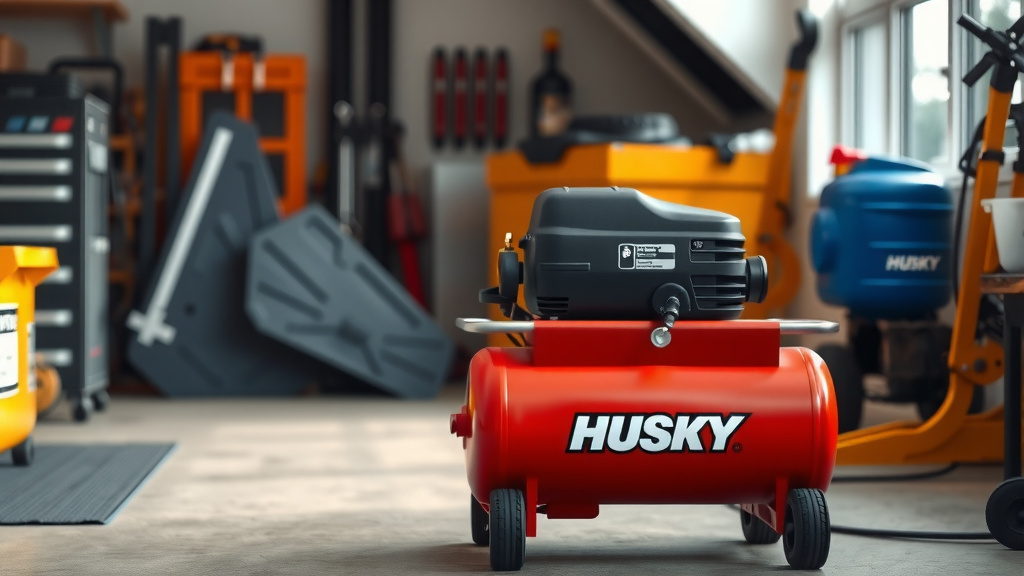
To use a Husky Air Compressor, you first connect the appropriate air tool to the air hose, ensuring all connections are secure and leak-free. Next, plug in th
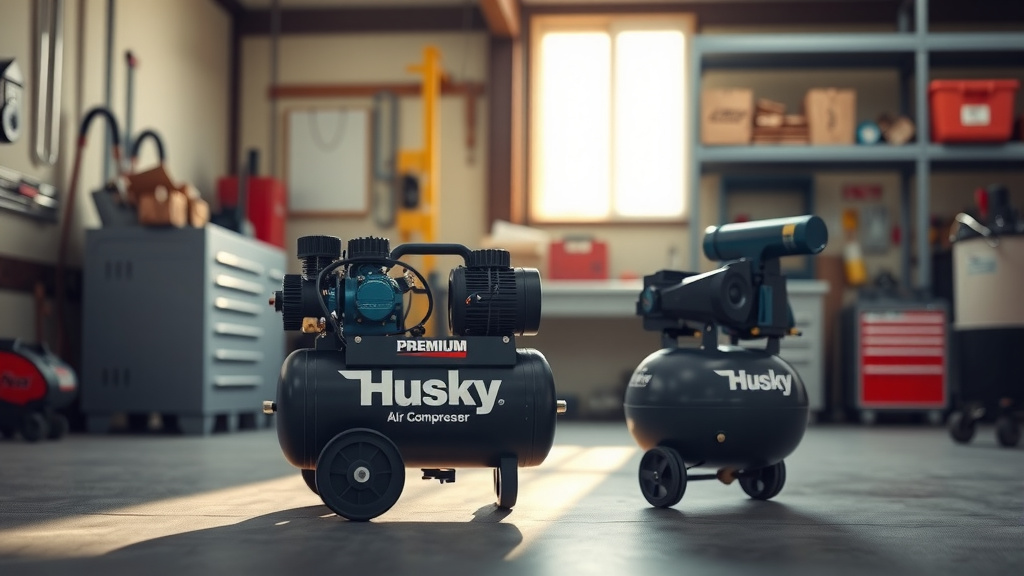
To use your Husky 8 Gallon Air Compressor, first connect your air tool to the quick coupler and plug in the unit. Then, adjust the pressure regulator to your
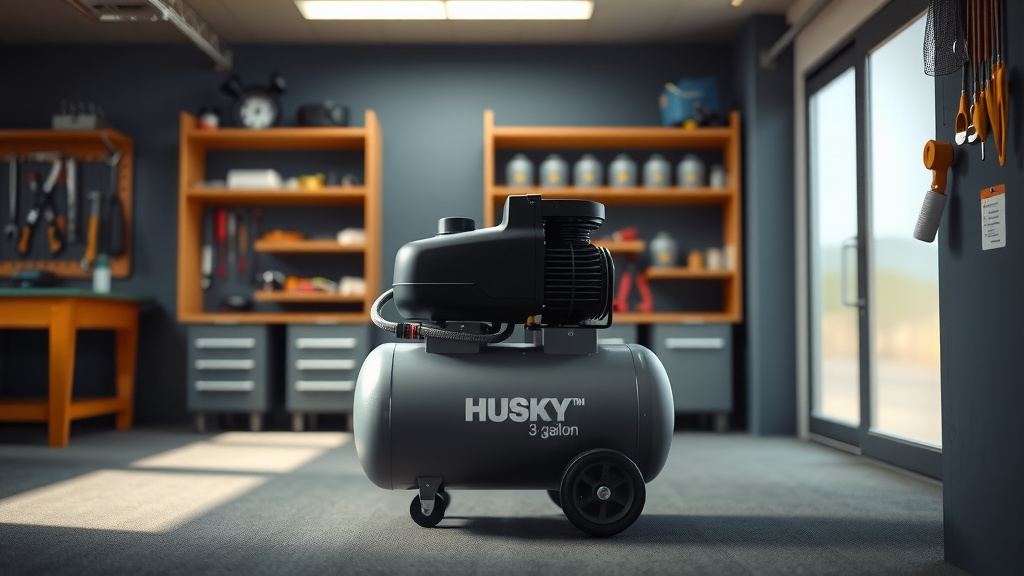
Using your Husky 3 Gallon Air Compressor involves simple steps: first, connect your air tool, then plug in the compressor, and finally, adjust the pressure to
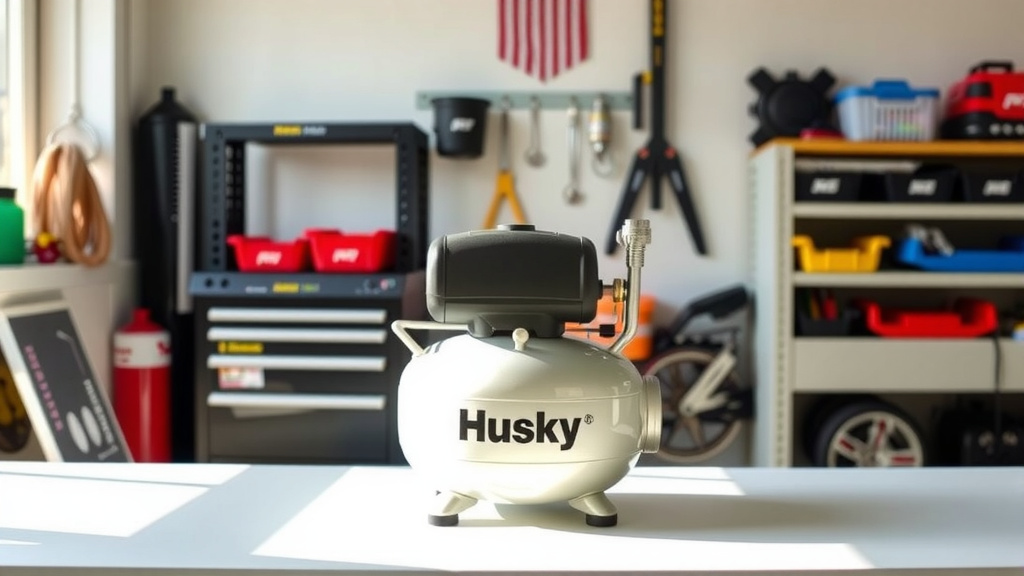
The Husky 2 Gallon Air Compressor is straightforward to use for various light-duty tasks around your home or workshop. You’ll typically connect your air hose
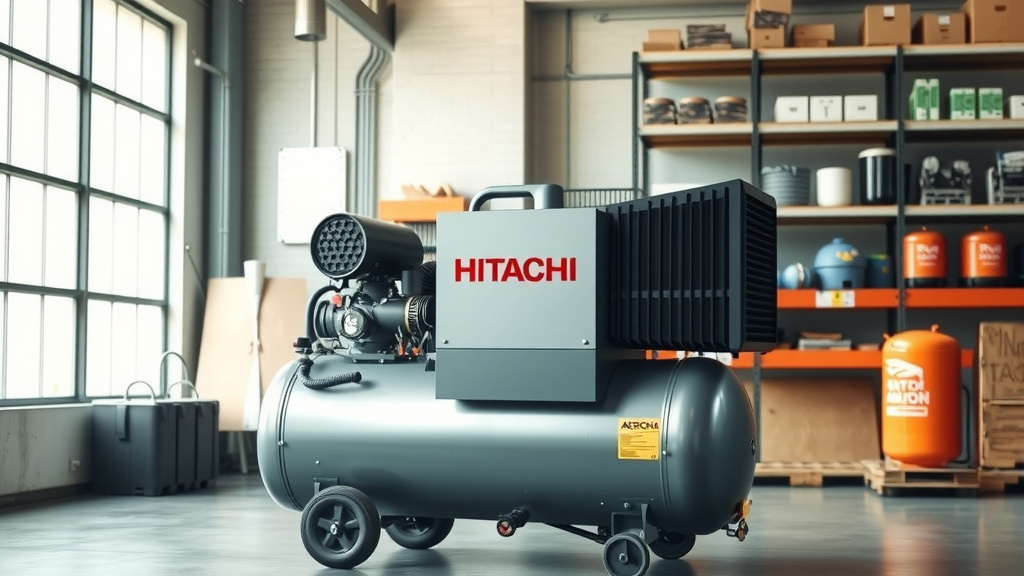
The Hitachi Air Compressor is used by connecting it to a power source, attaching your desired air tool, and adjusting the pressure for your task. You can easi
To use your Halo Bolt Air Compressor, first ensure the device is fully charged and select the correct nozzle for your item. Connect the nozzle to the inflatio
Using your Halo Air Compressor involves connecting it to a power source, attaching the correct nozzle, and setting your desired pressure before inflation. Alw
To use a Goodyear air compressor, first ensure it’s on a level surface, connect it to a suitable power source, and always read your specific model’s manual. P
To use your Fortress Air Compressor, first, ensure it’s on a stable, level surface, then connect your desired air tool to the quick-connect coupler. Always ad

To use a Fortem Air Compressor, first ensure a stable power source and attach the correct nozzle for your task. Then, power on the compressor, set your desire
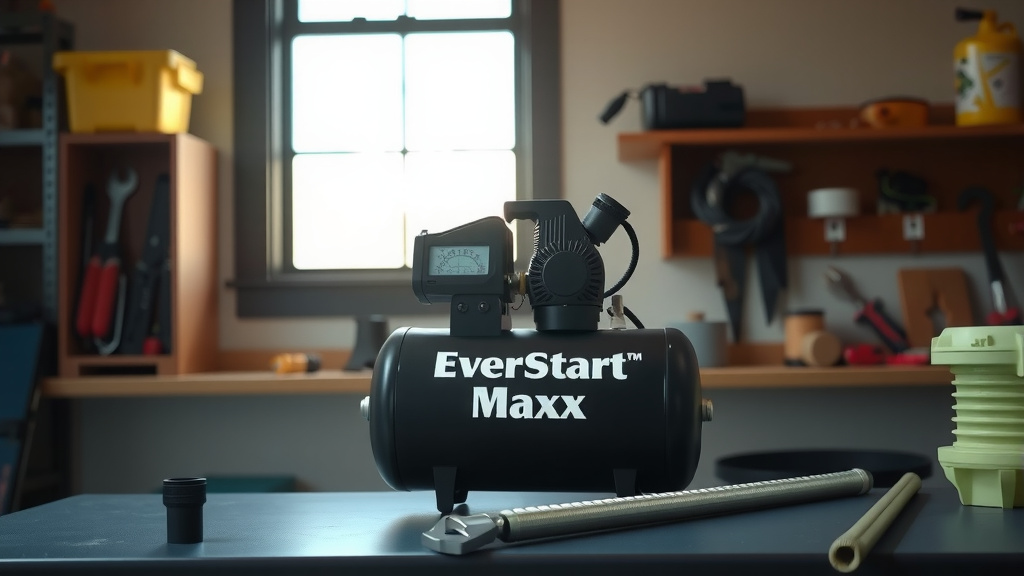
Using your EverStart Maxx Air Compressor involves connecting the proper attachment, setting the desired pressure, and engaging the power switch to inflate tir
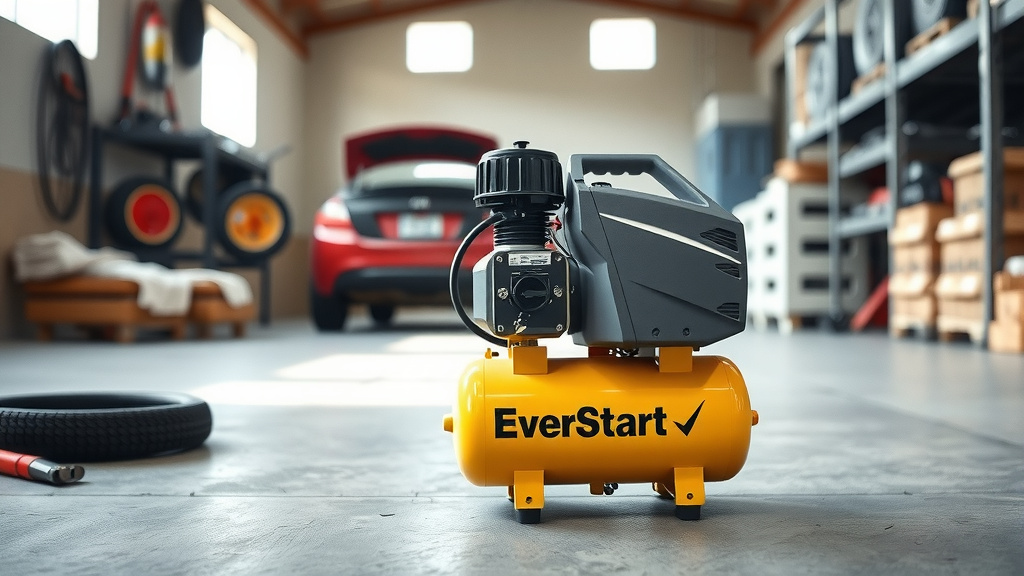
To use your EverStart Air Compressor, first, connect it to a power source and attach the correct nozzle to the hose for your task. Then, power it on, set your
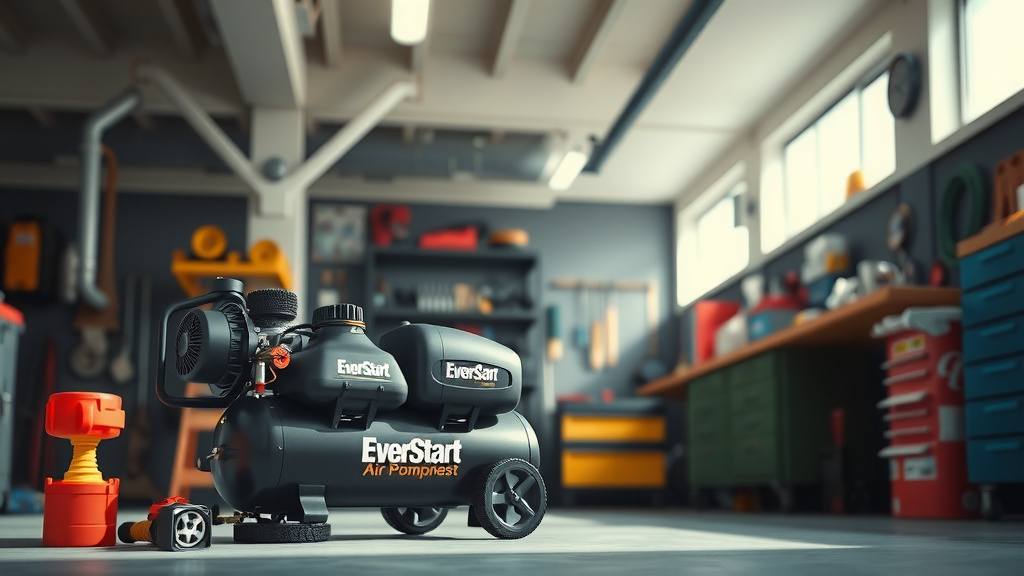
Using an EverStart Air Compressor involves connecting it to power, attaching the correct nozzle, setting the desired pressure, and engaging the compressor to
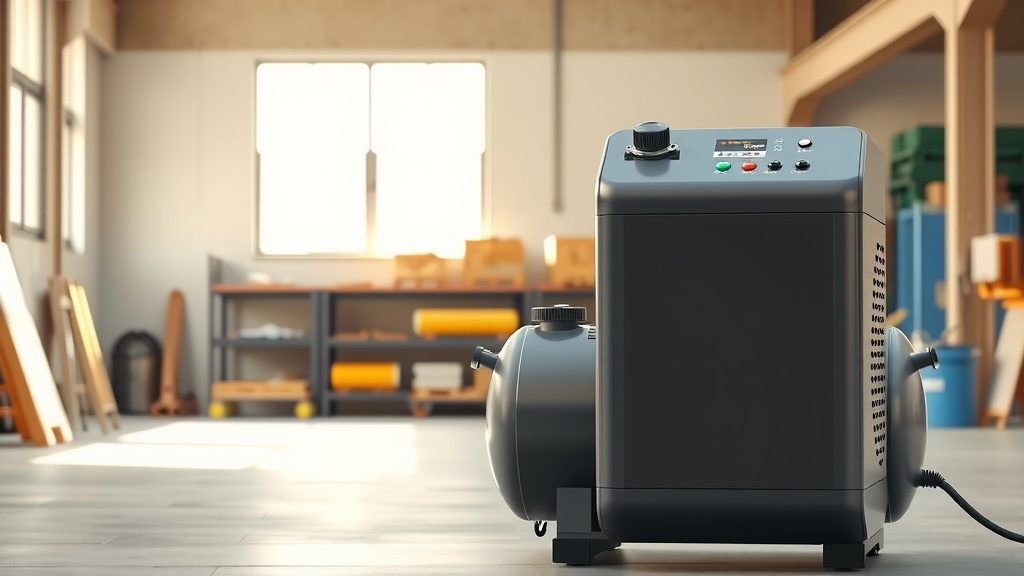
To use an electric air compressor, you first connect the appropriate hose and accessory, then plug it into a power outlet and turn it on. Adjust the pressure
To use a digital air compressor, first ensure it’s plugged in and safe for use. You then connect the appropriate attachment to your item and set the desired p
Using your DeWalt portable air compressor involves a few simple steps, starting with placing it on a stable, level surface. You’ll then connect your air hose
To use your DeWalt pancake air compressor, first connect the air hose to the compressor’s universal quick coupler and attach your air tool securely. Then, plu
To use your DeWalt Air Compressor 4.5 Gallon, first connect your air hose and plug it into a grounded electrical outlet. Next, adjust the pressure regulator t
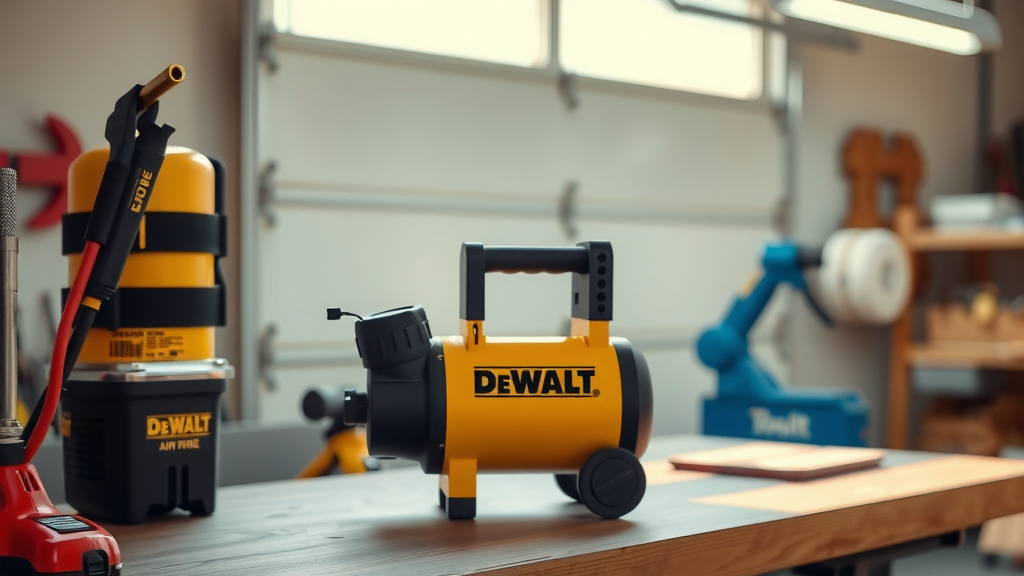
To use a DeWalt air compressor, first ensure it’s placed on a stable surface, connect your air tool to the appropriate hose and quick-connect coupler, then pl
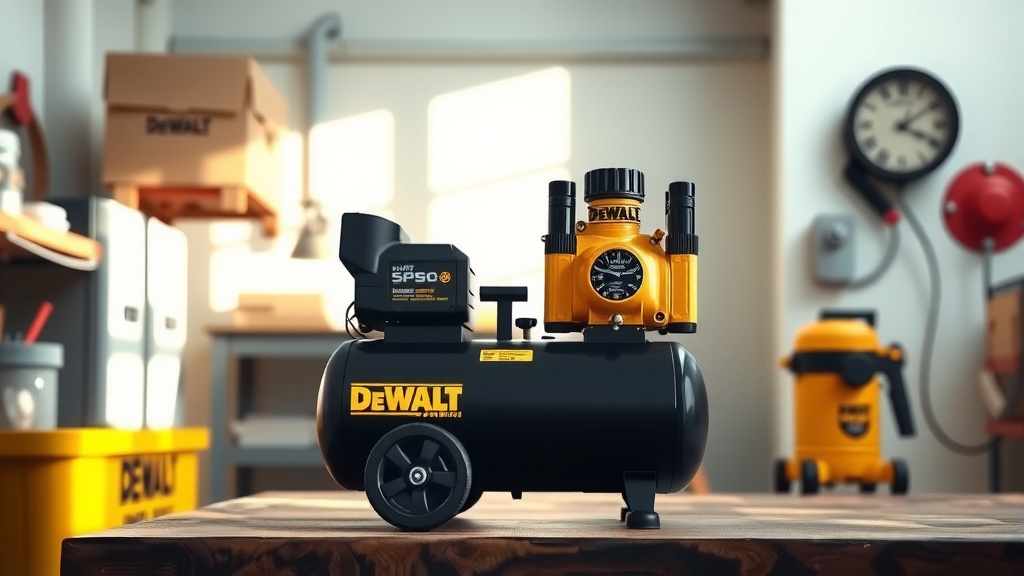
To use your DeWalt 6-gallon air compressor, first connect your air hose and preferred tool, then plug the unit into a grounded outlet. Adjust the regulator to
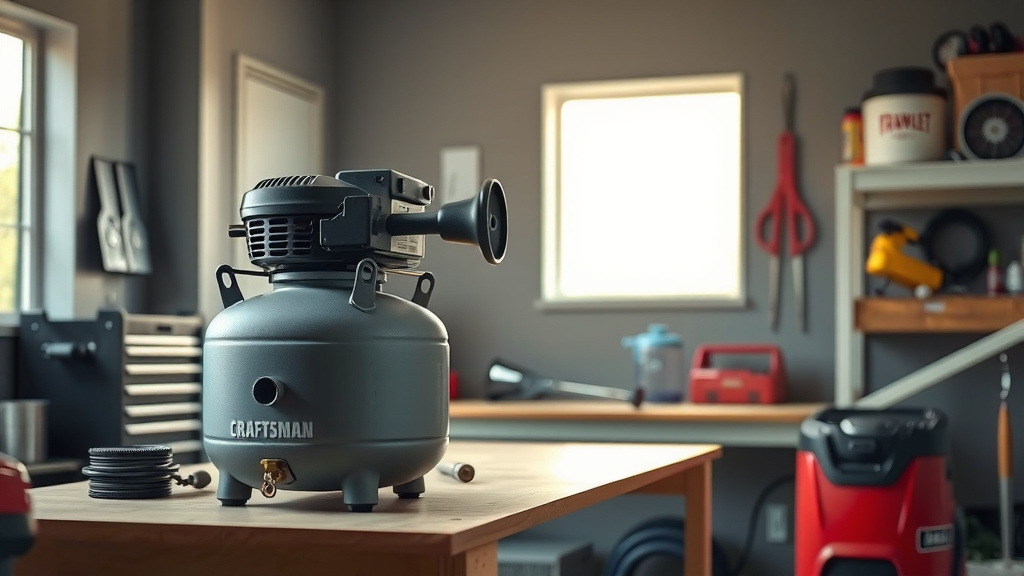
To use a Craftsman pancake air compressor, first ensure it’s on a level surface and plugged into a grounded outlet. Attach your air hose and desired air tool,
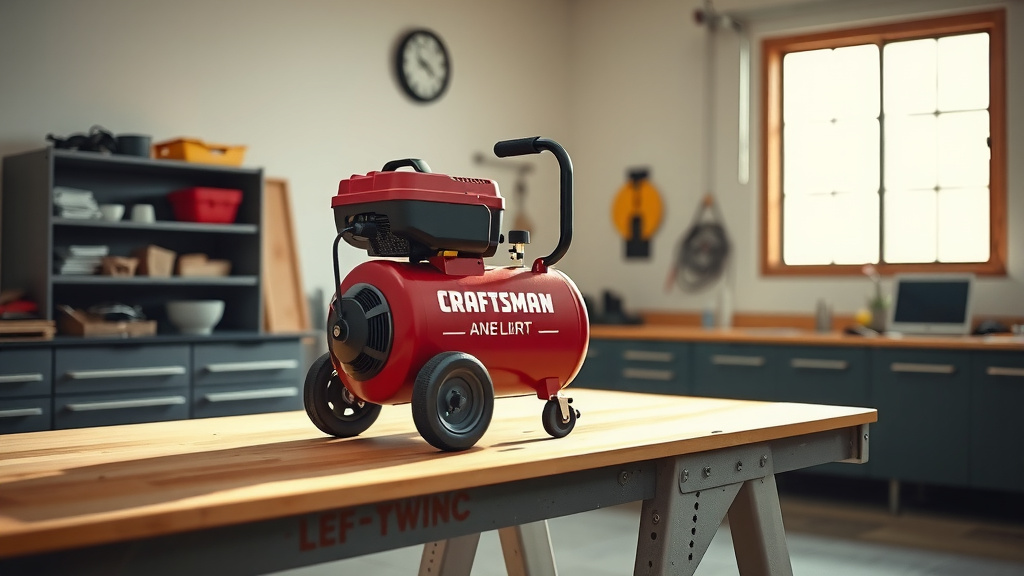
To use your Craftsman air compressor, first ensure it’s on a stable, level surface and plugged into a grounded electrical outlet. Next, securely connect your
The Craftsman 6 Gallon Air Compressor is straightforward to use: first, ensure it’s on a stable, level surface, then connect your air hose and chosen tool. Po
To use your Craftsman 150 PSI Air Compressor, first ensure it’s on a level surface and plug it into a proper electrical outlet. Next, connect your air hose an
To use your Craftsman 125 PSI air compressor safely, always begin by checking its oil level and ensuring all connections are secure. Then, plug in the unit, l
To use a Coleman Powermate air compressor, first ensure it’s on a stable, level surface, then connect your air hose and tool, turn on the power, and adjust th
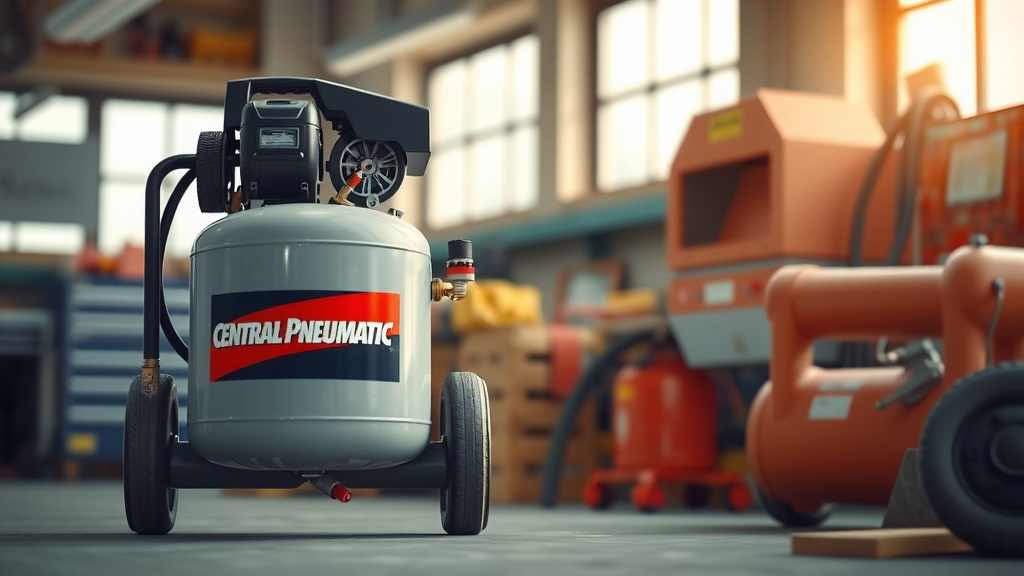
Using your Central Pneumatic 3 Gallon air compressor involves connecting it to power, attaching the right air tool, and adjusting the pressure for your specif
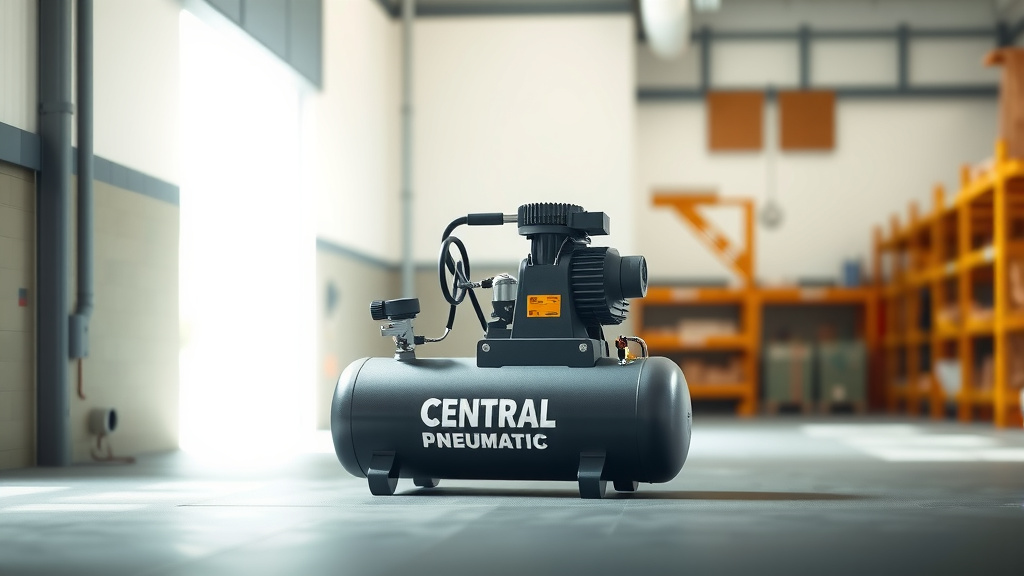
To use a Central Pneumatic air compressor, start by ensuring it’s on a level surface, checking the oil (if applicable), and closing the tank drain valve. You
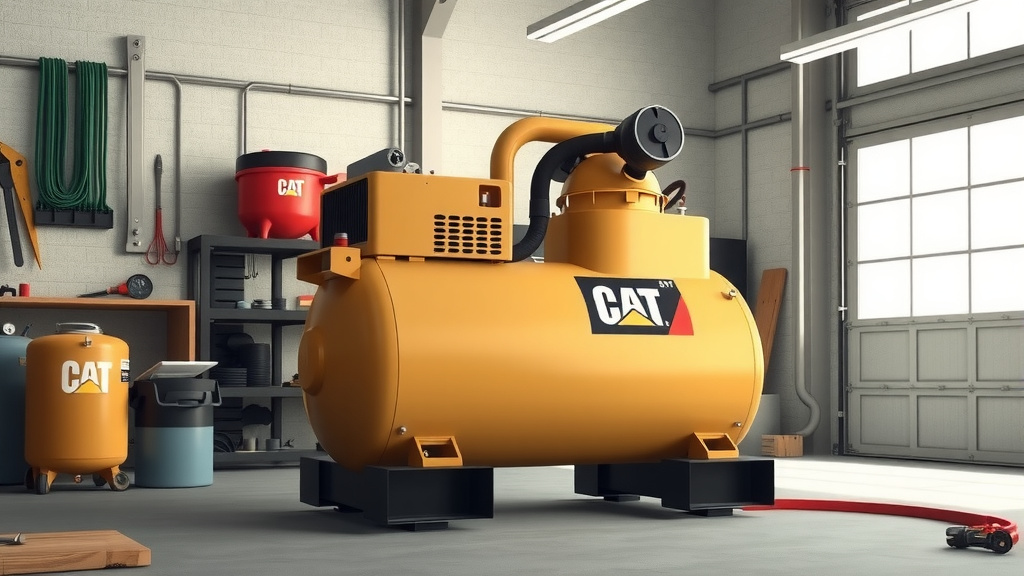
Using a CAT Air Compressor involves a straightforward process of proper setup, safe operation, and routine maintenance to ensure reliable performance. You wil
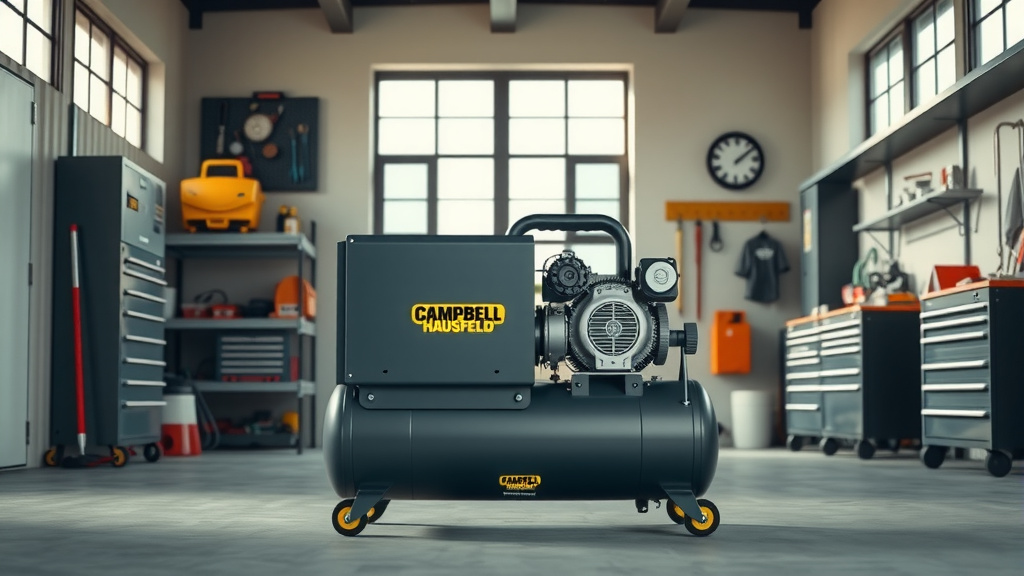
Using your Campbell Hausfeld Air Compressor 110 PSI involves a few straightforward steps: connecting power, checking the oil, attaching the right air tool, an
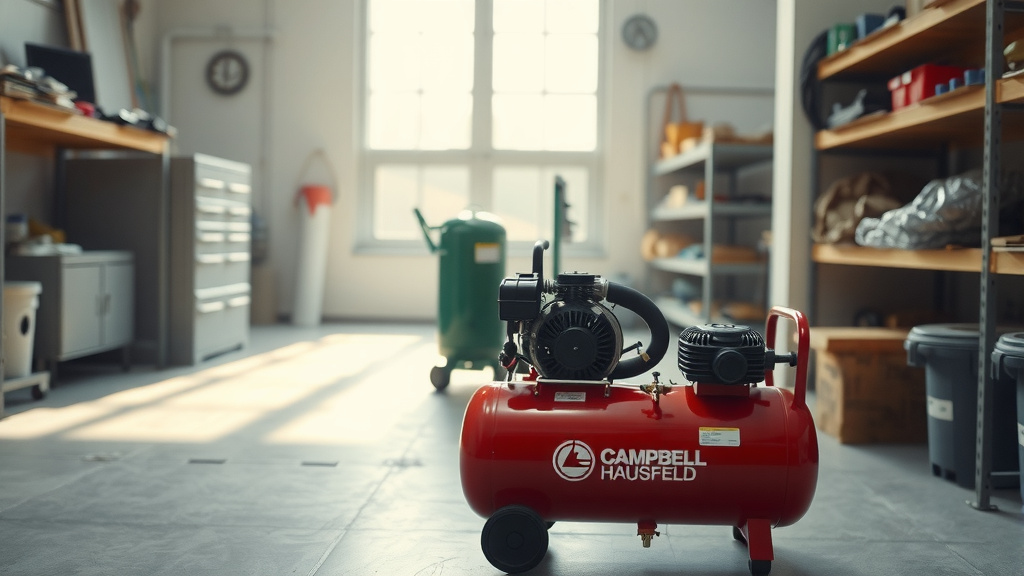
Using a Campbell Hausfeld air compressor involves understanding its parts, following safety protocols, and connecting your tools correctly. You will fill the
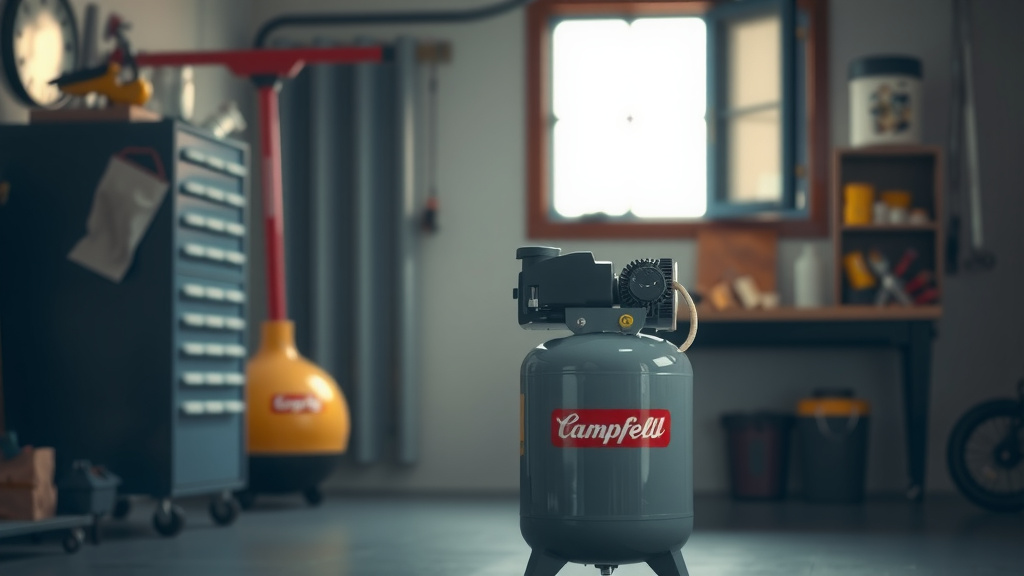
To use your Campbell Hausfeld 2-gallon air compressor, first ensure it’s on a stable, level surface, then connect your air hose and chosen pneumatic tool secu
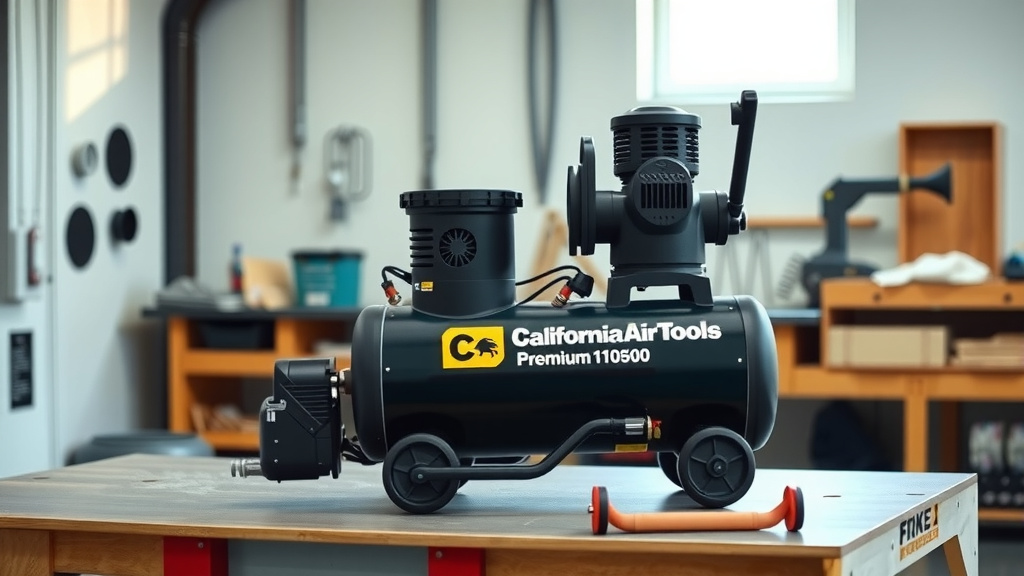
To use your California Air Tools Compressor, connect your air tool to the quick coupler, set the desired pressure with the regulator, and turn on the compress
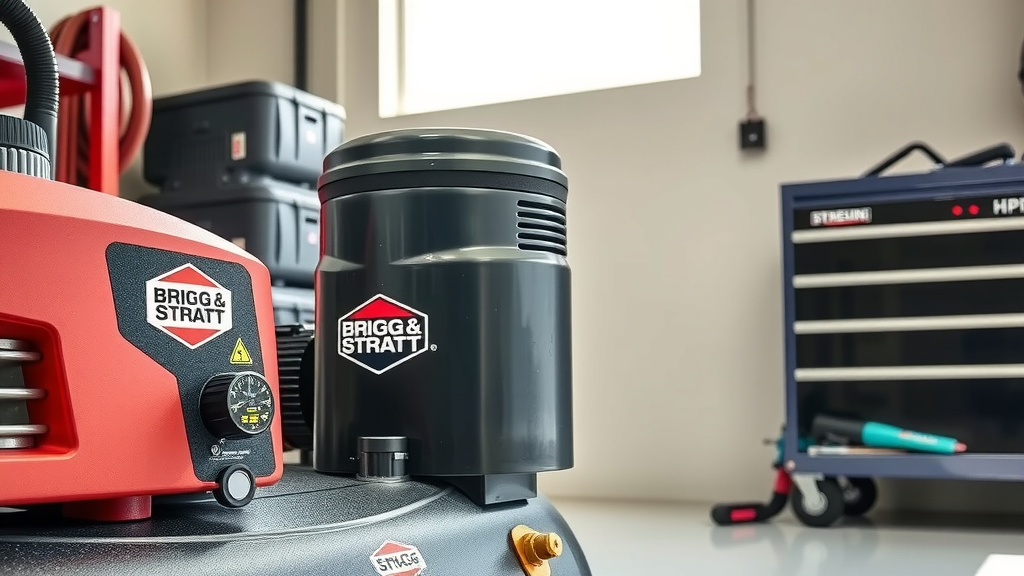
Using a Briggs & Stratton air compressor involves careful setup, understanding its controls, and following safety guidelines. You should always read your spec
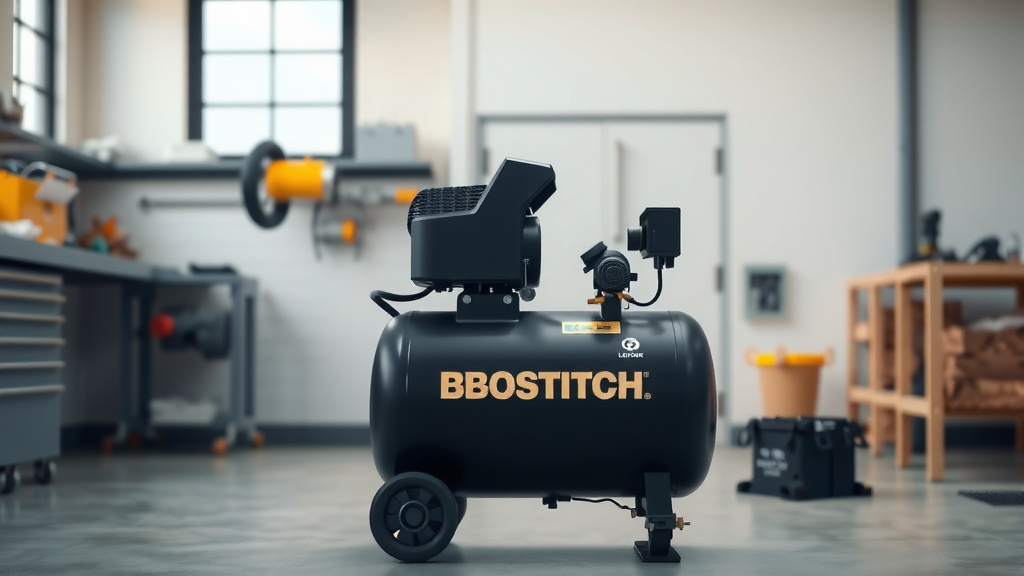
Using a BOSTITCH air compressor involves connecting the air hose and tool, adjusting the pressure regulator, and always prioritizing safety. First, ensure you
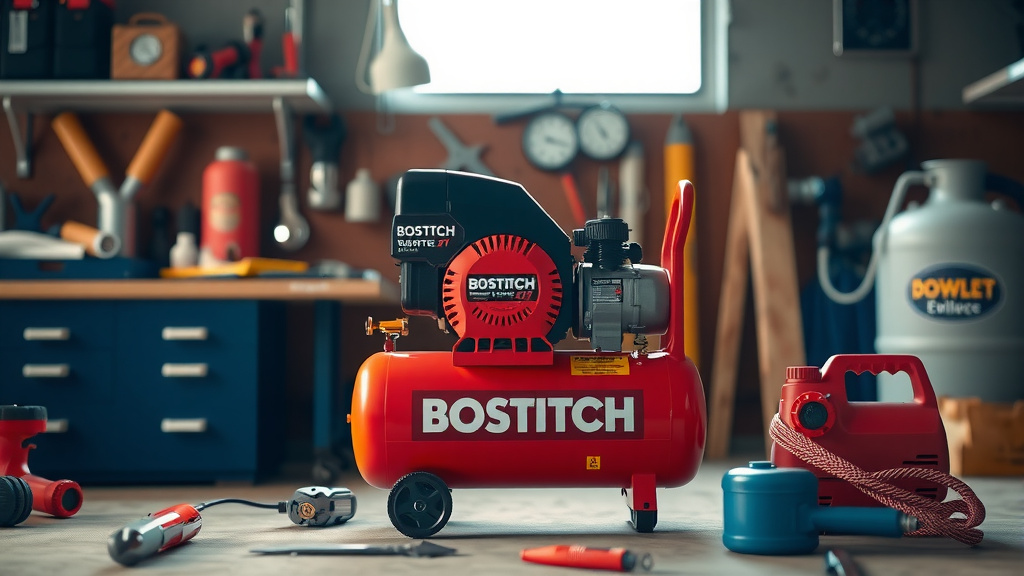
To effectively use your BOSTITCH 6 Gallon Air Compressor, begin by connecting your air tool, then adjust the pressure regulator to the required PSI, and allow
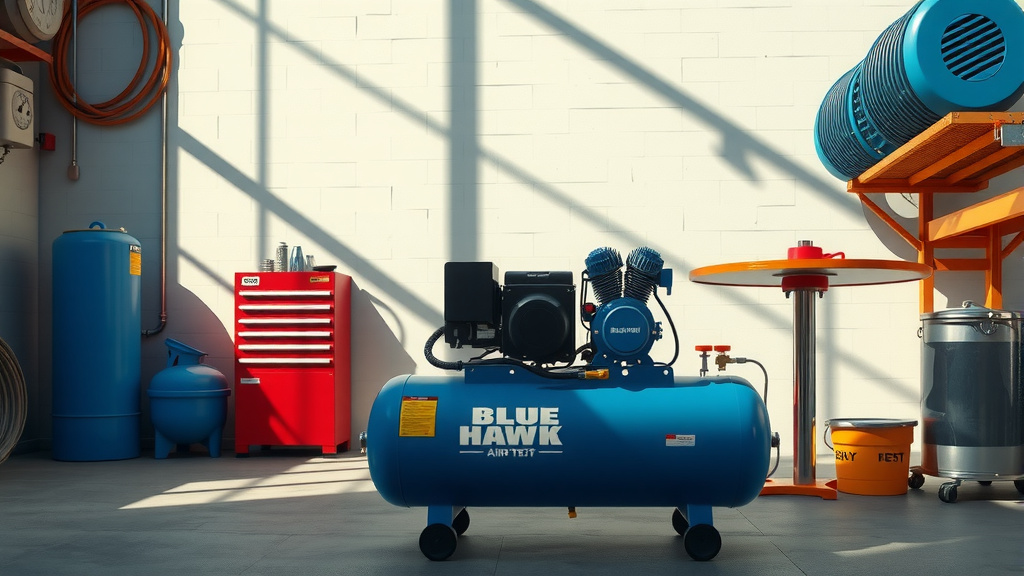
To use a Blue Hawk Air Compressor, first connect it to a grounded power outlet and attach your air tool to the quick-connect coupler. Then, adjust the pressur
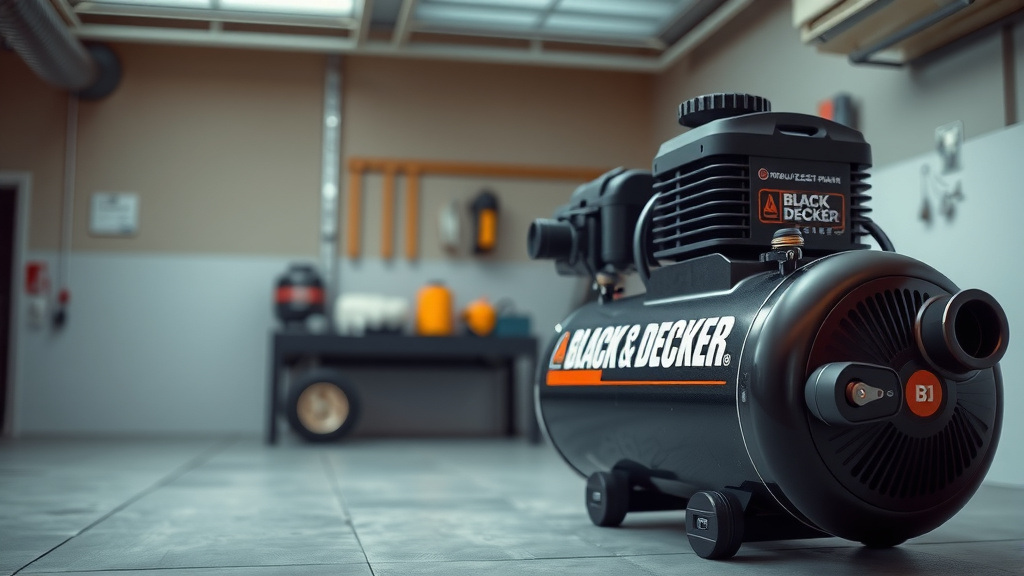
To use a Black & Decker air compressor, first ensure it’s on a stable, level surface, then connect your desired air tool to the hose. Always refer to your spe

To use your Audew Air Compressor, simply attach the hose to the item’s valve, set your desired PSI, and activate the compressor until the target pressure is r
To use your AstroAI air compressor, simply connect it to your car’s 12V power outlet, attach the air hose to the tire valve, set your desired PSI, and press t
To use an ARB air compressor, you generally connect it to your vehicle’s 12V power, attach the air hose to your tire valve, and then activate the compressor t
To use an Anvil air compressor, you first connect it to a power source, attach an air hose to the output, and then secure your chosen air tool. After ensuring
To use an air compressor for the first time, begin by reading your manual and checking safety precautions. Next, connect the appropriate air tool, set the pre
Absolutely, you can use an air compressor without a car! These versatile tools power many different projects around your home, workshop, or even outdoors, far
To use an air compressor, you first connect the appropriate air tool, adjust the pressure (PSI) to your project’s needs, and then activate the compressor. Alw
Using a portable air compressor involves connecting it to power, attaching the right nozzle, setting the desired pressure (PSI), and then inflating your item
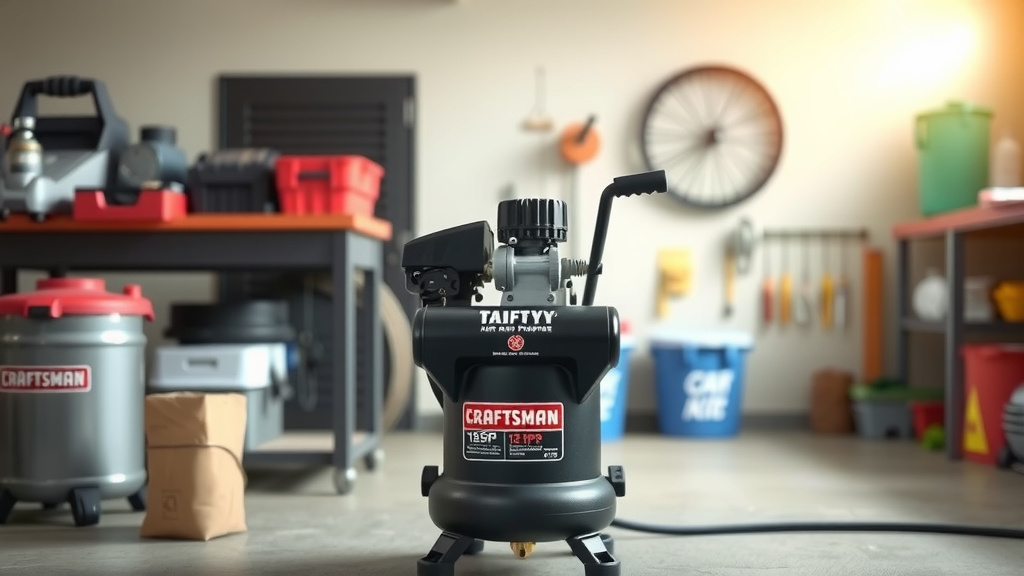
Using a Craftsman 135 PSI air compressor involves connecting the air hose and tool, powering it on, and setting the correct pressure for your task. This versa
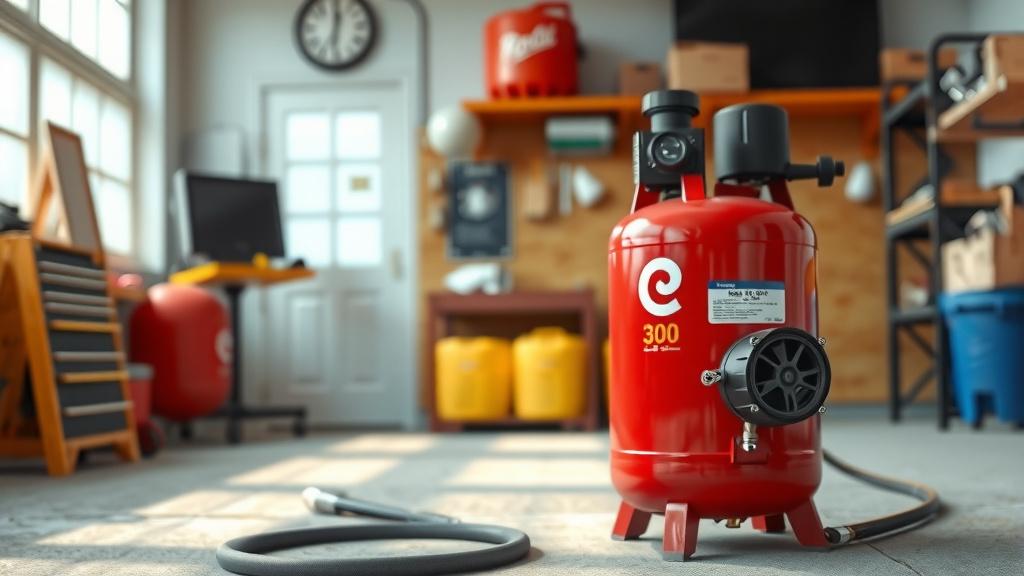
Using a 300 PSI air compressor mainly involves attaching the correct accessory, setting the appropriate pressure, and prioritizing safety for tasks like infla
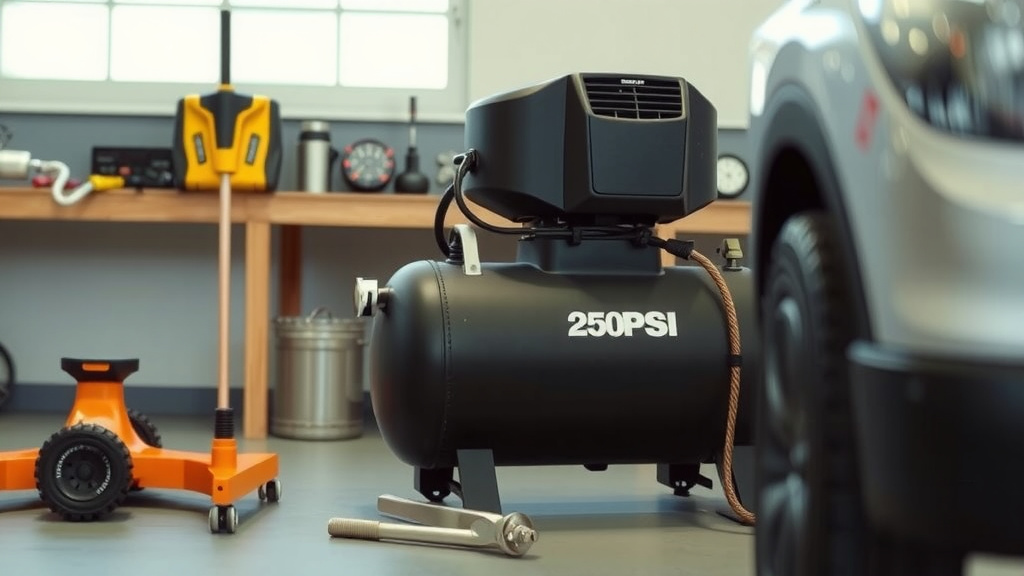
Using a 250 PSI air compressor involves connecting the right high-pressure air tools, ensuring all fittings are secure, and always wearing safety gear to prev
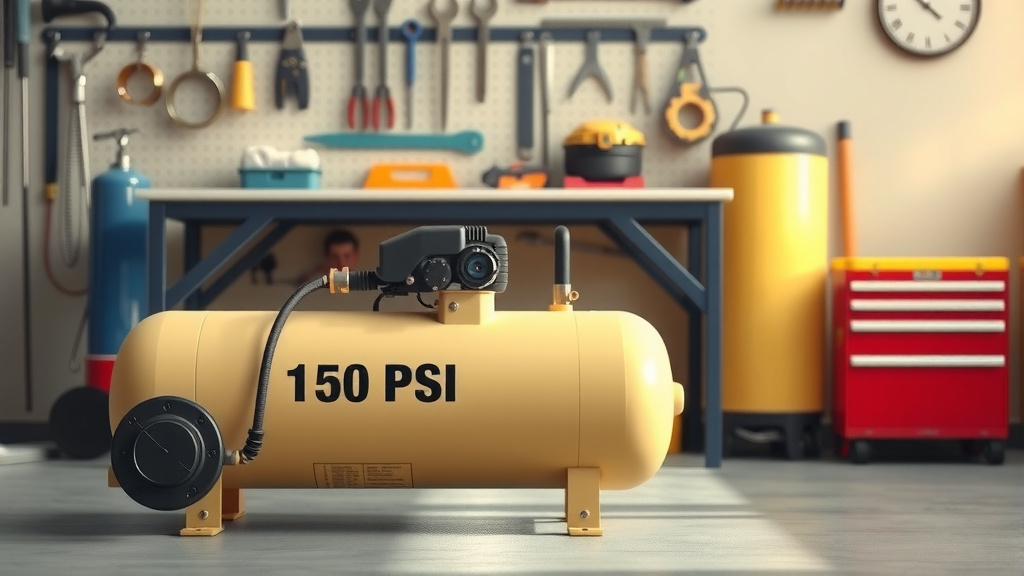
To use a 150 PSI air compressor, first ensure it is placed on a stable, level surface and connected to a grounded power outlet. Then, attach your air tool to…
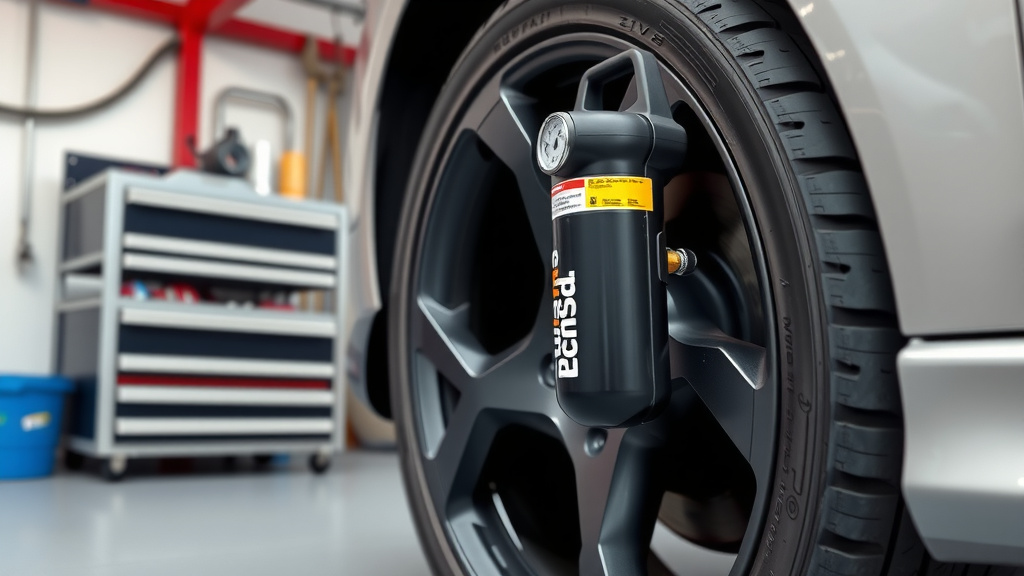
To use a 12V air compressor, you simply connect it to your vehicle’s 12V power outlet (like the cigarette lighter or battery terminals), attach the hose to th
A 12-volt air compressor primarily uses your vehicle’s 12V DC power outlet, also known as a cigarette lighter socket, or direct connection to the battery term
To correctly use an air compressor, always prioritize safety first by wearing appropriate gear and checking your equipment before each use. Proper usage invol