
How To Let Air Out Of Air Compressor?
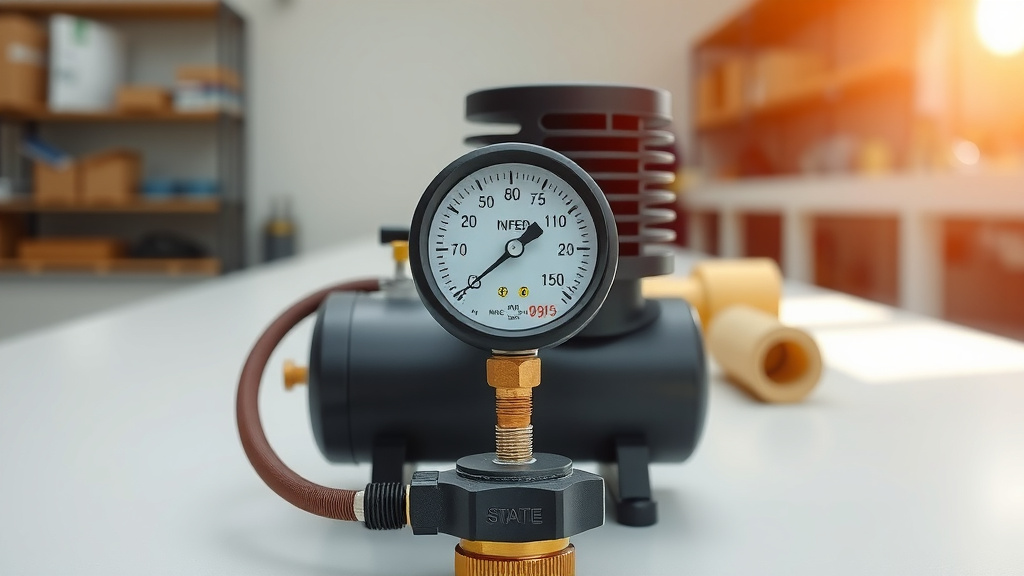
To let air out of an air compressor, the safest and most common method is to slowly open the drain valve located at the bottom of the air tank until all compressed air is released.
Always ensure the compressor is unplugged and depressurized before performing any maintenance or moving it to prevent accidents.
- The quickest way to release air is using the tank drain valve.
- Always prioritize safety by unplugging the compressor and wearing eye protection.
- You can also release air slowly through a tool connected to the regulator or by briefly lifting the safety relief valve.
- Draining air regularly helps prevent moisture build-up and corrosion inside your tank.
- Depressurizing is essential for safe storage, maintenance, and when moving the unit.
How To Let Air Out Of Air Compressor?
Releasing air from your air compressor is a straightforward process, but it requires a careful approach to ensure safety and maintain your equipment. The goal is to bring the tank pressure down to zero, which is especially important before storage or maintenance.
Why Releasing Air Is a Smart Move
You might wonder why you need to let the air out. It’s not just about turning it off; it’s about safety and machine longevity. An air compressor stores a lot of energy, and releasing it properly is a key safety practice.
Beyond safety, removing air also helps manage moisture inside the tank. Compressed air naturally contains water vapor. When cooled, this vapor condenses into liquid water. If left inside, this water can cause rust and internal damage (OSHA guidelines often mention this).
Understanding Compressor Pressure
Your air compressor works by building up pressure, measured in pounds per square inch (PSI). This pressure allows your tools to operate. When you’re done working, that stored pressure needs to go somewhere for the compressor to be truly “off” and safe. Think of it like a soda bottle; you want to slowly release the fizz, not let it explode.
Safety First: Your Number One Priority
Before you touch anything, always remember that safety comes first. A compressor under pressure can be dangerous if mishandled. We always suggest following the manufacturer’s specific safety instructions found in your owner’s manual.
Essential Safety Gear You’ll Need
You’ll want to wear proper gear when working around compressed air. It’s like preparing for a mini construction job. Eye protection, like safety glasses, is a must to guard against any debris or sudden air bursts. Gloves can also offer a bit of extra hand protection.
The Main Methods to Depressurize
There are a few reliable ways to release air from your compressor. The best method depends on your compressor type and why you’re releasing the air. Let’s look at the most common approaches.
Method 1: Using the Drain Valve
This is the most common and recommended method for emptying the entire tank. The drain valve is typically a small petcock or ball valve located at the very bottom of the air tank. It’s designed specifically for this purpose and for removing condensation.
To use it, first unplug your compressor completely. Then, slowly turn the drain valve counter-clockwise. You’ll hear a hiss as air (and likely some water) begins to escape. Stand clear of the escaping air and water. Let it run until all air and water are expelled and the pressure gauge reads zero.
Method 2: Activating the Safety Relief Valve
Every air compressor has a safety relief valve, usually a small ring or knob near the pressure switch. This valve is a critical safety component, designed to release air automatically if pressure gets too high. You can manually lift this ring or pull the knob to release air.
While effective for releasing air, many experts say this method should only be used briefly or in emergencies. Repeated manual use can sometimes cause the valve to stick or become less reliable. It’s like pulling a fire alarm for a quick check; you don’t do it every day.
Method 3: Engaging the Regulator
This method works well if you have a tool still connected to the compressor. Simply set your pressure regulator to a low PSI setting, then operate your air tool for a short time. The air will flow through the tool, reducing the tank pressure gradually. This is a controlled way to release pressure, but it can take longer.
Step-by-Step: Draining Your Air Compressor Safely
Ready to get started? Here’s a simple checklist to guide you through the process, ensuring you cover all the bases.
Preparing Your Compressor for Draining
Before you begin releasing air, a little prep work goes a long way. Make sure your compressor is on a level surface. It helps ensure all water drains effectively. Gather any tools you might need, like a wrench for a stubborn drain valve.
The Draining Process Checklist
- Disconnect Power: Unplug the compressor from its power source. This is the first and most vital step to prevent accidental restarts.
- Wear Safety Gear: Put on your safety glasses and gloves to protect yourself from escaping air and potential rust particles.
- Locate Drain Valve: Find the drain valve at the bottom of the air tank. It often looks like a small spigot or a butterfly valve.
- Position for Drainage: Place a bucket or container beneath the drain valve to catch any water that comes out.
- Open Valve Slowly: Carefully open the drain valve by turning it counter-clockwise. You’ll hear the air hissing out, accompanied by water.
- Wait for Zero Pressure: Allow all air and water to escape until the pressure gauge reads zero. This might take a few minutes.
- Close Valve: Once empty, close the drain valve tightly to prevent future leaks.
Common Mistakes to Avoid
Even simple tasks can have pitfalls. Understanding common mistakes can save you a headache and keep your compressor running smoothly. We found that most problems arise from rushing or neglecting basic safety rules.
| What To Do (Good Practice) | What Not To Do (Common Mistake) |
|---|---|
| Always unplug the compressor before releasing air. | Attempting to drain while the compressor is still plugged in. |
| Open the drain valve slowly to control air release. | Opening the drain valve too quickly, causing a sudden burst. |
| Drain air after every use or at least weekly for heavy use. | Neglecting to drain air and moisture regularly. |
| Wear eye protection and gloves for safety. | Working without appropriate safety gear. |
When Should You Release Air?
The general consensus among air compressor experts is to release air and drain moisture after every use. If you use your compressor frequently, consider doing it daily. For occasional users, once a week or before extended storage is a good rule of thumb. This simple habit adds years to your compressor’s life.
Conclusion
Releasing air from your air compressor is a necessary routine for both safety and maintaining your equipment. By always unplugging the unit, wearing appropriate safety gear, and using the drain valve, you can safely and effectively depressurize your tank. This small act not only prevents accidents but also keeps rust and corrosion at bay, helping your compressor serve you well for many years. Make it a habit; your compressor will thank you.
How often should I release air from my air compressor?
Many manufacturers and experienced users recommend releasing air and draining condensed moisture from your air compressor tank after every use. If you use it less frequently, then at least once a week or before storing it for an extended period is a good practice.
Can I just unplug my air compressor and walk away?
No, simply unplugging your air compressor does not release the stored pressure in the tank. While the motor will stop, the tank remains pressurized, which can be dangerous for storage or maintenance. Always manually depressurize the tank.
What is the purpose of the safety relief valve?
The safety relief valve is a critical safety device designed to automatically release excess air pressure if the tank’s pressure goes above a safe limit. It acts as a last resort to prevent tank rupture due to over-pressurization, protecting both the equipment and the user.
Will draining the air also remove water from the tank?
Yes, when you open the drain valve at the bottom of the air tank, not only does the compressed air escape, but any condensed water that has collected at the bottom of the tank will also be expelled. This is why regular draining is crucial for preventing rust.
Is it normal for air to leak slowly from my compressor after I’ve turned it off?
A slight, slow leak might be normal from the pressure switch unloader valve for a few seconds after the compressor motor stops. However, if air continues to leak from the tank itself (not just the unloader) after being off for a while, it could indicate a faulty check valve or another component issue needing inspection.
