
How To Know If Air Suspension Compressor Is Bad?
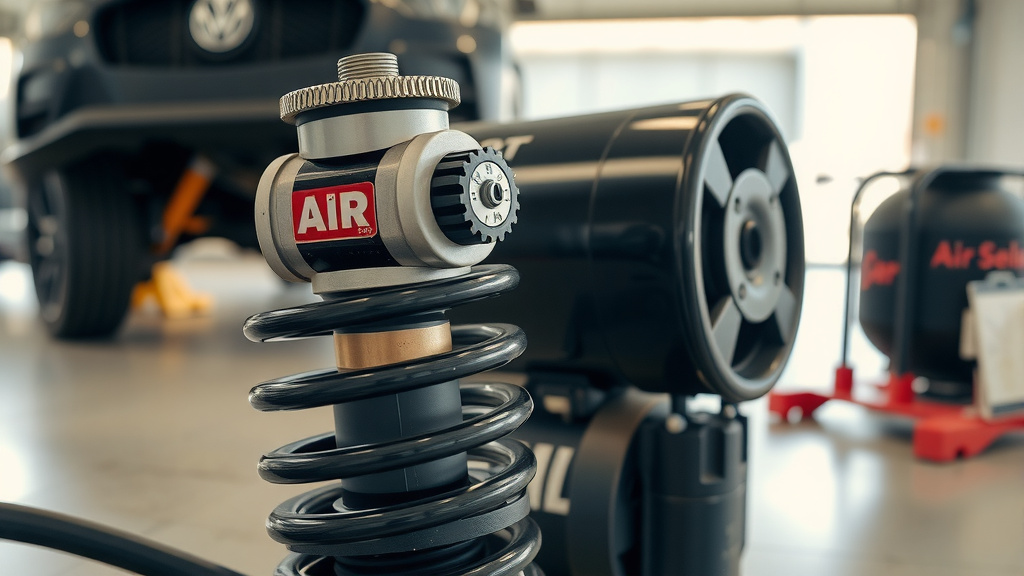
If your vehicle’s air suspension system isn’t working right, you might notice your car sagging, hear unusual noises from under the hood, or see a dashboard warning light. These are key signs to know if your air suspension compressor is bad.
A failing air suspension compressor often struggles to maintain correct ride height, making your vehicle feel bouncy or leaning to one side, indicating it’s time for a check-up.
Let’s get straight to it! Dealing with a bad air suspension compressor can be a real headache. To quickly grasp the core issues, here’s what you absolutely need to know:
- Your car might look like it’s leaning or sitting too low, especially after parking.
- You could hear the compressor running louder or more often than usual, or not at all.
- A dashboard warning light, often related to suspension or air system, will likely pop up.
- The ride quality might feel bouncy or unusually stiff, making every bump a big deal.
- Your vehicle might take a long time to adjust its height, or fail to do so altogether.
How To Know If Air Suspension Compressor Is Bad?
Knowing if your air suspension compressor is bad often starts with observing your vehicle’s posture and listening for odd sounds. If your car isn’t sitting level or you hear strange noises, your compressor might be struggling.
Is Your Vehicle Sagging or Uneven?
One of the most obvious signs we found is a vehicle that sits lower than it should. You might notice it after leaving your car parked overnight. Does one corner look like it’s taking a nap? Or perhaps the whole front or back end seems to have dropped? This ‘sagging’ means the air springs aren’t getting enough pressure, which points to compressor trouble (automotive service guides).
Unusual Noises From the Compressor
Your air suspension compressor has a job to do, and usually, it does it quietly. If you start hearing a loud humming, grinding, or clunking noise coming from where the compressor is located (often under the hood or near a wheel well), that’s a red flag. A healthy compressor makes a gentle whirring sound. A struggling one, however, can be quite vocal about its problems.
Compressor Running Constantly
Imagine someone trying to fill a leaky balloon. They’d have to keep blowing, right? That’s what happens when your compressor runs non-stop. If you notice your air suspension compressor never seems to turn off, it’s a strong indicator. It’s likely working overtime to compensate for an air leak in the system or because it’s simply too weak to build pressure efficiently (vehicle repair manuals).
Dashboard Warning Lights Are On
Modern vehicles are smart; they tell you when something is wrong. If you see a suspension warning light or an air system fault indicator on your dashboard, pay attention. This light is often your car’s way of saying, “Hey, something is off with the air suspension, and the compressor is a prime suspect.”
Slow or No Ride Height Adjustment
The beauty of air suspension is its ability to adjust your ride height. If your vehicle takes an unusually long time to raise itself, or worse, fails to adjust its height at all, your compressor might be losing its pumping power. It’s like trying to inflate a tire with a weak pump; it just won’t get the job done properly.
Feeling a Bouncier or Stiffer Ride
A good air suspension system offers a smooth, comfortable ride. If your vehicle suddenly feels much bouncier over bumps, or surprisingly stiff, it could mean the air springs aren’t inflated correctly. When the compressor fails, it can’t maintain the right air pressure, directly affecting your comfort and handling (auto mechanics often point this out).
Blown Fuses or Electrical Issues
Sometimes, a bad compressor can draw too much current, leading to repeatedly blown fuses in the air suspension circuit. If you’re constantly replacing fuses related to your suspension system, it’s worth checking the compressor. Electrical problems can be tricky, but often point back to a component trying too hard or shorting out.
Visible Signs of Damage or Corrosion
While often hidden, sometimes you can spot trouble. If you can safely inspect your compressor, look for visible signs of damage, rust, or corrosion. Any physical wear and tear can certainly affect its performance. We found that water intrusion or road salt exposure can significantly shorten a compressor’s lifespan.
Quick Check-up: What Can You Do?
Before rushing to a mechanic, here’s a quick checklist of things you can observe or easily check:
- Listen carefully: Do you hear the compressor when you start the car or after opening a door?
- Observe your vehicle’s stance: Is it level? Does it sag after being parked?
- Check your dashboard: Are there any warning lights related to suspension?
- Look for leaks: Can you hear any hissing sounds near the air springs or lines?
- Inspect visually: Any obvious damage or loose connections around the compressor?
Comparing Compressor Sounds: Good vs. Bad
Here’s a quick guide to help you distinguish between a healthy compressor and one that might be failing:
| Compressor Condition | Typical Sounds | What It Means |
|---|---|---|
| Healthy | Gentle hum or whirring, short duration. | Normal operation, efficiently building pressure. |
| Failing | Loud grinding, rattling, clunking, or excessive vibrating. | Internal wear, failing motor, or damaged components. |
| Overworking | Constant running, extended loud humming. | System leak, compressor struggling to meet demand. |
| Completely Failed | No sound at all when it should be active. | Motor failure, relay issue, or no power reaching it. |
When to Get Professional Help
While some observations are easy, diagnosing a compressor can be complex. If you notice any of these signs, especially multiple ones, it’s often best to consult a qualified mechanic. They have specialized tools and knowledge to accurately pinpoint the issue. Ignoring a failing compressor can lead to more serious and costly repairs down the road, potentially damaging other parts of your air suspension system.
Common Causes of Compressor Failure
Compressors, like any mechanical part, wear out. Many experts say that age and continuous operation are primary culprits. Moisture getting into the system can also cause corrosion and damage to internal components. Sometimes, a faulty relay or a small air leak elsewhere in the system forces the compressor to work harder than it should, eventually causing it to burn out.
Conclusion
Recognizing the signs of a bad air suspension compressor early can save you a lot of hassle and expense. From noticing your vehicle sagging to hearing strange noises or seeing dashboard lights, these clues are your vehicle’s way of asking for help. Paying attention to these signals and acting promptly will keep your ride smooth and your suspension system healthy. Remember, a little observation goes a long way in maintaining your vehicle’s performance.
FAQs About Air Suspension Compressor Issues
Is it safe to drive with a bad air suspension compressor?
Driving with a bad air suspension compressor is generally not recommended for extended periods. It can lead to an uneven ride height, poor handling, and increased wear on other suspension components and tires. While you might manage a short trip, it’s best to get it checked quickly to avoid safety risks and further damage.
How long do air suspension compressors typically last?
The lifespan of an air suspension compressor can vary widely based on vehicle make, driving conditions, and maintenance. On average, many compressors last between 60,000 to 100,000 miles. However, factors like frequent heavy loads or constant use in harsh climates can shorten this lifespan.
Can a bad air suspension compressor affect other parts of my car?
Absolutely. A failing compressor means the air springs aren’t getting proper pressure. This can lead to uneven tire wear, premature failure of other suspension components like shocks and struts due to abnormal stress, and even affect your vehicle’s alignment and braking performance. It’s a interconnected system.
What’s the difference between a bad compressor and an air leak?
A bad compressor can’t produce or maintain enough air pressure. An air leak, often in an air spring or line, allows air to escape, causing the compressor to overwork. Both result in low ride height, but the cause is different. A mechanic can perform a leak test to distinguish between these two common issues.
How much does it cost to replace an air suspension compressor?
The cost to replace an air suspension compressor can differ significantly based on your vehicle’s make and model, the part cost, and labor rates. We found that prices often range from a few hundred dollars to well over a thousand, including parts and installation. Getting quotes from a few reputable shops is always a good idea.
