How to Get Compressed Air
You get compressed air by using an air compressor, then routing air through a hose and matching fittings to your tool. Choose equipment based on the tool's air demand, required pressure, hose length, and connection type.
On this page (11 sections)
- What equipment do you need to get compressed air?
- How does an air compressor make compressed air?
- How do you choose a compressor for your tool?
- What hose should you use for compressed air?
- How do couplers and plugs connect the hose to a tool?
- Which plug works with an M-style coupler?
- How do you set up compressed air safely?
- How can you get compressed air for tires?
- Can you use compressed air for cleaning?
- How do you prevent leaks and moisture problems?
- What is the simplest way to choose your setup?
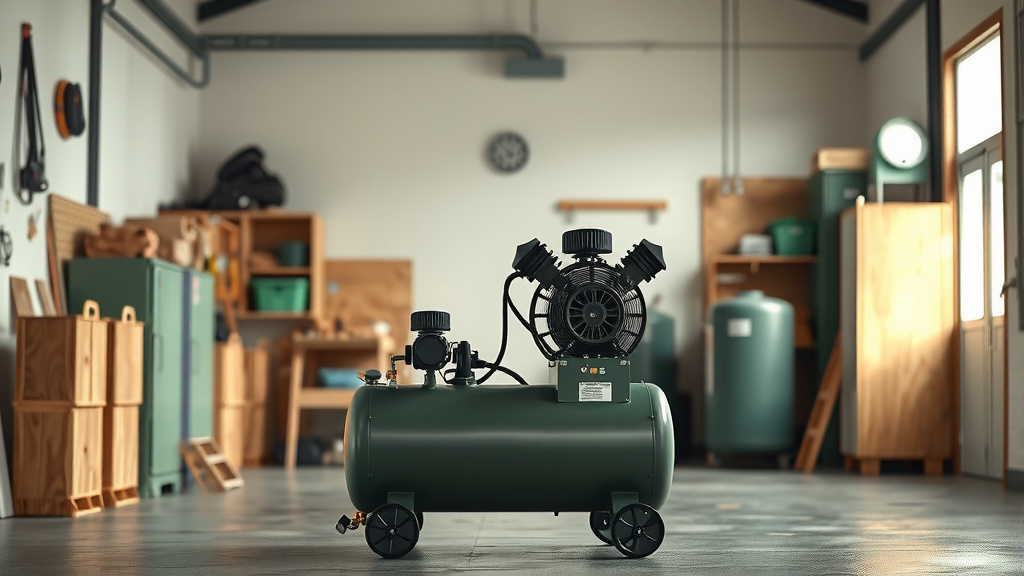
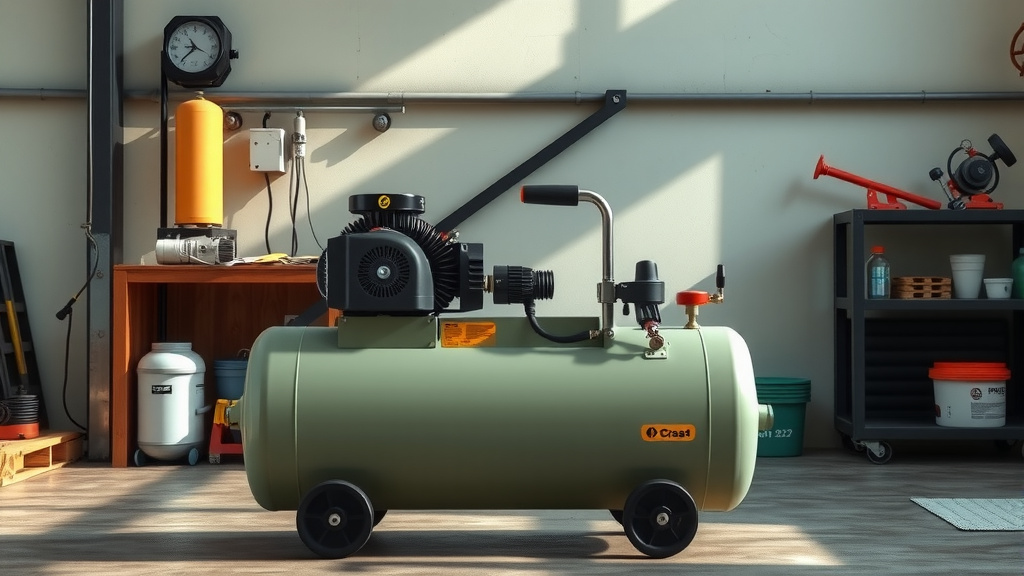
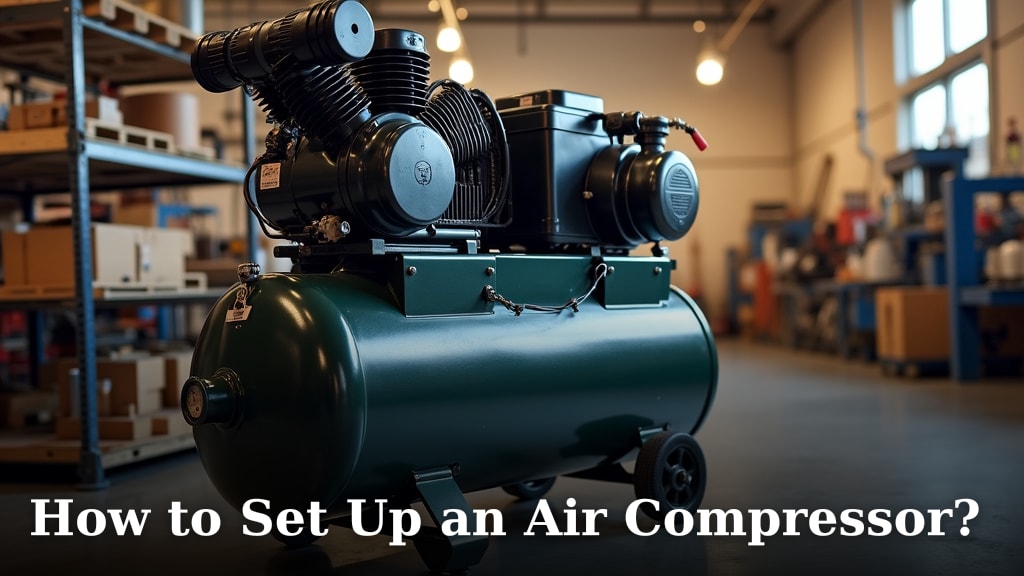
You get compressed air by using an air compressor, an air hose, and matching fittings. The compressor stores and pressurizes air, the hose carries it, and the fitting connects the hose to a tool, tire chuck, blow gun, or other attachment.
For a home workshop, start by checking the tool's required pressure and airflow. Then choose a compressor that can meet those needs, add a hose long enough for your work area, and use fittings with matching thread and connection styles.
What equipment do you need to get compressed air?
You need a compressor, hose, coupler, plug, and tool connection for a normal compressed-air setup. A regulator helps you control outlet pressure, while a filter or moisture separator can help when the tool or finish requires cleaner, drier air.
The compressor is the air source. Portable models suit inflation, small cleaning jobs, and short tool use.
Larger shop compressors are better when a tool runs for longer periods or needs a steady supply of air.
The hose connects the compressor to your work area. Select its length and inside diameter based on the distance and airflow needed.
A hose that is too short limits movement, while an unnecessarily long hose adds storage work.
The coupler and plug form the quick connection. The coupler stays on the hose or supply side, while the plug attaches to the tool or accessory.
Both parts must use the same connection style.
For a full overview of the operating sequence, see How to Use an Air Compressor?.
How does an air compressor make compressed air?
An air compressor draws in normal air, compresses it, and stores it in a tank or sends it toward an outlet. A motor drives the pump, and controls turn the compressor on and off as pressure changes.
The tank provides a reserve of pressurized air. That reserve can cover short bursts of tool use, but it doesn't mean the compressor can run an air-hungry tool continuously.
The compressor's airflow rating matters as much as its maximum pressure. Pressure describes the force available, while airflow describes how much air the compressor can deliver over time.
Read How An Air Compressor Works? to understand the pump, tank, pressure switch, and outlet in more detail.
How do you choose a compressor for your tool?
Choose a compressor by matching airflow, pressure, duty pattern, and power source to the tool. A tool that runs in short bursts is easier for a small compressor to support than one that consumes air continuously.
Check the tool's required pressure first. The compressor must reach that pressure at the outlet, and the regulator should let you set a safe working level.
Next, check the tool's airflow requirement. If the tool needs more air than the compressor can supply, the tank may empty quickly and the compressor may run constantly.
Think about how you work. Tire inflation and short cleaning tasks usually need less sustained airflow than spray guns, impact tools, or grinders.
For those jobs, a larger compressor and suitable hose can reduce interruptions.
Don't choose only by tank size. A large tank stores more air, but the pump's delivery rate still controls how quickly the system recovers.
What hose should you use for compressed air?
Use a hose that has enough length, a suitable inside diameter, and a pressure rating above your working pressure. The hose should also have fittings that match your compressor and tool connections.
The Flexzilla Air Compressor Hose is a 3/8 in. x 50 ft. hose with 1/4 in. MNPT fittings, a flexible hybrid polymer construction, and a 300 PSI maximum working pressure.
Flexzilla describes this hose as flexible from -40° to 140°F. It is designed to coil easily, lay flat, and resist kinking under pressure.
Its outer cover is abrasion resistant, and its aircraft aluminum fittings have bend restrictors.
The 50 ft. length gives you more reach than a short bench hose, but it also takes more room to store. Measure your work area before choosing the length, and keep the hose away from vehicle tires, sharp corners, hot surfaces, and moving equipment.
How do couplers and plugs connect the hose to a tool?
A coupler receives a plug and creates the quick connection between the air supply and the tool. The coupler and plug must use the same style, and their threads must match the hose, compressor outlet, or tool.
The Milton 716 is a box of 10 M-style 1/4 in. male NPT air fitting quick-connect couplers. It has a brass body, Buna-N seals, and a maximum flow of 40 SCFM.
Milton describes its M-style coupler as compatible with Milton M-style, ColorFit M-style, and red competitor couplers and plugs. The coupler is rated for 300 PSI inlet pressure and temperatures up to 250°F.
This set suits a workshop that needs several matching couplers or replacement pieces. Before installation, confirm that your existing plugs use the same M-style connection and that the 1/4 in.
NPT thread fits the part receiving it.
For connection steps and pressure checks, read What Is The Correct Way To Use An Air Compressor?.
Which plug works with an M-style coupler?
Use an M-style plug with an M-style coupler, then verify the thread and pressure requirements. The plug should be installed securely, and the connection should be checked for leaks before the tool is used.
The Milton Industrial Air Plug is a pack of 10 M-STYLE 1/4 in. MNPT air compressor fittings.
It is made from alloy steel and has a maximum inlet pressure of 300 PSI, maximum airflow of 40 SCFM, and maximum temperature of 250°F.
Milton describes the plug as compatible with Industrial M-Style couplers and compliant with military specification MIL-C-4109. Its precision-machined connection is intended to support an airtight connection when the matching coupler and thread are used correctly.
A 10-piece pack makes sense when you are fitting several tools or keeping spares available. It doesn't replace the coupler, so plan the two sides of each connection before buying.
How do you set up compressed air safely?
Set up the compressor on a stable surface, inspect the hose, connect matching fittings, and set pressure before using the tool. Keep the outlet closed while you check the system.
Follow these steps:
- Place the compressor where air can circulate around it.
- Check the hose for cuts, bulges, crushed areas, or damaged fittings.
- Confirm that the coupler and plug use the same connection style.
- Attach the hose to the compressor outlet with the air supply off.
- Connect the tool or accessory to the other end.
- Set the regulator to the tool's required pressure.
- Open the supply slowly and listen for escaping air.
- Stop and correct the connection if you hear a strong leak.
The compressor and hose ratings must support the pressure you plan to use. A fitting's maximum rating doesn't make every connected component safe at that pressure.
Use How to Set Up an Air Compressor? for a more detailed setup sequence.
How can you get compressed air for tires?
For tires, connect a tire chuck or inflator to the hose, set the compressor pressure within the equipment's limits, and inflate in short checks. Use the vehicle or tire manufacturer's recommended tire pressure rather than the compressor's maximum pressure.
Keep the chuck seated on the valve stem and watch the gauge while filling. If the hose or fitting becomes damaged, stop using it and release pressure before making changes.
A portable compressor can suit occasional tire inflation, while a tank compressor gives you stored air for repeated use. The right choice depends on the number of tires, the required pressure, and how often you need to inflate them.
Can you use compressed air for cleaning?
Compressed air can help remove loose dust and debris from suitable surfaces, but you must control the pressure and direct the air away from people. Small parts can become projectiles, and dust can move into eyes, lungs, bearings, or sealed equipment.
Wear eye protection and keep your hands clear of the outlet. Don't use compressed air to clean skin or clothing, and don't blow debris toward another person.
For household ideas and limits, see What Can You Use Compressed Air for Around the House?.
How do you prevent leaks and moisture problems?
Prevent leaks by using matching threads, sound seals, fully seated connections, and a hose without damage. A leak can make the compressor run more often and reduce the air available to the tool.
Turn off the compressor and release pressure before tightening, replacing, or rearranging fittings. Never try to repair a pressurized hose or coupler.
Moisture can collect as compressed air cools inside the system. Drain the compressor tank according to its instructions, and use a filter or moisture separator when your tool or finish needs cleaner air.
Store the hose loosely without tight bends. Keep plugs and couplers clean, and replace seals or fittings that no longer hold a connection.
What is the simplest way to choose your setup?
For short inflation and light tasks, choose a compressor with a suitable hose and basic matching fittings. For regular tool use, focus on the tool's airflow demand and choose a hose that gives enough reach without restricting movement.
Choose the Flexzilla hose when you need 50 ft of reach, flexible hybrid polymer construction, and 300 PSI working pressure. Choose the Milton couplers when you need several brass M-style 1/4 in. male NPT connections.
Choose the Milton plugs when you need several alloy steel M-style 1/4 in. MNPT connections.
The core answer to how to get compressed air is simple: match the compressor, hose, coupler, plug, and tool as one system. Then use How To Use Air Compressor? to follow the operating and shutdown steps safely.
Frequently asked questions
What is the easiest way to get compressed air at home?
The easiest method is a portable air compressor with a hose and the correct fitting for your tool. Check the tool's required pressure and air volume first, then choose a compressor that can supply those needs.
For occasional inflation, a small compressor may be enough; air-hungry tools need more capacity.
Can you get compressed air without a compressor?
Yes, small disposable air cans or pressurized containers can supply limited bursts, but they are not a practical source for most pneumatic tools. A compressor is the better choice when you need repeated airflow, adjustable pressure, tire inflation, cleaning, or workshop tools.
What parts do you need to use compressed air?
Most setups need an air compressor, air hose, coupler, plug, and a fitting that matches the tool. You may also need a regulator, filter, or moisture separator depending on the tool and the compressor.
Match thread type, connection style, pressure rating, and airflow needs before connecting anything.
How do you safely connect compressed air?
Turn off the compressor and release pressure before changing fittings. Inspect the hose and connections, use matching fittings, secure each connection, and set the regulator to the tool's required pressure.
Keep the hose away from sharp edges, heat, moving parts, and people before opening the air supply.