
What Can You Use Compressed Air for Around the House?

Yes, you can use compressed air for a surprising number of tasks around your home. It’s a fantastic tool for cleaning electronics, removing dust from hard-to-reach places, and even helping with small DIY projects. Think of it as your personal dust bunny vanquisher.
Beyond just blowing dust, compressed air can help you with seasonal cleaning and maintaining your tools. Many people discover its usefulness for everything from cleaning car vents to clearing out cobwebs. We found it’s a surprisingly versatile item to keep on hand.
- Clean keyboards and electronics
- De-dust vents and fans
- Clear away cobwebs
- Help with craft projects
- Maintain tools and machinery
Ready to see just how handy this can be? Let’s walk through the many ways compressed air can make your household chores a little easier.
Handy Household Uses for Compressed Air
Compressed air is more than just a can of chilly gas. It’s a versatile tool for cleaning and maintenance tasks all around your home. You might be surprised at how many dusty, hard-to-reach spots it can tackle. Let’s discover some of its most practical household applications.
Tackling Dust and Debris in Electronics
Electronics are magnets for dust. Dust can clog fans and vents, causing devices to overheat. Compressed air offers a powerful yet gentle way to clear this out. You can safely dislodge dust without touching sensitive components. This is especially useful for computer components and other gadgets.
Cleaning Your Computer Keyboard
Your keyboard can become a graveyard for crumbs and dust bunnies. Compressed air is perfect for getting them out. Hold the can upright and use short bursts. Aim between the keys to blow out debris. You can even tilt your keyboard to let the dust fall out easily. This keeps your keyboard hygienic and functional.
Dusting Inside Your Computer Tower
Opening up your computer tower can seem daunting. However, regular dusting is important for its health. Use compressed air to blow dust away from fans, heatsinks, and circuit boards. Do this in a well-ventilated area. It’s a good idea to ground yourself before touching anything inside. This prevents static discharge. Many people find this helps their computer run cooler.
Refreshing Other Electronics
Think beyond your computer. Game consoles, printers, and even your TV’s ventilation slots can collect dust. Compressed air can help keep these devices running smoothly. For your TV, gently blow dust from the back and side vents. This helps prevent overheating and extends the life of your electronics. Always ensure devices are powered off and unplugged first.
Household Cleaning Beyond Electronics
The cleaning power of compressed air extends far beyond your tech gadgets. It’s a fantastic tool for general household tidying. You can use it to reach places that mops and cloths can’t.
Clearing Out Vents and Fans
Your home’s air vents and ceiling fans accumulate dust quickly. This dust can then circulate throughout your house. Use compressed air to blow dust out of vent grates. You can also use it to clean fan blades without scattering dust everywhere. For fans, a quick blast can remove accumulated grime. This improves air quality and makes your rooms feel fresher.
Reaching Those Awkward Corners
Are there nooks and crannies in your home that are impossible to clean? Think behind radiators or the tops of tall cabinets. Compressed air can blast dust and cobwebs from these areas. It’s like having a tiny, powerful broom. This makes deep cleaning much more efficient and thorough. You’ll be amazed at what comes out.
Spring Cleaning and Seasonal Tasks
When it’s time for a deep clean, compressed air can be a lifesaver. Use it to dust off blinds and curtains. It can also help clean out light fixtures and lampshades. For areas like behind your refrigerator or dryer, it’s invaluable for removing lint and dust. This can even help improve appliance efficiency. Many home maintenance guides recommend this step.
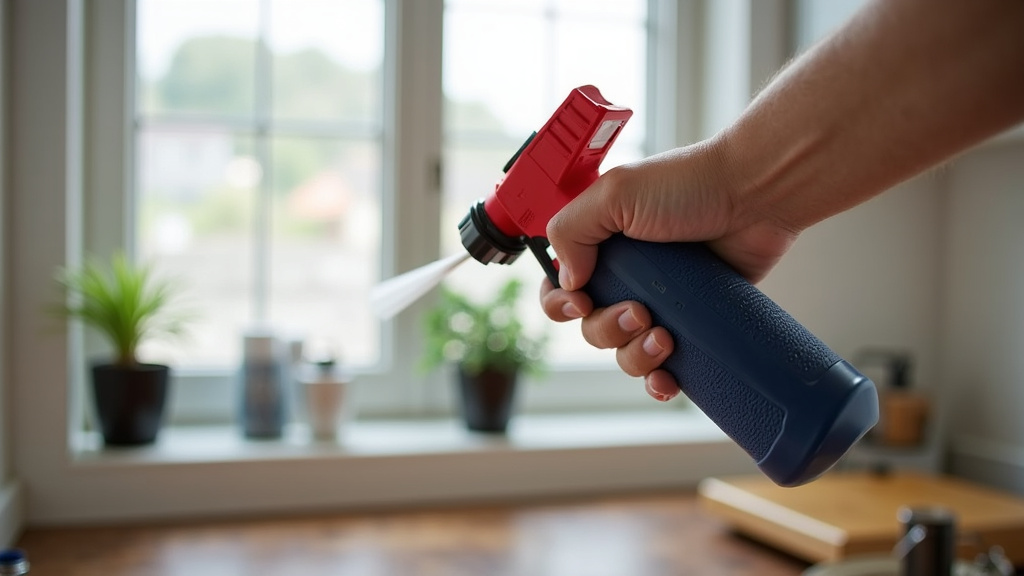
Assisting with DIY and Craft Projects
Compressed air isn’t just for cleaning; it can also assist with various DIY and crafting tasks. It can help prepare surfaces or add a finishing touch.
Preparing Surfaces for Painting or Gluing
Before you paint or glue something, a clean surface is key. Compressed air can quickly remove dust and debris from small items. This ensures a better bond for glue and a smoother finish for paint. For craft projects, it can prepare miniature models or other small parts. A quick blast ensures they are ready for the next step.
Blowing Away Fine Dust in Workshops
If you have a workshop for hobbies like woodworking or 3D printing, fine dust is a constant battle. Compressed air can help clean tools and work surfaces. It can remove sawdust from intricate carvings or 3D printed models. This makes your workspace cleaner and safer. It also helps your tools last longer by keeping them free of buildup.
Maintaining Tools and Machinery
Keeping your tools in good working order is essential. Compressed air can help maintain them and ensure they operate smoothly.
Cleaning Lawn Mowers and Outdoor Equipment
After a weekend of yard work, your lawn mower or other equipment is likely covered in grass clippings and dirt. Compressed air can easily blast this away from engines, blades, and crevices. This prevents rust and buildup. It’s much faster than trying to scrub it all off. Regular cleaning helps your equipment perform better.
Keeping Power Tools Clean
Power tools, like drills and saws, can accumulate dust and debris in their mechanisms. Use compressed air to clean out vents and motor housings. Ensure the tool is unplugged first for safety. This simple maintenance can prevent overheating and keep your tools running efficiently. Many tool manufacturers suggest this practice.
General Machine Maintenance Checklist
Here’s a quick checklist of common household machinery that can benefit from compressed air:
- Treadmill vents and motors
- Sewing machine parts
- Small appliances with vents (e.g., blenders, food processors)
- Car air vents and dashboard
- Bicycle chains and gears
- Garage door opener mechanisms
By using compressed air, you help ensure these items remain in good working order. This routine maintenance can save you time and money in the long run. It’s a simple step that makes a big difference for your household items.
Conclusion
You’ve seen how compressed air is a real workhorse for your home. It’s perfect for dusting electronics and keeping them cool. It also makes tackling general household messes much easier. Plus, it’s a great helper for your DIY projects and keeping tools in top shape. You can easily improve air quality and appliance function. Now that you know its many uses, grab a can and start cleaning. You’ll be amazed at the difference it makes around your home.
Frequently Asked Questions
How do I safely use compressed air on electronics?
Always ensure your electronics are powered off and unplugged before using compressed air. Hold the can upright and use short, controlled bursts from a distance. Avoid spraying directly onto sensitive components for too long, and never shake the can before use.
Can compressed air damage my computer components?
When used correctly, compressed air is safe for computer components. The main risks come from holding the can too close, spraying for too long, or letting the propellant chill the components. Grounding yourself before touching internal parts also prevents static damage.
Is compressed air better than a duster for vents?
Yes, compressed air is generally more effective for vents. It can blast dust out of tight grates and small spaces where a duster might just push it around. This ensures a more thorough cleaning and better airflow.
Can I use compressed air to clean my car’s interior?
Absolutely! Compressed air is fantastic for cleaning out dust from your car’s dashboard vents, around buttons, and in tight crevices. It can also help dislodge dirt from floor mats and seat seams.
How often should I use compressed air for maintenance tasks?
For electronics and computer components, use compressed air as needed, perhaps every few months or when you notice dust buildup. For tools and outdoor equipment, cleaning after each use or at least seasonally will help maintain their performance and longevity.
