
Can You Use An Air Compressor To Dry Your Car?
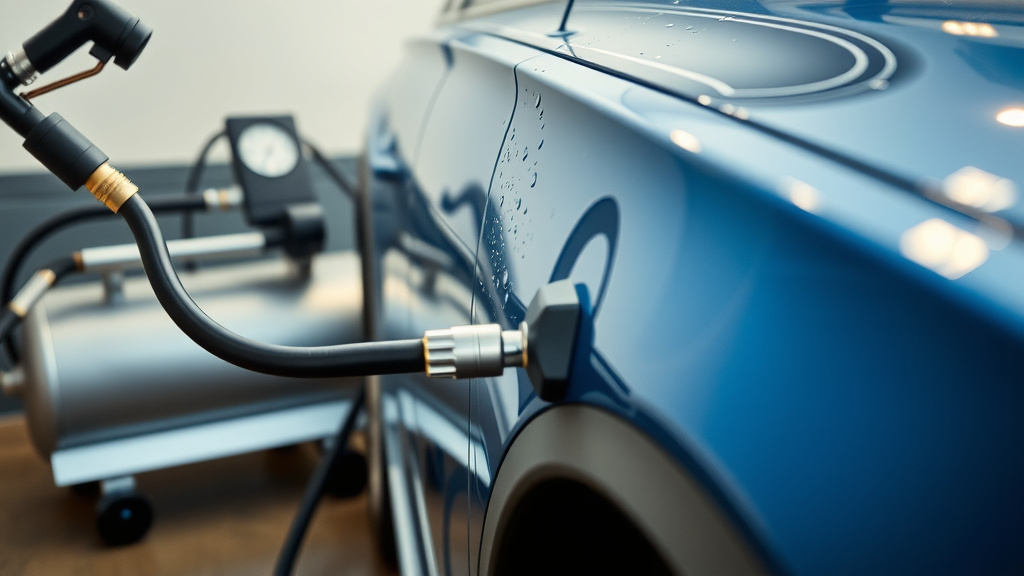
Yes, you absolutely can use an air compressor to dry your car after washing, making the process quicker and often more effective at preventing water spots.
This method uses powerful, directed airflow to push water off the surface, reaching into crevices that towels might miss and reducing the risk of scratching your car’s paint.
Here’s the quick rundown on using an air compressor to dry your car:
- Air compressors are excellent for quick, spot-free car drying.
- Always use a clean, oil-free air compressor with proper filtration.
- Focus on a powerful, high CFM compressor for best results.
- It helps reach tight spots and prevents swirl marks from towels.
- Pair it with a good drying towel for a perfect finish.
Can You Use An Air Compressor To Dry Your Car?
Yes, you can certainly use an air compressor to dry your car, and it’s a method many car enthusiasts and professional detailers prefer for its efficiency and gentle touch.
This technique helps achieve a streak-free finish, especially in hard-to-reach areas, without physically touching the paint. It’s a game-changer for maintaining a pristine look.
Why Use an Air Compressor for Car Drying?
Using an air compressor offers several clear benefits over traditional towel drying. Think of it as a way to upgrade your car washing routine.
Many experts say it’s one of the safest drying methods for your vehicle’s exterior. You’re simply pushing water away, not rubbing it.
Preventing Swirl Marks and Scratches
One of the biggest advantages is avoiding those annoying swirl marks. Towels, even microfiber ones, can sometimes drag tiny dirt particles across your paint.
An air compressor eliminates this contact, significantly reducing the risk of micro-scratches and swirl marks. It keeps your paint looking sharper for longer.
Reaching Hidden Water Traps
Ever notice water dripping from mirrors or door jambs after you’ve “finished” drying? This happens because towels struggle to reach every crevice.
Air compressors excel here, blasting water out of grilles, emblems, wheel wells, and other tight spots. This means fewer unexpected drips later.
What Kind of Air Compressor Do You Need?
Not just any old compressor will do the trick for car drying. You need one that’s up to the task without causing issues.
We found that specific features are important for a safe and effective car drying experience. Let’s look at what matters most.
Understanding CFM and PSI
When choosing an air compressor, you’ll hear about CFM (Cubic Feet per Minute) and PSI (Pounds per Square Inch). For car drying, CFM is your best friend.
A higher CFM means more airflow, which translates to quicker and more powerful drying. Look for models with at least 5-6 CFM at 90 PSI for decent performance.
Oil-Free is Key for Car Paint
This is extremely important. An oil-lubricated compressor can potentially spray tiny oil particles onto your fresh paint, creating a new mess.
Always opt for an oil-free air compressor to ensure only clean air touches your vehicle. It’s a non-negotiable for car detailing, many mechanics agree.
The Importance of an Air Filter/Dryer
Beyond being oil-free, your compressor should have a good air filter and ideally an air dryer. Why?
Moisture and debris can still be present in compressed air. A filter and dryer ensure you’re blasting your car with clean, dry air, preventing water spots or contamination (EPA guidelines for clean air quality). This protection is vital.
Here’s a quick comparison of compressor types for car drying:
| Compressor Type | Pros for Car Drying | Cons for Car Drying |
|---|---|---|
| Portable Electric Blowers | Dedicated for drying, compact, no water/oil risk. | Limited power, single-purpose, can be pricey. |
| Oil-Free Piston Compressor | Versatile, good CFM, prevents oil contamination. | Can be noisy, requires air filter/dryer. |
| Traditional Oil-Lubricated | Often more powerful, durable. | Risk of oil mist on paint, needs robust filtration. |
Step-by-Step: Drying Your Car with Air
Ready to try it? Drying your car with an air compressor is straightforward. Just follow a few simple steps for the best results.
It’s like painting a masterpiece; you want to use the right tools and follow a sequence. Here’s a quick guide:
- Wash your car thoroughly and rinse completely.
- Ensure your air compressor has a clean air filter.
- Start from the top of the car and work your way down.
- Hold the air nozzle a few inches from the surface.
- Use a consistent, sweeping motion to push water off.
- Pay extra attention to mirrors, lights, and door jambs.
- Wipe any remaining drips with a quality microfiber towel.
Techniques for the Best Air Drying Results
Just like any skill, mastering air drying comes with practice and good technique. A few tricks can make a big difference.
The goal is to be efficient and leave no water behind. You want that perfect, spot-free finish every time you wash your car.
Working from Top to Bottom
Gravity is your friend here. Always start at the roof and work your way down the panels. This ensures water drips downwards onto already wet or undried areas.
If you start at the bottom, water from above will run onto your just-dried sections, forcing you to redo your work. Nobody likes doing extra work!
Combining with a Drying Towel
While air drying is fantastic, it doesn’t mean you have to ditch your towels completely. A hybrid approach often yields the best results.
Use the air compressor to remove most of the standing water, especially from crevices. Then, lightly blot the remaining small droplets with a clean, high-quality microfiber drying towel. This ensures a flawless finish.
Are There Any Drawbacks?
Every tool has its pros and cons, and air compressors for car drying are no exception. It’s good to be aware of the whole picture.
While highly effective, there are a couple of points to consider before you invest in this method. Knowing these helps you decide if it’s right for you.
Noise and Power Consumption
Air compressors can be quite noisy, especially larger, more powerful units. If you have close neighbors or wash your car early in the morning, this could be a factor.
They also require a decent amount of electricity, so consider your power source and utility costs. We found that electric models offer quieter operation, but still produce sound (research by tool manufacturers).
Initial Investment Considerations
A suitable air compressor, especially one with good CFM and proper filtration, represents an upfront cost. It’s more expensive than just buying a few drying towels.
However, many consider it a worthwhile investment for the time saved, the improved drying quality, and the reduced risk of paint damage. Weigh the cost against the benefits for your specific needs.
Conclusion
Using an air compressor to dry your car is a highly effective, gentle, and efficient method that can significantly improve your car washing results. It minimizes contact with the paint, helping you avoid swirl marks and ensuring a streak-free finish by reaching every last drop of water.
To get the best experience, choose an oil-free compressor with adequate CFM and always use a reliable air filter or dryer. While there’s an initial investment and some noise, the benefits of a perfectly dried, spotless car often outweigh these minor considerations. So, if you’re looking for a top-tier drying solution, an air compressor is certainly worth considering.
Can I use any air compressor for car drying?
No, not all air compressors are suitable. You need an oil-free model to avoid spraying oil mist onto your car’s paint. It should also have sufficient CFM (Cubic Feet per Minute), generally 5-6 CFM at 90 PSI or higher, to provide enough airflow for effective drying. A good air filter and dryer are also important to ensure clean, dry air.
How does an air compressor prevent water spots?
An air compressor prevents water spots by quickly and thoroughly removing all standing water from the car’s surface before it can evaporate. When water evaporates, it leaves behind minerals that cause spots. By blasting water away, especially from hidden crevices, you eliminate the cause of these unsightly marks.
Is an air compressor faster than towel drying?
For large vehicles or those with intricate designs, an air compressor can be significantly faster than towel drying, especially once you get the technique down. It quickly clears large sections and reaches areas towels cannot, reducing overall drying time and effort. Many car detailers find this to be a major time-saver.
Do I still need a drying towel if I use an air compressor?
While an air compressor does most of the work, many people still use a high-quality microfiber drying towel for a final touch. This “hybrid” method involves using the compressor to remove the bulk of the water, then lightly blotting any remaining tiny droplets or streaks with a towel to ensure an absolutely perfect, spotless finish.
What safety precautions should I take when using an air compressor?
Always wear eye protection when operating an air compressor. Ensure your compressor is on a stable, level surface. Do not point the nozzle directly at anyone. Also, check that your air hose and nozzle are in good condition. For car drying, remember to maintain a safe distance from the paint to avoid potential damage from concentrated airflow.
