
Can You Transport An Air Compressor On Its Side?
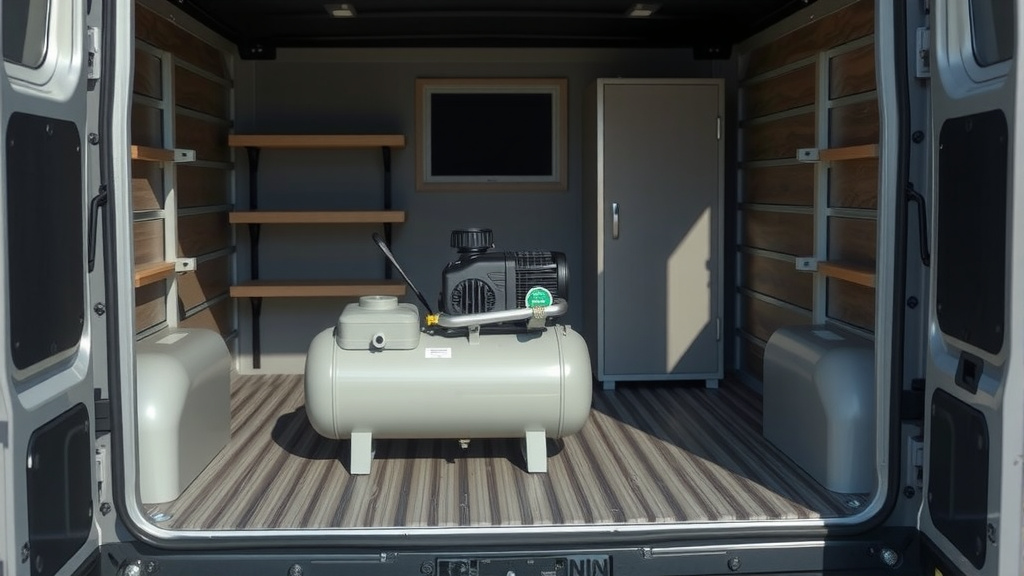
Generally, you should avoid transporting an air compressor on its side to prevent potential oil leaks and damage to critical components.
Laying an oil-lubricated air compressor on its side can cause oil to spill into the air lines or motor, leading to costly repairs or complete failure.
- Avoid tipping oil-lubricated air compressors on their side; it causes oil leaks and damage.
- Oil can spill into the air lines, motor, and other vital parts, causing serious malfunctions.
- Always consult your specific air compressor’s user manual for detailed transport instructions.
- If upright transport is absolutely impossible, drain all oil and secure the unit thoroughly first.
- Always perform a full check-up after transport, especially before starting the compressor.
Can You Transport An Air Compressor On Its Side?
Transporting an air compressor can feel like a big job. You might wonder if laying it on its side will make things easier. However, for most air compressors, especially those that use oil, this is a risky move that can lead to problems.
Many experts strongly advise against it, as we found in our research. It can cause messy oil leaks and potentially expensive damage to your equipment. You want to protect your investment, right?
Why Laying It Down Is Risky Business
Air compressors are built to stand upright. Their internal systems, particularly the lubrication and air paths, are designed with this orientation in mind. When you tilt them, you disrupt this careful balance.
This disruption can cause fluids to go where they shouldn’t, and delicate parts to suffer stress. It’s like trying to drink soup from a bowl held sideways – it just doesn’t work well.
The Oil-Lubricated Dilemma
Most common air compressors, like those you find in many workshops, are oil-lubricated. This means they have a crankcase filled with oil, much like a car engine. This oil keeps the pump moving smoothly.
When you lay one of these units on its side, that oil can easily leak out. It can also seep into other components, which is a major concern. We’ll dive into those dangers next.
What About Oil-Free Models?
Oil-free compressors don’t use oil in their pump. This removes the biggest risk of oil leaks. You might think, great, I can just lay it down then!
However, even oil-free models have other concerns. They still have delicate components that can be damaged by sudden shifts or impacts. Plus, moisture can be present. Still, they are generally less sensitive to orientation during transport than their oil-lubricated cousins.
The Hidden Dangers of Tipping
Beyond simple oil spills, laying your compressor down can cause a cascade of internal problems. These issues might not be immediately obvious but can affect performance or even cause total failure down the road.
It’s better to be safe than sorry, and understanding these risks helps you make an informed decision.
Oil Where It Shouldn’t Be
For oil-lubricated compressors, if oil leaks into the air lines, it can clog filters and contaminate your tools. Imagine an air tool spattering oil instead of just air – not ideal for paint jobs or delicate work!
Worse, oil can get into the motor windings or electrical components. This can cause shorts, overheating, and ultimately, motor burnout. We found that this is a common reason for premature compressor failure after improper transport (Industrial Equipment Review).
Pressure Switch and Electrical Woes
The pressure switch is a vital part that tells your compressor when to turn on and off. It’s often a sensitive component. Tipping the unit can put undue stress on its wiring or internal mechanism.
Even small shifts can misalign internal parts or cause wires to become loose. This might lead to erratic operation or complete failure of the switch, making your compressor unusable.
Tank and Component Stress
Air tanks are robust, but they aren’t designed for heavy side impacts. When a compressor is laid down and shifts during transport, the tank or its welds can be stressed. While rare, this could compromise the tank’s integrity.
Other parts, like gauges, air filters, and drain valves, are also exposed and can easily snap off or break. These small damages can lead to air leaks and reduced efficiency.
Your Compressor’s Instruction Manual: Your Best Guide
Before you even think about moving your air compressor, always check its user manual. This guide contains specific instructions from the manufacturer about transport. They know their product best.
Some smaller, purpose-built compressors might actually be designed for transport in various orientations. But you won’t know unless you check the manual! Don’t guess; read it through carefully.
When Upright Isn’t an Option: Essential Preparations
Sometimes, no matter how hard you try, laying your compressor down might seem like the only option for a short distance. If you find yourself in this situation, you must take careful steps to minimize risk.
This isn’t an endorsement to do it, but rather a guide for unavoidable scenarios. Always remember, upright is safest.
Draining the Oil: A Must-Do Step
For oil-lubricated models, if you absolutely must lay it down, draining the oil is non-negotiable. Locate the oil drain plug, usually at the bottom of the crankcase, and completely empty the oil into a suitable container.
Make sure to replace the plug tightly before moving the unit. You’ll need to refill with the correct type and amount of oil once it’s in its new upright position and before use.
Securing Your Compressor for the Journey
Regardless of how you transport it, securing your compressor is paramount. Use straps, ropes, or bungees to tie it down firmly to prevent any movement during transit. Even small bumps can cause damage.
Place padding, like old blankets or cardboard, around the unit to absorb shocks. We found that preventing any shifting is key to avoiding impact damage to delicate parts (Workplace Safety Guidelines).
After the Trip: What to Check
Once your compressor is safely at its new location and upright, don’t just plug it in and go! Perform a thorough inspection first. Here’s a quick checklist:
- Check for any visible damage to the tank, gauges, or hoses.
- Look for oil leaks if it’s an oil-lubricated unit.
- Ensure all electrical connections are secure and undisturbed.
- For oil-lubricated models, refill the oil to the correct level if you drained it.
- Run the compressor for a short time and listen for any unusual noises.
- Check for air leaks at connections before putting it to work.
Smart Ways to Transport Your Air Compressor Upright
The best method for moving your air compressor is always to keep it upright. Many models come with wheels and handles for easy rolling. If yours doesn’t, consider renting a hand truck or moving dolly.
For larger units, professional moving services or a forklift might be necessary. It might cost a little more, but it protects your investment and saves you potential headaches and repair costs down the line.
Here’s a simple table to guide your decision:
| Compressor Type | Upright Transport | Laying on Side (with precautions) | Key Risk Factors |
|---|---|---|---|
| Oil-Lubricated | Highly Recommended | Strongly Discouraged | Oil leaks, motor damage, electrical shorts |
| Oil-Free | Recommended | Possible (less risk) | Component damage from impacts, moisture issues |
Conclusion
While the idea of transporting an air compressor on its side might seem convenient, it usually comes with significant risks. For oil-lubricated models, it’s almost always a bad idea due to the high chance of oil leaks and subsequent damage to critical components. Oil-free models are less risky but still prone to impact damage.
Your best bet is always to consult your compressor’s manual and strive for upright transport. If you must lay it down, draining the oil and securing the unit properly are essential preventative steps. Taking a little extra care during transport can save you a lot of time, money, and frustration in the long run. After all, you want your air compressor to work when you need it most, right?
What should I do immediately after transporting my air compressor?
After transport, set your compressor upright and let it sit for a few hours. This allows any shifted fluids to settle. Then, perform a thorough visual inspection for damage, check oil levels (if applicable), and ensure all connections are secure before starting it up. Listen for unusual noises during its first run.
Can I transport a small pancake air compressor on its side?
Many smaller “pancake” or “hot dog” style air compressors are oil-free or have sealed, self-contained oil systems that are more forgiving. However, it’s still best practice to keep them upright. Always check the specific manufacturer’s guidelines in your manual, as some small units might be designed for multi-position transport.
How long should an air compressor sit upright after being transported on its side?
If you had to transport an oil-lubricated compressor on its side (after draining and refilling oil), we recommend letting it sit upright for at least 2-4 hours before operating. This allows the oil to properly settle back into the crankcase and lubricate all necessary parts before the pump starts moving.
What kind of damage can oil cause if it gets into the air lines?
If oil gets into the air lines, it can clog air filters, contaminate sensitive pneumatic tools, and leave oily residue on your workpieces. For tasks like painting or woodworking, this contamination can ruin finishes and make your air tools less effective or even cause them to malfunction.
Is it ever okay to transport an air compressor horizontally?
It is rarely okay, and primarily only with specific types of compressors designed for it, usually smaller oil-free models or those with unique sealed systems. You must confirm this directly with the manufacturer’s manual. For any standard oil-lubricated compressor, horizontal transport is almost always discouraged due to high risks of damage.
