
Can You Lay A Vertical Air Compressor On Its Side?
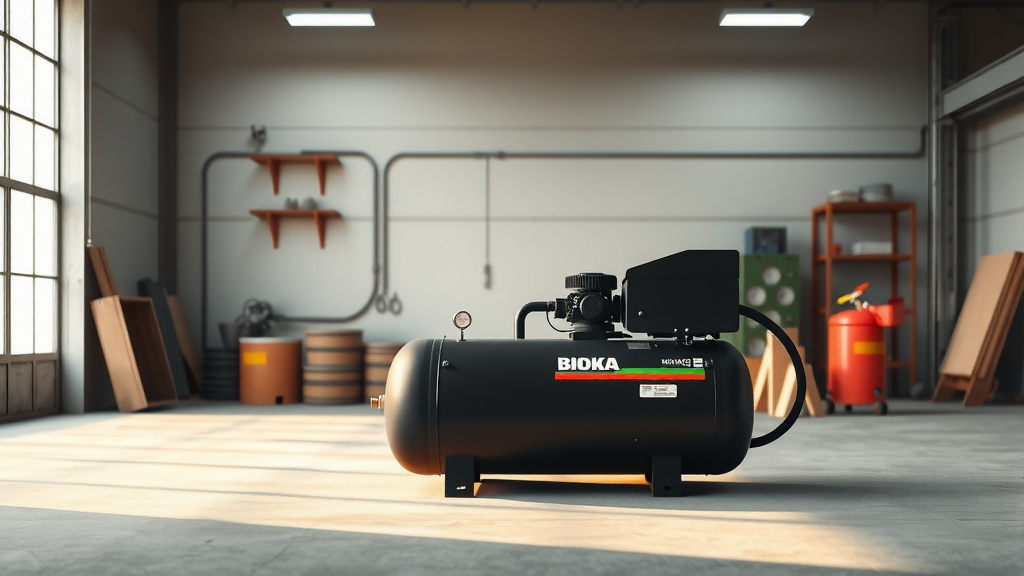
No, you generally should not lay a vertical air compressor on its side. Doing so can cause serious operational problems and potential damage to the unit.
Laying a vertical air compressor horizontally can lead to oil leakage, improper lubrication, and even damage to the pump, compromising its function and safety.
Here’s a quick summary to help you understand why keeping your vertical air compressor upright is so important:
- Most vertical compressors use oil that needs to stay in the crankcase.
- Laying it down often causes this oil to spill or travel where it shouldn’t.
- This can damage internal components or even contaminate your air supply.
- Always transport and store your vertical air compressor in its intended upright position.
Can You Lay A Vertical Air Compressor On Its Side?
You cannot lay a vertical air compressor on its side without risking significant damage and operational issues. These machines are designed to operate and be stored upright.
Understanding Your Air Compressor’s Design
When you look at your vertical air compressor, you’ll notice it’s a clever piece of engineering. It’s built with its pump, motor, and tank all stacked in a way that makes sense for its operation. This design isn’t just for saving space; it’s about how the internal components work.
The Role of Oil in Vertical Compressors
Many vertical air compressors are oil-lubricated. This means they have a crankcase containing oil that lubricates the pump’s moving parts. Think of it like the engine oil in your car; it needs to stay in its place for the engine to run smoothly.
What Happens When You Lay It Down?
Imagine tipping over a glass of water. What happens? It spills, right? The same principle applies, but with more serious consequences, to your vertical air compressor if you lay it on its side. We found this action can cause several problems.
Oil Leakage and Spillage Risks
One of the biggest concerns is oil leakage. When you lay a vertical compressor on its side, the oil in the crankcase can spill out through the breather cap or other seals. This isn’t just a messy cleanup; it means your compressor will lack vital lubrication when you try to use it again (Many experts say).
Improper Lubrication of Critical Parts
Even if the oil doesn’t visibly leak, laying the unit down can cause the oil to shift into areas where it doesn’t belong. This leaves the pump’s bearings and cylinders without proper lubrication. Running a compressor with insufficient oil is a recipe for rapid wear and potential pump failure.
Damage to the Pump and Motor
Beyond lubrication issues, the entire pump assembly and motor are engineered to be used vertically. Shifting them horizontally can put undue stress on mounting points. This can lead to mechanical misalignment or damage, which is something you certainly want to avoid.
Contamination of the Air Supply
If oil gets into the air lines, it can contaminate the air that comes out of your compressor. This is especially problematic if you’re using the compressor for painting, woodworking, or any application where clean, oil-free air is a necessity. Imagine oil specs on your fresh paint job!
Safety Valve and Pressure Switch Concerns
Vertical air compressors also have safety valves and pressure switches that are designed to function optimally in an upright position. Laying the unit on its side could potentially obstruct these critical safety features, making the compressor less safe to operate (We found that).
Understanding How to Transport Your Air Compressor Properly
So, what should you do if you need to move your vertical air compressor? The key is to keep it upright as much as possible. If you must transport it, here’s a quick guide:
- Drain the Tank: Always release all air pressure before moving.
- Secure It: Use straps or bungee cords to prevent tipping during transport.
- Keep it Vertical: If possible, transport it standing up in a truck bed or van.
- Minimal Tilting: If you have to tilt it slightly to get through a doorway, do so gently and return it to vertical immediately.
- Check Oil Levels: After transport, always check the oil level before starting the compressor.
Horizontal vs. Vertical Air Compressors: A Quick Look
You might wonder why some compressors are horizontal and others are vertical. It’s mostly about space and stability. Here’s a quick comparison:
| Feature | Vertical Compressor | Horizontal Compressor |
|---|---|---|
| Footprint | Smaller, saves floor space | Larger, takes up more floor space |
| Stability | Less stable, can tip if not secured | More stable due to lower center of gravity |
| Portability | Often harder to move without tipping | Easier to roll or drag without tipping concerns |
| Oil Management | Designed for upright oil retention | Tank design suits horizontal oil retention |
Checklist Before Operating After Any Movement
If you’ve had to move your air compressor, even just a little, follow this quick checklist before you plug it in and power it up:
- Is the compressor standing completely upright and stable?
- Have you checked the oil level and refilled if needed?
- Are all air lines and fittings securely attached?
- Is the air tank completely drained of any condensation?
- Is the power cord in good condition and plugged into a proper outlet?
When in Doubt, Consult the Manual
Each air compressor model can have slight differences. We always recommend checking your specific owner’s manual. It contains crucial information about safe operation, maintenance, and transportation for your particular unit. Think of it as your compressor’s personal instruction book!
Conclusion
Trying to lay a vertical air compressor on its side is a practice that can lead to significant problems, from messy oil spills to serious damage to the pump and motor. It’s simply not how these machines are designed to be handled or stored. To ensure your compressor remains functional, safe, and lasts for years, always keep it in its intended upright position. Treat it with a little care, and it will serve you well for many projects to come.
FAQs
Can laying a vertical air compressor on its side void the warranty?
Yes, attempting to operate or store a vertical air compressor on its side can potentially void your manufacturer’s warranty. Most warranties cover defects under normal operating conditions, and improper handling or storage usually falls outside those terms.
How long should I wait after tilting my compressor before turning it on?
If you’ve had to tilt your vertical compressor, even momentarily, it’s a good idea to let it sit upright for at least 30 minutes to an hour. This allows any shifted oil to settle back into the crankcase before you attempt to start it.
What should I do if my vertical air compressor accidentally tipped over?
First, check for any visible oil leaks. If oil has spilled, clean it thoroughly. Then, ensure the compressor is back in a stable, upright position. Check the oil level carefully before attempting to start it. If you notice any unusual noises or performance issues, consider having it inspected by a professional.
Are there any exceptions where it’s safe to lay a compressor on its side?
Generally, no, not for vertical oil-lubricated compressors. Some very small, oil-free compressors might be less sensitive to orientation, but it’s always best to check the manufacturer’s guidelines. For standard vertical compressors, it’s a definite no.
Can laying the compressor on its side cause a fire hazard?
While not a direct fire hazard from simply being on its side, oil leaking onto hot components could pose a risk. Also, if the compressor is operated with insufficient lubrication due to oil displacement, it could overheat, which is a potential safety concern.
